
A silent shift altering bird populations worldwide.
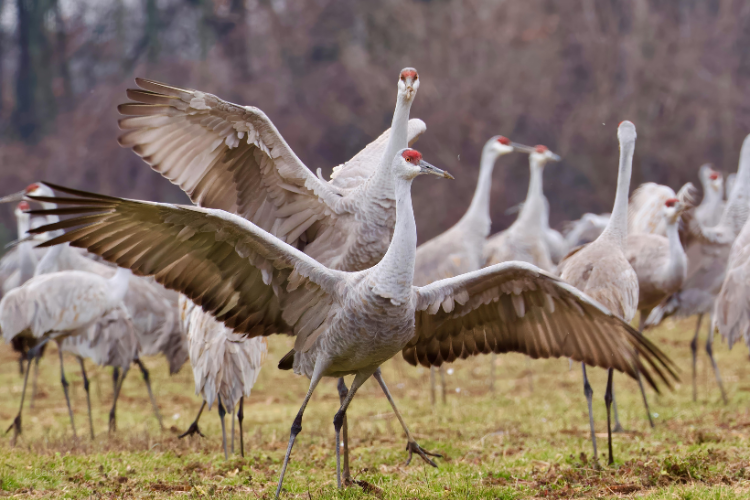
Across wetlands, forests and city skylines, scientists are tracking a trend that began quietly and spread faster than many expected. Bird populations across North America and Europe are showing behavioral and migratory changes that hint at deeper environmental pressure. Field researchers describe patterns appearing in species that rarely change habits quickly, suggesting that something large and persistent is reshaping their world. The signals are subtle at first, but together they reveal a shift affecting millions.
1. Altered migration timing is appearing across regions now.
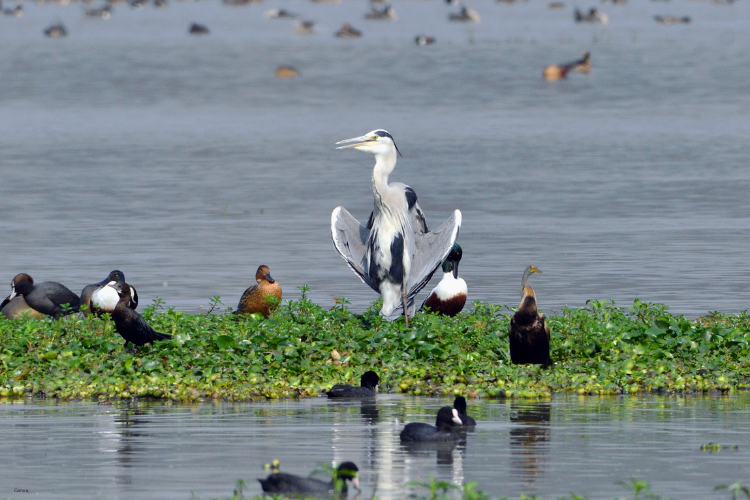
Researchers monitoring spring routes have documented species leaving wintering grounds earlier than expected. Satellite tagging data shows these changes accumulating year by year, a trend noted in long term surveys as reported by the Audubon Society. When birds depart too soon, they risk arriving before food sources reach peak availability, disrupting breeding success.
Over time, this mismatch weakens population stability. Chicks hatch when insects remain scarce, and adults burn energy reserves searching for resources that have not yet emerged. Even species known for rigid migration patterns are now showing this irregularity.
2. Habitat loss accelerates population shifts on multiple continents.

Expanding farmland, urban development and severe wildfires have carved away breeding and feeding areas. These losses force birds into smaller, more competitive habitats, a trend detailed in global conservation assessments according to BirdLife International. Species that once thrived in broad ranges now cluster in fragmented pockets of land that cannot sustain long term population growth.
As competition intensifies, weaker individuals struggle to secure territory or adequate food. Overcrowding increases stress, disease exposure and failed nesting attempts. The shrinking landscape becomes a bottleneck through which fewer and fewer birds successfully pass.
3. Changing food availability disrupts long standing bird behaviors.

Insect declines, shifting plant cycles and fluctuating water levels are altering what birds can eat and when. Ecological monitoring shows that many species are modifying foraging strategies, as stated by the United States Geological Survey. Birds that once relied on predictable insect blooms now face erratic food pulses that offer little consistency.
These changes force birds to spend more time searching for nutrition, reducing the energy available for courting and nesting. The added strain influences survival rates during migration and affects whether populations rebound or continue to decline.
4. Urban expansion draws species into unfamiliar environments.

Cities across the world are pulling in birds that historically avoided human areas. Light pollution, warmer microclimates and abundant food scraps lure species into neighborhoods where they face new predators, traffic hazards and disease risks. Birds shift routines to match these artificial cues, sometimes losing the instinctual timing they rely on for survival.
Once established, these new patterns can become difficult to reverse. Birds accustomed to urban feeding schedules may abandon natural foraging altogether, making them more dependent on human activity than the ecosystems that sustained them for generations.
5. Climate anomalies are reshaping migratory decision making.
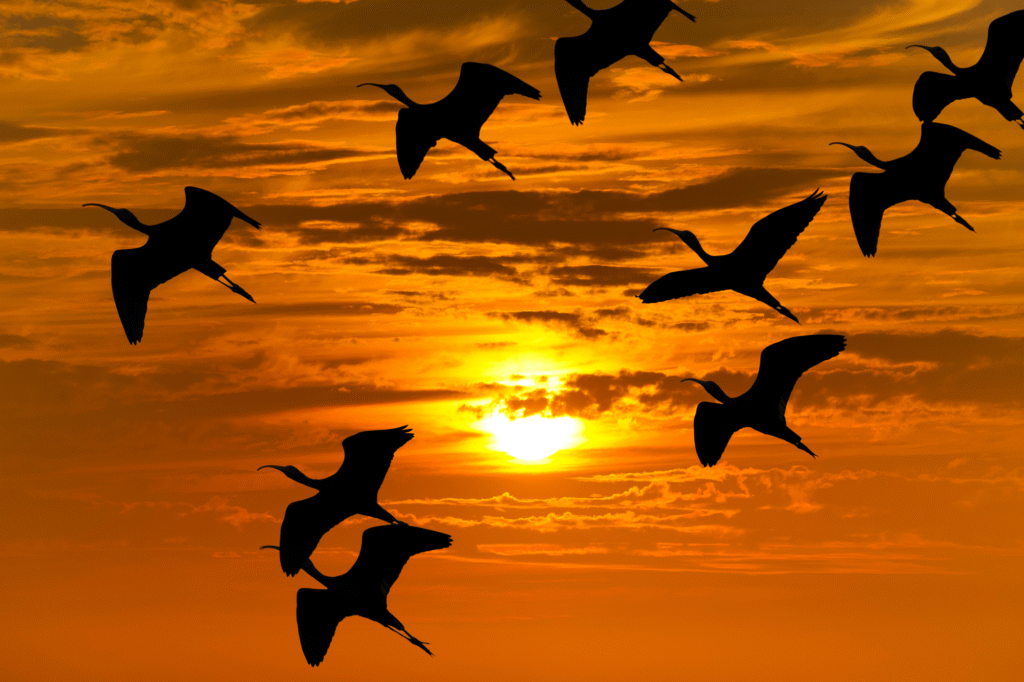
Unusual heat spikes, cold snaps and shifting storm routes complicate the signals birds use to time their seasonal movements. When weather becomes inconsistent, birds struggle to determine the safest window for travel. Some delay departure while others attempt risky early flights based on incomplete cues.
These unpredictable shifts lead to higher mortality along migration routes. Birds hit storms they would normally avoid or run out of energy before reaching rest stops. The cumulative stress magnifies population declines already tied to environmental changes.
6. Water scarcity disrupts wetland dependent species quickly.

Wetlands across the West, from the Great Salt Lake to California’s Central Valley, are shrinking due to drought and increased water diversion. Birds that rely on these stopovers lose essential feeding grounds during migration. As these habitats shrink, numbers drop sharply among species dependent on aquatic insects and shallow water foraging.
Without reliable wetlands, birds fly longer distances without refueling. Many arrive at breeding grounds underweight, reducing chick survival and long term population resilience. The change cascades across entire flyways.
7. Disease outbreaks spread faster in fragmented ecosystems.

When habitat shrinks, birds gather more tightly, increasing the chance of disease transmission. Avian influenza and West Nile virus have moved rapidly through packed roosting sites in recent years. Birds weakened by environmental stress become more vulnerable to severe infection.
Populations struggling with food scarcity or disrupted migration deteriorate further under disease pressure. Outbreaks wipe out thousands in a single season, rewriting regional population maps almost overnight.
8. Invasive species increase competition for limited resources.

Non native birds and predators enter ecosystems and disrupt long standing ecological balances. Species like European starlings or Burmese pythons alter food chains and push native birds out of nesting areas. Their presence shifts the landscape in ways native species cannot easily navigate.
These interactions create uneven pressures. Some birds adapt temporarily while others vanish from territories they held for decades. Over time, the imbalance becomes a permanent feature of the region.
9. Extreme weather events reshape breeding success dramatically.

Storms during nesting seasons destroy eggs, knock down trees and flood breeding sites. Birds that lose their first clutch often lack the energy to attempt a second one. The increasing frequency of extreme weather compounds these losses.
Chicks raised during unstable climate cycles also face disrupted food availability. Survival windows narrow, and fewer young birds reach maturity. The long term effect is a gradual decline that becomes visible only when researchers compare decades of data.
10. Long term shifts reveal a deeper ecological warning.

Scientists studying these changes emphasize that they are not isolated events but intersecting pressures shaping every stage of a bird’s life. Migration, nesting and daily survival all depend on signals the environment once provided reliably.
As these signals fracture, birds improvise, but improvisation has limits. The trend sweeping across continents reflects ecosystems struggling under accumulated stress. The outcome affects far more than birds. It signals how deeply the environment is changing around us.