
Subtle shifts reveal deep internal changes in dogs.
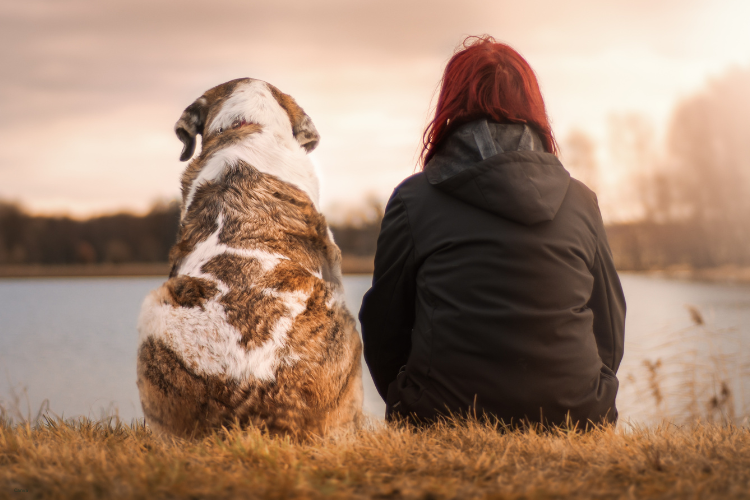
When dogs enter the final stage of life, their bodies and behavior begin shifting in ways that feel both subtle and profound. Owners often sense something different long before they understand what it means. Veterinarians who work closely with aging or terminally ill dogs describe patterns that emerge across households. These signs are not dramatic. They unfold quietly, as if the dog is preparing for a transition the body already understands, even when the mind has not caught up.
1. Their appetite fades as internal systems begin slowing.

Dogs nearing the end often lose interest in food, even meals they once loved. The body begins conserving energy for essential functions, a response frequently noted in hospice care summaries as reported by the American Veterinary Medical Association. Food becomes secondary to comfort, and digestion slows as organs start shutting down. Owners sometimes misinterpret this as pickiness when it reflects deeper internal fatigue.
Over the next days or weeks, the dog may approach the bowl, sniff briefly and walk away. This shift often continues steadily, creating a pattern that contrasts sharply with earlier habits. The body signals that nourishment no longer holds the same role it once did.
2. Withdrawal from social interaction becomes more common.

A dog that once greeted everyone enthusiastically may begin spending long hours alone. Behavioral studies on end of life patterns describe this as a natural reduction in social engagement according to the Cornell University College of Veterinary Medicine. Dogs retreat because their energy drops and sensory processing becomes overwhelming. They are not rejecting the household. They are managing their declining strength.
Owners often notice the dog settling in corners or quiet rooms. The distance grows gently but steadily. It is the dog’s way of conserving what little energy remains while navigating discomfort without drawing attention.
3. Increased sleep reflects the body’s dwindling resilience.

Dogs in their final stage often sleep much longer than usual, drifting into deeper cycles that become harder to interrupt. Veterinary clinicians describe prolonged sleep as a sign of metabolic slowdown, as stated by Colorado State University’s Veterinary Health Center. This extended rest helps the body cope with declining organ function.
These sleep stretches may span most of the day. Even when awake, the dog appears dazed or slow to respond. This is not confusion alone. It is the body accelerating its transition toward stillness.
4. Changes in breathing patterns signal growing internal strain.

Breathing may become shallow, irregular or noticeably slower as the lungs and cardiovascular system lose efficiency. Some dogs show alternating periods of rapid breathing followed by long pauses. These fluctuations reflect the body adjusting to reduced oxygen and weakened heart function.
Owners often notice these changes during quiet moments, such as late at night or after light activity. The breathing becomes a window into internal organs working harder than they can manage, revealing a progression that is both subtle and unmistakable.
5. Seeking isolation outdoors becomes a natural instinct.

Some dogs choose to rest in the yard or linger just beyond the doorframe. This instinct, rooted in ancestral behavior, reflects an urge to remove themselves from the household during intense vulnerability. It is not a desire to escape but a quiet response to internal discomfort.
Owners sometimes misread this as restlessness, but the dog is following biological cues that surface near the end of life. The open air feels simpler and less stimulating than the noise and movement inside.
6. Sudden clinginess may appear as comfort seeking.
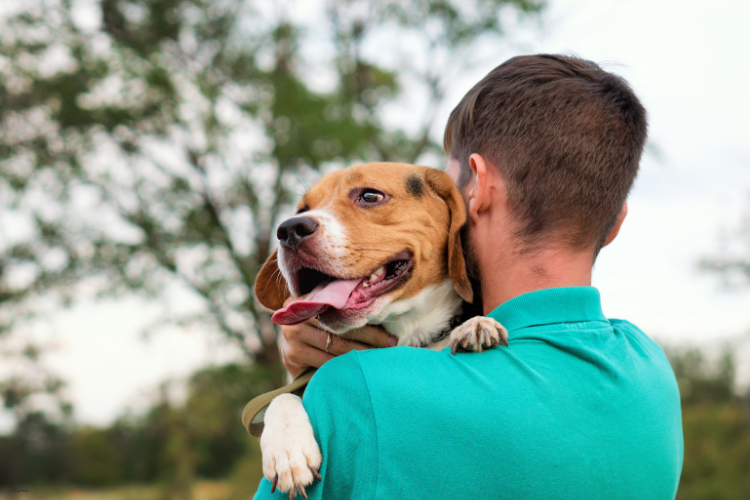
Not all dogs withdraw. Some move in the opposite direction, seeking constant touch or staying within arm’s reach. As pain or disorientation increase, they look for grounding through familiar human contact. This behavior emerges even in normally independent dogs.
They may follow their person from room to room or rest their head on a lap for long periods. These gestures reflect a deep need for reassurance, a way of staying connected as their internal world becomes harder to navigate.
7. Reduced mobility shows how much strength has faded.
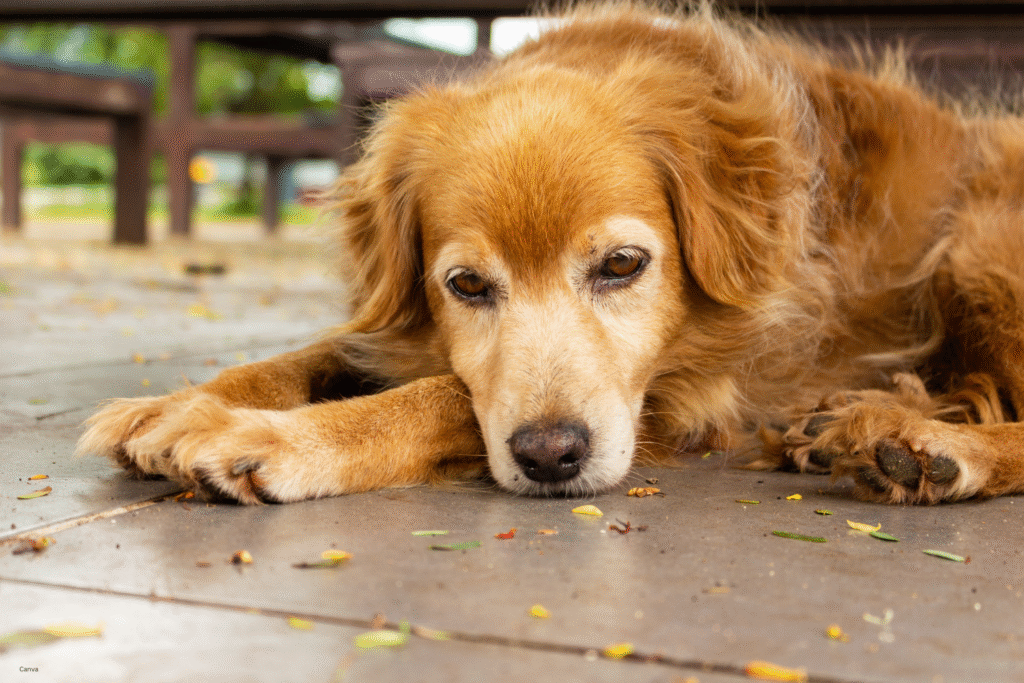
Dogs nearing the end often struggle to stand, climb stairs or walk across familiar rooms. Their joints weaken and muscles lose their ability to support weight for long. Movement becomes slow, deliberate and sometimes painful.
This decline appears gradually until even small movements require rest afterward. Owners notice hesitations where confidence once existed. The body no longer has the reserves to compensate for weakness, revealing how far the disease or aging process has progressed.
8. Loss of bladder control signals organ deterioration.

When kidneys weaken or the nervous system falters, a dog may begin having accidents despite years of reliable house training. This change reflects physiological decline rather than behavioral regression. The body simply cannot regulate elimination with the same control.
Dogs may appear embarrassed or avoidant afterward, sensing the break in routine. Owners often feel the emotional weight of this shift, recognizing it as a sign that internal systems are failing in ways the dog cannot manage.
9. Disorientation reveals the brain’s slowing function.

Near the end, some dogs wander aimlessly, stare at walls or seem unsure of familiar spaces. This cognitive decline arises from reduced blood flow or neurological changes tied to aging and disease. The world becomes less recognizable as processing slows.
These moments can be brief or frequent. The dog may look to the owner for cues, seeking orientation through familiar voices or touch. The disorientation reflects not fear alone but the brain gradually losing its ability to interpret surroundings.
10. Moments of sudden clarity sometimes appear before death.

Some owners describe their dog having a final day of unusual energy or attentiveness. This brief rally may involve eating more, greeting family or appearing brighter than they have in weeks. The phenomenon reflects a temporary surge of metabolic stability before decline resumes.
This moment often becomes a cherished memory, though it can be emotionally confusing. Soon after, the dog returns to stillness, and the signs of approaching death become undeniable. The body offers a final flicker before letting go.