
A buried fortune emerges from a quiet village.
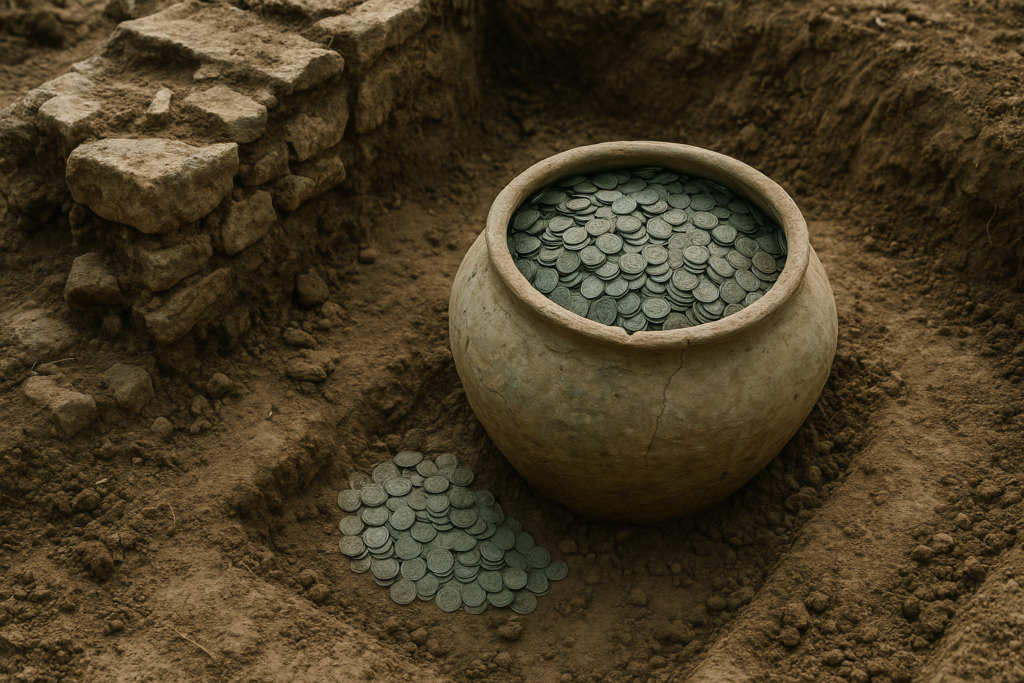
What began as a routine archaeological survey in the small village of Pannecé, in western France, quickly turned extraordinary. As soil was peeled back ahead of planned development in Loire Atlantique, a ceramic jar surfaced near the remains of a Roman era rural dwelling. Inside sat thousands of tightly packed coins, untouched for nearly two thousand years. The discovery offers a rare and intimate glimpse into how ordinary people lived, saved, and feared during a turbulent chapter of the Roman Empire.
1. The jar surfaced in the village of Pannecé.

The discovery occurred in Pannecé, a rural commune about twenty five miles northeast of Nantes in the Loire Atlantique region. Archaeologists were conducting a preventive excavation before construction when they uncovered a Roman era habitation site. According to the French Ministry of Culture, the jar was found close to domestic remains, not within a temple or military structure.
That context matters. The location suggests private ownership rather than state wealth. This was someone living on the margins of empire, not at its center. The coins were hidden near home, implying trust in familiarity and a belief that returning would be possible once danger passed.
2. More than a thousand coins filled the vessel.
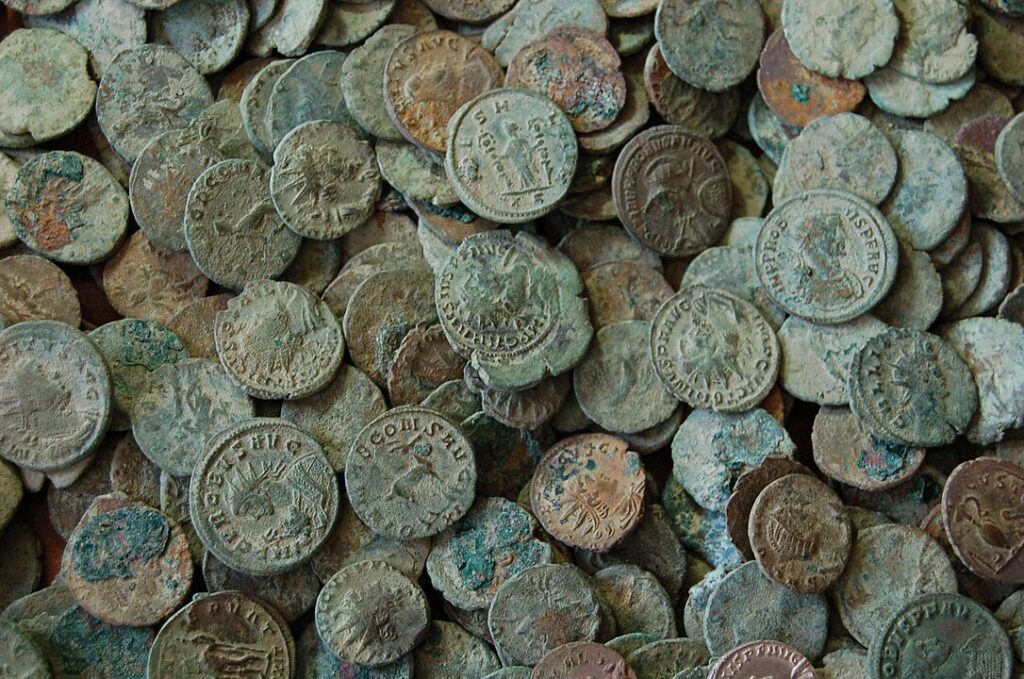
When archaeologists carefully opened the jar, they found over one thousand Roman coins pressed tightly together. Most were silver denarii, stacked and fused by centuries of pressure. As reported by Smithsonian Magazine, the sheer volume indicated intentional hoarding rather than gradual savings.
This was a substantial sum for a rural resident. The coins were placed together, not layered over time, suggesting a single decisive moment. Someone gathered their liquid wealth and hid it quickly. The jar captures urgency, a snapshot of financial fear frozen beneath the soil of a quiet farming settlement.
3. The coins date to a volatile imperial era.
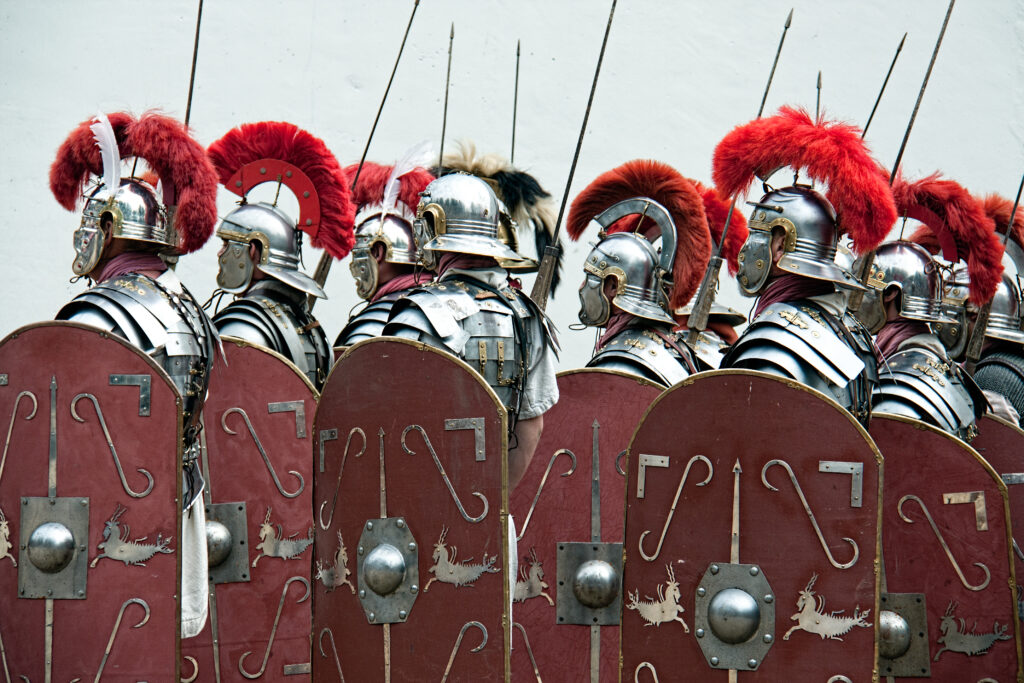
Analysis showed the coins were minted primarily during the second and third centuries AD, a period marked by political instability and economic strain across the Roman Empire. Emperors rose and fell rapidly, and frontier pressures increased. According to the British Museum, coin hoards from this era often reflect insecurity rather than prosperity.
For someone in Pannecé, far from Rome but tied to its economy, instability still reached daily life. Hoarding became a survival strategy. The coins tell a story of uncertainty spreading beyond cities into rural communities that felt the tremors of imperial decline.
4. The jar was buried near a domestic structure.
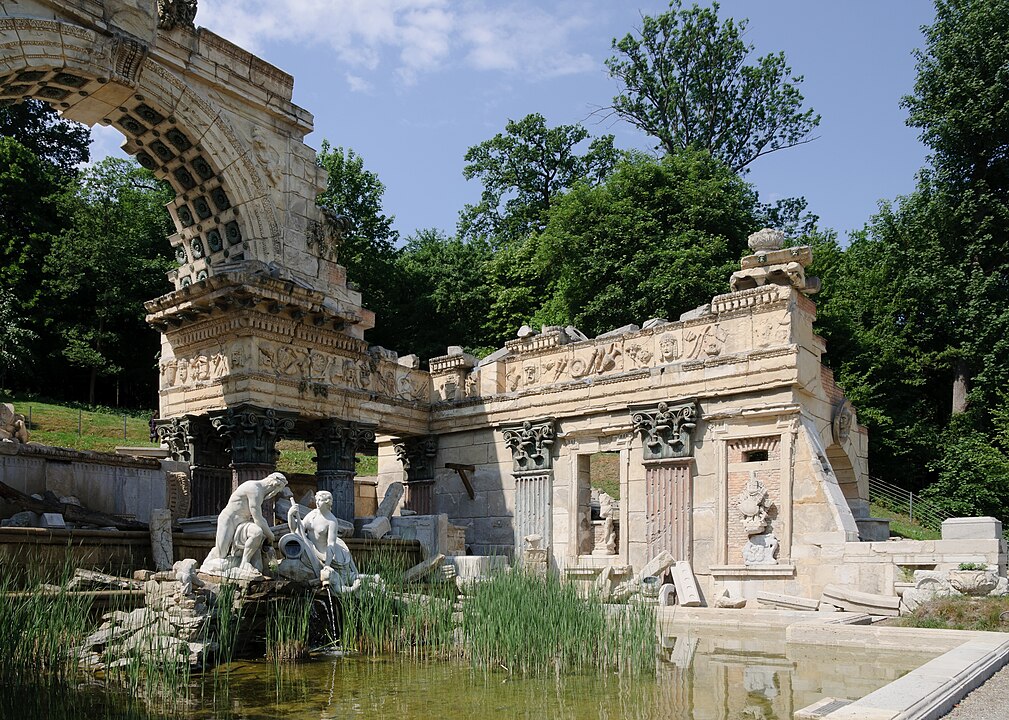
The vessel was found close to the footprint of a Roman era building believed to be a farmhouse or rural dwelling. It was not deeply buried or integrated into construction. The placement suggests haste rather than long term planning.
This kind of concealment implies expectation. The owner likely planned to retrieve the jar once conditions improved. Its shallow burial made it accessible, memorable. Something interrupted that plan. The jar becomes evidence of a life paused abruptly, leaving behind wealth but no explanation.
5. Coin condition reveals limited circulation before burial.
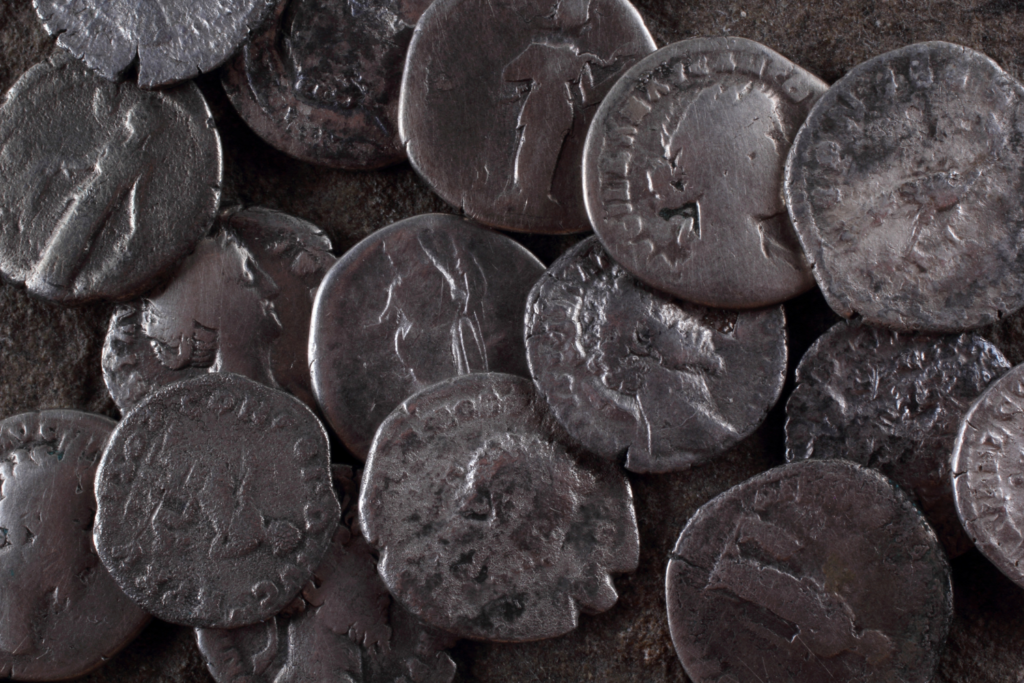
Many of the coins show minimal wear, with inscriptions and portraits still sharp. This indicates they had not circulated long before being hidden. Freshly minted currency often moved quickly during times of unrest as people converted goods into portable value.
The condition supports the idea of a sudden decision. These were not coins saved slowly over decades. They were active money, removed from circulation during a moment of fear. The jar preserves that moment with startling clarity.
6. The find reshapes views of rural Roman wealth.
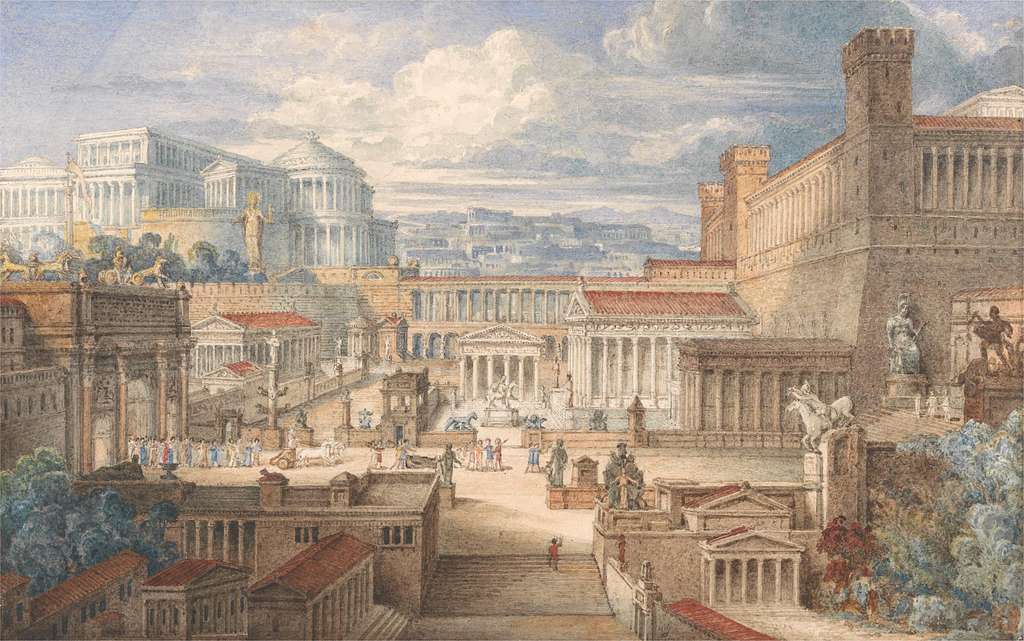
Large hoards are often associated with cities, forts, or trade hubs. Finding one in a small rural settlement challenges assumptions about who held wealth. Pannecé was not a major Roman center, yet its residents clearly participated in the imperial economy.
This suggests trade networks and monetary use extended deeply into the countryside. It also shows that rural communities felt instability acutely. The impulse to hide wealth was not limited to elites. It was shared across social boundaries.
7. The sealed jar aided remarkable preservation.
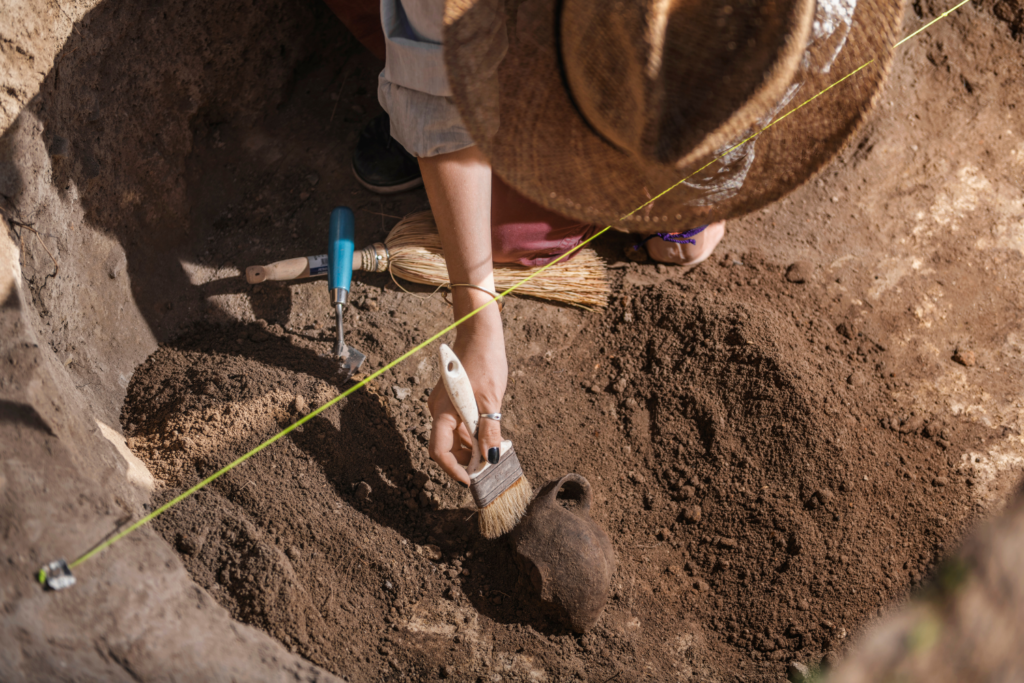
The ceramic vessel was sealed tightly, limiting air and moisture exposure. That seal preserved both the metal and the arrangement of the coins. Without it, corrosion would have erased critical details.
The act of sealing shows intention and care. The owner wanted the coins protected, not merely hidden. The jar itself becomes part of the story, reflecting foresight and hope that the contents would remain intact until recovery was possible.
8. Archaeologists documented each coin meticulously.
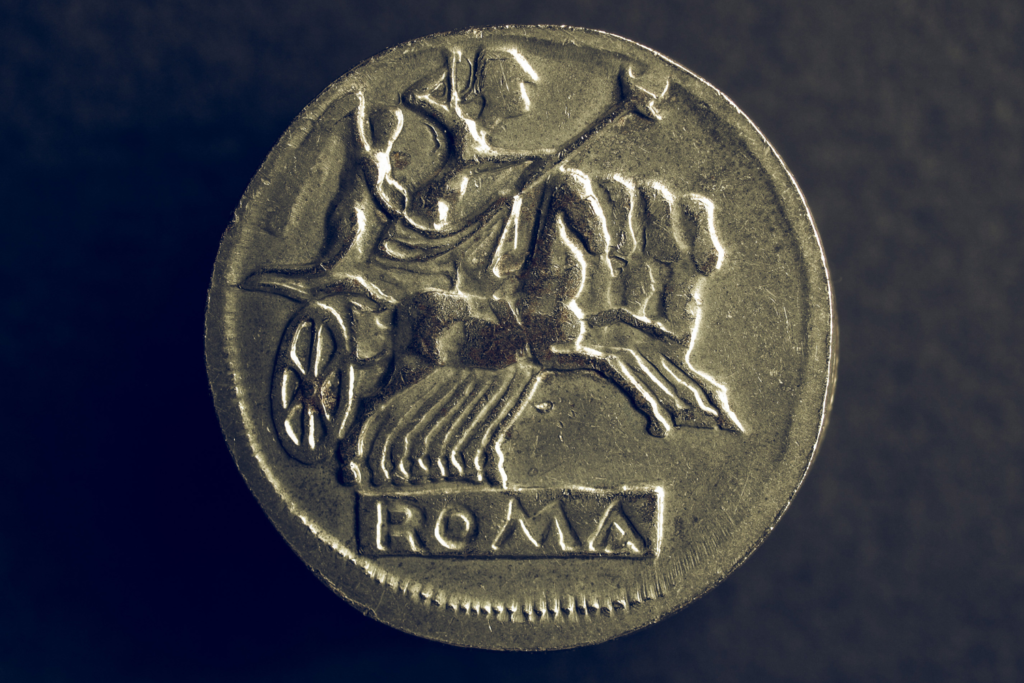
Every coin was individually recorded, photographed, and analyzed. Researchers examined mint marks, metal composition, and iconography. This detailed work transforms the hoard into a valuable dataset rather than a curiosity.
Through this process, the coins reveal trade connections and political influences reaching rural Gaul. The careful documentation ensures the find contributes to broader understanding of Roman economic life, not just public fascination.
9. The owner remains unknown despite rich clues.
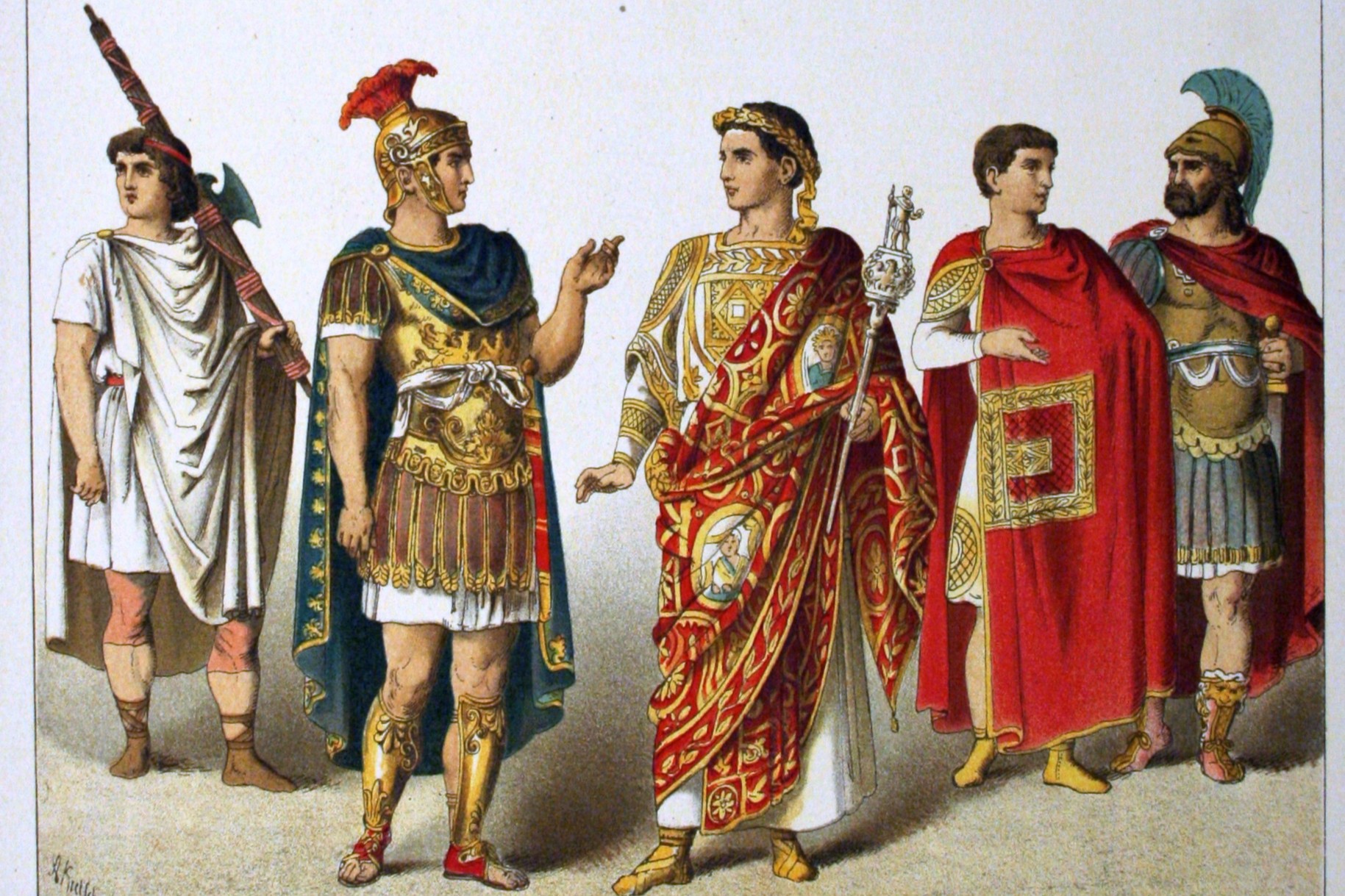
No written records or identifying objects accompanied the hoard. Archaeologists must infer identity from context alone. The owner may have been a farmer, trader, or local landholder with access to silver currency.
That anonymity sharpens the emotional weight of the find. The jar represents an interrupted plan, a person who acted wisely under pressure yet never returned. The coins outlived their owner, carrying their final decision forward through time.
10. The discovery links ancient fear with modern curiosity.

Today the hoard connects modern observers with ancient anxiety. Economic uncertainty, political instability, and fear of loss are not unfamiliar emotions. The tools change, but the instincts persist.
This jar from Pannecé is not just a treasure. It is a reminder that people across centuries respond similarly when stability fractures. Hidden beneath a French field, the coins waited quietly to tell that story again.