
Genetics quietly shape feline hearts long before symptoms.

Heart disease in cats often hides until it turns dangerous. Many affected cats appear healthy, playful, and calm, even as their hearts slowly change. Veterinary cardiologists across North America and Europe now recognize clear breed patterns tied to inherited heart conditions. These risks show up early, progress silently, and can surface suddenly during routine vet visits or stressful moments at home.
1. Maine Coons face inherited heart muscle thickening.
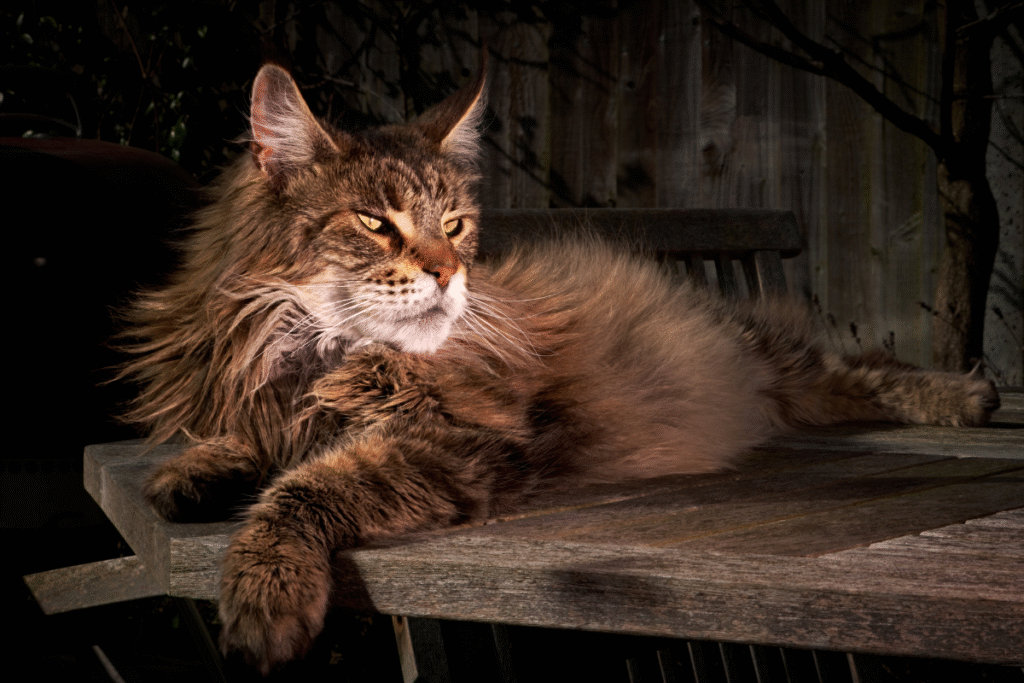
Maine Coons are one of the most studied breeds for hypertrophic cardiomyopathy, a disease where the heart muscle thickens and stiffens. This change reduces efficient blood flow and raises the risk of heart failure or sudden collapse, sometimes before middle age.
Genetic testing revealed a specific mutation linked to the condition, helping explain why even young cats can be affected, according to the Cornell Feline Health Center, which has tracked Maine Coon heart disease cases for decades across the United States.
2. Ragdolls carry a well documented cardiac mutation.

Ragdolls may seem relaxed, but their hearts can carry silent genetic risk. Many develop hypertrophic cardiomyopathy at a young age, often without visible symptoms until the disease is advanced and difficult to manage.
Veterinary screening programs identified a breed specific mutation affecting heart muscle proteins, increasing sudden cardiac death risk, as stated by researchers at the University of California Davis School of Veterinary Medicine after long term population studies.
3. British Shorthairs show rising cardiomyopathy diagnoses.
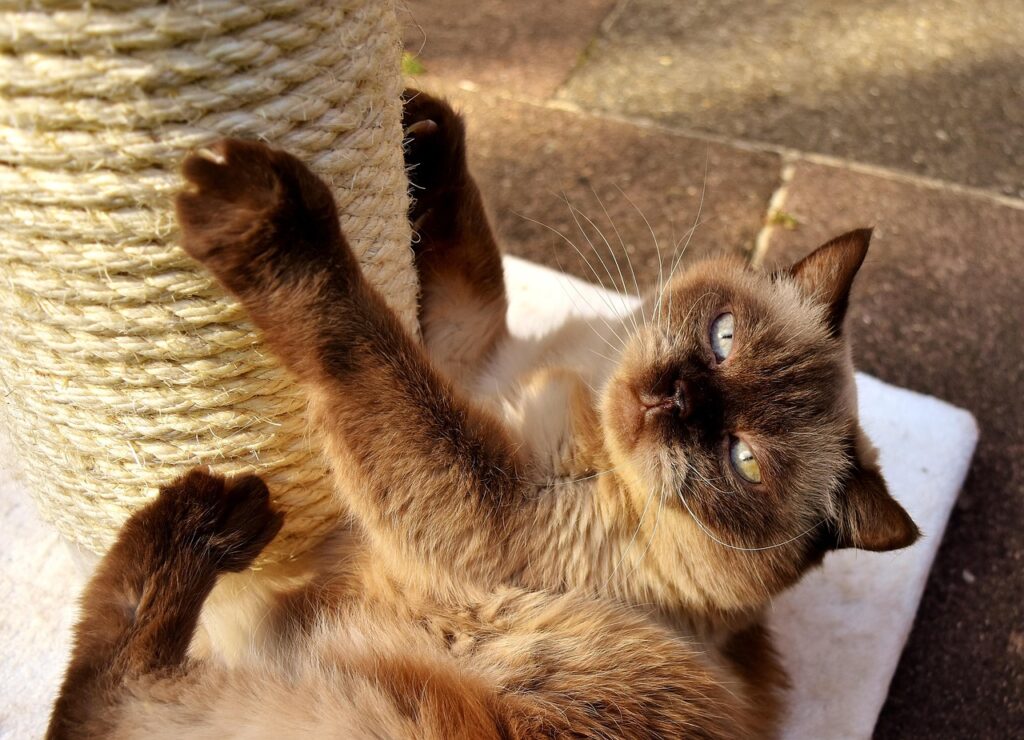
British Shorthairs are increasingly diagnosed with hypertrophic cardiomyopathy during routine exams. Their dense build can mask subtle signs like reduced stamina or mild breathing changes that signal early heart stress.
Cardiology case reviews show higher than expected prevalence compared to mixed breeds, especially in breeding lines with limited genetic diversity, as reported by the Journal of Veterinary Cardiology after compiling international referral data from specialty clinics.
4. Sphynx cats often develop early heart changes.

Sphynx cats frequently show signs of heart disease earlier than many other breeds. Their lack of fur makes breathing changes more noticeable, yet heart thickening can still progress quietly for years.
Veterinarians often recommend early echocardiograms for Sphynx kittens. The breed appears prone to both hypertrophic and dilated cardiomyopathy, making lifelong monitoring critical even when cats appear energetic and outwardly healthy.
5. Persian cats carry risks tied to selective breeding.

Persians are known for their calm demeanor, which can hide reduced exercise tolerance caused by heart disease. Their genetics often include inherited cardiomyopathy, sometimes discovered incidentally during anesthesia screenings.
Because Persians already face breathing challenges from facial structure, heart disease can compound respiratory stress. Vets often detect murmurs or abnormal rhythms during routine exams, prompting cardiac imaging earlier than owners expect.
6. Norwegian Forest Cats share similar genetic vulnerabilities.

Norwegian Forest Cats share ancestry patterns with Maine Coons, and similar heart risks appear in some bloodlines. Large size places additional demand on the heart, accelerating disease progression if cardiomyopathy develops.
Symptoms may emerge slowly, starting with subtle lethargy or brief breathing changes after play. Many cases are first identified during wellness visits, reinforcing the importance of routine cardiac checks for large framed breeds.
7. Bengals may hide heart disease behind athleticism.

Bengals are active and muscular, which can disguise declining heart function. Owners often attribute short bursts of fatigue to normal rest rather than early cardiac compromise.
Veterinary cardiologists have noted hypertrophic cardiomyopathy in Bengals of various ages. Their high activity levels can delay detection, making proactive screening especially valuable before breeding or anesthesia related procedures.
8. American Shorthairs show familial cardiac patterns.

American Shorthairs are generally healthy, yet familial heart disease has been documented in certain lines. Hypertrophic cardiomyopathy may develop gradually, sometimes remaining unnoticed for years.
Because the breed is common, cases may be underreported. Regular physical exams that include careful heart listening help catch early murmurs before more serious complications such as blood clots or heart failure develop.
9. Scottish Folds face compounded structural risks.
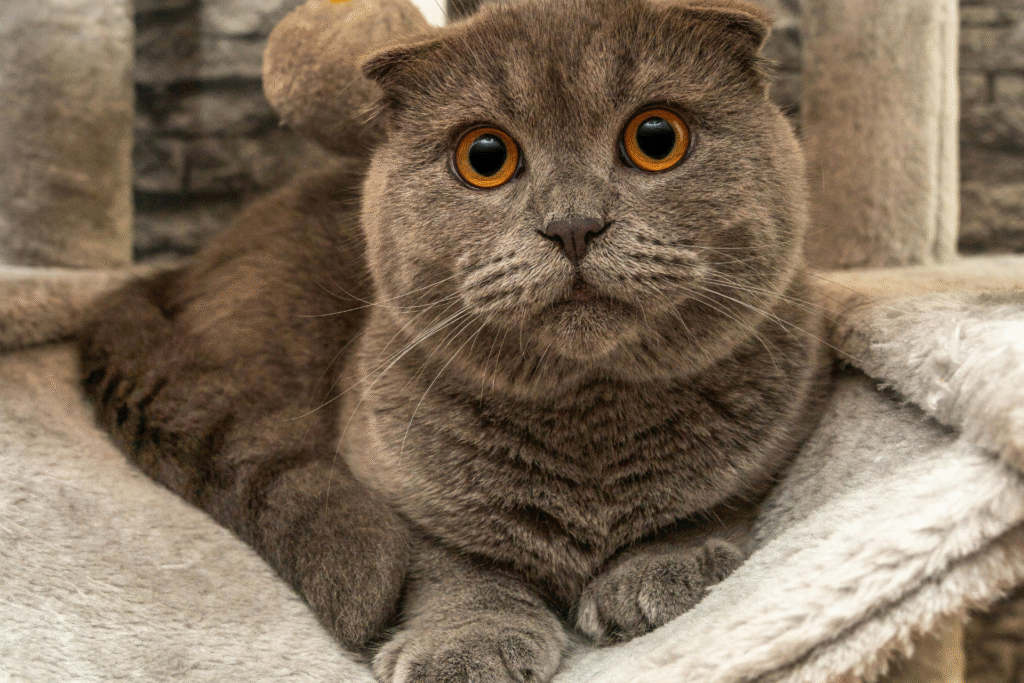
Scottish Folds already manage skeletal abnormalities that can limit activity. When heart disease develops, reduced movement may mask declining stamina and delay diagnosis.
Cardiac issues in this breed often coexist with genetic bone disorders. Vets monitor heart health closely, especially during pain management or surgery, since stress and medications can place additional strain on compromised hearts.
10. Abyssinians experience subtle cardiac progression.
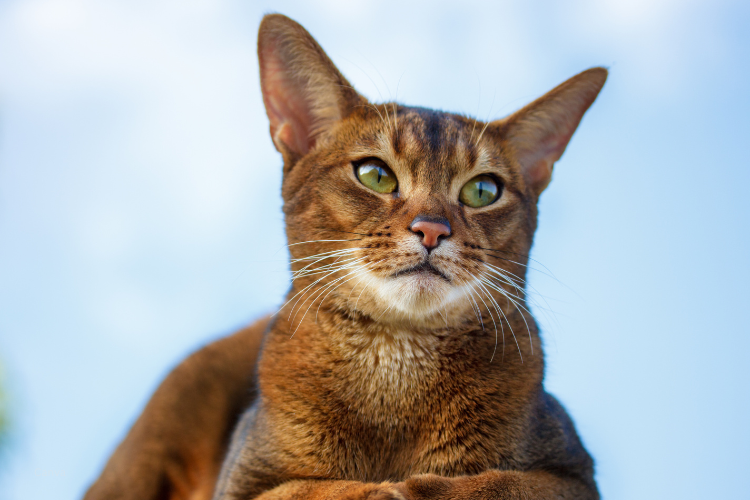
Abyssinians often develop heart disease later than other high risk breeds, but progression can still be rapid once changes begin. Their lean build may hide muscle thickening until function declines.
Owners may first notice faint breathing changes or decreased interest in high energy play. Routine screening becomes increasingly important with age, especially in breeding cats or those undergoing dental or surgical procedures.
11. Burmese cats show elevated cardiomyopathy incidence.

Burmese cats have documented higher rates of hypertrophic cardiomyopathy compared to mixed breeds. The condition may appear in young adulthood, sometimes before outward symptoms emerge.
Veterinary cardiologists frequently recommend echocardiograms for Burmese cats even when heart sounds seem normal. Early detection allows medication to slow progression and reduce the risk of sudden heart related emergencies.
12. Siamese cats can develop rhythm disturbances.
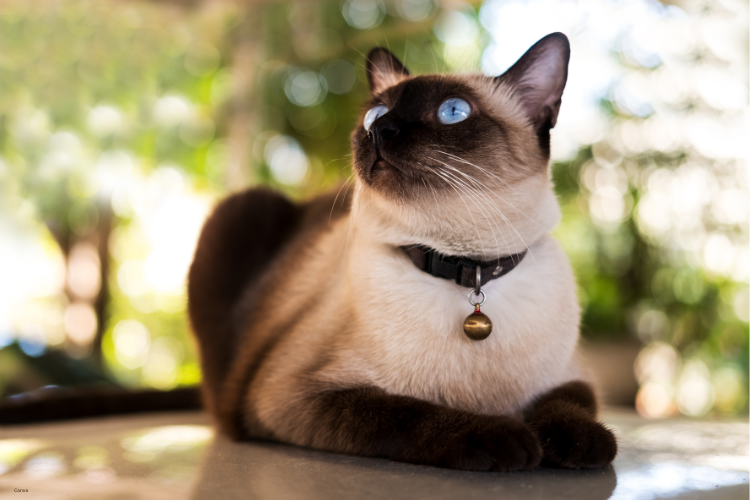
Siamese cats are vocal and expressive, which can distract from subtle signs of heart trouble. Some develop cardiomyopathy or abnormal heart rhythms that affect circulation efficiency.
Arrhythmias may be detected during routine exams or dental procedures requiring anesthesia. Because symptoms can be intermittent, ongoing monitoring helps manage risk and catch changes before they escalate into life threatening events.