
How playful risk shapes survival instincts early.

Meerkat pups enter a world where danger is constant and mistakes can be fatal. In the open deserts of southern Africa, adults do not shelter the young from risk. Instead, they shape it carefully. Through deliberate exposure, timing, and restraint, meerkats transform threats into lessons, building capable hunters and vigilant group members before pups ever face real predators alone.
1. Adults introduce danger in carefully controlled stages.

In the Kalahari Desert of southern Africa, adult meerkats bring prey to pups in stages. Very young pups receive dead scorpions with stingers removed, creating safe practice encounters. The timing aligns with pup age and motor control, turning danger into guided exposure.
This careful sequencing shapes learning without panic, according to research from the University of Cambridge. Field observations across decades show pups progress faster when adults calibrate risk precisely, rather than shielding them completely during early developmental windows only.
2. Older helpers adjust lessons based on pup reactions.

Within each group, non breeding helpers often deliver the training. They watch pup behavior closely, stepping in if fear overwhelms curiosity. A dropped prey item or gentle retrieval resets the moment, keeping learning active but controlled.
Such responsiveness mirrors human teaching dynamics and improves survival skills later by reinforcing confidence through repeated low risk challenges. The pattern was documented during long term studies in the southern Kalahari, as reported by the Kalahari Meerkat Project across multiple observed family groups there.
3. Live prey appears only after skills mature.
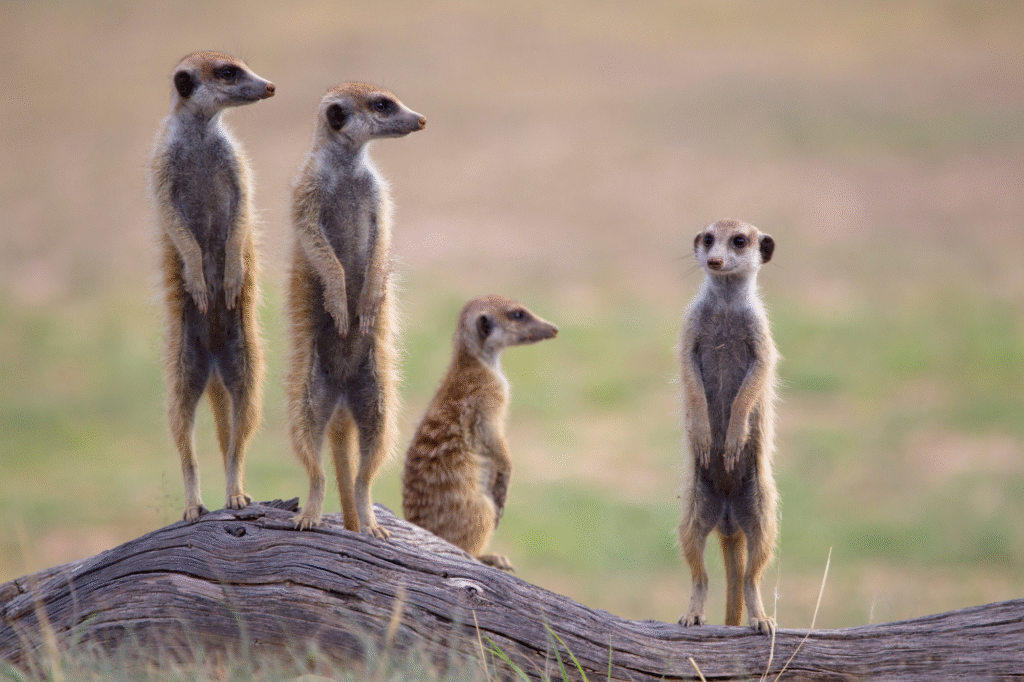
As pups grow, adults gradually introduce live scorpions with stingers still intact. The shift is subtle and timed to jaw strength and coordination. Adults stay nearby, ready to intervene if a pup hesitates or mishandles the prey.
This stepwise risk increase prevents fatal mistakes while building competence, as discovered by researchers publishing in Proceedings of the Royal Society B. Mortality drops sharply when instruction matches developmental readiness during critical learning weeks in early life within wild desert colonies observed repeatedly.
4. Pups learn danger through touch and smell.
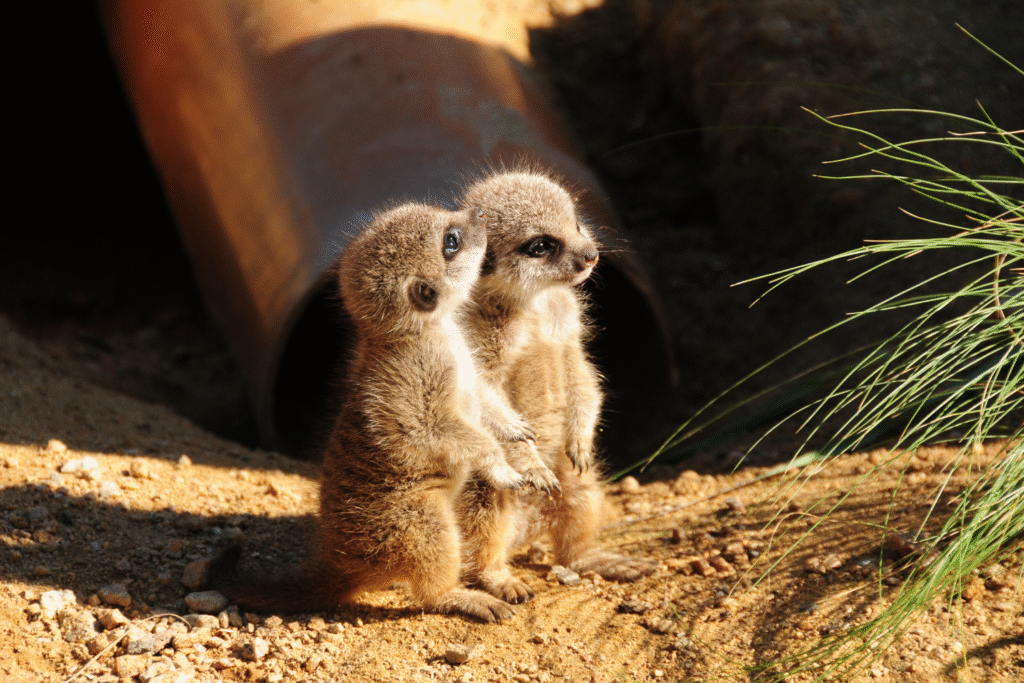
Training relies on senses rather than explanation. A pup feels the twitch of prey, smells venom, and associates sensation with caution. These cues lodge deeply, creating memory that persists when adults are absent.
Unlike simple imitation, this learning demands active engagement. Mistakes remain small and recoverable, allowing confidence to grow without trauma. Over time, pups approach threats calmly, guided by experience rather than instinct alone during repeated foraging sessions across arid plains of Botswana and Namibia in recent decades.
5. Adults deliberately withhold help at key moments.

An adult may pause just long enough for a pup to act. That hesitation creates space for decision making. The window is brief, but it teaches assessment under pressure rather than dependence.
Observers often mistake this for neglect, yet timing proves intentional. By stepping back, adults let pups experience consequence without catastrophe. The balance sharpens judgment quickly, especially during the first months above ground within communal burrow systems near seasonal rainfall zones of the Kalahari region still studied.
6. Teaching continues even during routine foraging trips.

Lessons are not confined to special sessions. While adults hunt beetles or lizards, pups shadow them and absorb cues. A sudden freeze or tail flick signals risk, turning ordinary moments into practice.
This constant exposure accelerates learning through repetition. Pups link movement patterns with outcomes, refining responses daily. By independence, reactions appear effortless, built from hundreds of small, guided encounters across dusty savanna landscapes where predators like eagles and jackals roam nearby year round today regionally.
7. Each pup receives personalized risk calibrated lessons.

Not all pups advance at the same pace. Bolder individuals meet challenges sooner, while cautious ones receive extended guidance. Adults track these differences silently, adjusting offerings without disrupting group cohesion.
Such customization reduces injury and boosts overall survival. It also preserves trust between generations. Pups learn that risk comes measured, not random, fostering confidence that carries into adulthood within cooperative societies spread across southern Africa where group success depends on shared vigilance constantly maintained today in wild populations broadly studied.
8. Mistakes are allowed but never allowed to escalate.

When a pup misjudges, adults intervene swiftly. A seized scorpion or sharp bark ends the attempt. The correction is immediate, preventing harm while preserving the lesson.
This safety net keeps fear from overwhelming curiosity. Learning remains adventurous yet bounded. Over weeks, pups show fewer errors, suggesting controlled failure strengthens understanding without eroding confidence during daily daylight hours near shared burrows where watchful sentinels guard constantly against approaching threats common to open desert environments still active today widely observed repeatedly now.
9. Social bonds deepen through shared controlled challenges.

Training doubles as social glue. Pups associate adults with guidance rather than dominance. This trust improves cooperation later, from babysitting to coordinated defense.
Groups with strong teaching bonds function smoothly under stress. Alarm calls prompt swift, unified response. The early lessons ripple outward, shaping the entire group dynamic across seasons marked by drought and sudden predator pressure common in arid ecosystems where cohesion often decides survival outcomes for many individuals together daily now observed consistently in studies regionally today ongoing.
10. Simulated danger prepares pups for real predators.

By adolescence, pups face genuine threats with composure. The earlier simulations translate into swift, appropriate responses. Escape routes, freezes, and attacks occur without hesitation.
What began as guided exposure becomes instinct refined by experience. Survival rates reflect that preparation. In a harsh landscape, this upbringing separates the quick learners from casualties across southern African deserts where predation pressure remains constant and mistakes often prove fatal quickly without early training provided by attentive adults daily within groups still thriving today regionally.