
Anxious speed meets unexpected calm companionship.
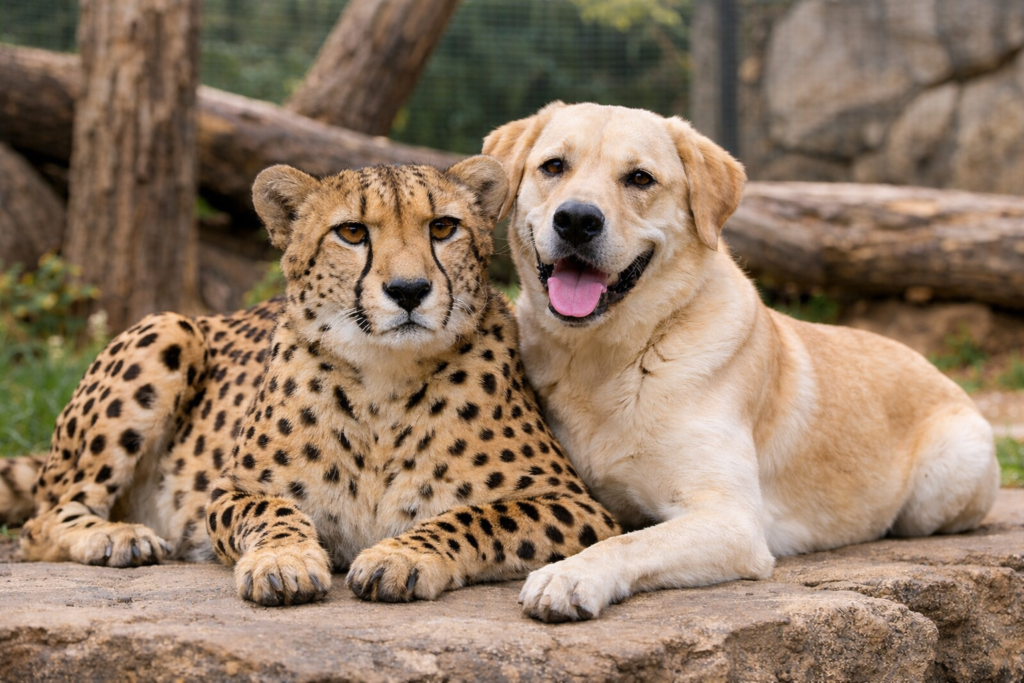
Cheetahs are built for speed but wired for caution. In captivity, their nervous systems often struggle more than their bodies. Zoos noticed early that stress interfered with breeding, feeding, and even basic movement. An unusual solution emerged slowly, pairing cheetahs with calm dogs to steady their emotions. What looks charming on the surface is rooted in biology, behavior, and careful observation.
1. Cheetahs evolved to flee danger not fight.

In the wild plains of eastern and southern Africa, cheetahs survive by avoiding conflict. They lack the strength to defend kills from larger predators, so constant vigilance is essential. That survival wiring never turns off.
In captivity, the same sensitivity becomes overwhelming. Loud noises, unfamiliar smells, or sudden movement trigger stress responses. According to National Geographic, cheetahs exhibit higher baseline anxiety than other big cats, which complicates breeding programs and daily care routines inside managed environments worldwide.
2. Captive environments amplify stress their biology expects.

Zoos are busy places filled with crowds, mechanical sounds, and confined sightlines. For an animal evolved to scan open horizons, that compression can feel threatening. Stress hormones rise quickly and linger longer.
Chronic stress suppresses reproduction and weakens immune function. As stated by the Smithsonian National Zoo, cheetahs in managed care historically showed poor breeding success linked directly to environmental anxiety, prompting institutions to rethink enrichment beyond physical space alone during the late twentieth century.
3. Dogs provide calm signals cheetahs instinctively follow.

Certain dog breeds radiate relaxed social cues through posture and breathing. Cheetahs, highly attuned to movement, mirror that calm without needing dominance or hierarchy. The effect is subtle but measurable.
Facilities noticed cheetahs walking more confidently and eating more regularly when paired with dogs. This approach gained traction after trials at wildlife centers in the United States, as reported by the San Diego Zoo Wildlife Alliance during early cheetah conservation breeding efforts.
4. Puppies are chosen for temperament not training.
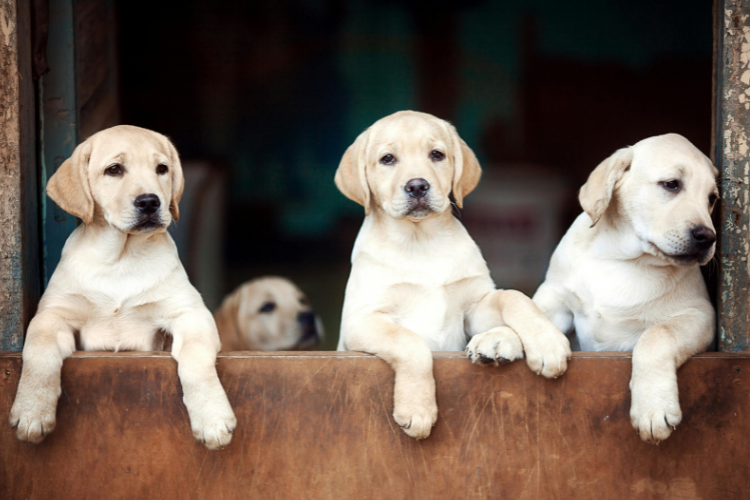
Not every dog qualifies for this role. Trainers select puppies with exceptionally calm dispositions and low reactivity. The goal is emotional consistency, not obedience performance.
Dogs are socialized carefully around cheetahs from a young age. This early exposure builds familiarity rather than excitement. Over time, the dog becomes a steady presence, offering predictable companionship that anchors the cheetah during transitions like veterinary exams or habitat changes.
5. Young cheetahs benefit most during development windows.
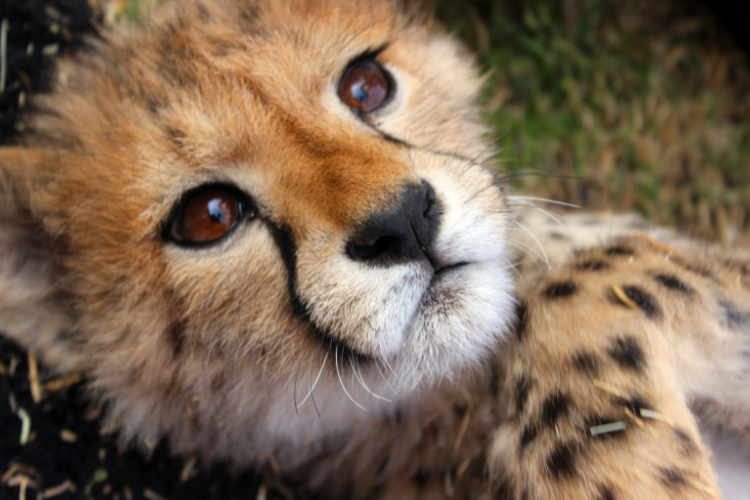
Cheetah cubs raised with canine companions show fewer stress behaviors as adults. Early emotional regulation shapes long term resilience. The pairing begins during adolescence when anxiety patterns first solidify.
Handlers report calmer exploration and improved focus during training walks. These formative experiences help cheetahs navigate human managed spaces later. The bond formed early reduces fear responses without dulling natural instincts needed for conservation breeding or reintroduction preparation programs worldwide.
6. Dogs help cheetahs navigate public facing spaces.

Public exhibits introduce unpredictable movement and noise. A calm dog walking nearby signals safety through body language alone. The cheetah reads that calm faster than human reassurance.
This support allows cheetahs to remain visible without distress. Reduced pacing and hiding behaviors improve welfare while supporting educational outreach. Visitors witness relaxed animals rather than stressed ones, reinforcing conservation messaging rooted in respect rather than spectacle across modern zoological institutions today.
7. Reduced stress directly improves breeding success rates.
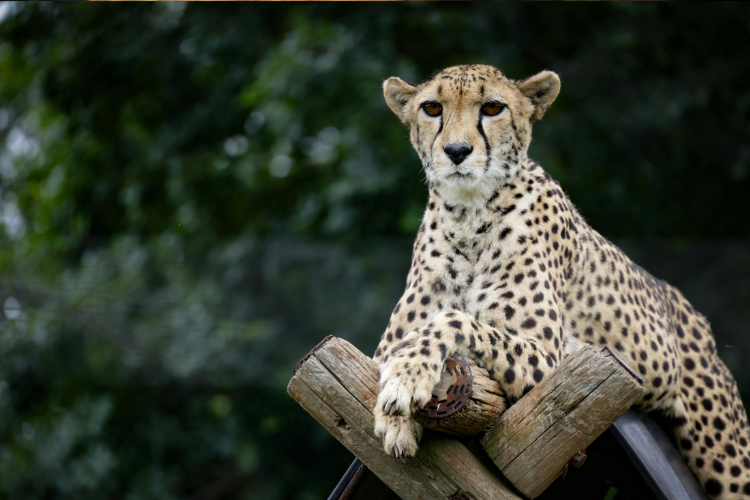
Stress interferes with hormone cycles essential for reproduction. When anxiety drops, fertility improves. Zoos saw measurable gains after implementing dog companionship programs.
More successful mating and healthier pregnancies followed. Cubs born to calmer parents showed better survival outcomes. Emotional stability proved as critical as genetic diversity, shifting how conservation programs evaluate habitat quality for sensitive species like cheetahs across global breeding networks now coordinated internationally.
8. The relationship works because neither feels threatened.
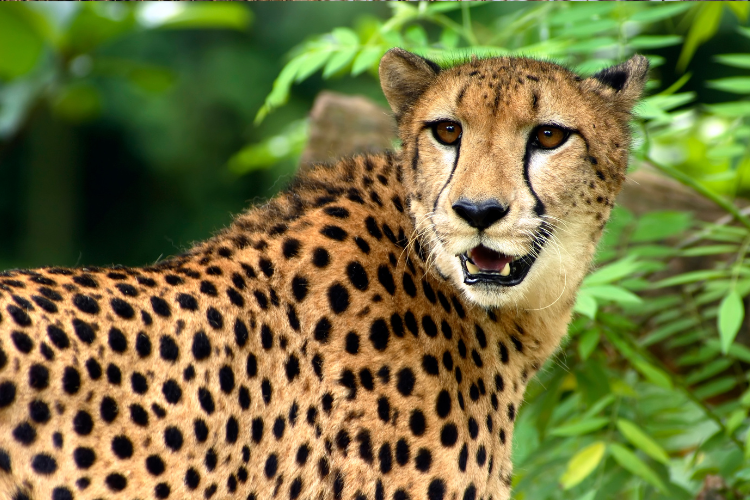
Dogs do not compete with cheetahs for dominance or resources. Their presence carries no social cost. That neutrality allows trust to form without tension.
Both species maintain autonomy while sharing space. The dog offers companionship without expectation. For cheetahs, that balance is rare and valuable, creating a unique interspecies relationship built on calm coexistence rather than control or dependency.
9. Emotional support reflects conservation adapting to behavior science.
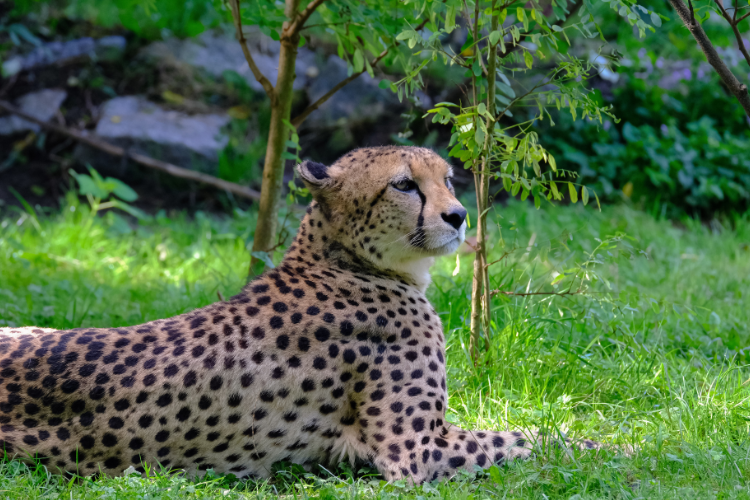
This practice marks a shift in how zoos address animal welfare. Emotional needs now receive equal weight alongside nutrition and enclosure design. Behavior science guides daily care.
Cheetah dog partnerships demonstrate that conservation succeeds when biology and psychology align. Supporting emotional health improves survival odds, proving that sometimes the most effective solutions come from understanding how animals feel, not just how they function.