
Early changes can prevent lifelong behavior damage.

Behavior problems rarely appear overnight. They grow quietly through missed signals, misunderstood needs, and well meaning habits that slowly backfire. Across homes, shelters, and training centers, the same patterns repeat. When stress responses go unchecked, they harden into routines. The good news is that timing matters. Addressing behavior early reshapes outcomes, strengthens trust, and often restores calm faster than people expect.
1. Barking escalates when unmet needs stack up.
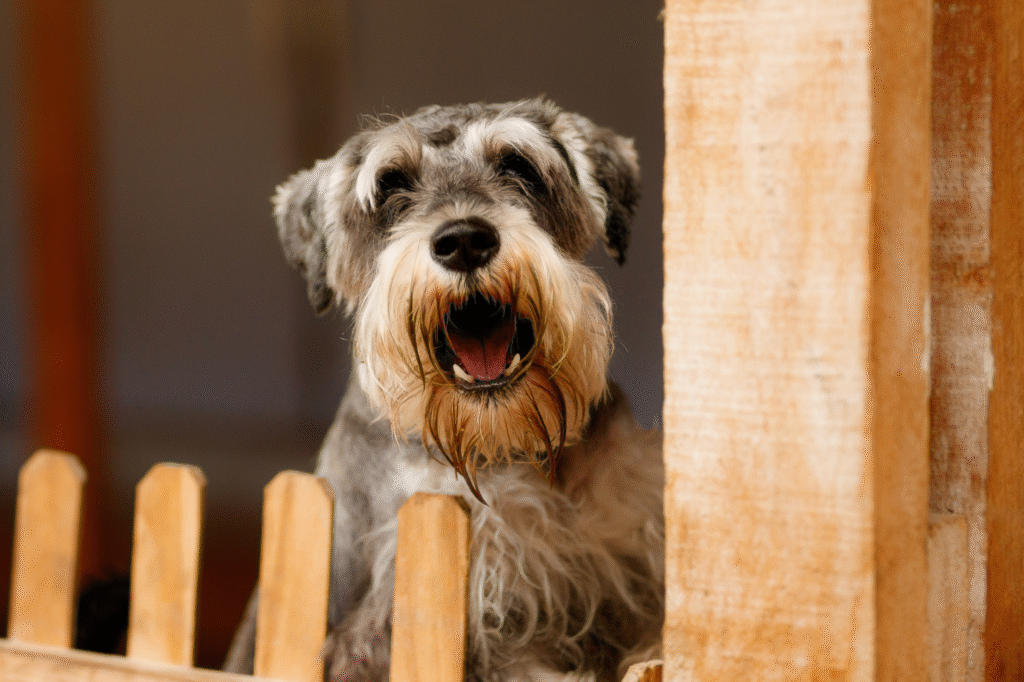
Excessive barking often reflects boredom, anxiety, or confusion rather than defiance. Dogs left without outlets for movement or mental engagement use sound to release pressure. The behavior intensifies when barking accidentally earns attention.
Reducing barking starts with structure. Daily walks, scent games, and predictable schedules lower baseline stress. According to the American Society for the Prevention of Cruelty to Animals, addressing underlying triggers works better than punishment, which often increases anxiety and vocalization.
2. Jumping persists because excitement never resets.

Jumping usually begins as friendly enthusiasm. Over time, inconsistent responses teach dogs that contact sometimes works. The behavior sticks because it releases energy quickly.
Change happens by removing the reward. Calm greetings and delayed attention retrain impulse control. As stated by the American Kennel Club, teaching an incompatible behavior like sitting during greetings reduces jumping more reliably than verbal corrections alone.
3. Leash pulling reflects frustration not stubbornness.
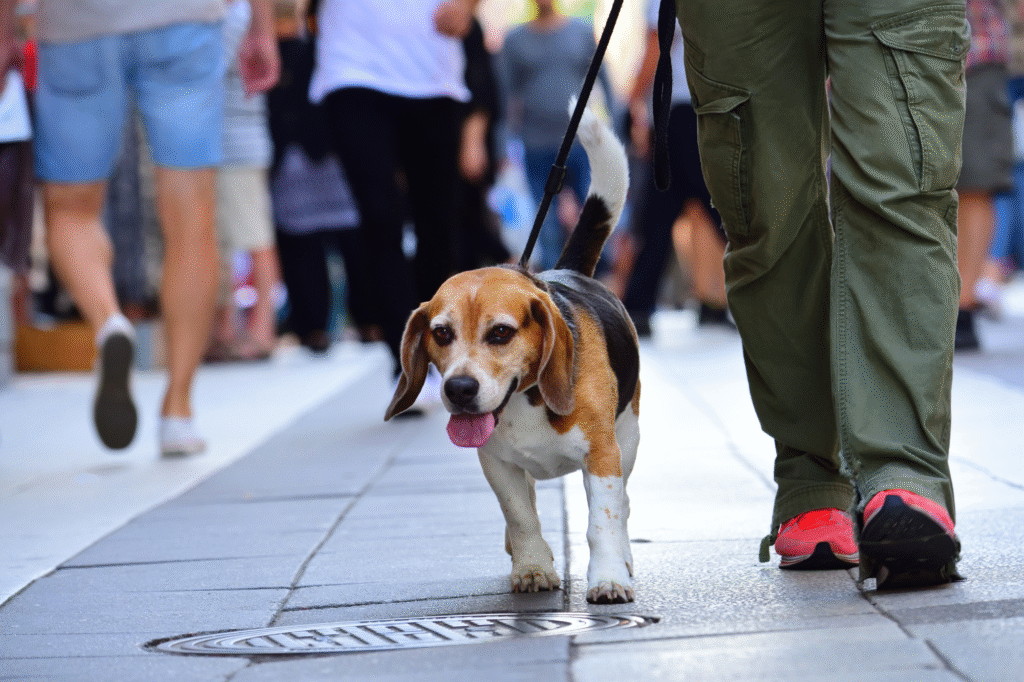
Pulling intensifies when dogs move faster than their handlers. Tight leashes create opposition reflex, increasing resistance and tension. Walks become battles instead of shared movement.
Loose leash walking improves when pace, direction, and rewards change. Short sessions with frequent turns teach attention. As reported by the American Veterinary Medical Association, stress reduction during walks lowers reactivity and improves learning retention in urban dogs.
4. Resource guarding grows when security feels uncertain.

Guarding food or toys signals fear of loss. Dogs that have experienced scarcity or inconsistent access protect what matters most. Early signs include stiff posture or hovering.
Building trust through predictable routines reduces guarding. Hand feeding, trade games, and calm proximity teach safety. Avoid confrontation, which deepens fear. Over time, consistent access reshapes expectations and softens defensive responses during daily interactions.
5. Separation anxiety worsens through accidental reinforcement.

Anxious dogs often panic when departures feel unpredictable. Emotional reunions and rushed exits heighten contrast, making absences feel catastrophic.
Gradual desensitization lowers distress. Practice short departures paired with neutral returns. Enrichment during alone time builds independence. Progress depends on repetition rather than reassurance, helping dogs learn that solitude is temporary and manageable within familiar spaces.
6. Destructive chewing signals excess energy or stress.

Chewing relieves tension and satisfies instinctual needs. When outlets disappear, furniture absorbs the damage. Punishment arrives too late to teach alternatives.
Redirect chewing by providing legal textures and rotating options. Increase exercise and problem solving games. Calm rest periods after activity help regulate arousal, reducing the urge to self soothe through destruction during quiet hours.
7. Fear based aggression emerges from ignored warnings.

Growling, freezing, or avoidance often precede snapping. When warnings go unheeded, dogs escalate. Fear based responses protect personal space.
Respect early signals. Increase distance from triggers and pair exposure with positive outcomes. Professional guidance helps reshape associations safely. Progress requires patience, ensuring the dog never feels trapped while learning that threats can pass without conflict.
8. House soiling returns when routines break down.

Regression often follows schedule changes, illness, or stress. Dogs rely on timing cues more than locations. Confusion invites accidents.
Reset success by returning to basics. Frequent breaks, supervision, and calm praise rebuild clarity. Avoid punishment, which increases secrecy. Consistency restores trust in the environment and reinforces predictable bathroom habits over time.
9. Pulling toward dogs reflects social uncertainty.

Not all lunging signals aggression. Many dogs pull because they lack social skills or feel conflicted. Leashes limit natural greeting patterns.
Increase distance and reward calm observation. Structured parallel walks reduce pressure. Over time, dogs learn that calm behavior maintains access, while pulling delays interaction. Confidence grows through controlled exposure rather than forced greetings.
10. Whining develops when communication feels ineffective.

Whining often begins as a request. When responses vary, dogs escalate volume and persistence. The habit strengthens through inconsistency.
Clarify communication by rewarding quiet behaviors. Anticipate needs through routine. Ignore demand whining while reinforcing calm signals. Over time, dogs learn that silence speaks louder than sound.
11. Chasing instincts intensify without safe outlets.
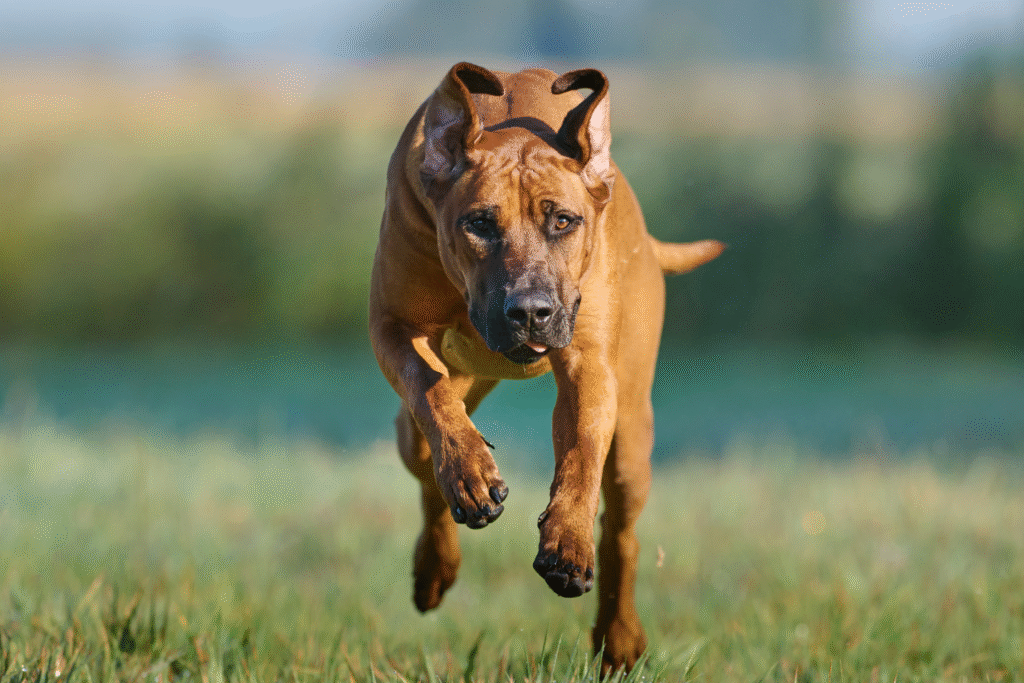
Movement triggers deeply wired responses. Cars, bikes, or wildlife activate chase patterns that feel rewarding.
Redirect instincts through structured games like fetch or scent work. Practice impulse control exercises near mild triggers. Management tools add safety while training builds alternatives, reducing risk during everyday encounters.
12. Withdrawal signals emotional overload rather than calmness.

A quiet dog is not always a relaxed one. Avoidance, hiding, or disengagement often reflect overwhelm. These signs go unnoticed easily.
Restore confidence by lowering pressure and offering choice. Gentle engagement and predictable routines rebuild trust. Progress appears gradually as curiosity replaces caution, revealing a dog that feels safe enough to participate again.