
Genetic data recalibrates timelines long taken for granted.
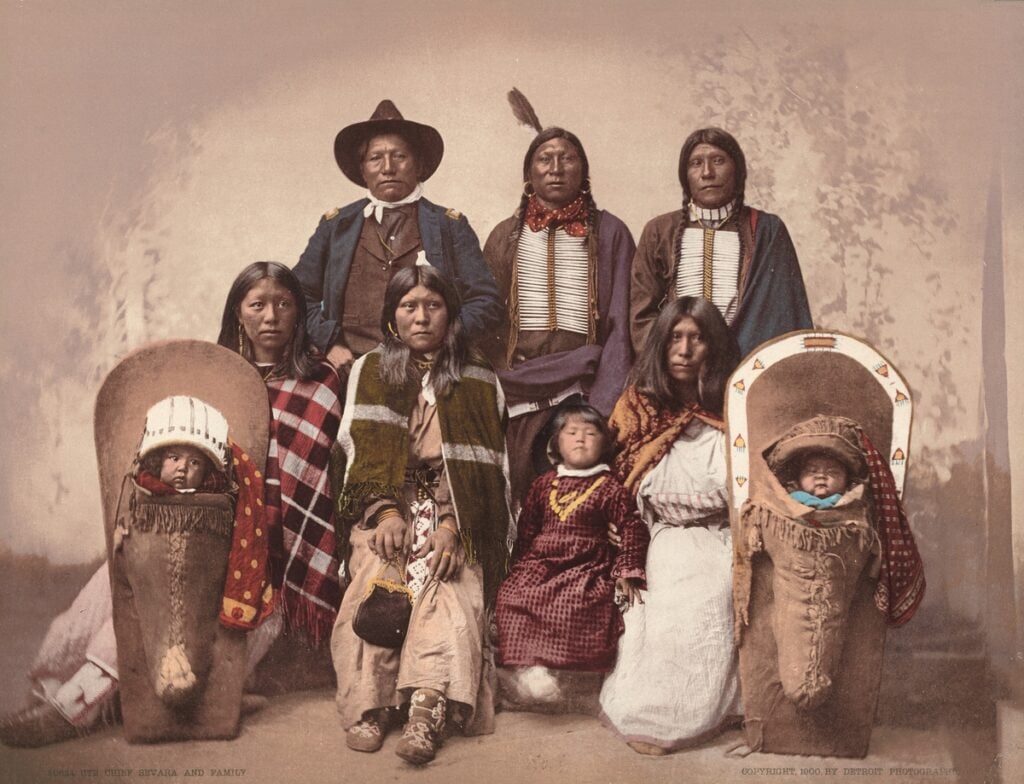
For much of the twentieth century, scientific models of Indigenous origins in the Americas were built on limited evidence and narrow assumptions. Migration was often dated late, routes were simplified, and archaeological findings that did not fit were treated cautiously or dismissed. Advances in ancient DNA analysis have changed the evidentiary landscape. Genetic material recovered from ancient remains now provides independent data that can be directly measured, compared, and replicated. These results do not rely on interpretation alone. They establish clearer minimum timelines and reveal population continuity that earlier methods could not resolve.
1. Genetic timelines now extend beyond earlier minimum dates.
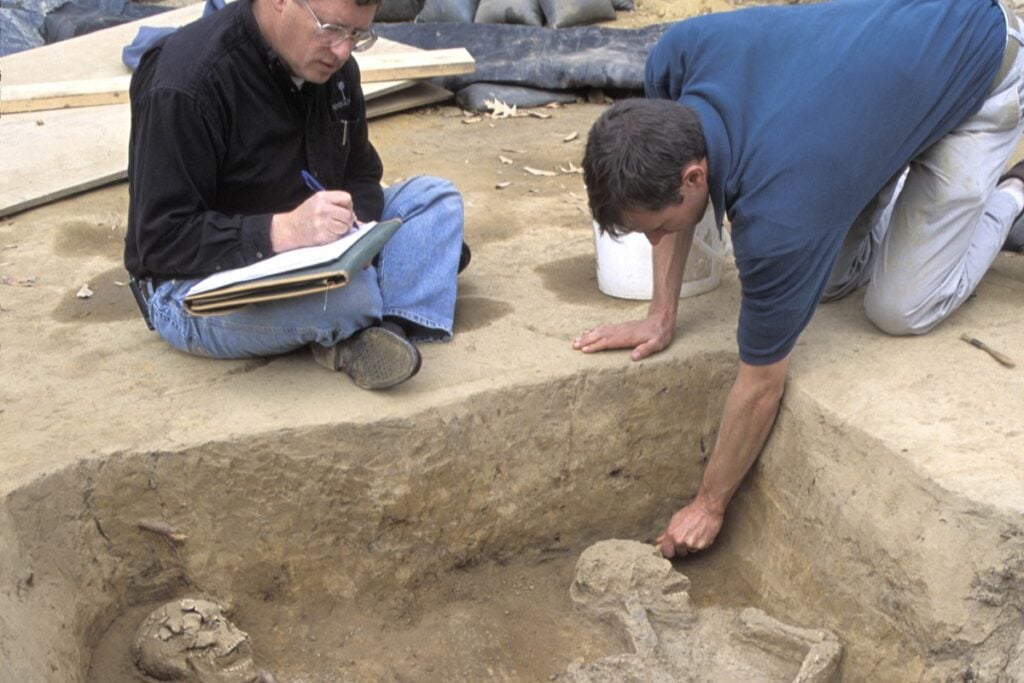
Ancient DNA recovered from human remains across North and South America demonstrates that Indigenous lineages were established by at least fifteen thousand years ago. Genome wide sequencing identifies stable genetic markers that persist across multiple individuals and sites, indicating long term population presence rather than isolated or short lived occupation. These results are based on directly dated remains and replicated analytical methods, reducing reliance on inference.
Multiple independent studies using mitochondrial and nuclear DNA place the earliest confirmed genetic divergence at or before this timeframe, according to Nature. The findings shift the minimum boundary of verified Indigenous presence earlier than many late twentieth century models allowed.
2. Single migration models conflict with genetic divergence patterns.
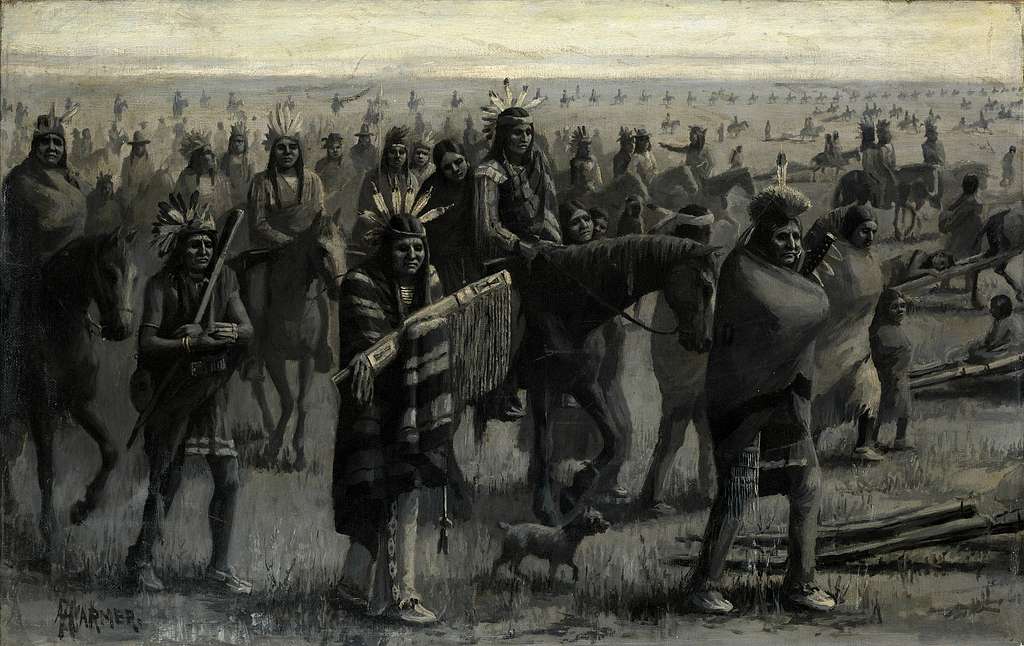
Earlier models emphasized a single population movement through an interior ice free corridor after glacial retreat. Genetic data now shows that population splits occurred earlier than the opening of that corridor. Distinct lineages diverged while continental ice sheets still restricted interior movement, indicating that additional routes must be considered.
Genome comparisons reveal branching patterns inconsistent with a single late entry, as reported by Science. These results align with environmental reconstructions showing that coastal migration routes were ecologically viable earlier than interior pathways, providing a better match to observed genetic structure.
3. Genetic continuity links ancient individuals to living communities.
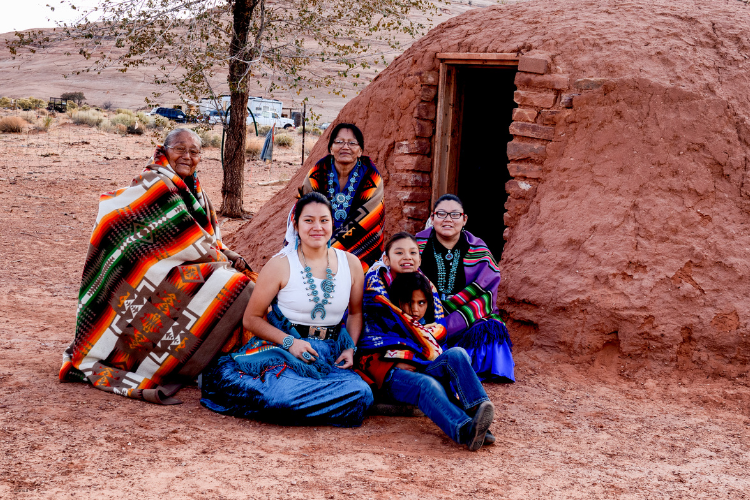
Ancient genomes recovered from sites across the Americas show measurable genetic continuity with present day Indigenous populations. Rather than indicating population replacement or disappearance, the data demonstrates inheritance across thousands of years. This continuity is identified through shared haplogroups and autosomal markers that persist across time.
Comparative analyses between ancient remains and living Indigenous genomes confirm these relationships, as stated by the Smithsonian Institution. The results establish long term population persistence and challenge earlier narratives that proposed widespread replacement or extinction events.
4. Reassessment of early archaeological sites followed genetic evidence.
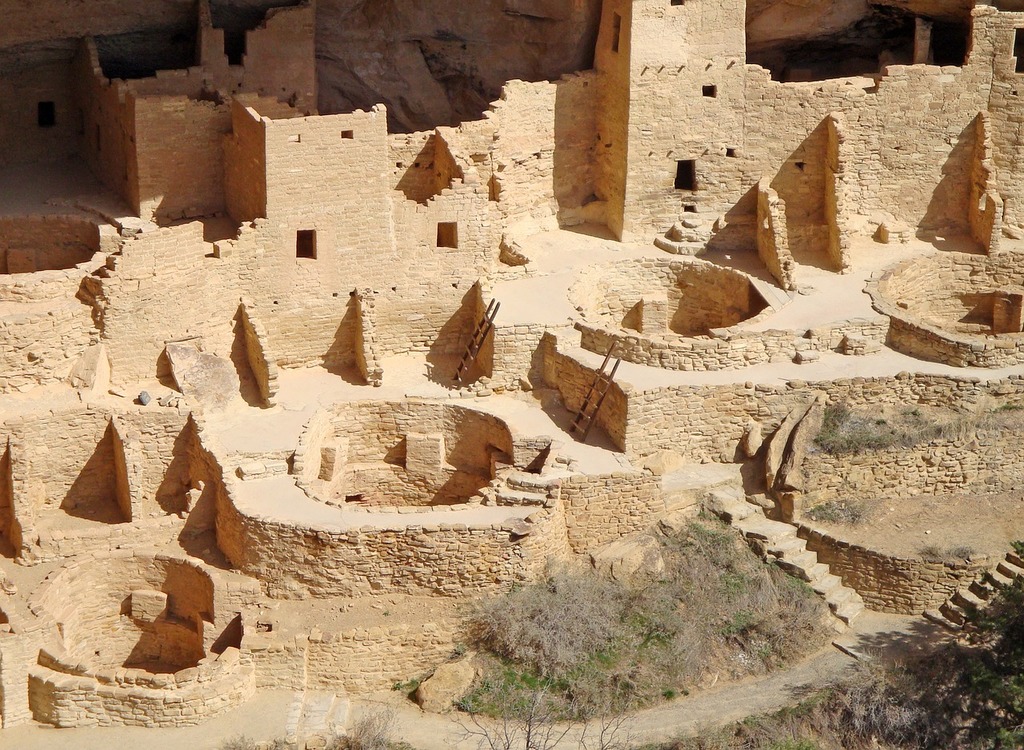
Many archaeological sites suggesting early human presence were previously questioned due to dating uncertainty or methodological limits. Genetic data has provided an independent line of evidence that supports earlier occupation timelines. This has prompted renewed examination of sites once considered marginal or anomalous.
The reassessment process shows how reliance on limited dating tools influenced earlier conclusions. Genetics has not replaced archaeology but strengthened it, allowing multiple forms of evidence to be evaluated together rather than in isolation.
5. DNA reveals early population structure across regions.
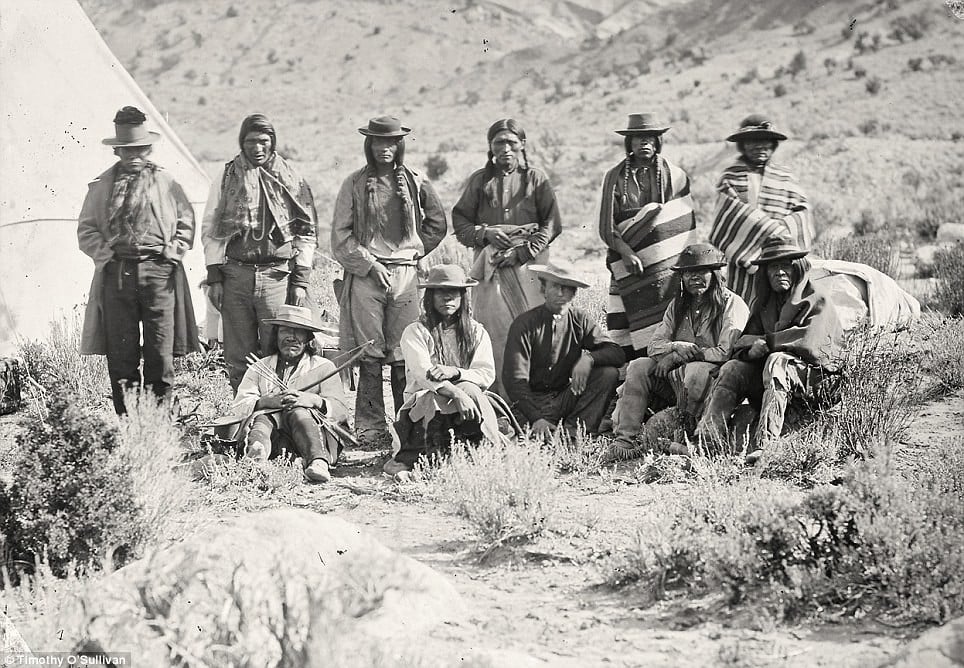
Genetic variation observed among ancient individuals indicates regional differentiation occurring relatively soon after initial settlement. Populations adapted to distinct environments, and those adaptations are reflected in measurable genetic differences. This pattern suggests long term residence within regions rather than continuous movement.
Such structure requires time to develop and maintain. The data supports a model in which communities established stable territories and social continuity, rather than transient occupation across a uniform landscape.
6. Genetic adaptation reflects prolonged environmental exposure.

Ancient DNA contains markers associated with adaptation to cold climates, high altitude environments, and regional diets. These traits arise through long term selective pressures rather than short term exposure. Their presence in ancient genomes indicates sustained occupation across varied environments.
These adaptations correspond with known Ice Age conditions and ecological zones. Genetic evidence therefore complements archaeological and paleoenvironmental data, reinforcing conclusions about long duration habitation.
7. Methodological advances corrected earlier analytical limits.

Earlier population models relied heavily on tool typology, site distribution, and radiocarbon dating alone. While valuable, those approaches could not directly measure biological relationships. Ancient DNA analysis now provides that capability, allowing researchers to test hypotheses about ancestry and continuity directly.
This methodological shift explains why earlier conclusions were limited. It reflects technological constraints rather than deliberate oversight, underscoring how scientific understanding evolves with improved tools.
8. Ethical collaboration reshaped genetic research frameworks.

Modern ancient DNA research increasingly incorporates consultation and consent from Indigenous communities. Many studies now operate under agreements governing sampling, data use, and interpretation. This approach reflects both ethical standards and scientific best practice.
Community involvement improves accuracy by providing historical and cultural context. It also ensures that genetic findings are not separated from living populations connected to the data.
9. Scientific revision followed accumulation of consistent evidence.
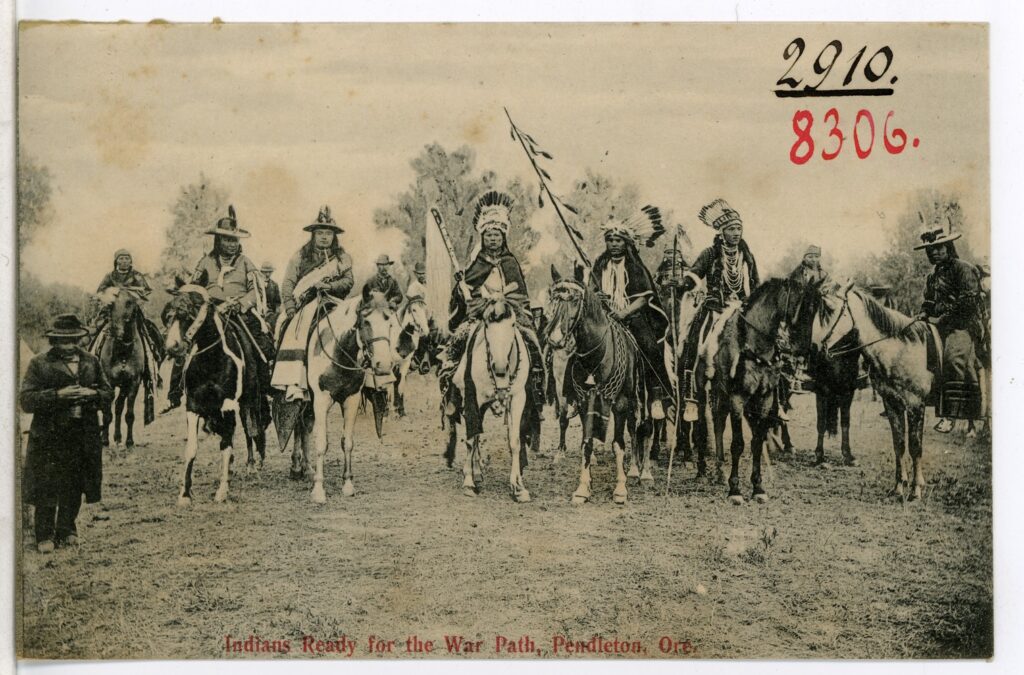
The shift in accepted timelines did not occur abruptly. It followed years of accumulating genetic results from multiple regions and laboratories. Converging evidence reduced uncertainty and prompted reassessment of earlier models.
This process reflects standard scientific practice. Conclusions were revised as new data met thresholds for replication and consistency, not through narrative pressure or speculation.
10. Genetic findings confirm depth rather than redefine identity.
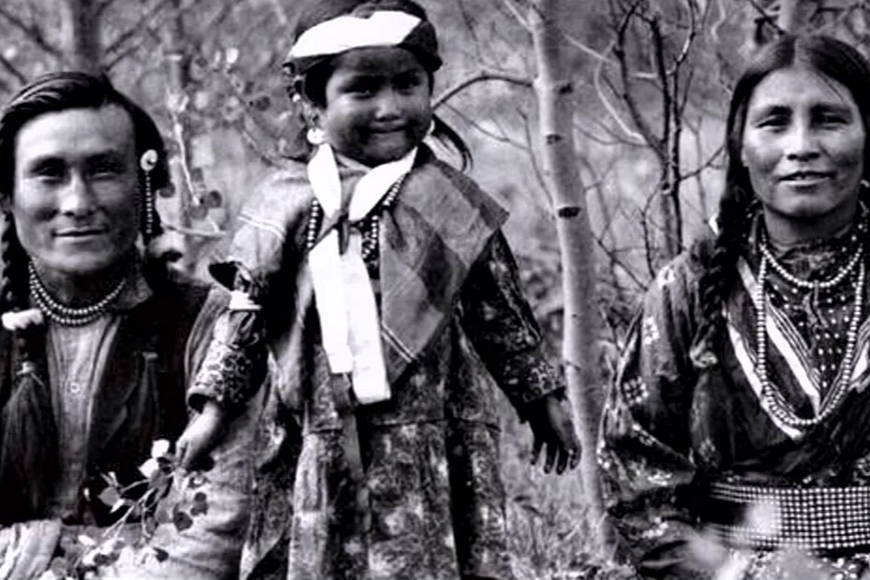
The extended genetic timeline does not redefine Indigenous history. It establishes minimum dates for presence based on measurable biological evidence. These findings confirm long term occupation and continuity without assigning cultural interpretation beyond what data supports.
By grounding conclusions in genetic measurement, research now aligns timelines with demonstrable evidence. The result is a clearer, more accurate framework that remains anchored in verifiable data from beginning to end.