
High energy dogs test patience and living spaces.

Some dogs unravel quietly when their physical and mental needs go unmet, and the damage often shows up in chewed trim, shredded cushions or ruined floors. These behaviors are rarely about bad temperament. They reflect unmet instincts shaped by breeding history, daily stimulation and confinement. In homes across the United States, these patterns repeat most often with certain breeds whose energy and intelligence demand far more engagement than many households expect.
1. Border Collies unravel fast without daily mental work.

Border Collies were developed to manage livestock for hours without rest, and their brains expect constant tasks. When left idle indoors, they invent jobs using furniture, doors and baseboards. Destructive behavior often begins within the first year of life when stimulation drops, according to American Kennel Club working dog research.
Chewing, obsessive pacing and wall scratching usually signal boredom rather than aggression. Owners who reduce daily training or enrichment often see rapid escalation. Without consistent outlets, their intelligence becomes a liability inside enclosed spaces.
2. Siberian Huskies turn isolation into full scale chaos.

Bred to run long distances in harsh environments, Siberian Huskies struggle with confinement. When left alone too long, many vocalize, dig through drywall or destroy door frames trying to escape, as stated by Humane Society of the United States behavioral reports.
Their independence compounds the issue. Traditional obedience does not satisfy their need for movement and exploration. Without intense daily exercise, the house becomes a substitute landscape for pent up energy, often leaving visible damage behind.
3. Belgian Malinois push limits when engagement drops suddenly.

Belgian Malinois thrive on structured work and fast paced training. When that structure disappears, frustration builds quickly and often targets household objects. Chewing and shredding tend to spike during adolescence, as reported by American Veterinary Medical Association working dog behavior analyses.
Because they bond tightly to routine, sudden schedule changes amplify stress. Many owners underestimate how little downtime these dogs tolerate. Without continuous engagement, destruction becomes an outlet for unresolved drive.
4. Jack Russell Terriers dismantle rooms through relentless curiosity.

Small size hides a powerful hunting drive. Jack Russells investigate everything, often using teeth and paws to access hidden spaces. Cabinets, couch seams and carpet edges rarely survive prolonged boredom.
Their alertness never truly switches off. When mental stimulation drops, exploration turns destructive. Daily play that mimics hunting behavior often prevents damage, but without it the home becomes a puzzle waiting to be dismantled piece by piece.
5. Australian Shepherds convert anxiety into physical destruction.

Australian Shepherds crave structure and involvement. When isolated or under exercised, anxiety surfaces through chewing, digging or door scratching. The behavior intensifies in young adults transitioning out of puppyhood.
Many owners misinterpret this as rebellion. In reality, the dog is attempting to self regulate stress. Homes without consistent routines or enrichment often see escalating damage that mirrors the dog’s rising internal tension.
6. Weimaraners collapse emotionally when left unstimulated indoors.

Weimaraners form intense bonds and struggle with separation. Without frequent interaction, they may tear through cushions, blinds or bedding within hours. The behavior often begins shortly after owners return to work schedules.
Their need for proximity fuels anxiety driven destruction. Without enough physical outlets and reassurance, household objects absorb the emotional overflow. The damage usually worsens rather than fades without intervention.
7. Labradors chew compulsively when energy remains unmet.

Despite their friendly reputation, Labradors retain strong retrieving instincts that require regular activity. When under exercised, many redirect energy toward furniture, shoes or walls.
Young Labradors are especially prone to prolonged chewing phases. Without adequate physical and mental outlets, the behavior persists well past puppyhood. The damage often surprises owners who expected an easygoing companion.
8. German Shepherds express frustration through targeted destruction.
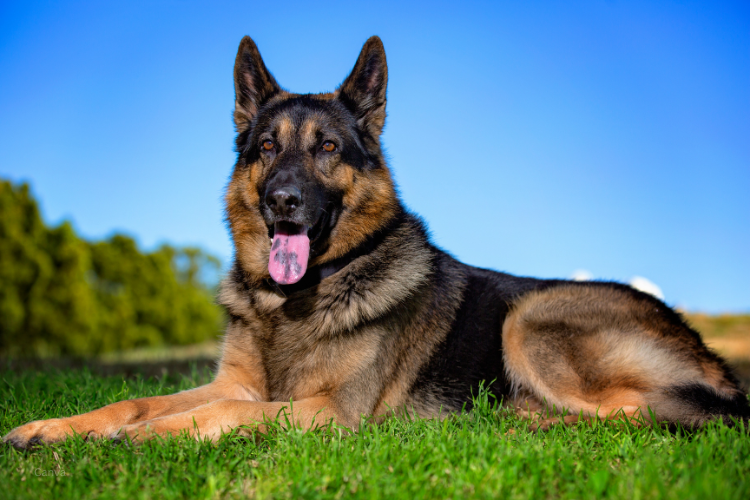
German Shepherds are highly sensitive to changes in environment and routine. When stimulation decreases, they often focus on specific exit points like doors or windows.
This behavior reflects protective instincts mixed with anxiety. Without structured training and daily tasks, frustration builds and releases through destruction. The pattern appears most often in adolescent dogs adjusting to reduced engagement.
9. Dalmatians unravel fast in low stimulation homes.

Originally bred to run alongside carriages, Dalmatians possess endurance that modern households rarely satisfy. When confined without outlets, they pace, chew and shred available materials.
The destruction often appears sudden but follows weeks of unmet exercise needs. Without daily running or mental work, their restlessness transforms into physical damage that escalates quickly.
10. Boxers release excess energy through chaotic play indoors.

Boxers mature slowly and retain puppy like energy well into adulthood. Without daily physical engagement, they turn household items into play objects.
Jumping, grabbing and chewing often occur during unsupervised periods. The behavior reflects surplus energy rather than defiance. Without structured outlets, their enthusiasm spills into destruction across living spaces.
11. Vizslas struggle deeply with boredom and emotional neglect.

Vizslas bond intensely and require near constant interaction. When left unstimulated, they often destroy soft furnishings, bedding and personal items.
Their sensitivity amplifies stress responses. Destruction tends to coincide with loneliness rather than excess energy alone. Without daily engagement, the home absorbs the emotional cost of unmet attachment needs.