
Subtle behaviors often reveal discomfort before injuries surface.

Horses rarely show pain the way people expect, especially in familiar barns and pastures. Subtle shifts in posture, expression, and routine often carry the real story. Across working ranches, sport barns, and backyard setups, missed signals delay care. Learning to notice these quiet warnings helps owners respond sooner, reducing suffering and preventing small problems from becoming long, costly recoveries later.
1. Facial tension appears before obvious lameness develops.

Tightened lips, pinned ears, and strained eyes can surface during grooming or riding. These micro expressions often fade quickly, which is why they are dismissed. Research using the equine grimace scale linked these changes directly to pain responses in horses.
Veterinarians encourage watching the face during routine handling, according to American Association of Equine Practitioners guidance. When expressions change under light pressure, discomfort is already present. Catching this early often prevents performance decline and secondary injury in active riding horses.
2. Changes in appetite quietly track chronic discomfort.
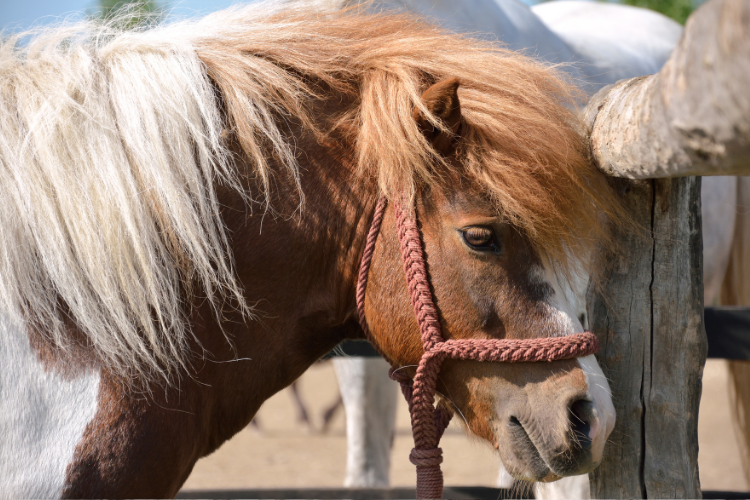
Pain often dulls interest in feed long before weight loss appears. Horses may leave grain, chew slowly, or avoid hay nets at head height. These patterns are common with dental, gastric, or musculoskeletal pain especially during busy training seasons locally.
Owners frequently attribute skipped meals to mood or heat. Clinical reviews show appetite shifts often precede diagnosis, as reported by UC Davis School of Veterinary Medicine, highlighting how early feeding changes mirror underlying discomfort in stabled performance horses worldwide today.
3. Altered stride length signals more than stiffness.

Shortened steps, uneven rhythm, or reluctance to turn often appear subtly at first. These changes may only surface on one rein or specific footing, leading owners to overlook them during casual observation sessions at home barns and outdoor arenas alike.
Persistent gait changes reflect pain adaptation rather than laziness, according to Merck Veterinary Manual explanations of equine lameness. The body compensates until strain spreads elsewhere, making early intervention far more effective than waiting for clear head bobbing signs later on.
4. Reluctance to lie down reveals ongoing distress.

Horses need deep rest for muscle repair, yet pain makes lying down risky. Animals with joint, hoof, or abdominal discomfort often remain standing overnight, choosing fatigue over the difficulty of rising again in familiar stalls during colder seasonal weather periods.
Over time, sleep deprivation worsens soreness and behavior. Owners may notice dull eyes or slower reactions by morning. Tracking bedding marks and overnight posture offers insight into pain levels without special equipment or constant overnight monitoring in busy barns daily.
5. Unusual aggression often masks physical discomfort pain.

Sudden ear pinning, biting during grooming, or resistance to saddling frequently stems from pain. Horses defending sore areas react preemptively, especially when handled in predictable routines that normally cause no issue for them previously without stress or fear cues present.
Labeling this behavior as attitude delays treatment. Once pain is addressed, temperament often normalizes quickly. Noting when aggression appears helps pinpoint triggers tied to specific movements or touch during daily care sessions at barns and training facilities nationwide today routinely.
6. Subtle weight shifting indicates localized soreness early.
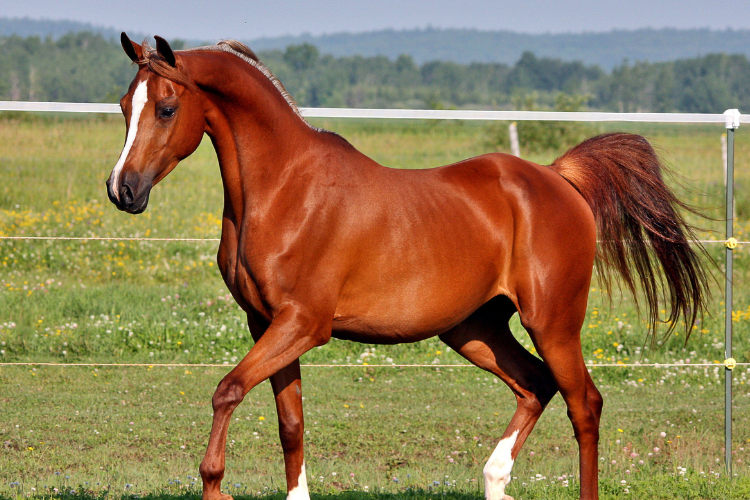
Horses redistribute weight to protect painful limbs or hooves. This may look like resting one foot constantly or rocking between legs while standing quietly during long grooming sessions or while waiting at cross ties in busy stable aisles often unnoticed.
Over time, compensation strains other joints and muscles. Owners who notice uneven hoof wear or shifted stance should consider pain rather than habit as the driver behind these adjustments across seasons and varying footing conditions at home paddocks alike daily.
7. Reduced grooming reflects internal discomfort building gradually.

Healthy horses groom regularly to maintain skin and circulation. Pain shifts priorities, causing dull coats or patchy grooming patterns. Reaching sore areas becomes difficult, especially along the back or flanks during colder mornings or after work sessions in training barns.
Owners often attribute coat changes to shedding or diet. When grooming declines alongside behavioral changes, discomfort should rise on the list of concerns needing closer evaluation by experienced handlers and attentive caregivers at all riding levels throughout the year consistently.
8. Performance inconsistency signals pain before obvious failure.
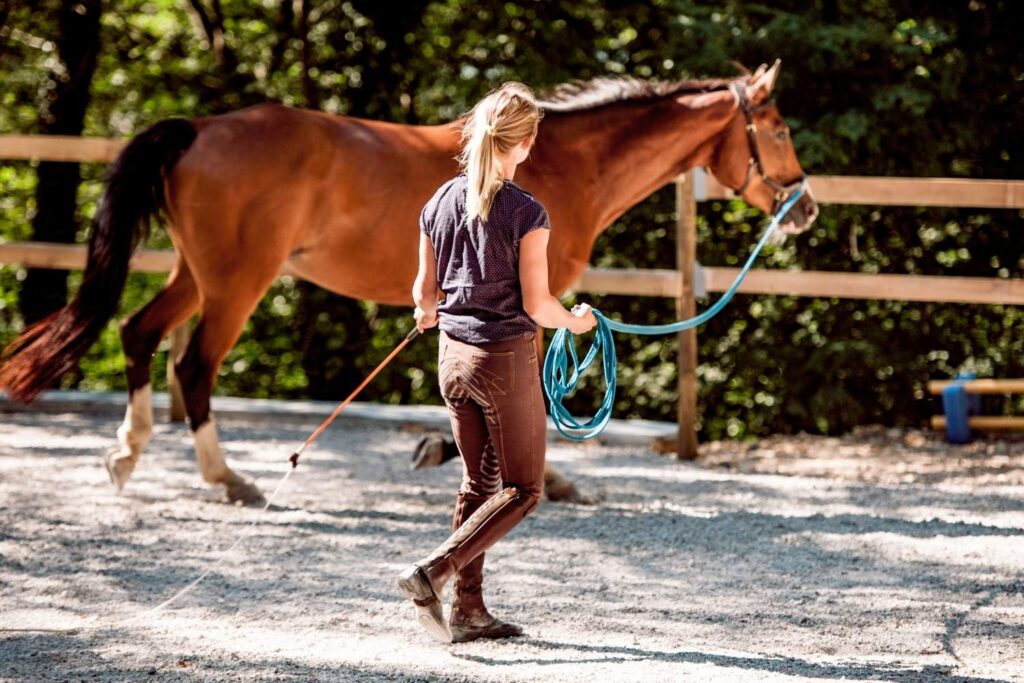
Horses in pain may perform well one day and poorly the next. Inconsistency often appears during transitions, collection, or downward movements requiring strength and flexibility under saddle in schooling rings or competition arenas during training weeks routinely observed by riders.
Because results fluctuate, pain hides behind excuses like footing or focus. Tracking patterns across sessions reveals discomfort trends that single rides cannot show clearly to thoughtful owners watching closely during rides and groundwork sessions across seasons and conditions consistently.
9. Breathing patterns change subtly during painful episodes.
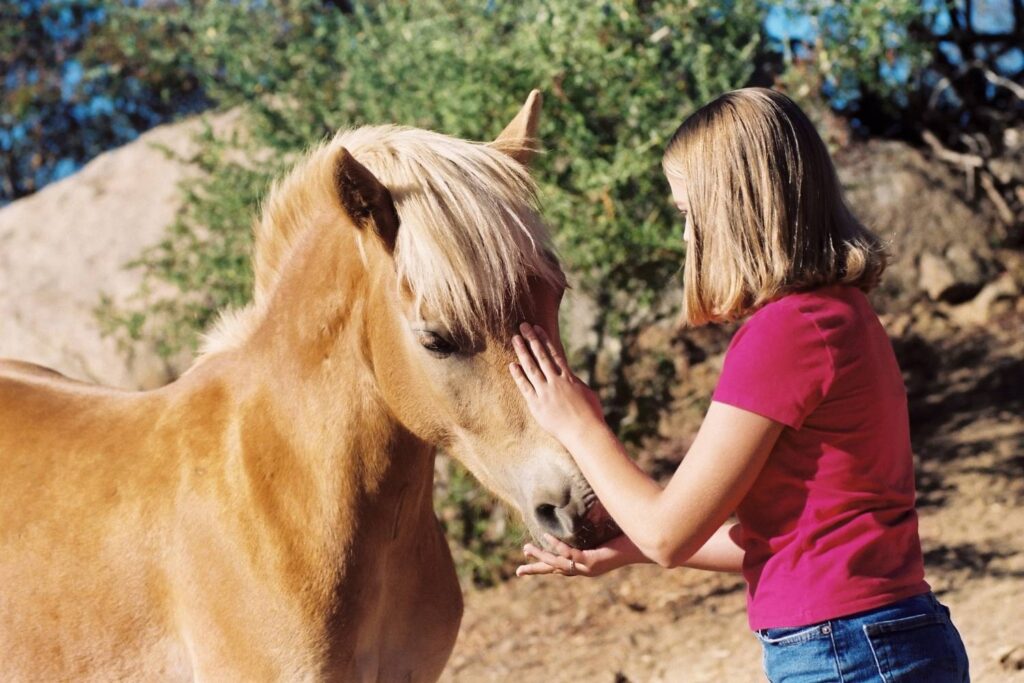
Pain influences respiration through stress and muscle tension. Horses may breathe shallowly or hold their breath during tasks that previously felt easy such as mounting, turning, or backing in quiet arenas or confined spaces at home barns during lessons often.
These changes often disappear at rest, making them easy to miss. Observing breathing during work offers clues about discomfort that gait alone may not reveal to thoughtful owners watching closely during rides and groundwork sessions across seasons and conditions consistently.
10. Quiet withdrawal marks pain in stoic horses.

Some horses respond to pain by becoming inward and still. They stand away from herd mates, reduce interaction, and seem emotionally distant during turnout hours in familiar paddocks or group pastures where engagement once appeared relaxed and social daily before.
Because there is no drama, this pain is overlooked. Withdrawal often resolves once discomfort is treated, reminding owners that silence can signal serious issues even in calm horses with reliable temperaments at busy boarding facilities and private farms alike everywhere.