
Loss alters pack life in quiet measurable ways.
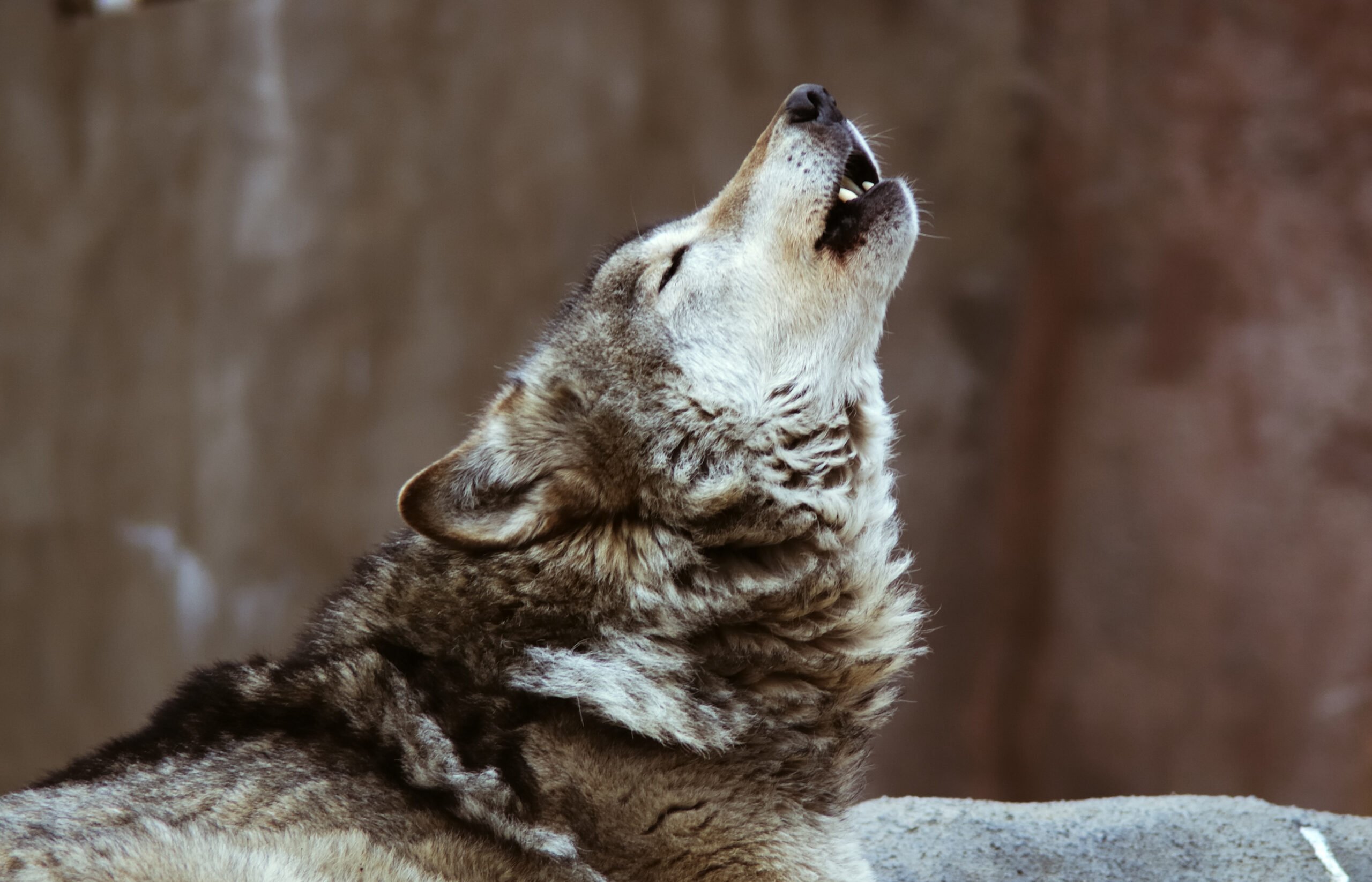
Across North America and Eurasia, biologists tracking wolf packs have documented something unexpected when a pack member dies. The group does not simply move on. Movement patterns change, vocalizations shift, and routines fracture in ways that suggest loss is processed, not ignored. These responses unfold over days or weeks, leaving researchers carefully observing behaviors that still resist clean scientific explanation.
1. Wolves often remain near the body unusually long.
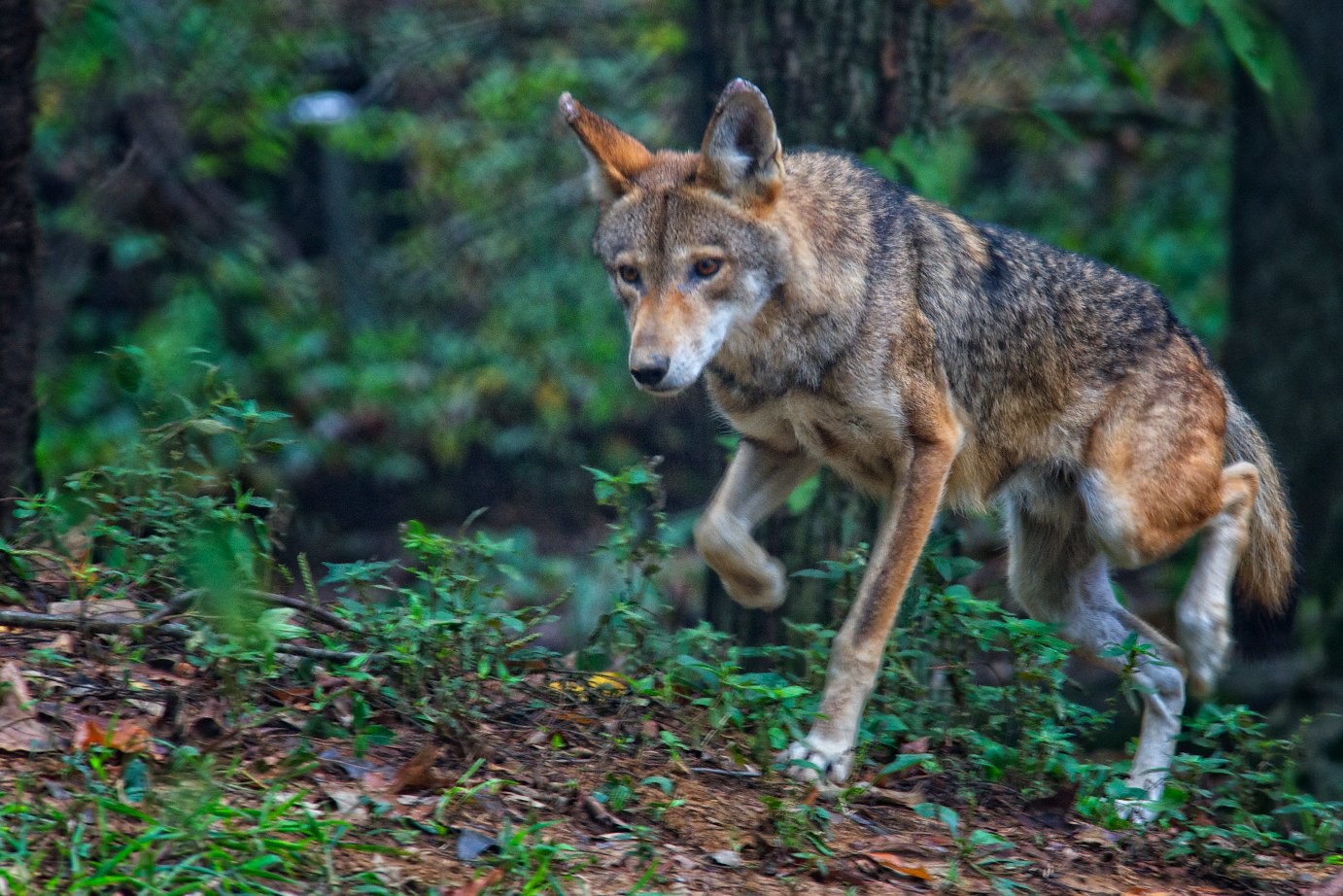
When a pack member dies, wolves frequently linger at the site instead of dispersing immediately. Field researchers in Yellowstone and Scandinavia have observed wolves lying near the body or pacing the area for hours, sometimes returning repeatedly after leaving. This behavior has been documented during radio collar tracking studies, according to National Park Service observations from Yellowstone wolf monitoring programs.
The lingering delays hunting and travel. Pups and adults alike appear subdued, moving less and vocalizing softly. The risk of predators or human disturbance remains, yet the pack stays. That choice suggests the moment holds meaning beyond survival efficiency alone.
2. Vocalizations shift into prolonged low toned howling.
After a death, packs often produce long sustained howls that differ from territorial calls. These vocalizations are lower, slower, and repeated over several nights near den or kill sites. Acoustic studies have noted changes in call structure following pack losses, as reported by International Wolf Center research summaries.
These howls travel farther and last longer than typical communication. Nearby packs sometimes respond, yet the mourning pack does not engage aggressively. Instead, the calls seem to function inwardly, reinforcing cohesion during instability rather than asserting dominance over territory.
3. Daily movement patterns temporarily lose clear direction.

GPS data shows that packs experiencing a loss often abandon established travel routes. Instead of purposeful loops tied to hunting grounds, wolves wander shorter distances with frequent stops. This disruption has been identified in long term telemetry studies across Canada and Alaska, as discovered by University of Minnesota wolf research teams.
The disorganization can last several days. Hunting success drops, and rest periods increase. Eventually routes stabilize again, though often altered. The period of aimless movement suggests more than confusion, reflecting a recalibration of social roles after the loss.
4. Pack hierarchy softens rather than snapping into place.
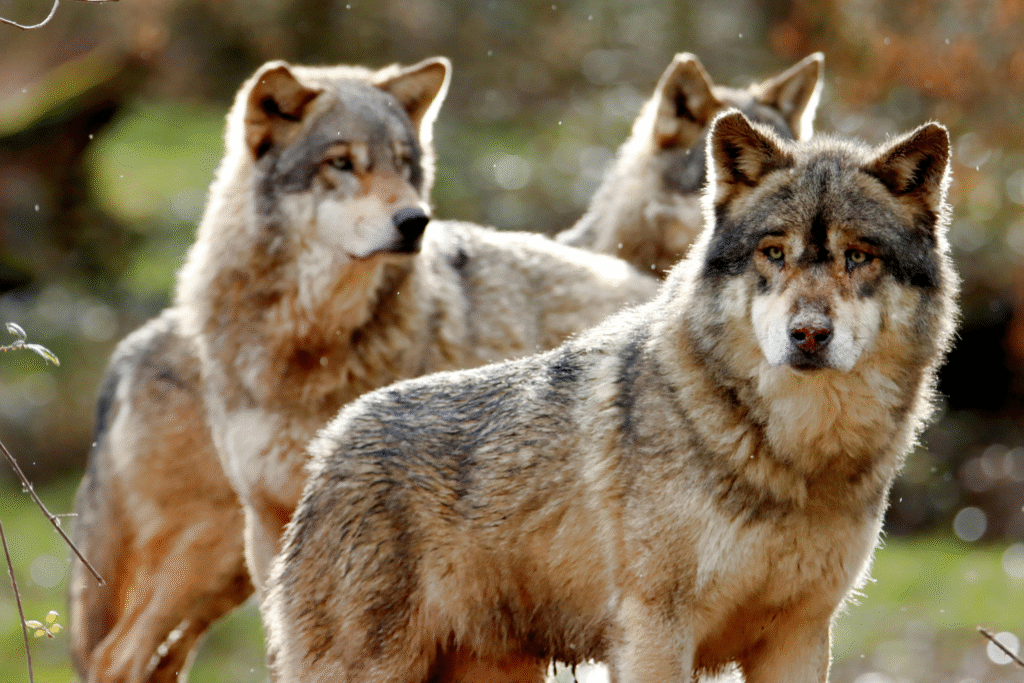
Dominant wolves do not immediately assert control following a death. Instead, interactions become restrained. Growling decreases, body language softens, and rank disputes pause. Observers note fewer dominance displays during this window.
This restraint reduces conflict while the group adjusts. It contrasts with expectations that hierarchy would need rapid reestablishment. The temporary calm hints that wolves prioritize stability over authority immediately after losing a member.
5. Pups receive increased physical contact after losses.

Following the death of an adult, especially a breeder, pups are groomed more frequently. Adults sleep closer together and maintain tighter group formations. This behavior has been observed in both wild and reintroduced populations.
The increased contact may regulate stress hormones or reinforce safety. Pups appear quieter during this period, staying close to adults rather than exploring. The shift suggests an awareness of vulnerability within the group during times of instability.
6. Feeding behavior becomes hesitant and irregular.

Even when prey is available, wolves sometimes delay feeding after a loss. Carcasses may go untouched for hours. When feeding begins, it is slower and less competitive than normal.
This pause increases risk from scavengers, yet the pack tolerates it. The change hints that appetite is suppressed or overridden by other internal states. Once feeding resumes normally, the pack’s efficiency gradually returns.
7. Familiar scent marking patterns temporarily decline.
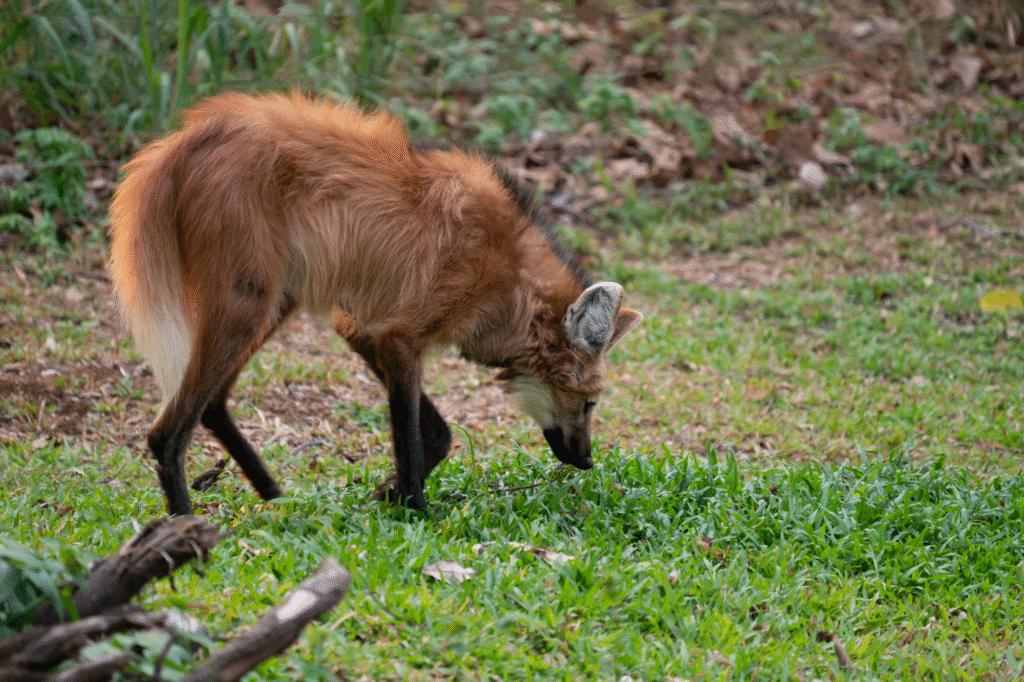
Wolves regularly mark territory to reinforce boundaries. After a pack death, scent marking drops noticeably. Tracks show fewer deliberate markings along trails and borders.
This pause reduces territorial signaling, potentially inviting intrusion. Yet neighboring packs often do not immediately capitalize. The decline may reflect inward focus rather than environmental awareness during mourning periods.
8. Some wolves avoid previously shared resting sites.
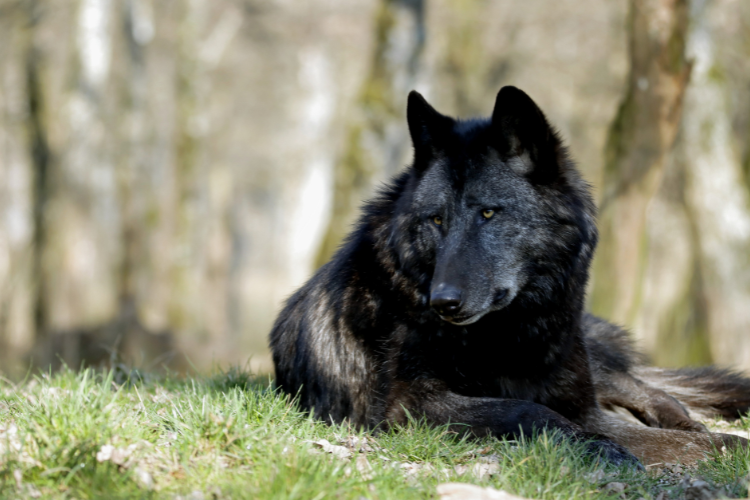
Beds or den areas associated with the deceased are sometimes abandoned. Packs shift resting locations even when the site remains safe and practical.
The avoidance can persist for weeks. Eventually new sites are integrated into routines. The abandonment suggests memory tied to place, influencing movement decisions beyond immediate survival needs.
9. Surviving mates alter social bonds dramatically.
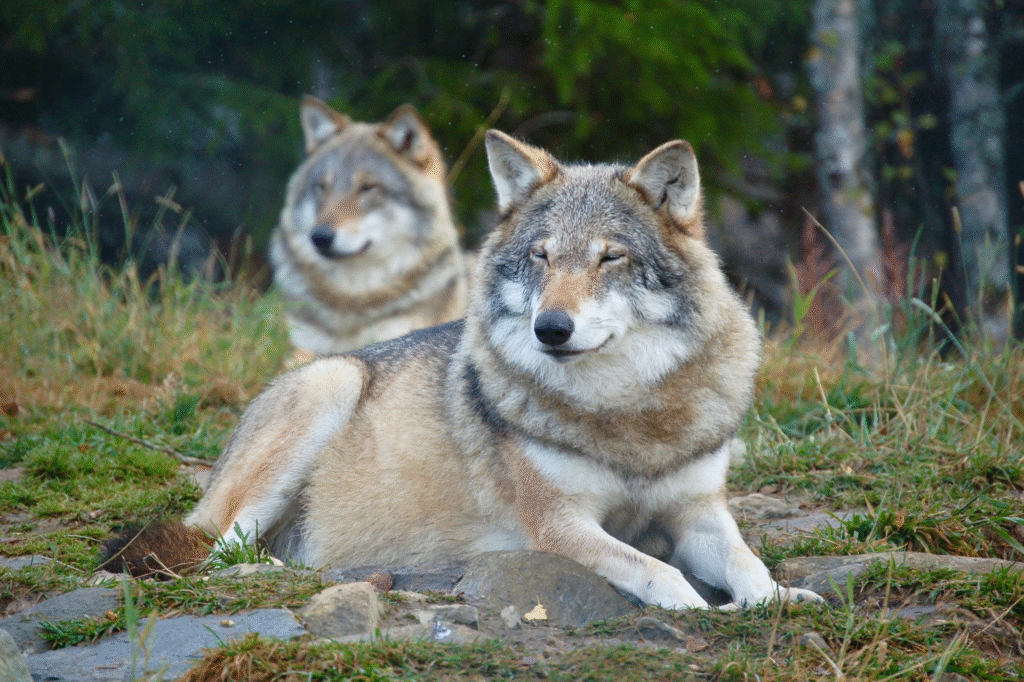
When a bonded pair is broken by death, the surviving wolf often withdraws socially. Grooming decreases, and interaction becomes limited. Rebonding does not occur quickly.
In some cases, the survivor assumes a quieter role permanently. In others, a new partnership forms only after extended time. The variability suggests individual emotional processing rather than automatic replacement behavior.
10. Packs eventually reorganize without erasing the disruption.
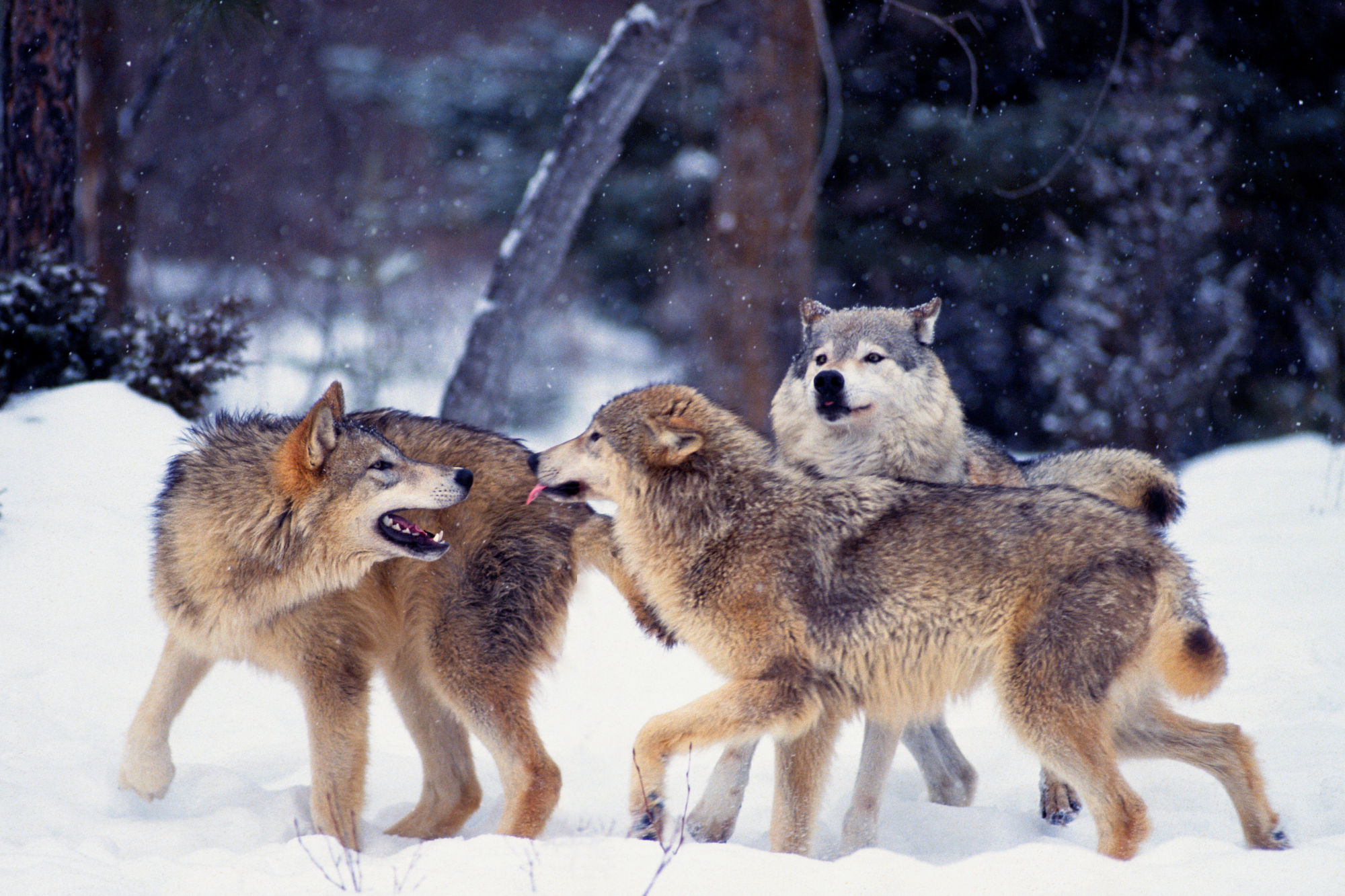
Over time, wolves resume hunting efficiency, establish new roles, and stabilize movement patterns. Yet researchers note subtle differences in spacing, leadership, or territory use long after the event.
The pack moves forward, but not unchanged. The traces of loss remain embedded in behavior, reminding scientists that wolf societies respond to death in layered ways that science can observe, measure, and still not fully explain.