
A quiet decision ignites loud identity fractures.

A late year vote in Honolulu sent ripples far beyond the room where it happened. What began as a language and naming recommendation quickly collided with history, grief, and daily pressure felt across the islands. Some residents felt pride and relief, others felt erased or ignored. The debate spread through kitchens, job sites, and radio shows, revealing how deeply a name can touch memory, power, and belonging in modern Hawaii.
1. The decision addressed geographic naming, not statehood.
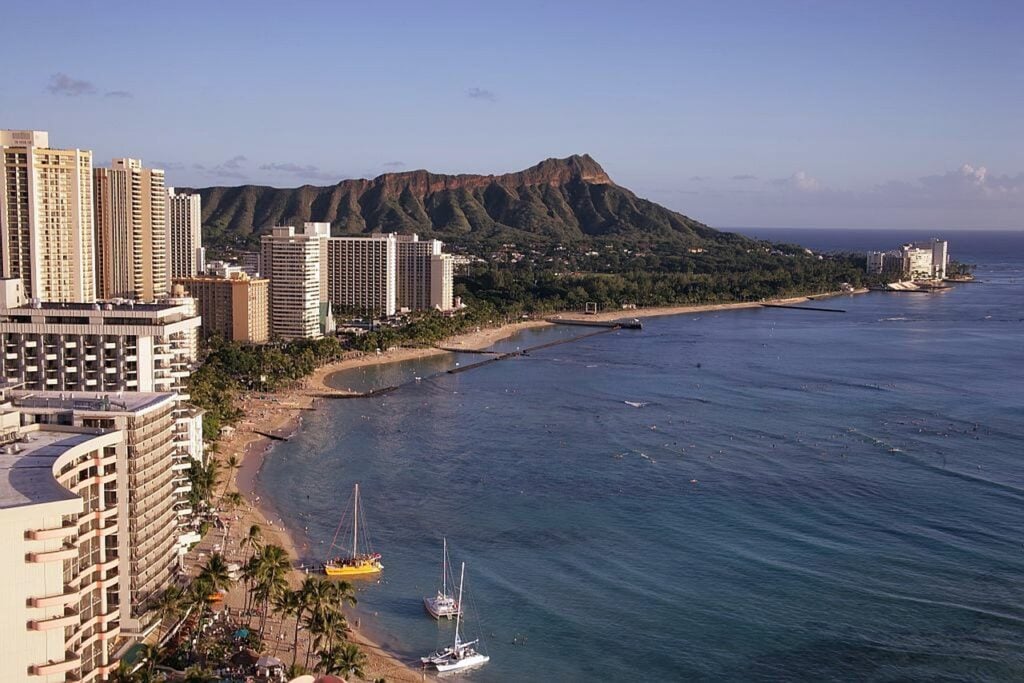
The vote came from the Hawaii Board on Geographic Names, a body tasked with advising how places are officially named and spelled. The focus was on standardizing traditional Hawaiian language usage, particularly around the island commonly called the Big Island. Supporters described the move as technical and overdue rather than radical.
Still, confusion surged almost immediately. Many residents believed the entire state name had changed or that legal documents would become invalid overnight. According to the Associated Press, the board recommendation applied narrowly to geographic naming standards and did not alter statehood, borders, or citizenship, a distinction that arrived too late for many already alarmed.
2. Residents felt excluded from the decision process.

For many locals, the frustration was not about language at all. It was about process. People said they first heard about the vote through headlines or social media, not community meetings or public ballots. That gap fueled resentment and suspicion.
In neighborhood discussions, residents asked why something so emotionally charged moved forward without wider engagement. As reported by Honolulu Civil Beat, several state officials later admitted public outreach was limited, creating the impression of a decision made over people rather than with them, which intensified anger even among those sympathetic to the intent.
3. Cultural leaders framed the move as historical repair.

Native Hawaiian scholars and educators stressed that spelling is not cosmetic. The okina represents a spoken pause that changes meaning, and its omission reflects decades of forced linguistic suppression during the twentieth century. For them, restoring traditional forms corrects a long standing injustice.
Advocates pointed to Hawaiian language immersion schools and university programs as evidence of living culture, not nostalgia. National attention followed as reported by The New York Times, which described the vote as part of a broader effort to align government practice with cultural reality rather than rewrite history.
4. The shared name between island and state added tension.

Hawaii is unusual because its state and largest island share the same name. Any adjustment to naming conventions immediately raised fears about clarity. Residents worried about mail delivery, emergency alerts, mapping software, and legal descriptions.
Officials explained that changes would roll out gradually, but skepticism remained strong. People who rely on precise language for work, from surveyors to pilots, questioned how transitions would be managed. The anxiety was rooted in daily logistics, not ideology, and reflected a broader discomfort with uncertainty introduced into routine systems.
5. Generational experience shaped sharply different reactions.

Younger residents often greeted the decision with calm acceptance. Many grew up learning Hawaiian language in school or seeing traditional spellings online and in cultural spaces. For them, the change felt like catching up with reality.
Older residents responded with unease. Their birth certificates, deeds, and memories are tied to long used forms. Some felt their personal histories were being quietly rewritten. The divide revealed how language policy interacts differently with lived experience, shaping emotion based on when and how people formed their sense of place.
6. Business owners feared unexpected administrative burdens.
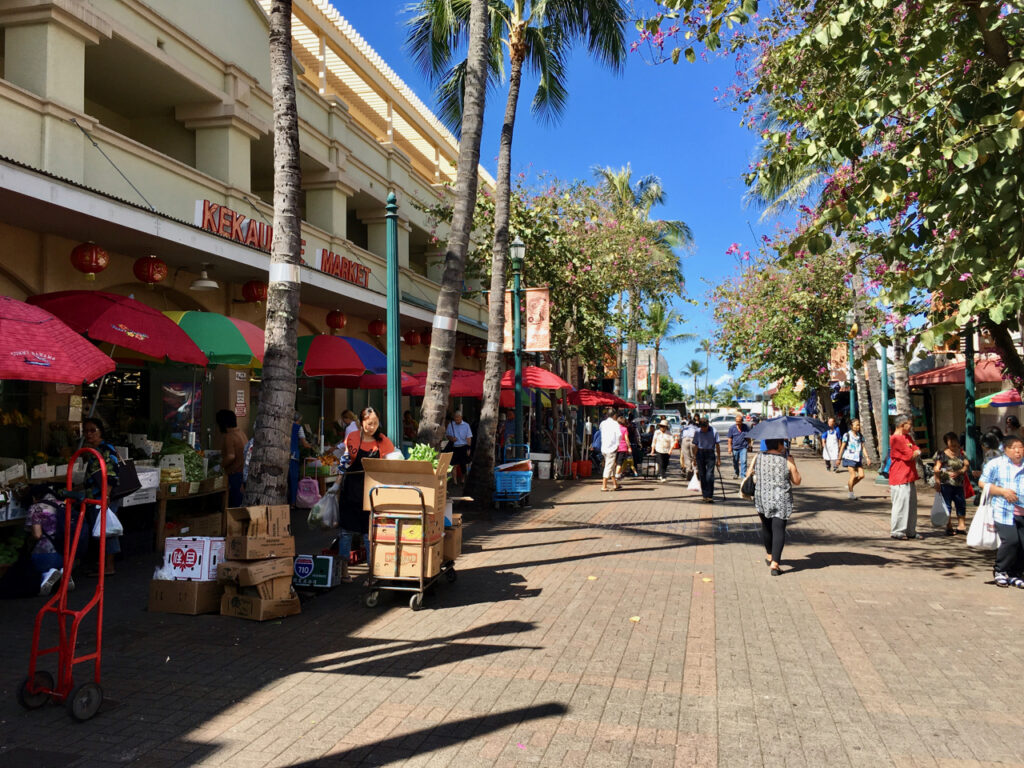
Small business owners quickly began asking practical questions. Would licenses need updating. Would signage or branding require changes. Even minor inconsistencies can create costly delays for permits and contracts.
Tourism operators and shippers worried about mismatched spellings across systems. While agencies promised reassurance, details were slow to arrive. For owners already navigating high rents and labor shortages, the vote felt like another layer of uncertainty introduced without a clear plan, amplifying frustration rather than fostering cooperation.
7. Social media magnified fear faster than facts.

Within hours, online posts framed the vote as dramatic and final. Claims spread that passports would change or maps would be redrawn. None of that was true, but the speed of sharing outpaced corrections.
By the time officials clarified details, many residents had already reacted emotionally. Even supporters criticized how misinformation flourished. The episode highlighted how algorithm driven platforms reward outrage, turning a narrow administrative recommendation into a perceived existential shift almost overnight.
8. The decision reopened long simmering sovereignty debates.

Any state action touching Hawaiian identity inevitably intersects with sovereignty discussions. Some activists argued symbolic language changes distract from unresolved land rights and political autonomy.
Others viewed the move as meaningful recognition within existing structures. The disagreement did not begin with this vote, but it resurfaced tensions many thought settled. What emerged was less a fight over spelling and more a reminder that questions of authority and self determination remain unresolved across generations.
9. Timing intensified backlash amid ongoing crises.

The vote landed during a period of exhaustion. Maui wildfire recovery remained uneven, housing costs climbed, and many families felt financially cornered. Against that backdrop, symbolic governance felt misplaced.
Residents asked why leadership energy was not focused elsewhere. Even those supportive of cultural respect questioned priorities. The anger reflected stress more than opposition, revealing how context shapes reaction when people already feel unheard and overwhelmed.
10. The conflict ultimately became about who belongs.
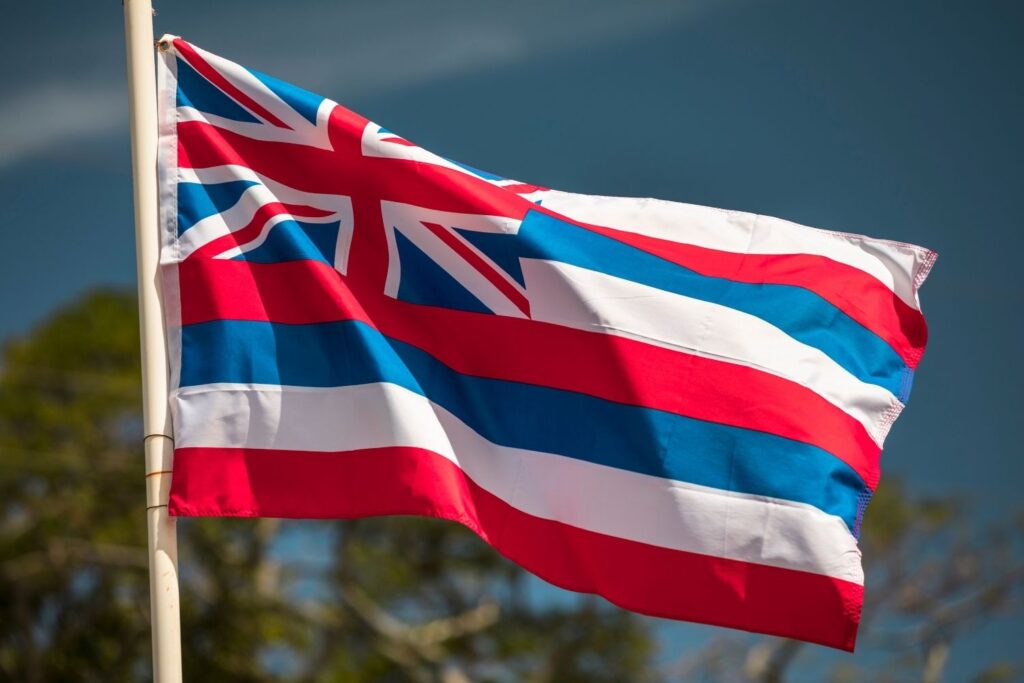
At its core, the argument was about voice. Who gets to define Hawaii and whose history carries weight. For some, the change affirmed survival and continuity. For others, it felt imposed.
The fury came from feeling unseen. A name carries memory, loss, and pride all at once. In Hawaii, that weight is shared but not equally experienced, which is why a single vote could fracture trust while trying to honor heritage.