
A frozen megacity reveals fragile life at scale.
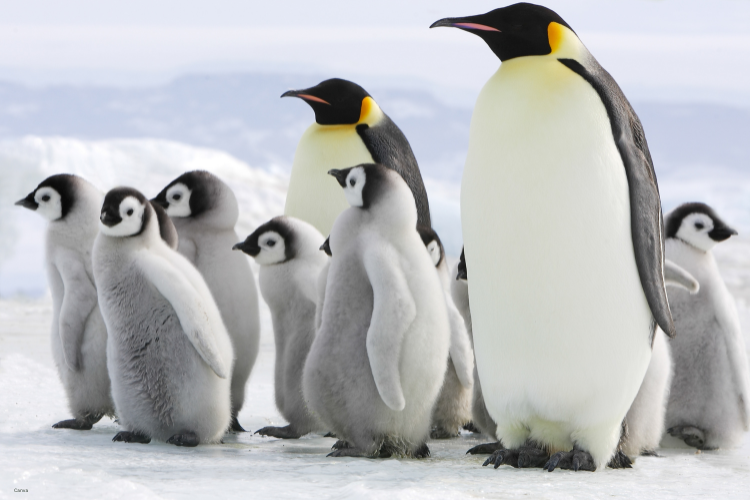
Far from research stations and shipping lanes, scientists stumbled upon emperor penguin colonies so large they function like cities. Tens of thousands of the largest penguin species on Earth packed into wind scoured Antarctic landscapes, shaping ice, soil, and even the air above them. What researchers found inside these super colonies was not just abundance. It was vulnerability, cooperation, and warning signs unfolding in real time. Each discovery changed how scientists understand survival at the cold edge of the planet.
1. The colony was far larger than expected.
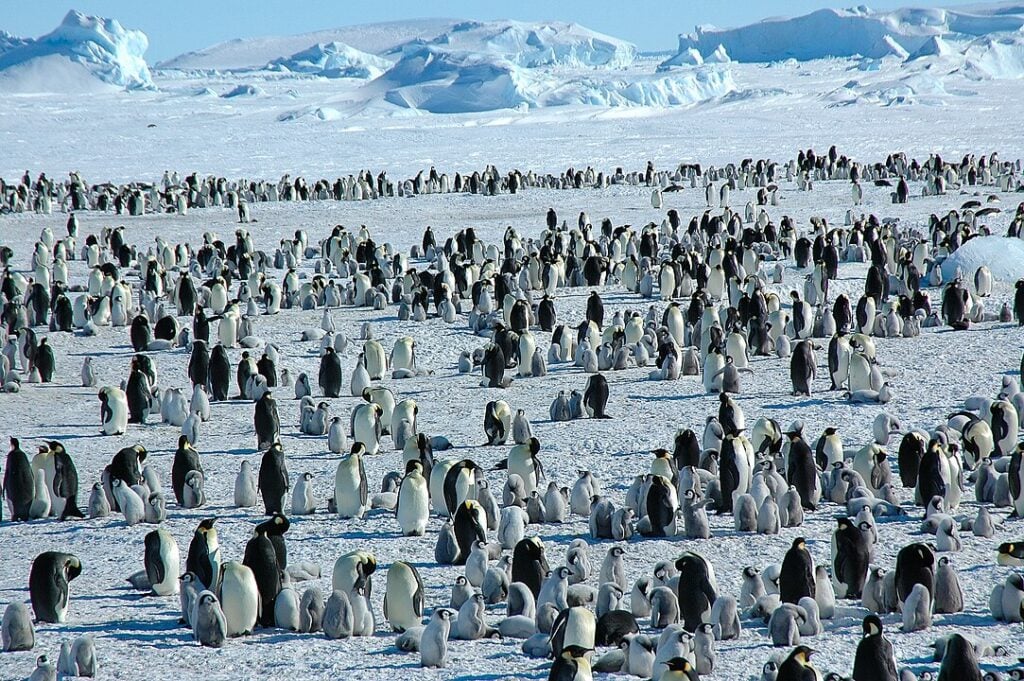
Satellite surveys over the Antarctic Peninsula revealed dark stains on ice that turned out to be penguin guano, signaling far more birds than ground counts had suggested. When teams arrived, they found nesting areas stretching for kilometers, far beyond earlier maps.
The scale changed everything. Such density alters snow melt, local nutrients, and predator patterns. According to the British Antarctic Survey, some newly documented colonies contained over one hundred thousand breeding pairs, forcing scientists to rethink how penguin populations are distributed across Antarctica today.
2. Chicks survived conditions once thought impossible.
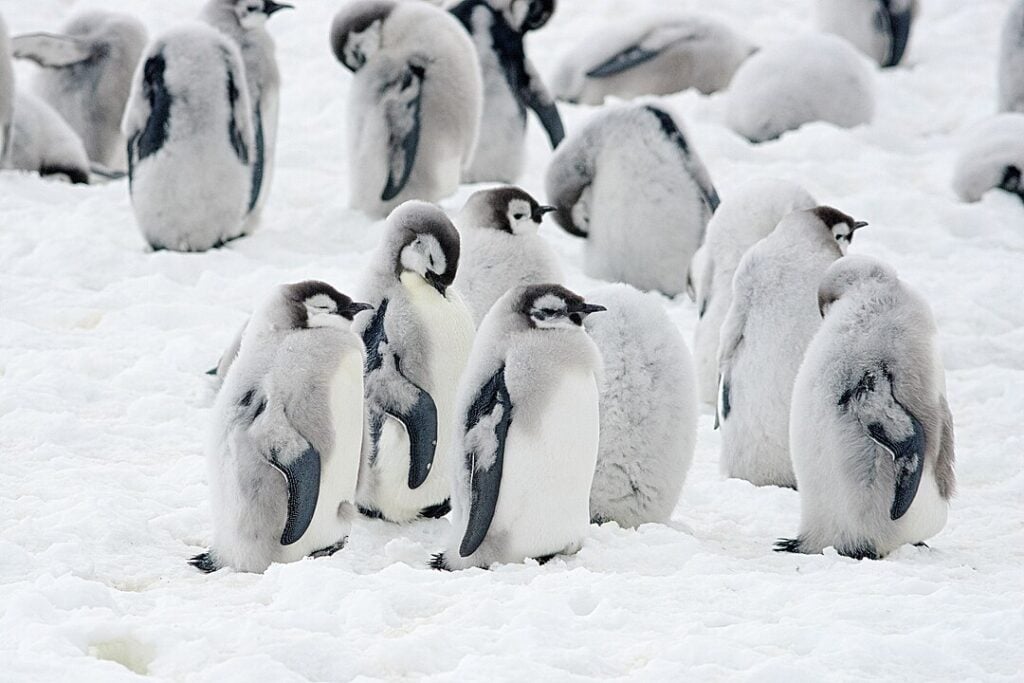
Inside the colony, researchers observed chicks enduring extreme winds, subzero temperatures, and long fasting periods while parents foraged far offshore. Survival rates remained unexpectedly high despite these pressures.
The secret appeared to be collective shelter. Chicks clustered tightly, reducing heat loss and exposure. This behavior scales with colony size, meaning bigger groups offer greater protection. As reported by the BBC, scientists were surprised to find chick survival improving in denser colonies despite worsening weather patterns linked to climate shifts.
3. The ground beneath nests was slowly reshaping.
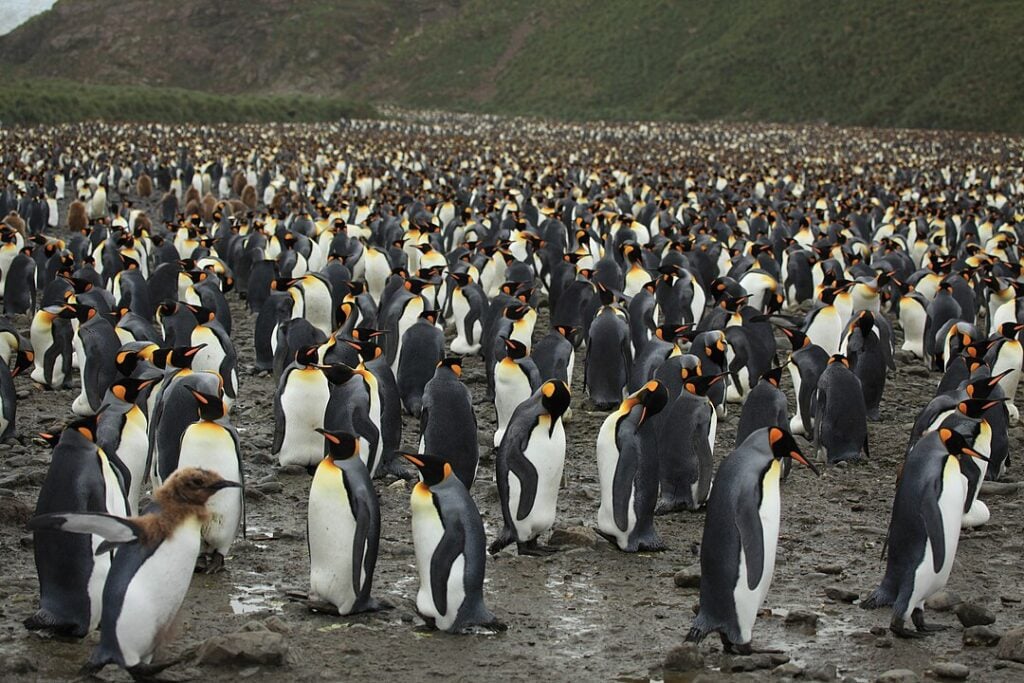
Years of occupation transformed the landscape itself. Thick layers of guano enriched soil, melted underlying ice, and altered drainage patterns. In some areas, moss and microbial life flourished where none existed before.
This biological footprint created feedback loops. Warmer ground attracted more nesting, accelerating change. Researchers analyzing soil cores found long term ecological effects extending beyond penguins. As stated by National Geographic, these colonies function as ecosystem engineers, reshaping Antarctic terrain in measurable and lasting ways.
4. Disease risk increased with sheer population density.
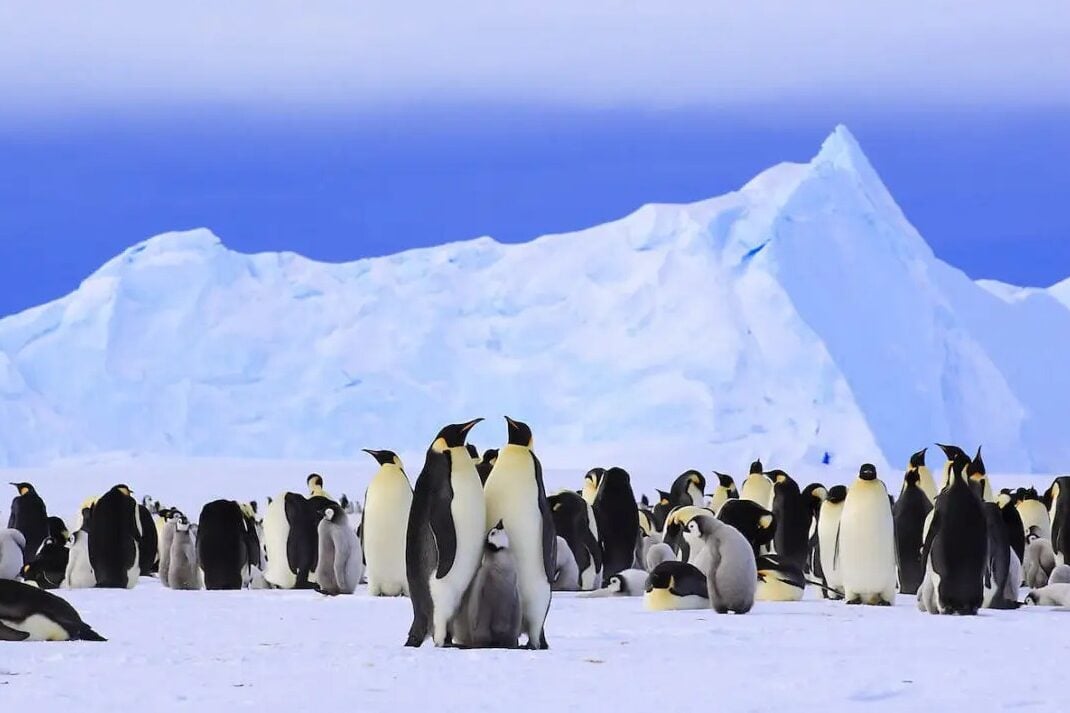
With so many birds packed together, researchers closely monitored signs of illness. Dense nesting increases contact rates, allowing pathogens to spread faster than in smaller colonies.
While major outbreaks were not immediately evident, minor infections moved quickly through clusters. Scientists noted that a single introduced disease could have outsized impact. The finding raised concern as warming temperatures allow new pathogens to survive longer in Antarctic environments previously too cold to support them.
5. Food competition intensified beneath the surface.
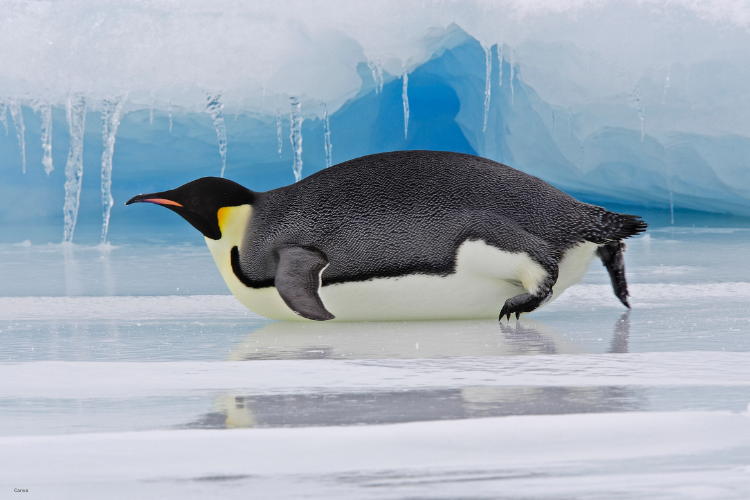
A colony of this size requires enormous amounts of fish and krill. Tracking devices showed adults traveling farther and diving deeper to find sufficient food, especially during peak breeding season.
This strain revealed limits. When sea ice retreated early, foraging success dropped sharply. Researchers observed delayed feeding and slower chick growth. The colony functioned smoothly only when ocean conditions cooperated, highlighting how tightly penguin survival is tied to marine ecosystems already under stress.
6. Social coordination prevented constant conflict.
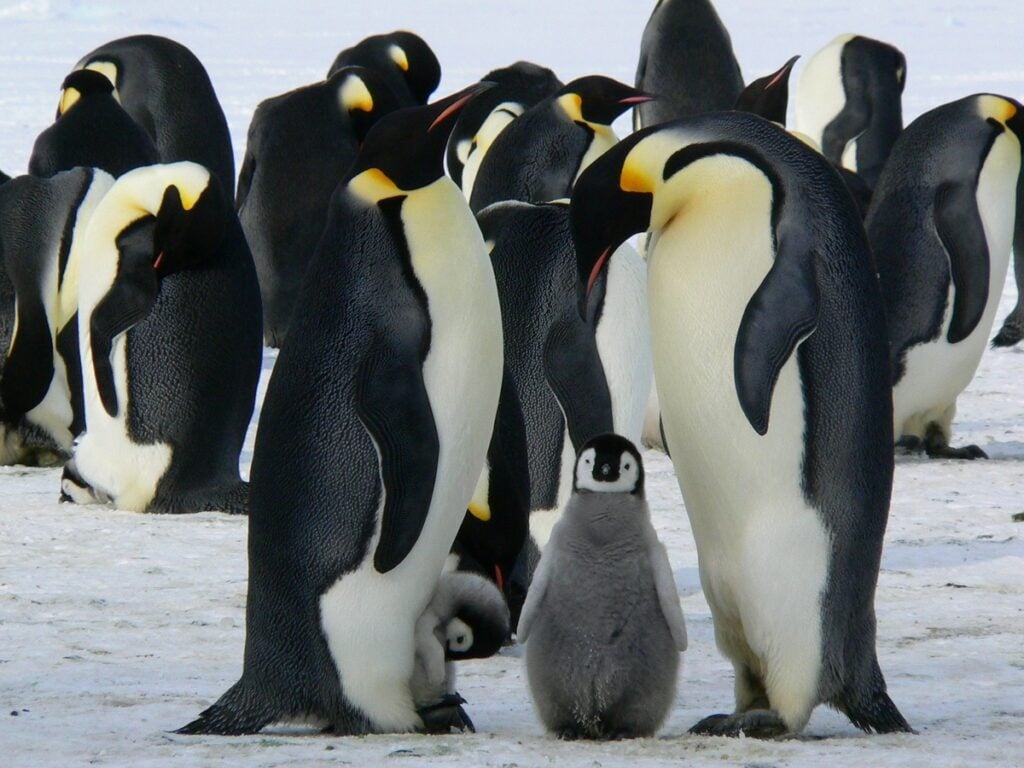
Despite crowding, violent disputes were rare. Penguins relied on vocal recognition, posture, and spacing rituals to maintain order. Each nest had invisible boundaries respected by neighbors.
This coordination reduced energy waste. In such harsh environments, unnecessary conflict could be fatal. Scientists studying behavior noted that cooperation scaled with colony size, suggesting social rules become more refined as populations grow, allowing massive groups to function without collapsing into chaos.
7. Predators exploited the colony edges strategically.
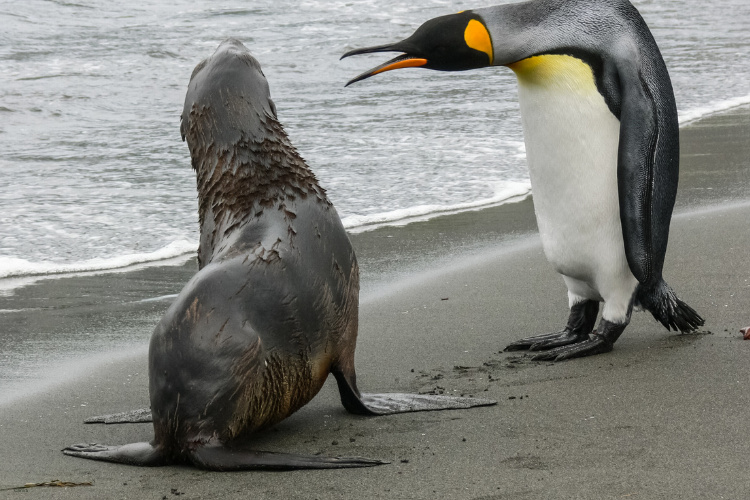
Skuas and leopard seals focused on colony margins where individuals were isolated. Inside the dense center, predation success dropped sharply.
Penguins responded by shifting nesting inward over time. Researchers mapped gradual expansion patterns that prioritized safety over convenience. The colony evolved spatially, demonstrating collective adaptation. Survival was not just about strength in numbers, but about how those numbers arranged themselves across the ice.
8. Climate stress left subtle but growing signals.
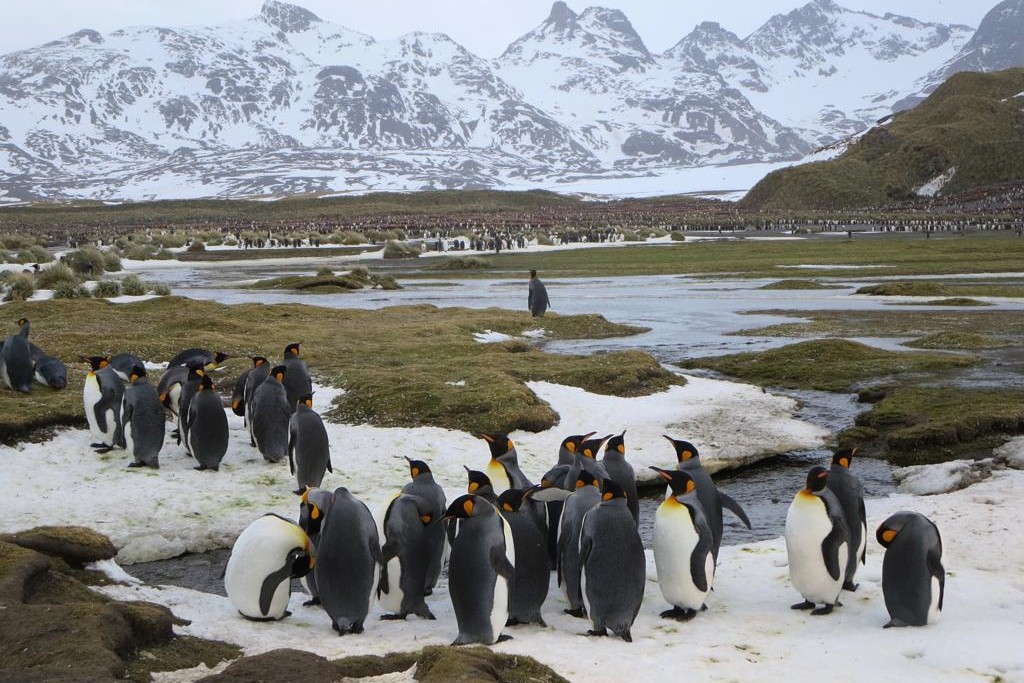
Researchers recorded increased nest flooding during warmer summers. Snow melted earlier, turning nesting areas into slush that soaked eggs and chicks.
While adults adapted by moving or rebuilding, losses increased. These changes did not wipe out colonies immediately, but they chipped away at margins. Scientists described the colony as resilient but not invulnerable, capable of absorbing shocks only up to a point.
9. The colony functioned like a living sensor.
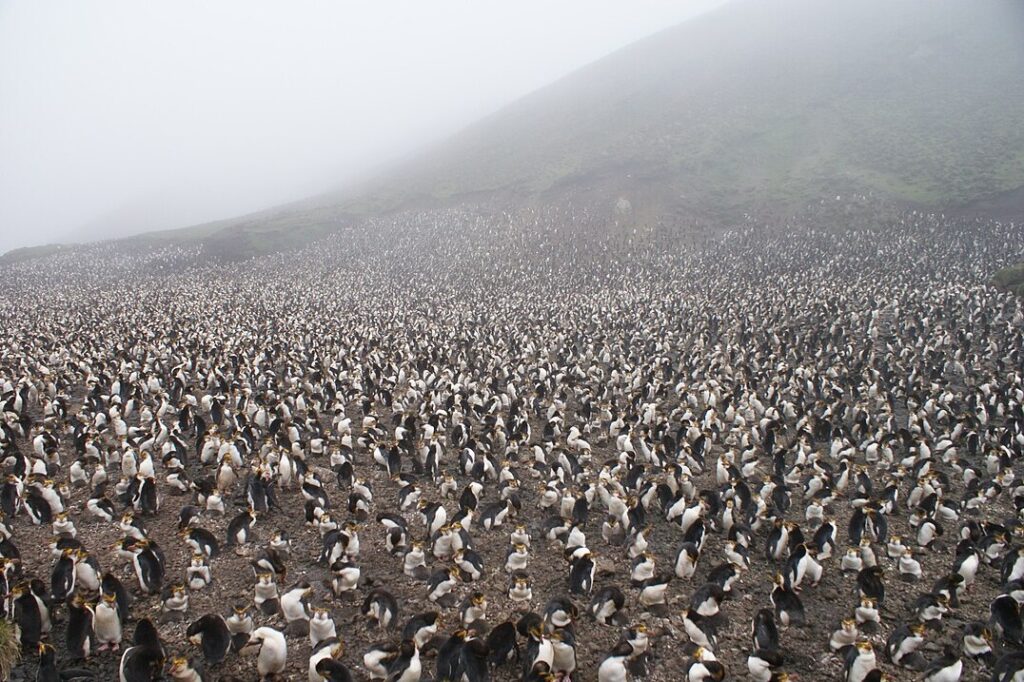
Because penguins respond quickly to environmental change, their behavior acted as an early warning system. Shifts in breeding timing, chick weight, and foraging distance reflected ocean conditions before instruments detected them.
Researchers now monitor colonies as indicators of Antarctic health. Changes inside these dense populations often precede broader ecosystem disruption, making them valuable sentinels in a rapidly warming polar region.
10. Survival depended on balance, not abundance.
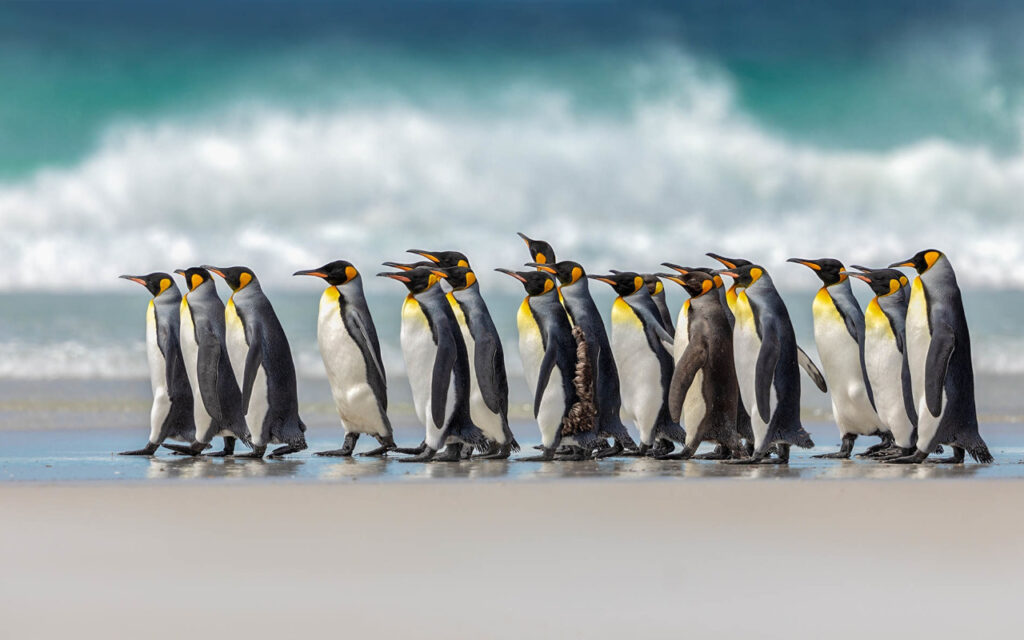
The most surprising discovery was not how many penguins lived there, but how finely tuned their survival was. The colony thrived only when ice, food, and weather aligned.
Abundance masked fragility. A slight shift in conditions could ripple through thousands of lives. The super colony revealed a truth scientists now carry forward. Even the largest communities endure only through balance, and Antarctica is testing that balance faster each year.