
New worlds are breaking every planetary rule.
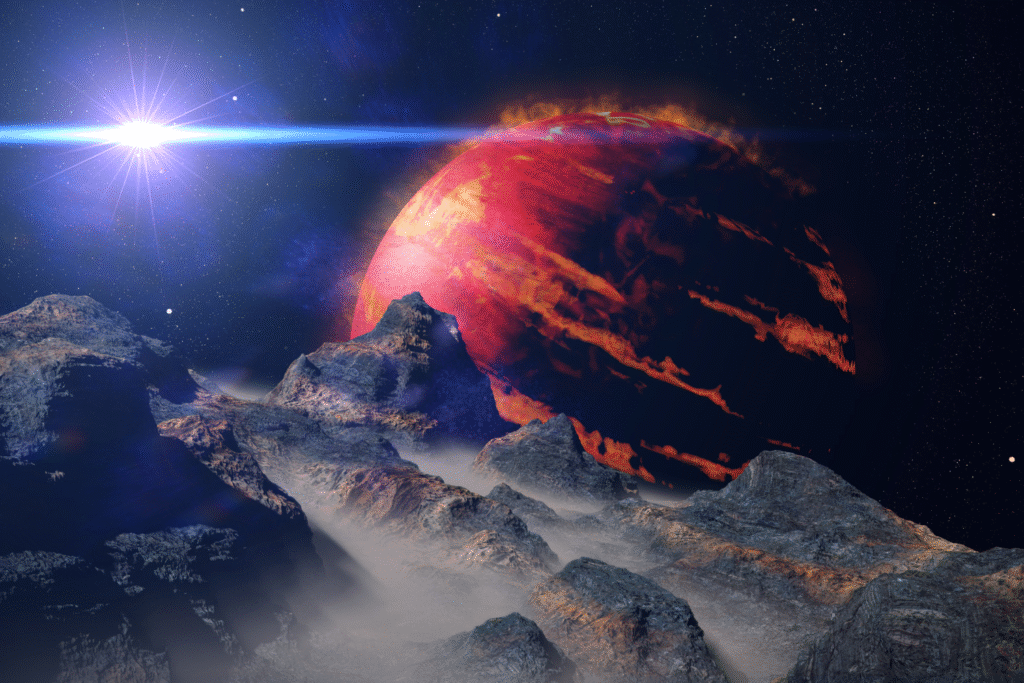
When the James Webb Space Telescope began returning atmospheric data, scientists expected refinements to familiar planet categories. Instead, the observations unraveled assumptions built over decades. Worlds appeared where they should not exist, with temperatures, chemistry, and structures that defy prediction. As results accumulated from systems light years away, researchers realized the problem was not a single anomaly. The problem was the models themselves. JWST did not reveal rare outliers. It revealed a universe that builds planets far more creatively than theory ever allowed.
1. Some planets stay unexpectedly cool near their stars.
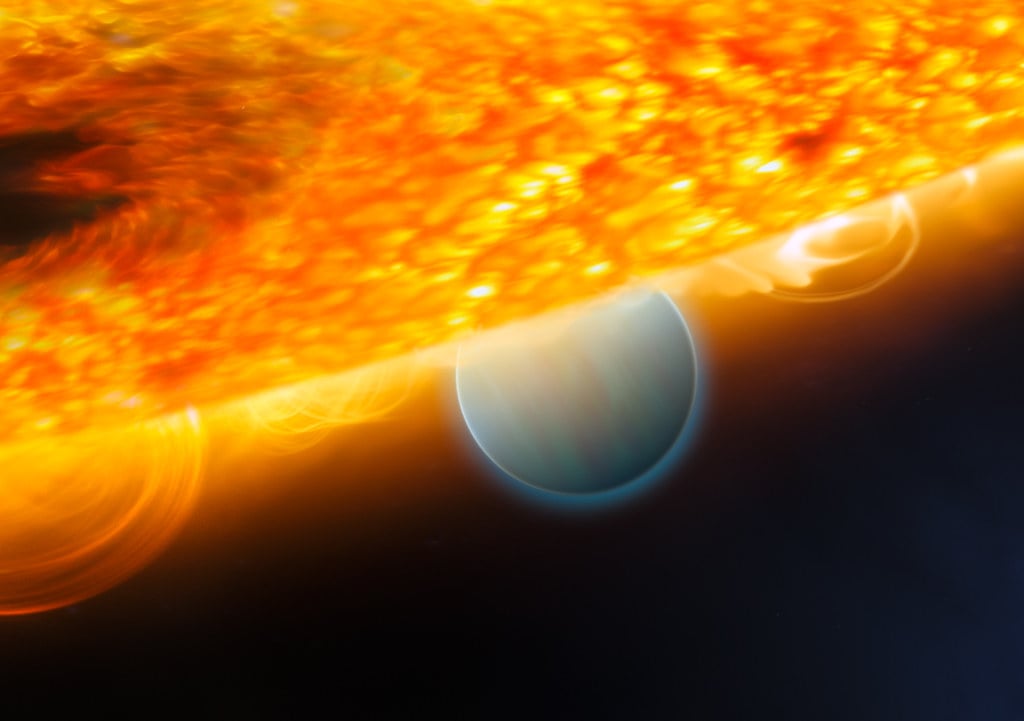
Several rocky exoplanets orbit extremely close to their stars, where surface temperatures should soar high enough to melt rock. JWST thermal readings instead showed cooler atmospheric conditions than predicted, even under intense radiation.
This discovery suggested efficient heat redistribution mechanisms previously unaccounted for. Thick atmospheres appear to move energy from day to night sides far better than models assumed. According to NASA, these findings forced researchers to reconsider how heat circulates through dense exoplanet atmospheres under extreme stellar exposure, especially for worlds once assumed to be scorched and barren.
2. Atmospheres persist where theory said they vanish.
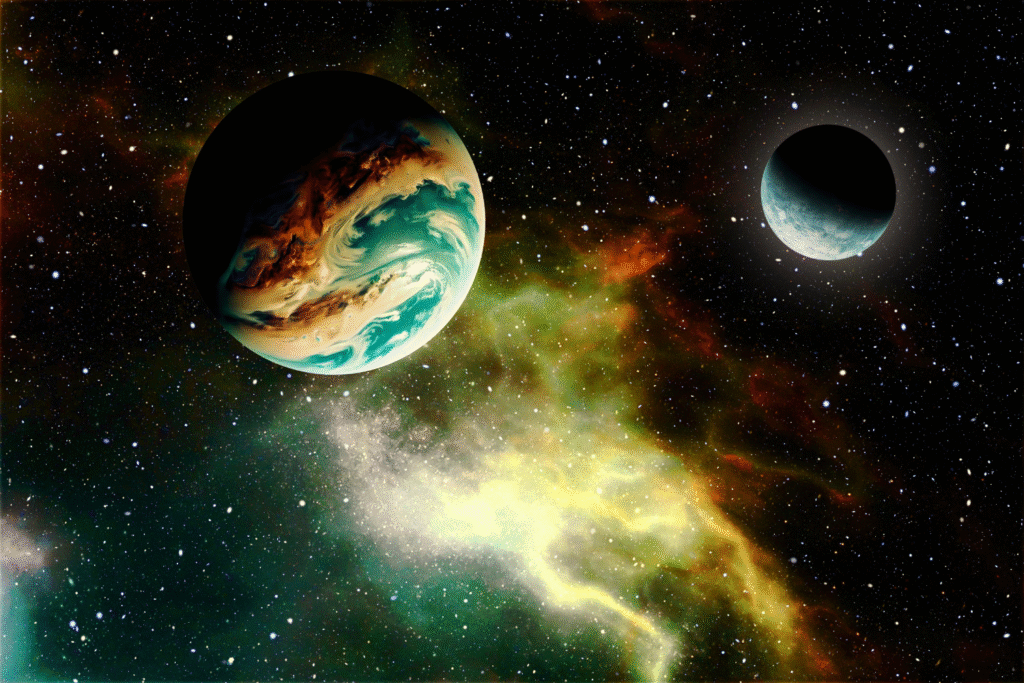
Planetary models long assumed small rocky planets near stars would quickly lose their atmospheres to stellar winds. JWST contradicted that idea by detecting substantial atmospheres clinging to worlds once thought stripped bare.
These atmospheres contain heavier molecules, not just hydrogen. Their survival suggests stronger gravity effects, magnetic shielding, or continuous replenishment from volcanic activity. Scientists observed this pattern across multiple systems, not isolated cases. As reported by Nature Astronomy, these discoveries challenge atmospheric escape models used as foundational assumptions throughout exoplanet research.
3. Chemical signatures refuse to follow formation rules.
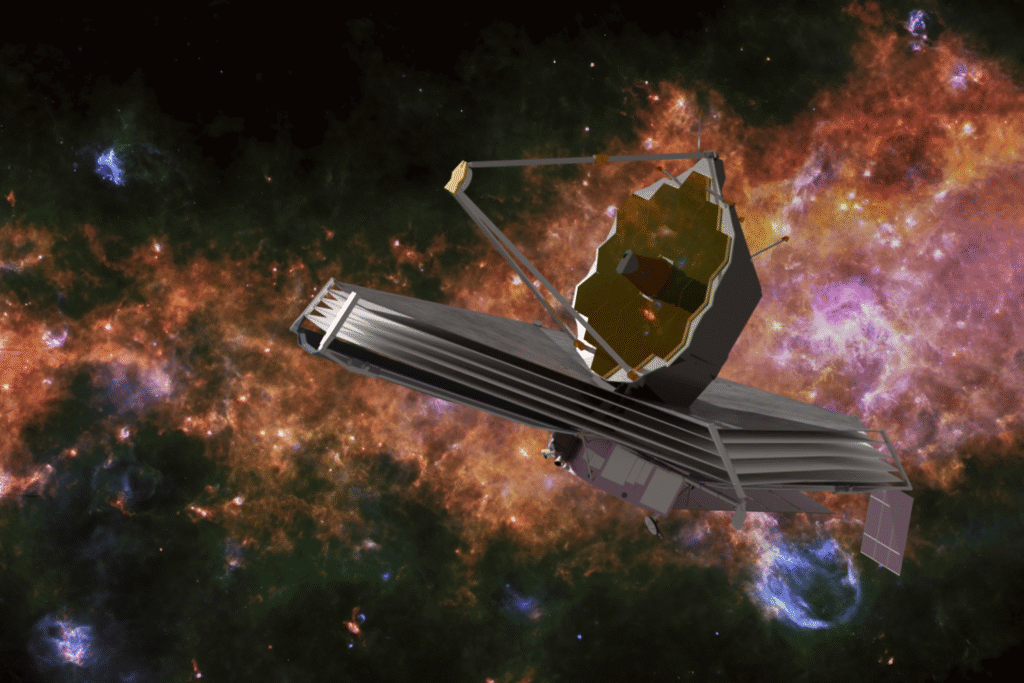
JWST spectroscopy revealed atmospheric compositions that mix chemical signatures thought to be mutually exclusive. Carbon dioxide, sulfur compounds, and water vapor appear together in ratios that current formation models cannot explain.
Traditional theory predicts composition based on where planets form within protoplanetary disks. These worlds show evidence of migration, collision, or unfamiliar chemistry. The complexity suggests violent or chaotic histories rather than orderly growth. As stated by the European Space Agency, these chemical fingerprints do not align with any existing planet formation pathway currently accepted.
4. Planet structures blur the rocky gas boundary.
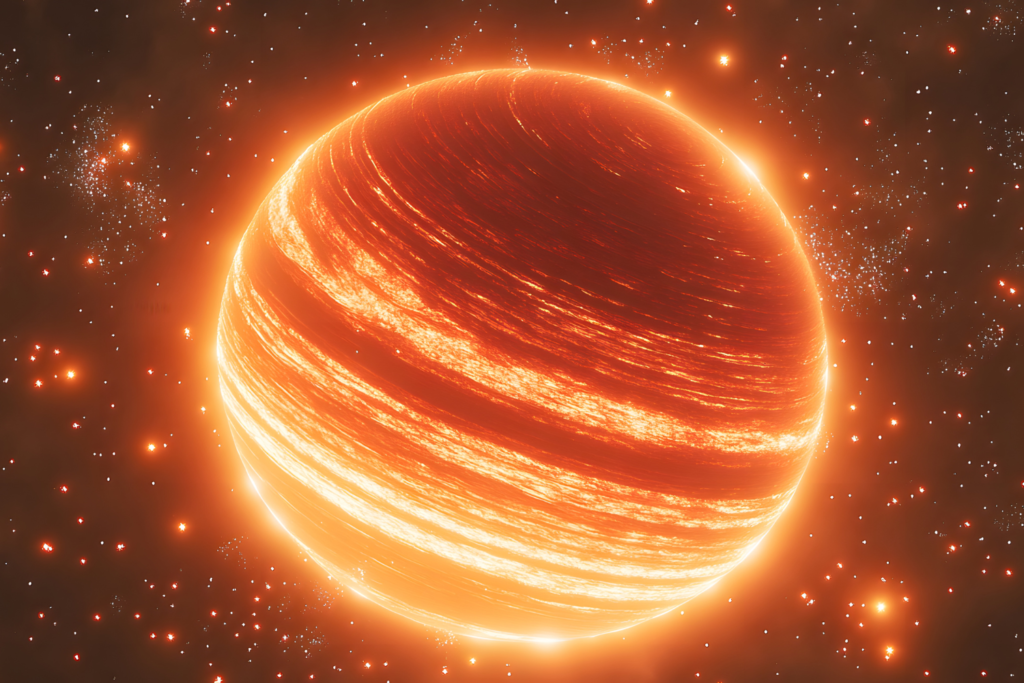
Several newly observed planets fall between traditional categories. Their densities suggest solid cores wrapped in unexpectedly thick atmospheres, neither fully rocky nor fully gaseous.
These hybrid worlds were once considered unstable or short lived. JWST shows they are common and persistent. This forces scientists to abandon clean classification systems and rethink planetary evolution as a continuum shaped by timing, mass, and stellar behavior rather than rigid categories.
5. Migration histories appear violent and unpredictable.

JWST data indicates many planets did not form where they currently orbit. Instead, they migrated inward from distant regions, surviving gravitational chaos that should have destroyed them.
This challenges calm disk formation models taught for decades. Interactions between planets and disks appear far more turbulent. Such journeys help explain mismatched temperatures and chemistry. Planetary systems now look less like orderly blueprints and more like dynamic collisions shaped by instability.
6. Clouds form from unexpected materials.

Thick cloud layers appeared on planets where clouds were never predicted. JWST detected atmospheric opacity blocking deeper layers, complicating temperature and composition measurements.
These clouds may be composed of silicates or metallic compounds rather than water. They trap and reflect energy differently, altering climate stability. Their presence helps explain cooler temperatures on intensely irradiated worlds, revealing that cloud physics plays a far greater role in exoplanet behavior than once believed.
7. Stellar radiation reshapes planets without destroying them.
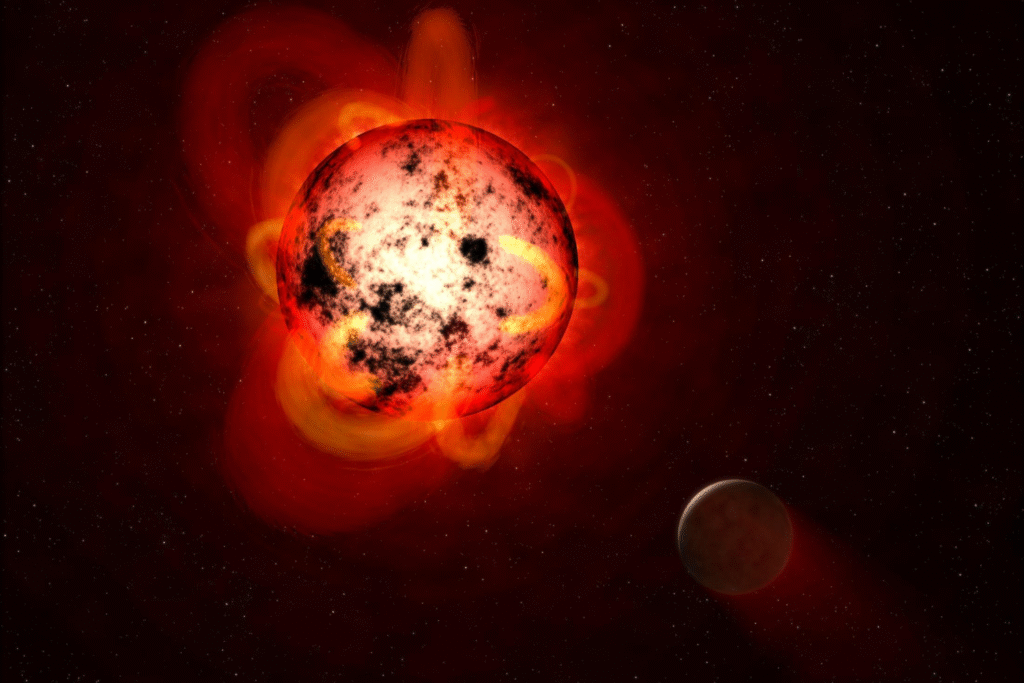
Young stars emit flares capable of stripping atmospheres. JWST observations show some planets withstand this assault, retaining stable atmospheres despite hostile environments.
Magnetic fields or dense atmospheric layers may offer protection. This resilience contradicts assumptions that close orbit planets are doomed. The findings expand where stable planets can exist and suggest survival mechanisms more robust than expected.
8. JWST revealed planet diversity hidden before.
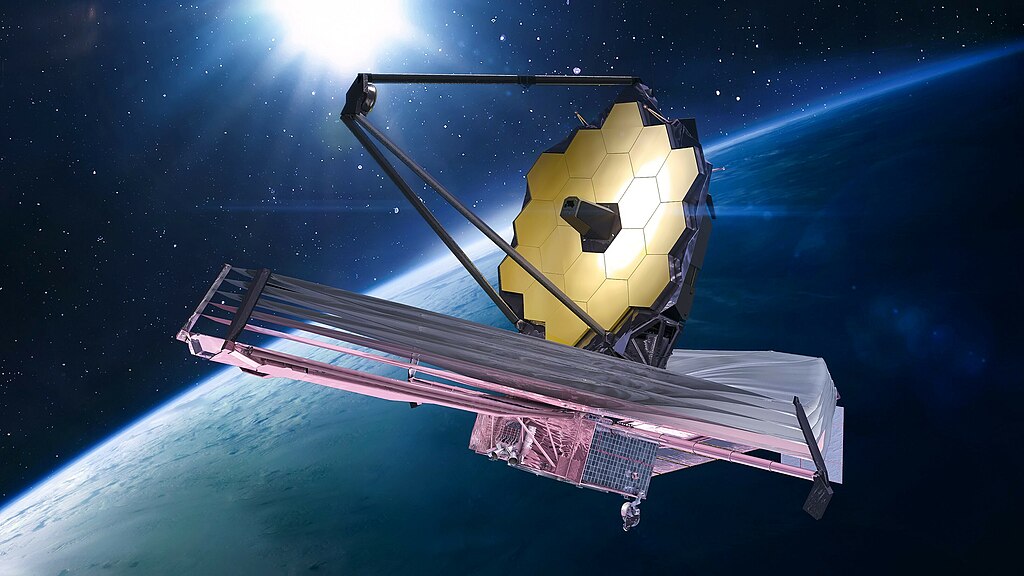
Earlier telescopes favored large gas giants. JWST detects smaller worlds with strange properties previously invisible. This shift reveals how incomplete earlier planetary surveys were.
What once looked rare may be common. The galaxy appears filled with planets that never fit our solar system based expectations. Planet formation now looks less uniform and far more experimental across star systems.
9. Habitability concepts are quietly changing.
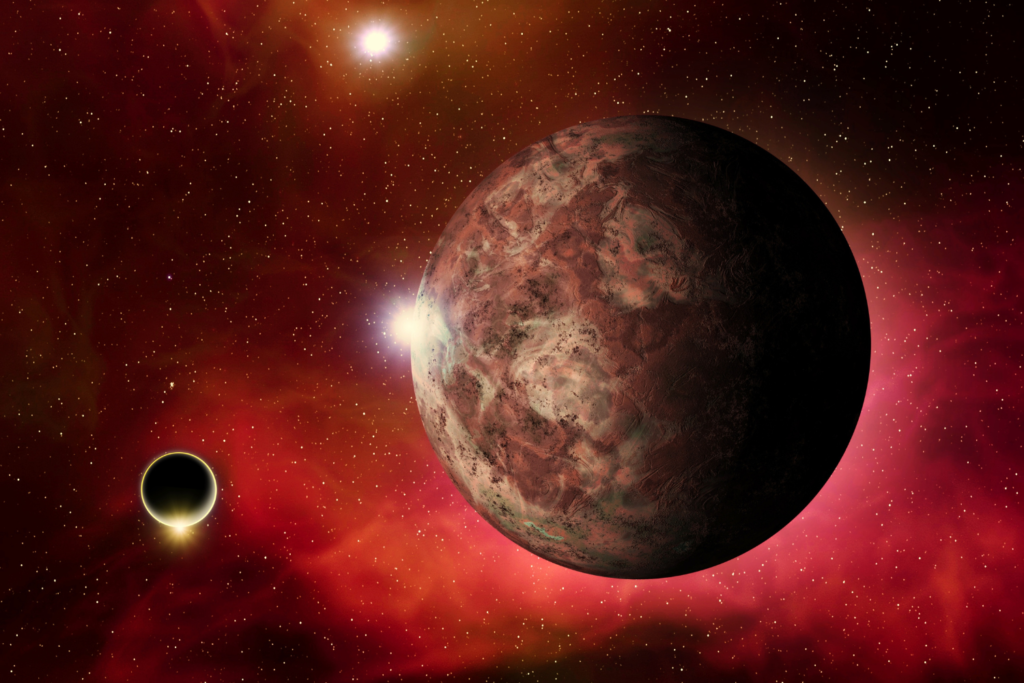
Some planets maintain stable temperatures through atmospheric balance rather than distance from stars. Others contain water vapor without surface oceans.
These findings loosen rigid definitions of habitability. Life friendly conditions may exist under scenarios previously dismissed. JWST suggests that equilibrium matters more than Earth like resemblance, reshaping where scientists search for living worlds.
10. Planet science has entered a rebuilding era.

JWST did not merely refine models. It fractured them. Each strange planet weakens confidence in long standing assumptions and pushes researchers toward observation driven theory.
Scientists now speak openly about rebuilding planetary science from the ground up. The shock was not a single discovery, but the pattern. The universe builds planets freely, not cautiously. JWST revealed that the rules were never universal, only familiar.