
A sunken fortune is rewriting maritime history.
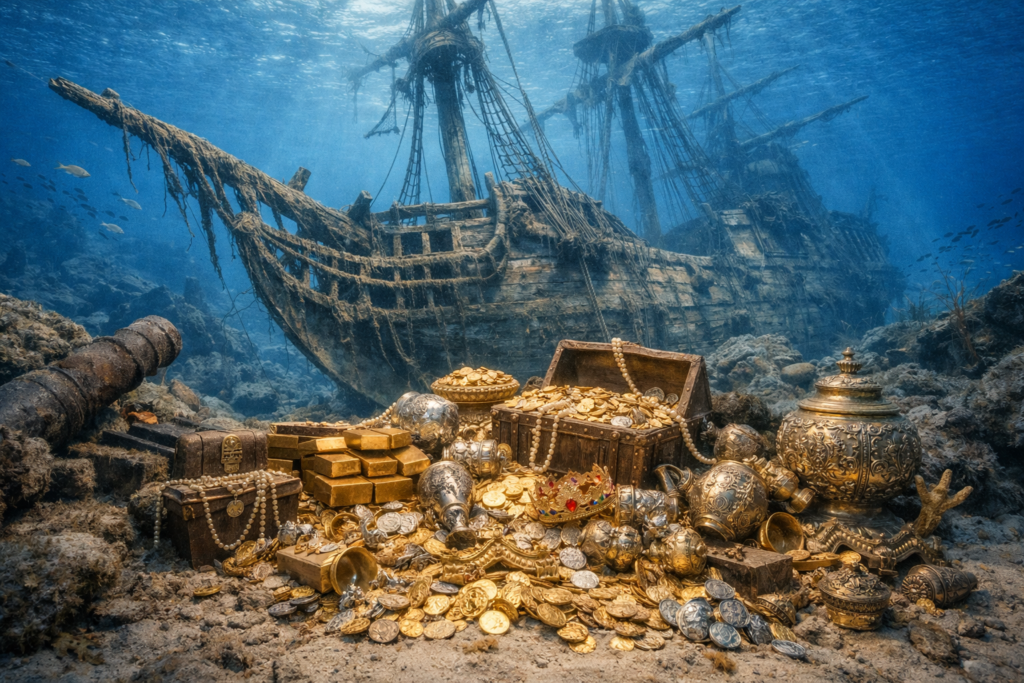
The Caribbean has always been a ledger of ambition, violence, and wealth moving by sea. Off Colombia’s coast, one wreck keeps resurfacing in whispers and scans. It sits deep, heavy with metal and meaning, tying empires, modern courts, and ocean science together. What surfaced is not just treasure, but a moment frozen when global power shifted underwater.
1. Spanish warships once carried unimaginable wealth across seas.
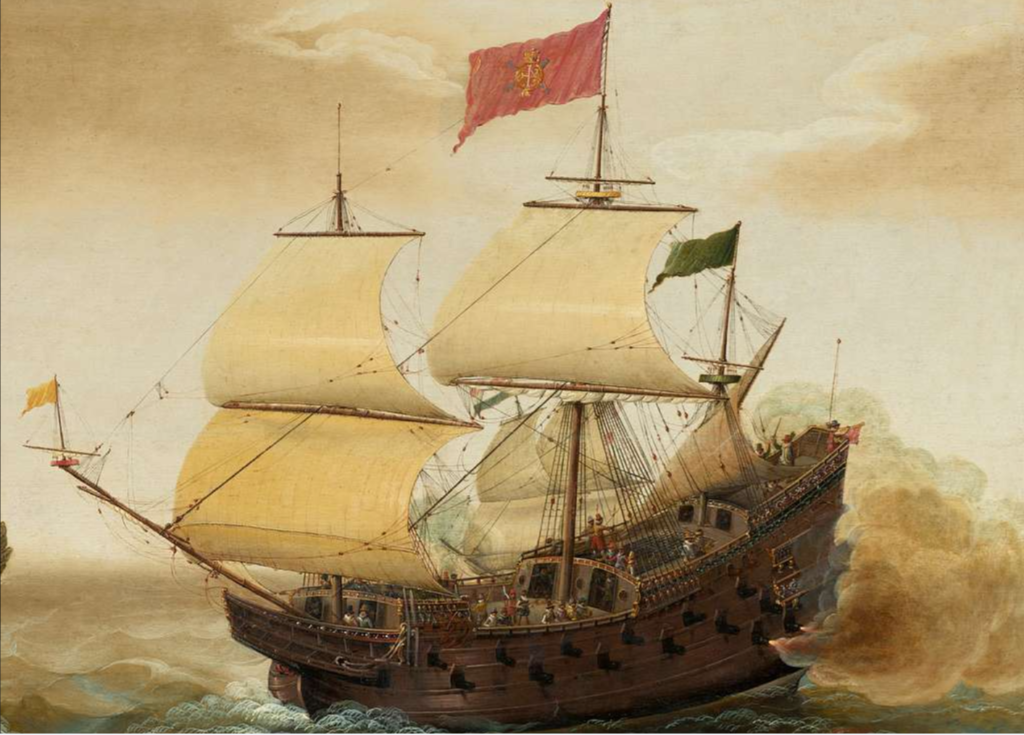
Spanish warships routinely crossed the Caribbean carrying bullion extracted from South American mines. In 1708, the San Jose sailed within a heavily armed convoy, transporting royal taxes, private fortunes, and minted silver coins bound for Spain’s exhausted treasury.
The ship never completed its journey. It exploded during a British attack near Cartagena and vanished with hundreds aboard. The wreck’s identification was confirmed centuries later using advanced sonar, as reported by the BBC during Colombia’s 2015 announcement.
2. The San Jose sank during a violent imperial clash.
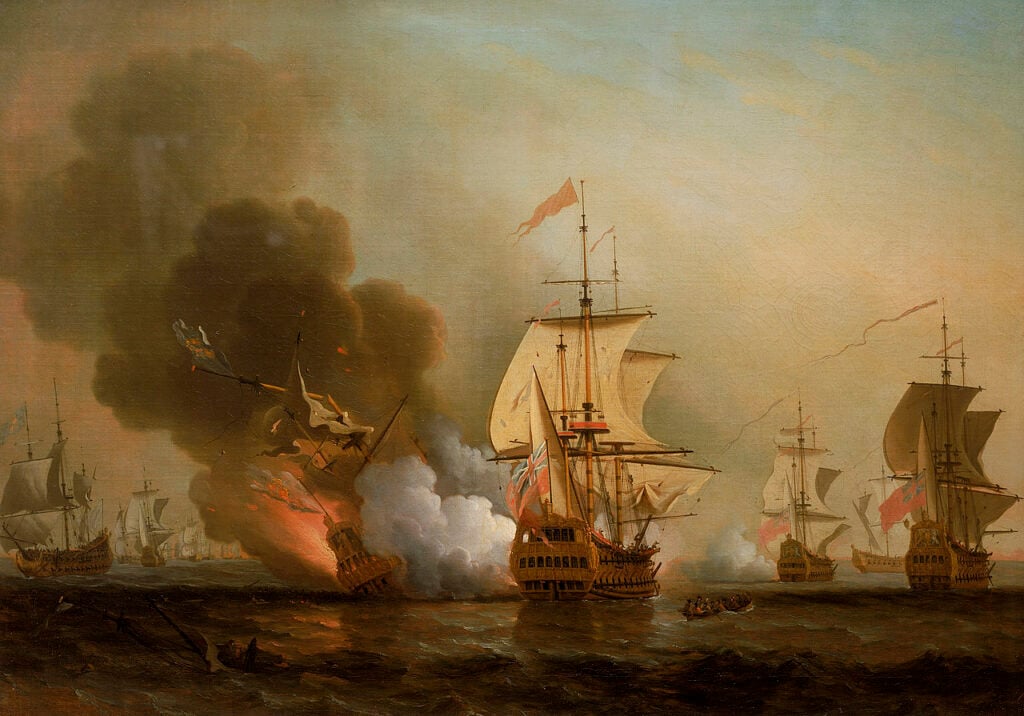
The decisive encounter unfolded off Barú Island when British warships intercepted the Spanish fleet. Cannon fire struck the San Jose repeatedly, igniting stored gunpowder and triggering an explosion that destroyed the vessel within minutes.
Survivors were few, and records described chaos and fire. Later historical reconstructions matched battle accounts with underwater remains, confirming the ship’s identity through armaments and hull design, as stated by National Geographic in its detailed reporting.
3. Advanced sonar finally revealed the wreck’s location.
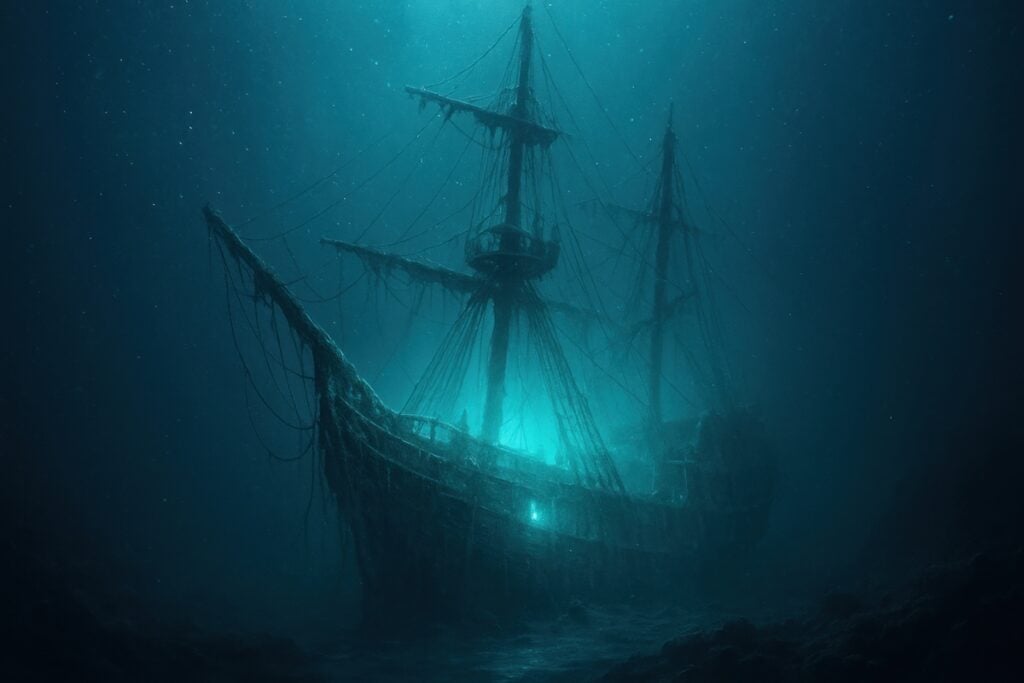
For centuries, deep water and shifting sediment concealed the San Jose beyond human reach. Traditional diving methods failed, leaving the ship untouched while legends multiplied across generations of treasure seekers.
Breakthroughs came with high resolution sonar and robotic imaging. Colombian naval surveys documented cannons and debris fields matching eighteenth century Spanish warships, as discovered by Colombia’s Armada Nacional during classified maritime exploration missions offshore.
4. The cargo reflects Spain’s vast colonial extraction system.
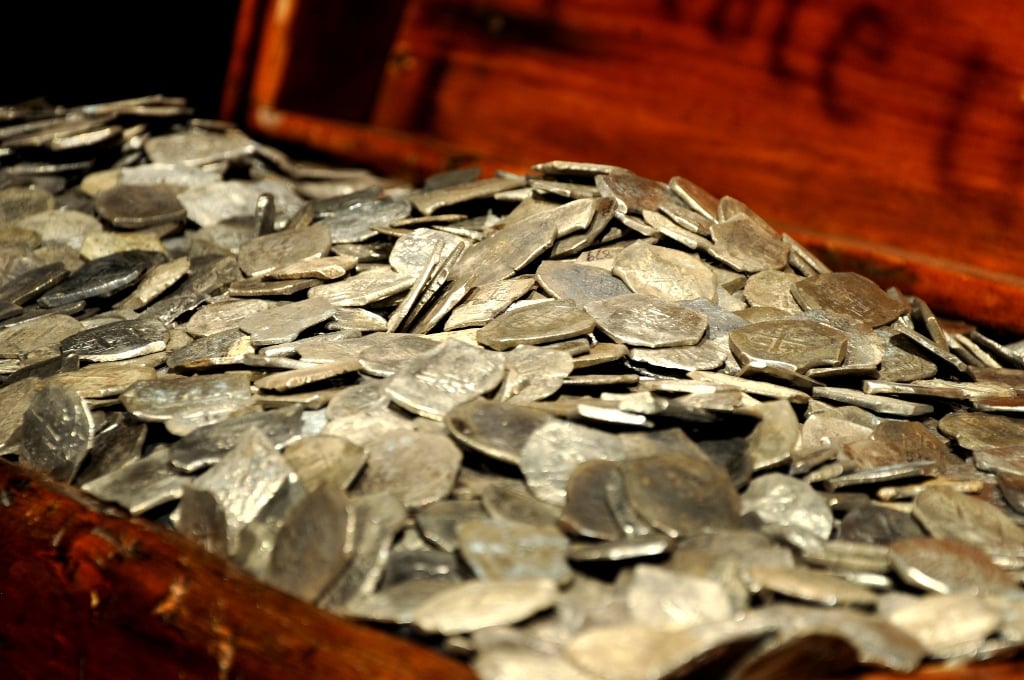
Gold, silver, and emeralds aboard the San Jose originated from mines across Peru and New Granada. Indigenous and enslaved labor converted raw minerals into imperial revenue destined for European wars and debts.
The wreck preserves this system in physical form. Each artifact connects extraction sites to global trade routes, revealing how distant violence was transformed into portable wealth moving across oceans.
5. Ownership disputes erupted almost immediately after discovery.

Spain claims the San Jose as a sovereign naval vessel protected under international law. Colombia asserts jurisdiction based on territorial waters and national heritage statutes governing submerged cultural assets.
Private salvage firms also claim discovery rights, complicating the dispute. Courts now weigh historical precedent, maritime law, and ethical stewardship, turning the wreck into a modern legal battlefield shaped by colonial legacy.
6. Archaeologists warn against treating it like a bank vault.
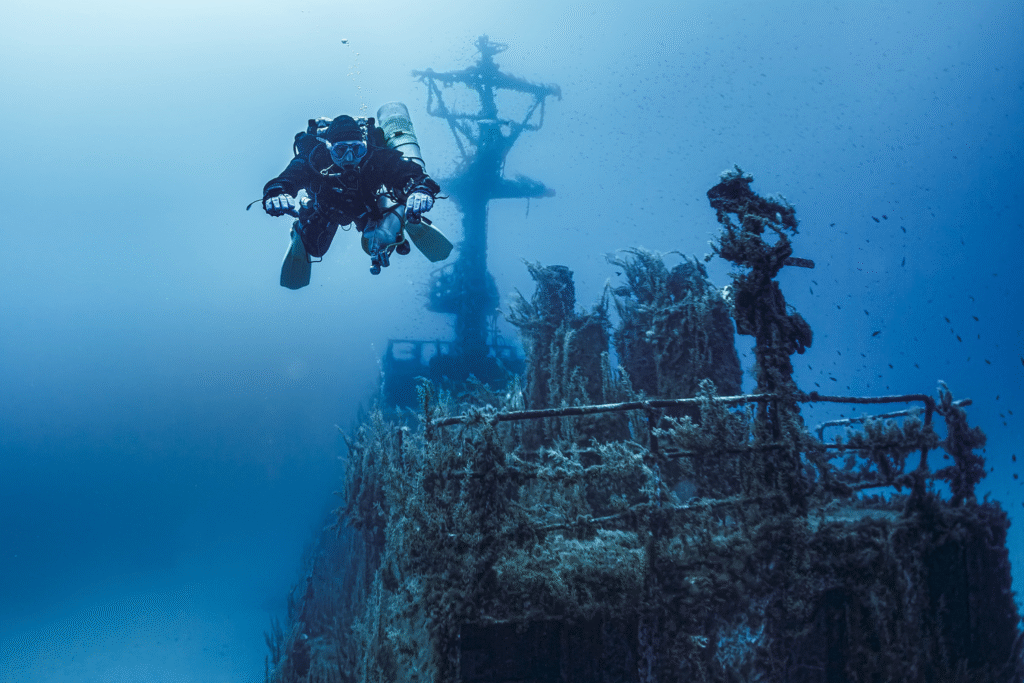
Marine archaeologists caution that the wreck’s greatest value lies in its untouched context. Artifact placement reveals shipboard routines, trade organization, and construction methods that written records rarely capture accurately after centuries, once disturbed they vanish forever from scientific study efforts.
Rapid recovery driven by profit could erase irreplaceable information. Researchers argue for slow documentation, careful mapping, and minimal interference. Preservation allows future technology to extract insights without destroying the story sealed within the seabed over long scientific timelines ahead globally.
7. The estimated value stretches into the billions.
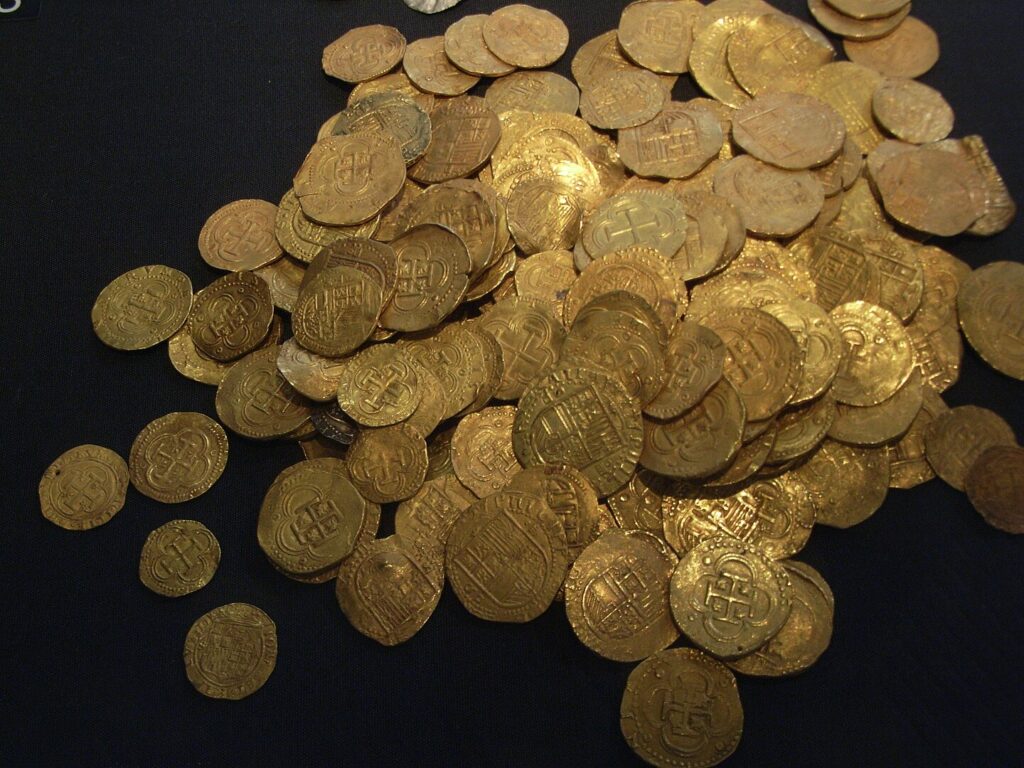
Economists estimate the San Jose cargo could be worth billions today. Gold, silver coins, and emeralds fluctuate in value, making totals uncertain and fiercely debated among governments, investors, and historians worldwide who track commodity markets and legal precedents closely now.
The staggering numbers reshape public attention around the wreck. Financial headlines overshadow cultural context, pushing urgency and competition. That pressure risks accelerating decisions before science and ethics have fully spoken on preservation, research, and long term historical responsibility worldwide today.
8. Colombia plans a controlled scientific recovery.
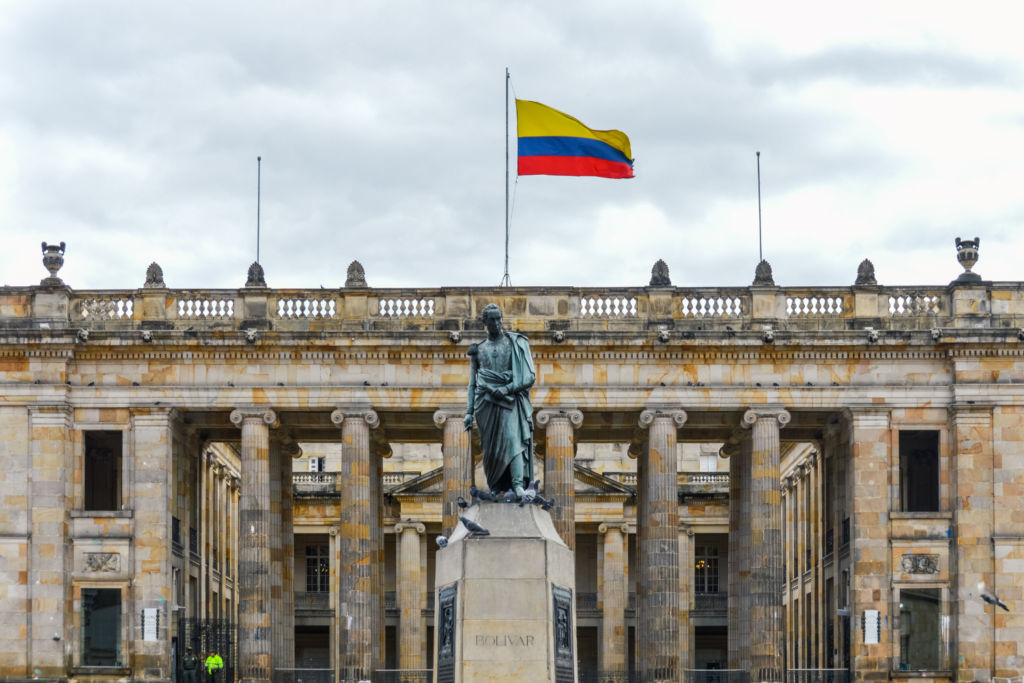
Colombia has outlined a plan for controlled scientific recovery. Officials emphasize mapping, imaging, and conservation first, with artifact removal considered only after extensive documentation by multidisciplinary research teams working under national heritage laws and international oversight frameworks carefully designed recently.
National museums are expected to curate recovered materials for public study. The approach aims to prioritize education over sale, though funding limits and diplomatic pressure continue shaping each decision made by officials, scientists, and courts involved in negotiations today globally.
9. The wreck reshapes understanding of colonial logistics.
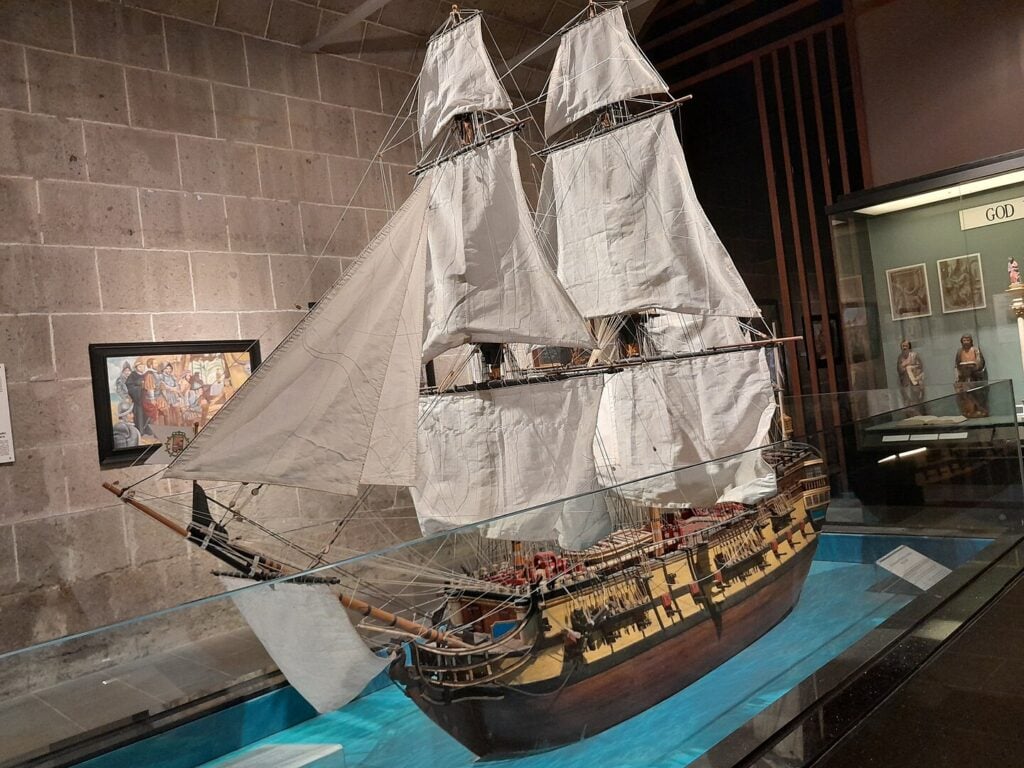
Physical evidence from the wreck reshapes views of colonial logistics. Coin storage, hull design, and cargo organization reveal how empires optimized speed, security, and scale across dangerous Atlantic routes used during wartime convoys and treasure fleets operating continuously overseas then.
Such details rarely survive intact on land. The seabed preserved them in place, offering historians a rare snapshot of global trade mechanics frozen at the moment of catastrophe during early eighteenth century imperial conflict, expansion, and economic rivalry worldwide then.
10. This shipwreck remains a frozen geopolitical fault line.
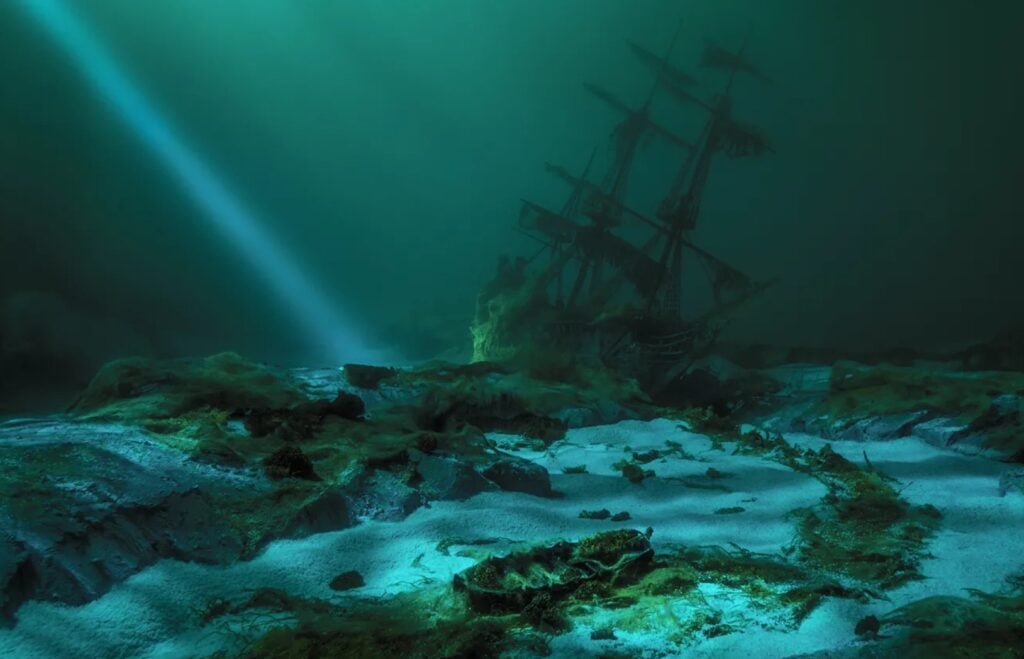
Three centuries after sinking, the San Jose still fuels international tension. Governments, courts, scientists, and corporations clash over control, interpretation, and responsibility tied to the wreck as its significance stretches across history, law, science, and national identity debates today globally.
Its eventual fate will signal how modern societies treat submerged history. Balancing sovereignty, justice, and research will determine whether the wreck becomes a shared archive or another contested resource shaped by power, memory, ethics, and unresolved colonial legacies worldwide today.