
The collapse spreads far beyond the reef.
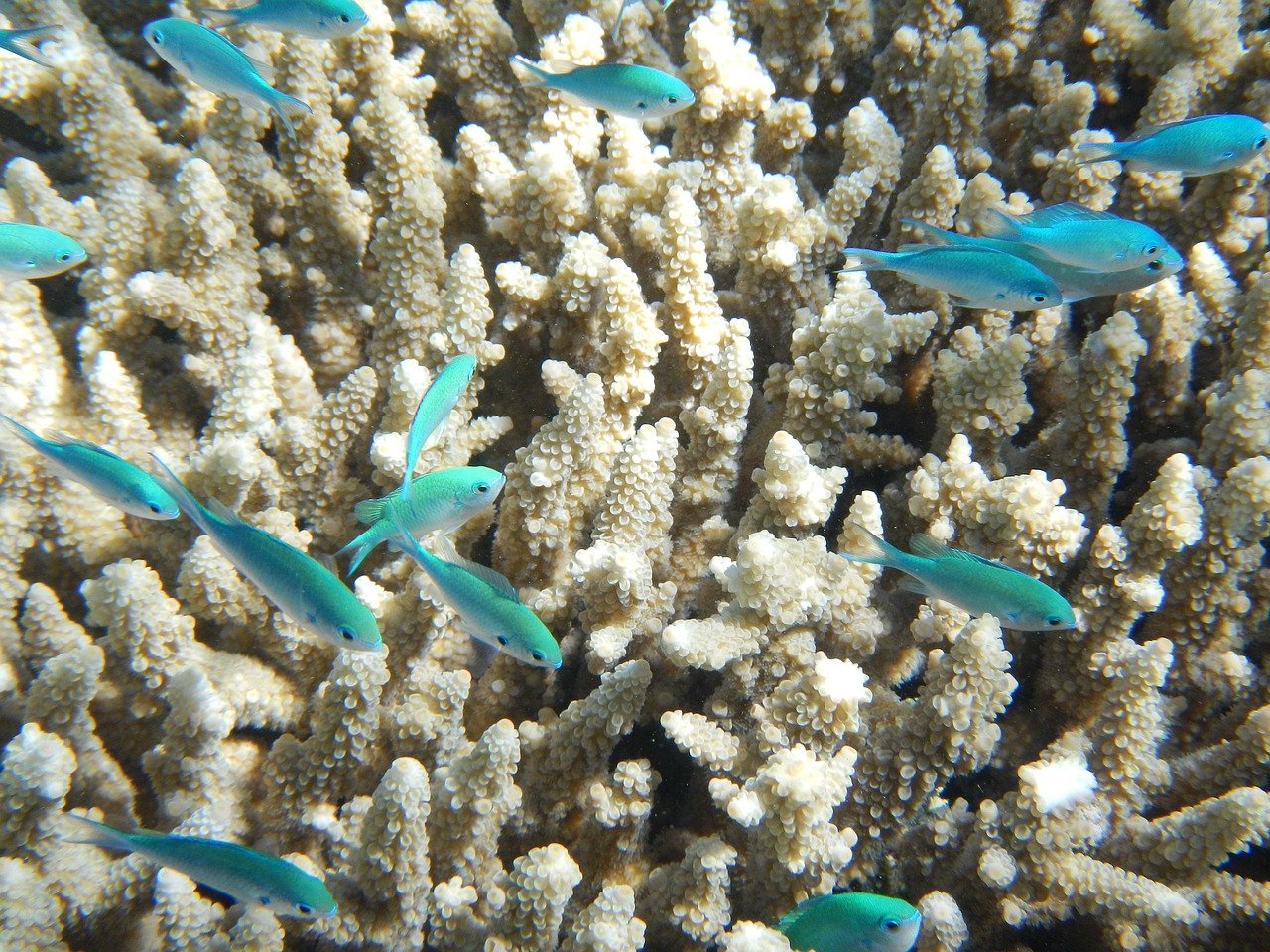
Coral reefs once acted like quiet engines of the sea. From the Great Barrier Reef to the Caribbean, warming waters now push corals past survival thresholds. When reefs finally die, the loss does not stay underwater. It moves through food, coastlines, cultures, and economies, unfolding step by step, reshaping how oceans and people function together across regions and generations worldwide.
1. Bleaching ends the food web quietly below.

Coral bleaching removes the algae that feed reef builders. Without that energy, coral skeletons weaken, then crumble. Fish larvae lose shelter, grazing species disappear, and the base of reef food webs collapses within seasons, not centuries, in places like Florida and northern Australia.
Scientists track this rapid unraveling closely. According to NOAA, widespread bleaching events after 2016 showed reef ecosystems shifting toward algae dominance within years, leaving fewer niches for fish and invertebrates that once kept reefs productive and resilient.
2. Fisheries collapse where reefs once fed communities.
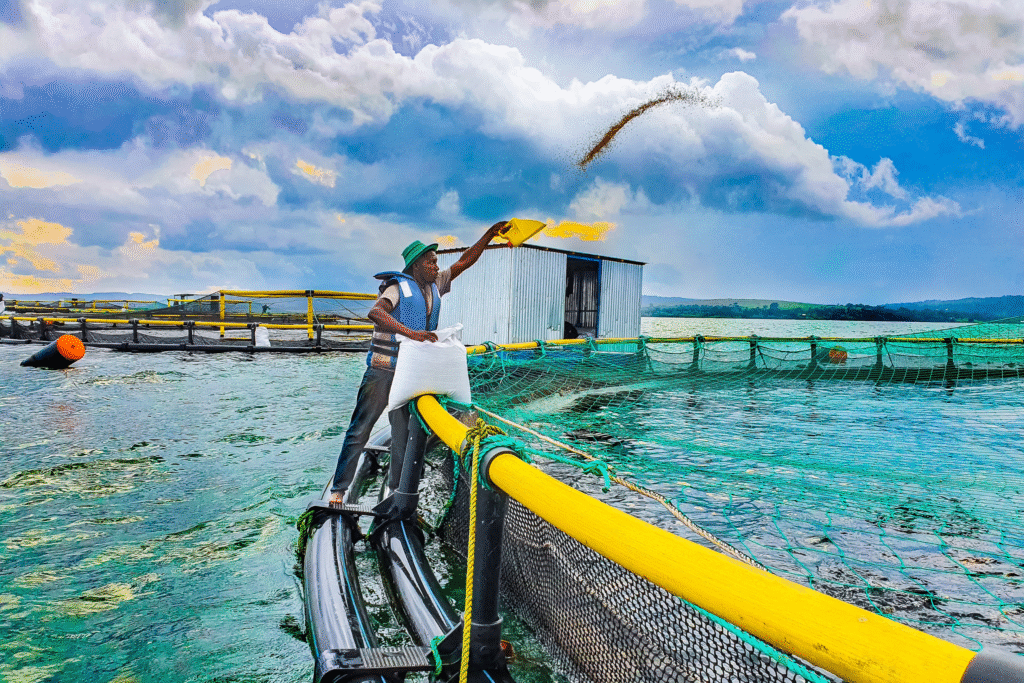
Reefs support coastal fisheries that millions depend on daily. When coral habitat vanishes, juvenile fish survival drops sharply. Catches fall first for small scale fishers in Indonesia, the Philippines, and East Africa, where reefs once buffered communities against hunger locally.
Market prices respond quickly as supply tightens. Processing plants idle, boats travel farther, and risks rise. This pattern has been documented repeatedly in reef dependent regions, as reported by the Food and Agriculture Organization of the United Nations globally today.
3. Coastlines lose protection as living walls vanish.
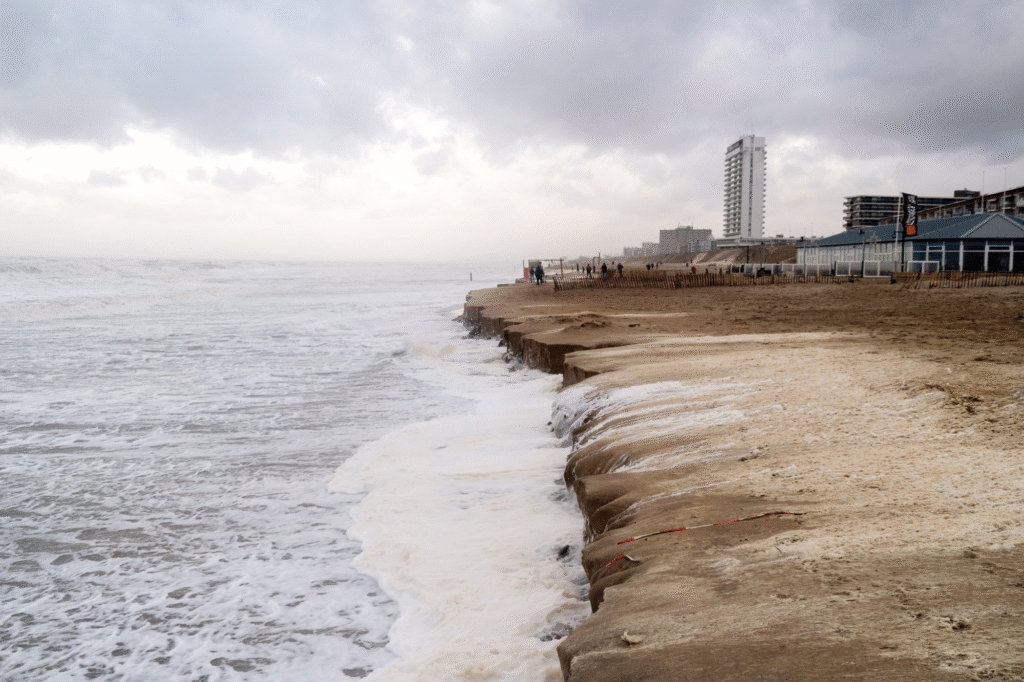
Healthy reefs blunt wave energy before it hits shore. Once they erode, storms reach beaches with greater force. Low lying islands in the Pacific and Caribbean face faster erosion, higher flooding, and salt intrusion into freshwater supplies.
Insurance costs climb and rebuilding cycles shorten. Governments confront choices between retreat and expensive defenses. These risks increase as reef loss accelerates under warming scenarios outlined by the Intergovernmental Panel on Climate Change for coastal populations across developing and developed nations worldwide today.
4. Tourism fades as color drains from water.
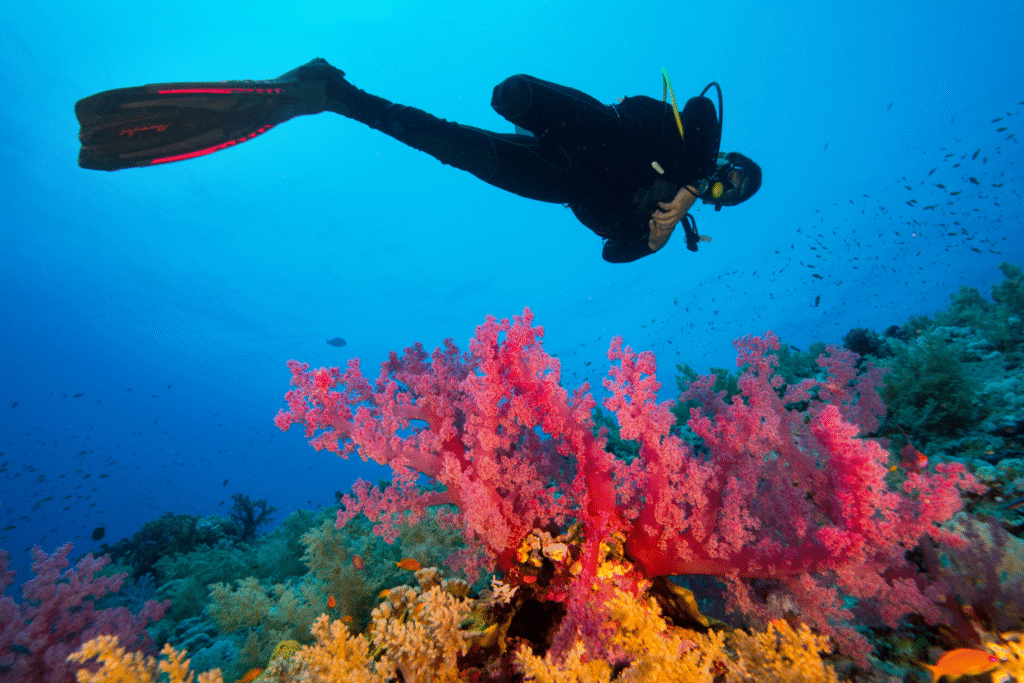
Reef tourism depends on color, fish, and clear water. As coral dies, dive sites lose appeal and visitor numbers slide. Regions like Hawaii and the Red Sea see revenue drop while operators struggle to pivot.
Jobs tied to guiding, lodging, and boats thin out. Younger workers leave coastal towns first, draining skills. Even when reefs are gone, maintenance costs remain, turning once profitable destinations into fragile service economies dependent on seasonal travel and volatile global demand patterns over time alone.
5. Local cultures fracture when reefs stop shaping life.

Reefs shape traditions, diets, and daily rhythms. When they fade, ceremonies tied to fishing seasons lose meaning. Coastal elders describe a break in knowledge transfer, where stories no longer match the changing seascape.
Younger generations adapt quickly, but grief lingers quietly. Identity shifts as work, food, and belief systems adjust. The loss feels personal, not abstract, especially in island nations where reefs framed life for centuries through daily practice and shared memory now fading with environmental change accelerating each year.
6. Carbon cycles shift as oceans warm faster.
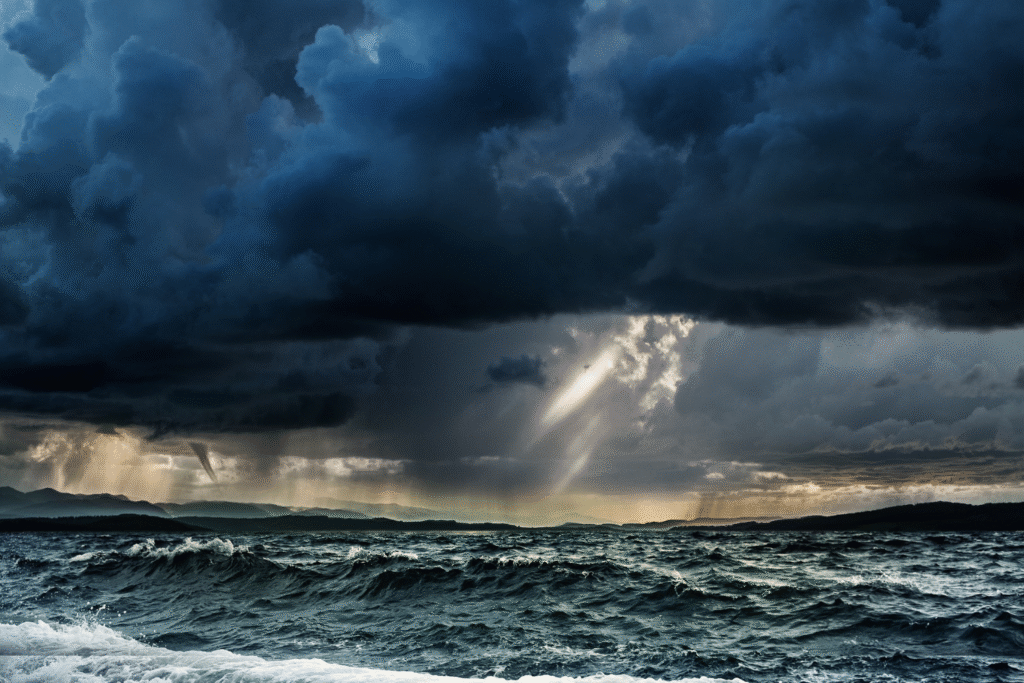
Coral reefs influence how carbon moves locally. Their loss alters plankton communities and sediment processes. As biological balances shift, nearby waters retain more heat, reinforcing warming trends already stressing tropical oceans.
These feedbacks do not stay confined to reefs. Warmer surface waters affect currents, weather patterns, and oxygen levels. The result is a subtle but persistent reshaping of regional climate behavior over time that scientists continue tracking across multiple ocean basins using satellites, buoys, and long term records worldwide today.
7. Predators move inland chasing altered prey paths.
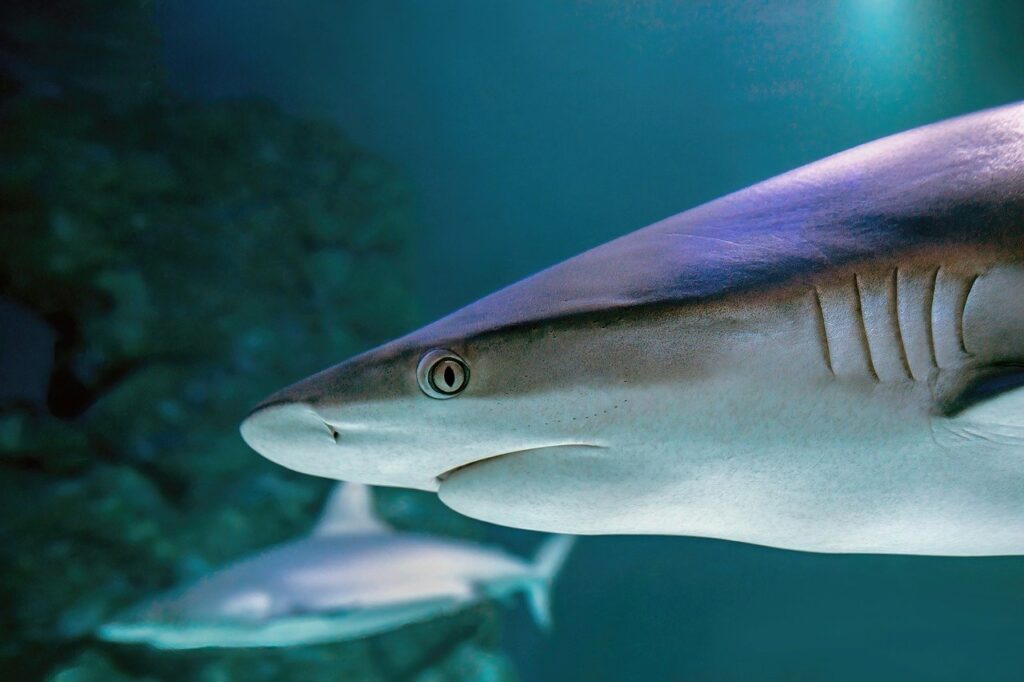
As reef fish decline, predators search elsewhere. Sharks, barracuda, and larger species follow prey toward shallower or unfamiliar waters. This redistribution increases encounters near coasts, changing ecological balances people notice quickly.
Fisheries managers face uncertainty as species ranges blur. Rules built around historical patterns struggle to keep pace. Conflicts rise when conservation goals meet livelihoods dependent on predictable marine boundaries forcing difficult negotiations among nations sharing shifting waters during periods of ecological transition and economic strain for coastal regions globally.
8. Diseases spread where altered waters favor microbes.
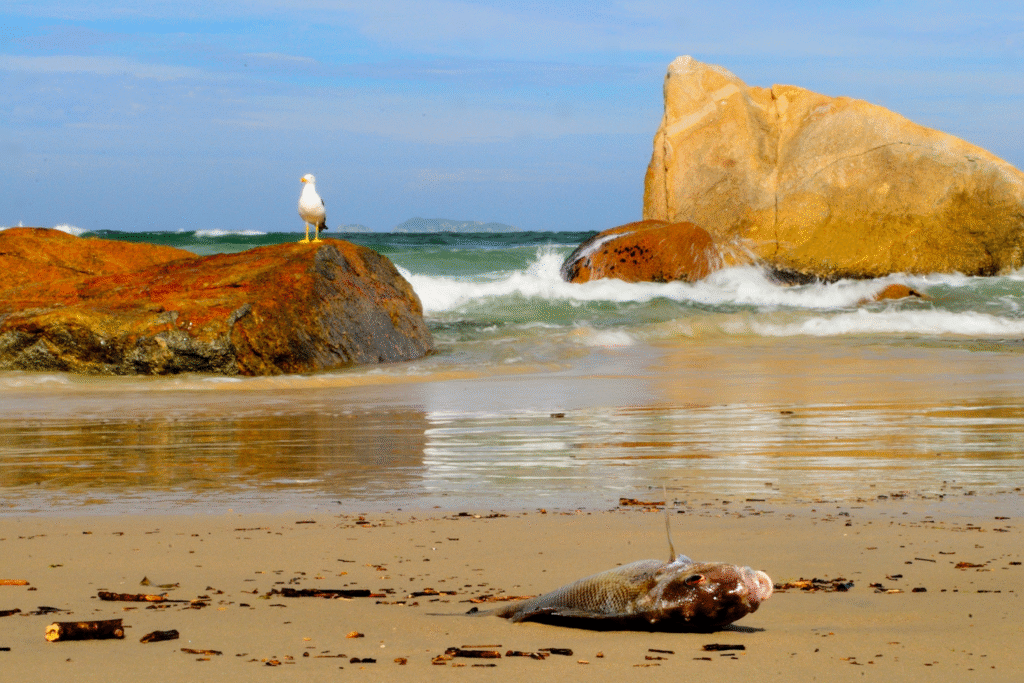
Stressed reefs host different microbial communities. Pathogens that once stayed rare gain footholds as temperatures rise. This shift increases disease risks for fish, invertebrates, and sometimes humans through seafood and water contact.
Outbreaks can cascade through fisheries and tourism sectors. Monitoring programs expand, yet detection often lags spread. Public health planning increasingly considers ocean conditions as part of coastal risk assessments especially in warmer regions with dense populations and limited sanitation infrastructure near vulnerable shorelines during seasonal heat waves now.
9. Recovery attempts lag behind warming timelines globally.
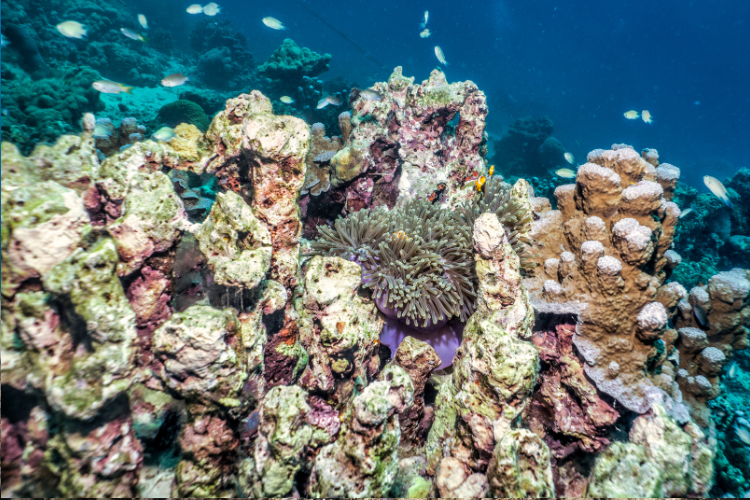
Scientists attempt reef restoration through breeding and shading. These efforts show promise locally but struggle at scale. Warming trends move faster than planting, buying limited time for adaptation.
Policy responses face similar timing gaps. Emissions cuts progress unevenly while oceans continue absorbing heat. Without broader climate stabilization, recovery projects risk becoming temporary pauses rather than lasting solutions in a rapidly changing planetary system that challenges existing governance frameworks worldwide at local and international levels over coming decades without delay today.
10. Human diets change as reef protein disappears.

Reefs contribute protein to millions of plates. As they vanish, diets shift toward imported or farmed sources. This transition raises costs and alters nutrition, especially in regions with limited alternatives.
Food security planning expands beyond land agriculture. Coastal nations reassess resilience as marine staples decline. The ripple reaches markets, health systems, and household choices, quietly reshaping daily life in ways tied directly to ocean change rather than distant abstract environmental debates faced by families worldwide over time as reefs disappear.