
Routes change as researchers track unsettling ocean signals.
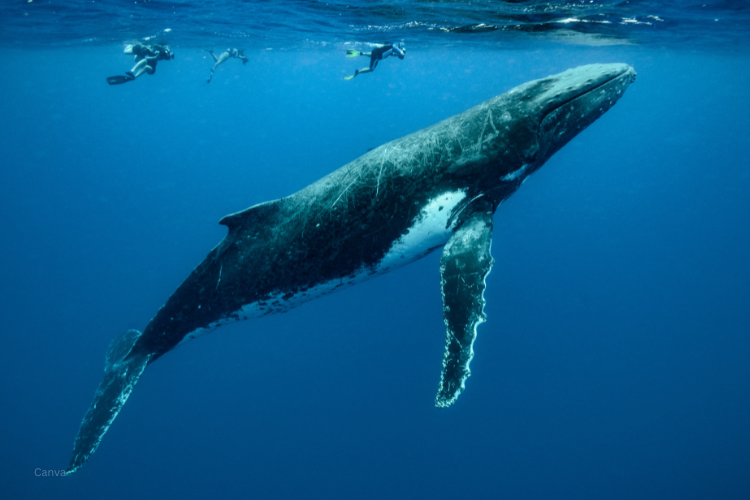
Across oceans from Alaska to Antarctica, whales are arriving early, skipping feeding grounds, or turning back entirely. Researchers tracking blue, humpback, and gray whales since 2018 see routes bending in unfamiliar ways. These shifts are not random wanderings. They intersect with warming seas, altered prey, noise, and human traffic, raising urgent questions about survival, reproduction, and ocean stability globally today.
1. Warming seas are redrawing ancient migration maps.
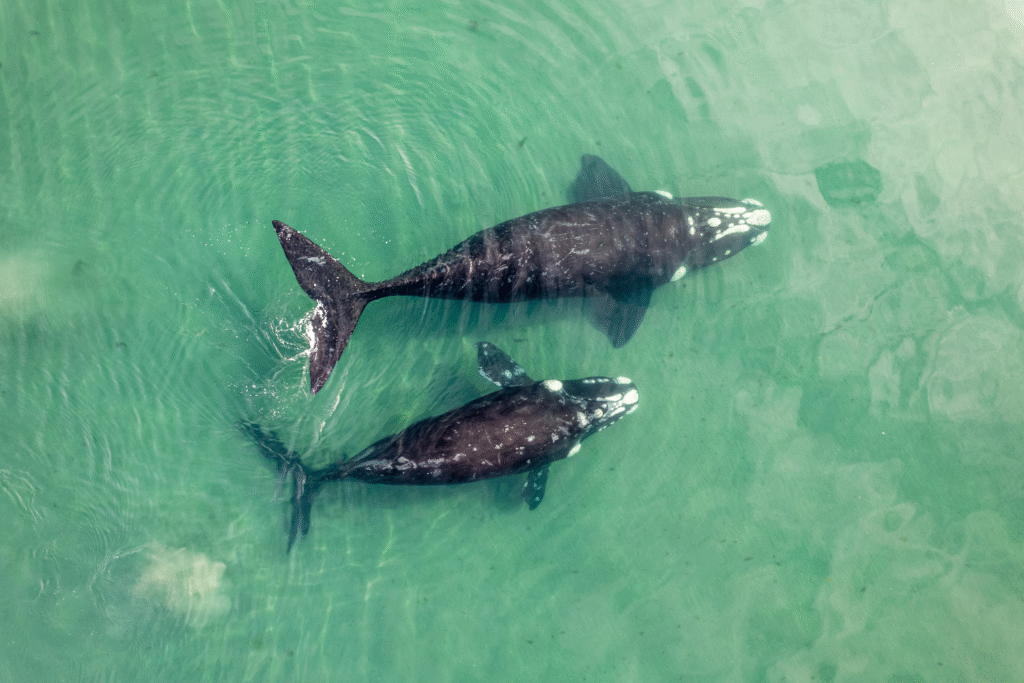
Satellite tags show humpbacks leaving Pacific corridors weeks earlier, missing krill blooms that once fueled migrations. Off California and British Columbia, surface temperatures surged after 2019 marine heatwaves, shifting plankton timing. Whales follow food, not calendars, so routes bend accordingly
Researchers worry because altered paths increase energy costs and calf mortality during longer swims. Feeding failures echo across seasons, compounding stress. These patterns align with ocean heat content trends documented by NOAA, suggesting climate driven route changes persist globally now
2. Prey movements are shifting faster than expected.
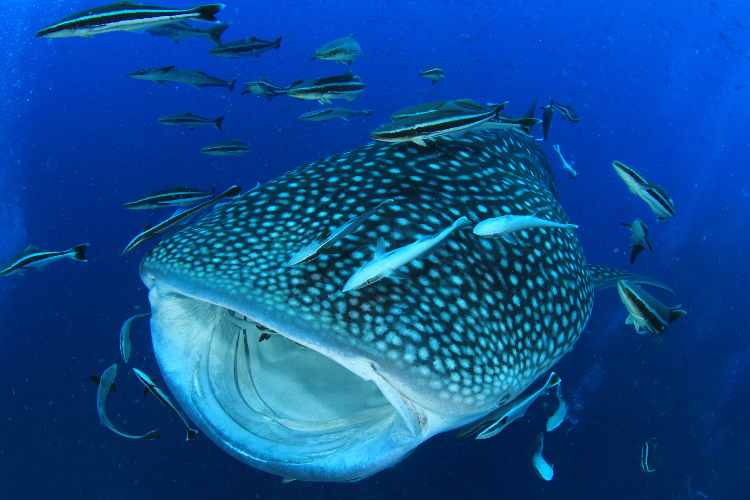
Acoustic surveys reveal copepods and krill relocating deeper or poleward as oxygen and temperature change. In the Southern Ocean near the Antarctic Peninsula, humpbacks linger offshore longer, waiting for prey that now peaks later. Delays disrupt synchronized feeding windows there
Whales arriving off schedule face leaner conditions, burning reserves meant for reproduction. Calves born after poor feeding seasons show lower survival. The mismatch mirrors ecosystem timing shifts described in Nature, where climate driven phenology changes cascade upward through food webs
3. Noise and traffic are confusing navigational cues.
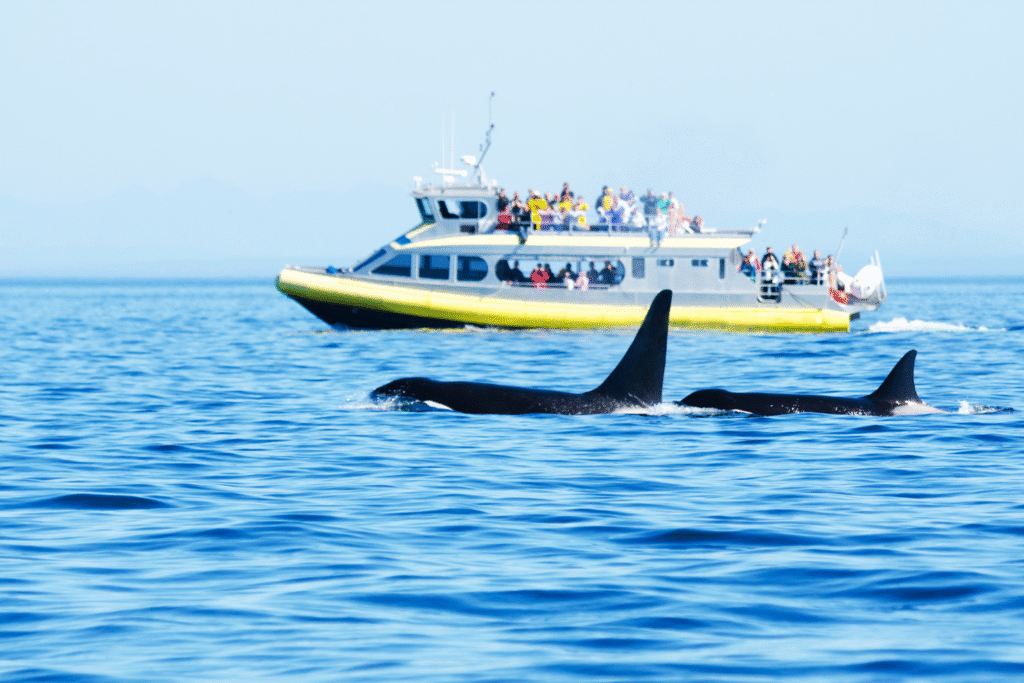
Shipping lanes intensified near Panama, the Mediterranean, and Asia since 2020, layering constant low frequency noise. Whales rely on sound to orient and communicate. Chronic noise masks landmarks, scatters groups, and nudges migrations away from historic paths toward quieter waters
Displacement raises collision risk and stress hormones, already high in busy corridors. Mothers with calves are especially vulnerable when cohesion breaks. Growing concern reflects guidance from the International Whaling Commission, which reports movement patterns near heavy traffic zones across populations
4. Melting ice is opening misleading new corridors.

In the Arctic, gray whales explore passages through thinning ice north of Alaska and Russia. Seasonal openings appear navigable, then refreeze or collapse. These false corridors can trap animals, force retreats, and waste precious energy during already demanding migrations there
Scientists fear increasing exploration will expose whales to predators, shipping, and unfamiliar acoustics. Young animals lack experience judging ice stability. As polar change accelerates, routes once avoided become tempting shortcuts, carrying risks that migration knowledge never prepared populations to manage
5. Cultural knowledge may be breaking between generations.

Many whale species learn routes socially, passing landmarks from elders to calves. When experienced leaders die from strikes or entanglement, groups lose memory. New paths emerge through trial, error, and loss, making migrations noisier, longer, and less predictable across basins
Scientists tracking matrilines notice younger whales experimenting more often, sometimes succeeding, sometimes failing. Loss of shared memory increases vulnerability during rapid change. Without stable teachers, migration becomes improvisation, raising uncertainty about how quickly populations can adapt without suffering demographic costs
6. Chemical pollution may be warping sensory systems.
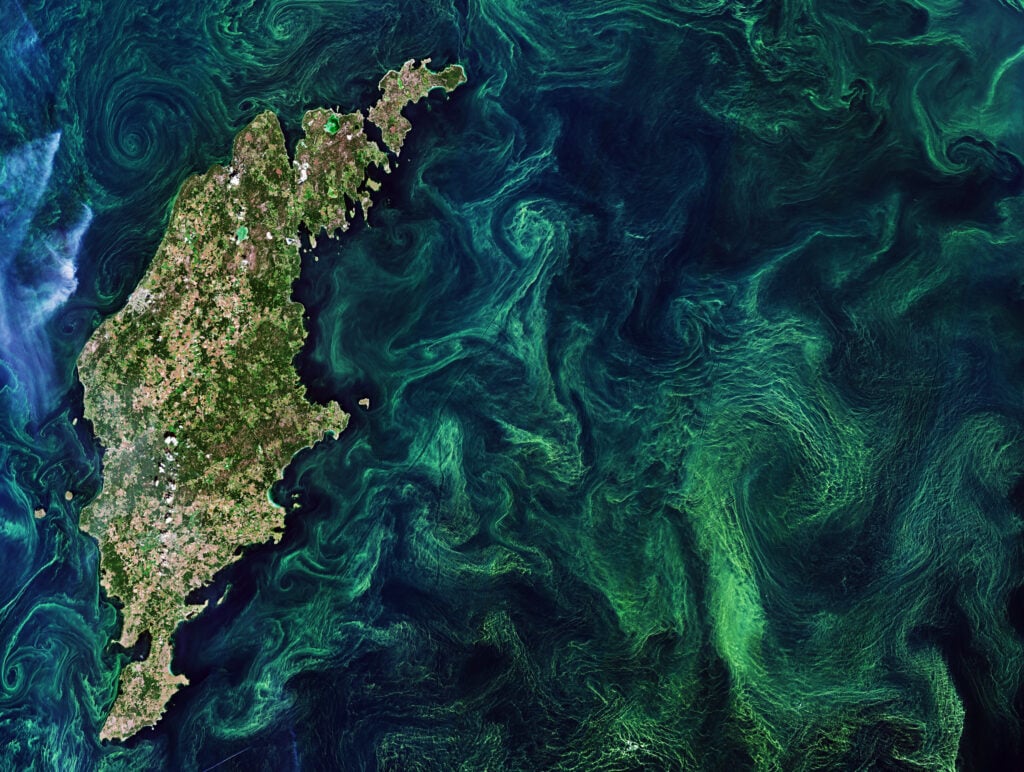
Persistent pollutants accumulate in blubber, affecting hormones tied to navigation and reproduction. In coastal hotspots near the Gulf of Mexico and East Asia, toxins concentrate through food webs. Subtle neurological impacts may dull orientation cues, pushing whales off course distances
Evidence remains indirect, yet correlations worry toxicologists. Even minor sensory disruption compounds with noise and warming. As contamination persists for decades, its quiet influence on movement could linger unseen, complicating recovery even when other pressures are reduced for whales globally
7. Fishing gear hazards are reshaping safer paths.

Entanglement risk rises along productive shelves where nets and lines concentrate. Whales appear to detour offshore, bypassing historic feeding edges near New England, Chile, and Japan. Avoidance reduces immediate danger but forces longer travel and less reliable access to prey
Such rerouting hints at learning under pressure. Populations survive, yet efficiency drops. Over time, energetic deficits can reduce fertility and resilience. Scientists fear cumulative effects as fisheries expand, squeezing migration options between risk and hunger across busy seas worldwide today
8. Extreme weather disrupts timing and orientation cycles.
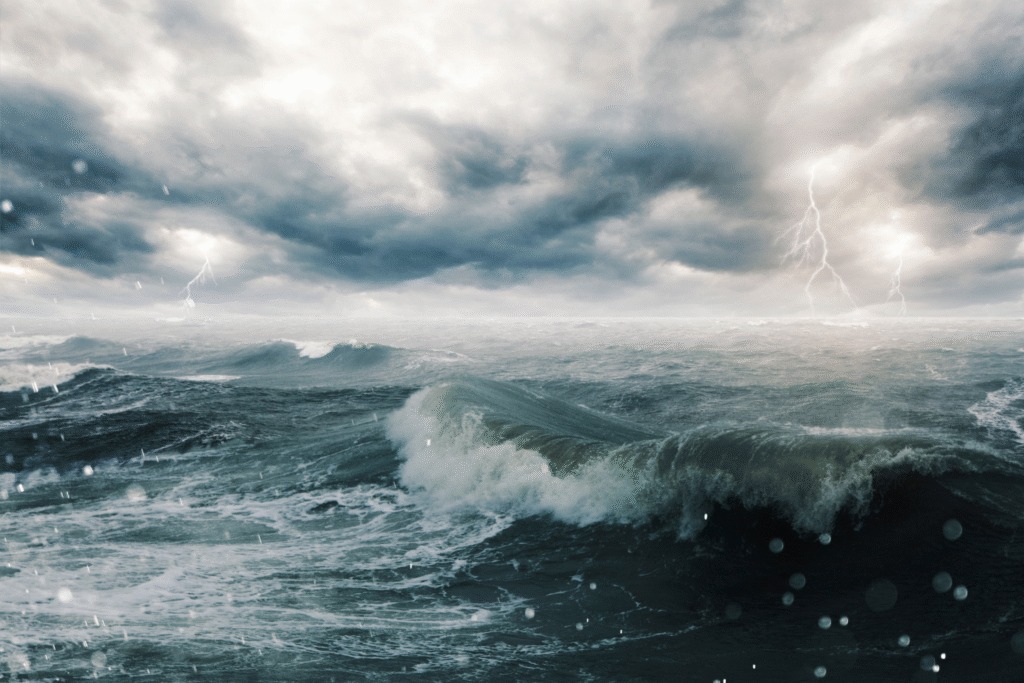
Stronger storms alter currents and acoustic conditions suddenly. In the North Atlantic, intensifying hurricanes scatter prey and force evasive movement. Whales encountering chaotic seas may pause, reverse, or split from groups, fracturing coordinated migrations shaped for steadier climates historically there
Disorientation raises separation risk for calves and mothers. Missed feeding windows compound stress afterward. As extreme events cluster closer together, recovery time shrinks, leaving whales perpetually adjusting rather than settling into predictable seasonal rhythms that once anchored survival patterns globally
9. Disease stress may alter collective decision making.
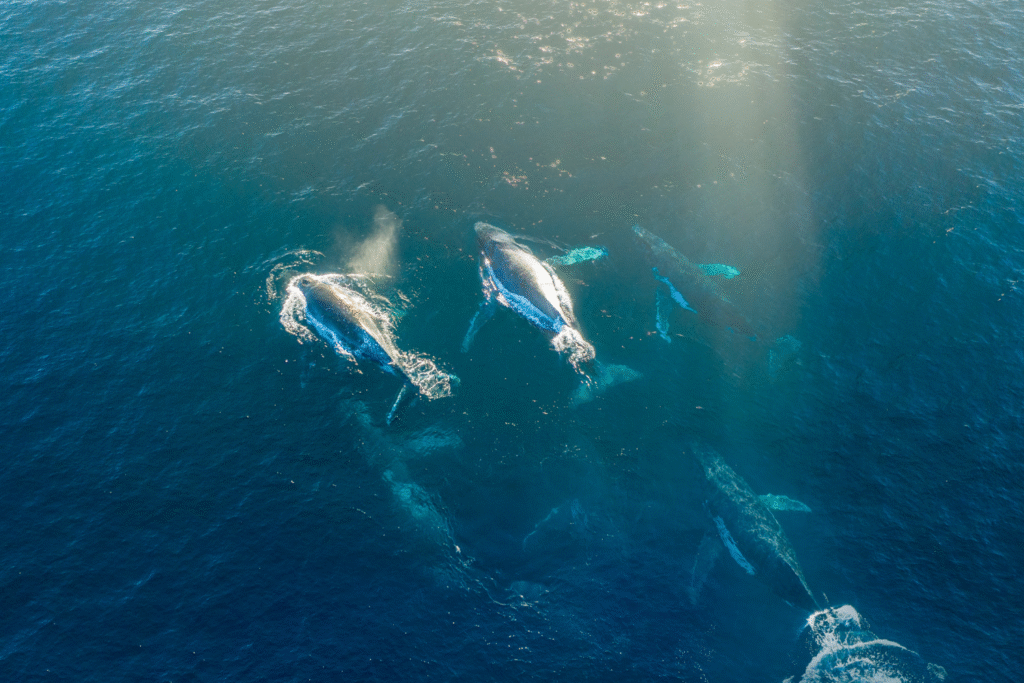
Emerging pathogens and harmful algal toxins weaken individuals, especially during feeding shortfalls. Sick whales lag or drop out, disrupting group cohesion. When leaders falter, remaining members choose alternate routes, sometimes abandoning traditional destinations in favor of nearer, suboptimal habitats instead
Health related detours mask deeper problems. Observers may misread choice where constraint rules. As oceans warm, disease exposure rises, making behavioral signals harder to interpret. Migration shifts could be symptoms of declining health rather than adaptive exploration alone increasingly often
10. Human response windows are narrowing rapidly now.
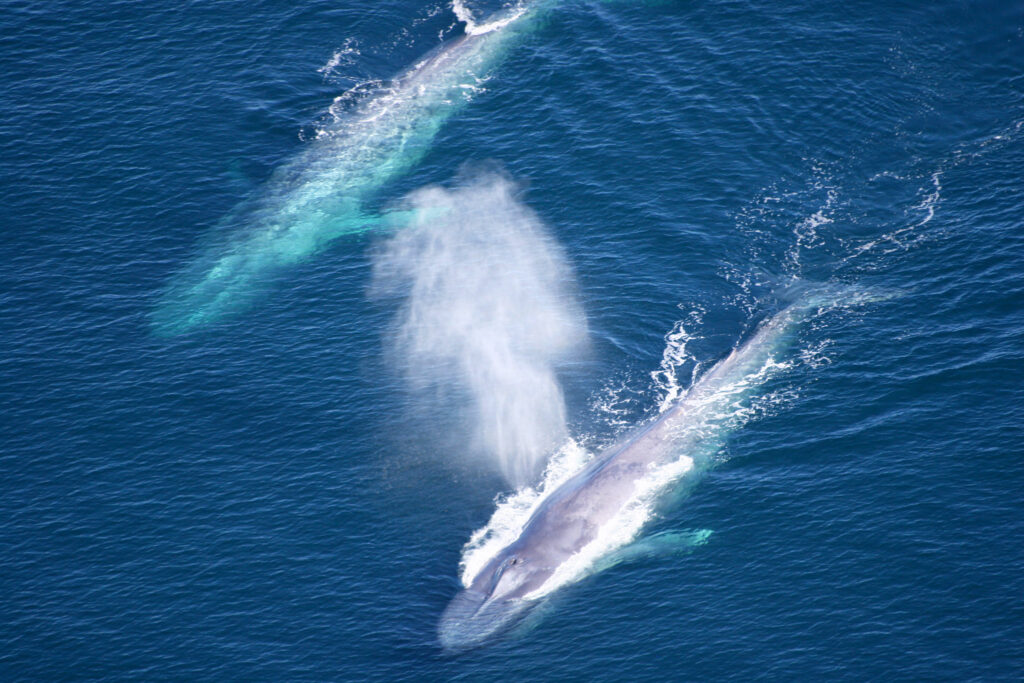
Migration changes complicate protection plans built around fixed corridors and seasons. Speed restrictions, sanctuaries, and surveys lag behind moving targets. By the time rules adjust, whales may already have shifted again, staying just ahead of measures designed to reduce harm
Scientists emphasize urgency without panic. Tracking improves yearly, yet policy moves slowly. Understanding why routes change determines whether responses help or hinder. Each season of delay risks locking whales into riskier paths that become normalized through repeated use over time