
Small creatures are signaling planetary change early.

Across forests, wetlands, and coasts, small shifts in animal behavior are exposing a larger story. Frogs breed earlier, foxes roam new ground, and fish abandon familiar waters. These changes appear subtle, yet scientists tracking populations since the early 2000s see clear links to rising temperatures, altered seasons, and disrupted food chains that ripple through ecosystems worldwide today across the planet.
1. Frogs are breeding earlier as seasons shift.
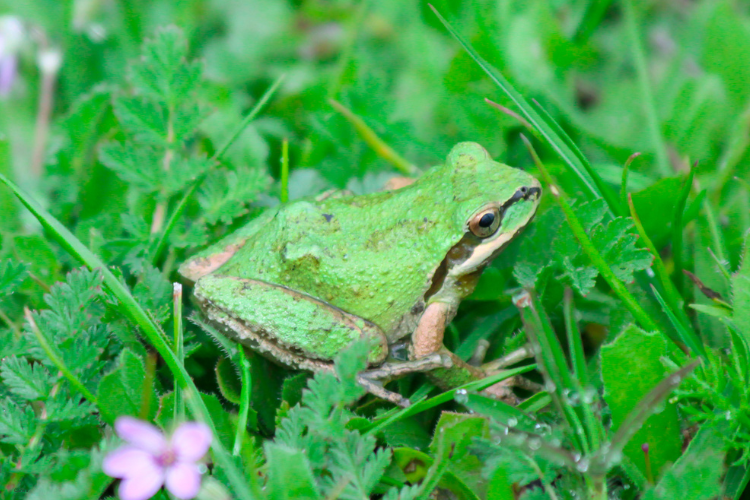
In California and France, chorus frogs now begin calling weeks sooner than records from the 1990s. Earlier rains and warmer nights accelerate development, compressing life cycles and exposing eggs to cold snaps, according to the Intergovernmental Panel on Climate Change.
Those lost eggs reduce recruitment the following year, thinning local populations. When breeding timing slips out of sync with insects and algae, tadpoles face food shortages, revealing how temperature nudges can destabilize entire freshwater communities across many regions today globally.
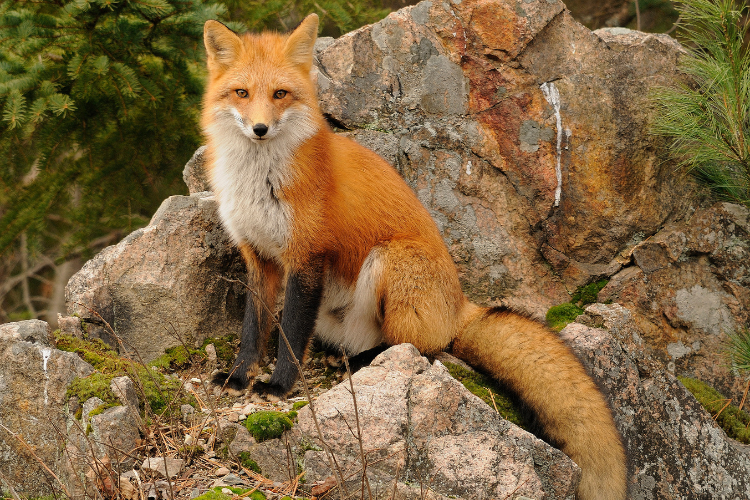
2. Foxes are expanding north as winters weaken.

Red fox sightings increased across northern Scandinavia after consecutive mild winters reduced snow cover. Easier travel and higher prey survival favor fox expansion, while Arctic foxes retreat, a pattern documented in long term surveys as reported by Nature Climate Change.
This quiet reshuffling alters predator pressure on birds and rodents, changing seed dispersal and vegetation recovery. Scientists worry that adaptable generalists will outcompete specialists, accelerating biodiversity loss in cold regions already warming faster than the global average in recent decades.
3. Fish abandon historic waters as heat rises.
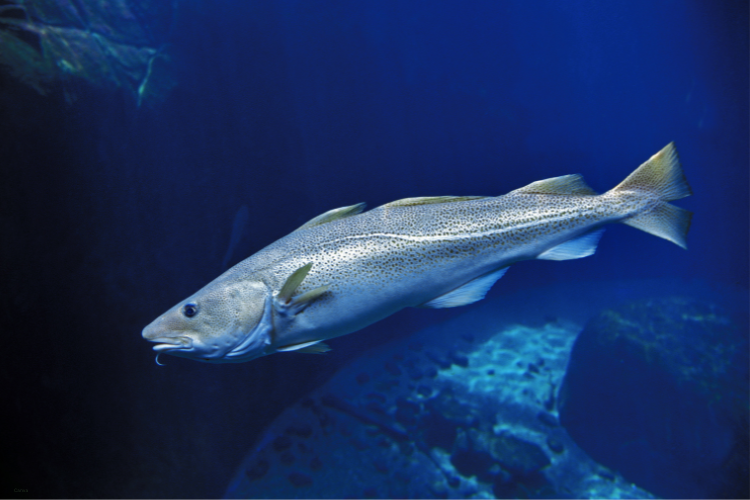
In the North Atlantic, Atlantic cod shifted deeper and poleward after marine heatwaves in 2012 and 2018. Tagging data show sustained displacement, reducing catches near New England ports, as stated by the Food and Agriculture Organization of the United Nations.
Fish on the move disrupt fisheries, predator diets, and coastal economies. Warmer water also holds less oxygen, stressing bodies and altering growth. These combined pressures explain why shifting ranges often signal declining resilience rather than successful adaptation in many seas.
4. Changing timing exposes fragile early life stages.
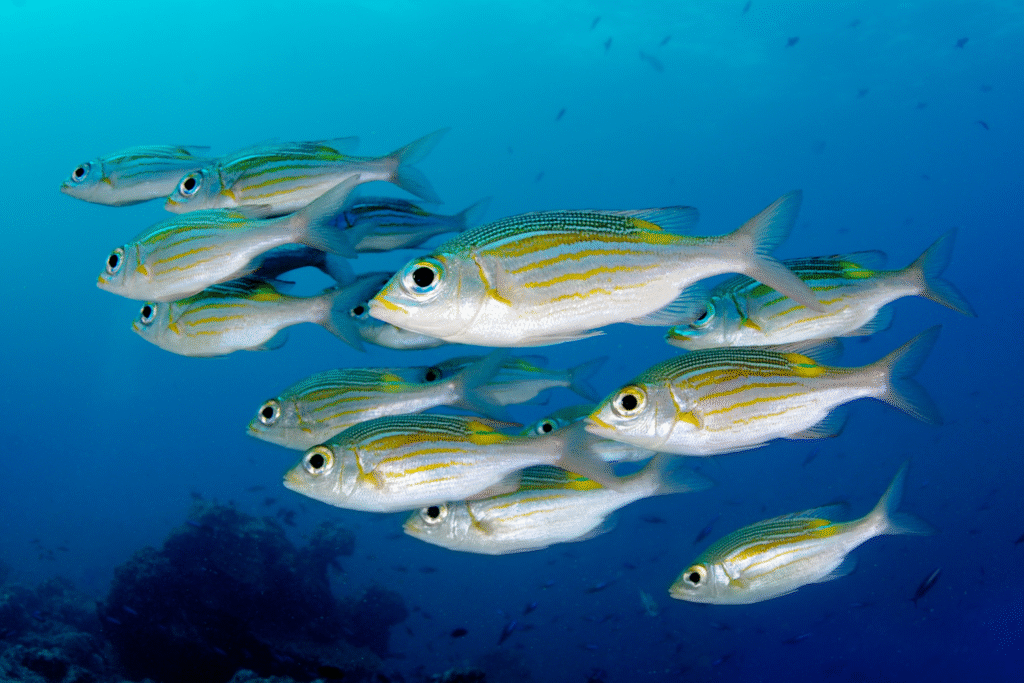
When spring arrives sooner, hatchlings and larvae emerge before food peaks. In mountain ponds of Colorado and alpine streams of Italy, mismatched timing leaves young amphibians and fish vulnerable to starvation during brief developmental windows that shape survival rates locally.
Adults may survive these shifts, masking damage until recruitment collapses. Scientists tracking age structure notice fewer juveniles years later, a delayed signal that complicates management and creates the illusion of stability just before declines accelerate across monitored populations worldwide today.
5. Behavior changes reveal stress before deaths appear.
Frogs call less, foxes forage longer, and fish school tightly under stress. These subtle shifts show rising metabolic demand and anxiety driven by heat, low oxygen, or scarce prey, offering early warnings before population crashes occur in natural systems everywhere.
Researchers increasingly rely on behavior as a diagnostic tool. Movement, feeding, and breeding patterns respond quickly to temperature, making animals living sensors that reflect environmental change faster than traditional monitoring methods alone used by scientists across continents today widely now.
6. Regional warming creates winners alongside sudden losers.
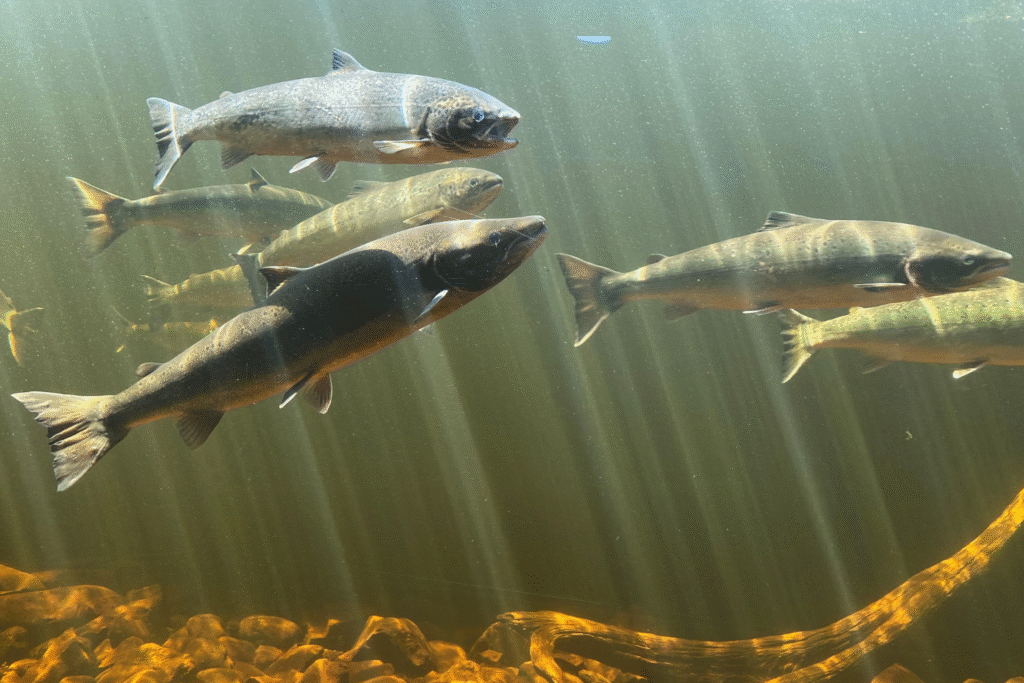
Foxes and some warm water fish expand ranges, while cold adapted frogs and salmon struggle. This uneven response reshapes food webs, favoring flexibility over specialization and amplifying competition in habitats where space and resources already feel constrained by climate pressure.
Scientists emphasize that gains do not cancel losses. When specialists vanish, ecosystem functions unravel, reducing stability. Short term increases in adaptable species often precede longer declines as systems simplify and become less resilient to disturbance across warming regions worldwide now.
7. Local observations are aligning with global data.

Indigenous communities in Alaska, farmers in Spain, and fishers in Japan report the same shifts scientists measure. Local calendars no longer match animal arrivals, reinforcing satellite and survey data showing synchronized biological responses to warming across oceans, rivers, forests, fields.
This convergence builds confidence in projections. When independent knowledge systems agree, uncertainty narrows. Scientists say such alignment rarely happens by chance, strengthening the case that climate change is the dominant driver behind observed biological change across multiple species groups now.
8. These species act as early warning messengers.
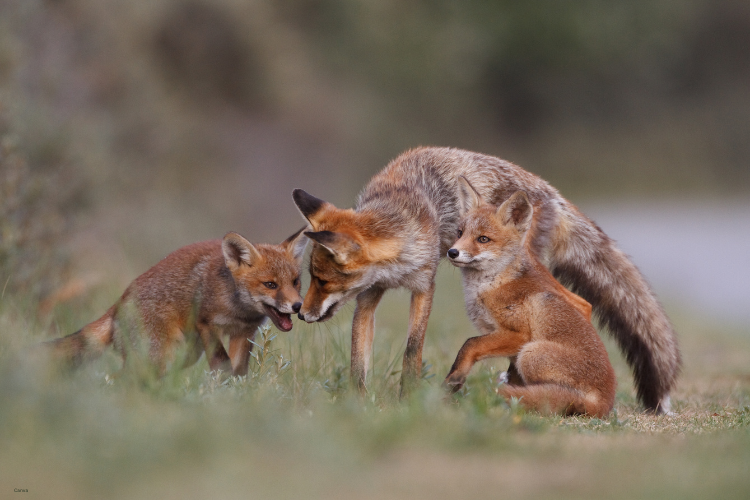
Frogs, foxes, and fish respond quickly to environmental thresholds humans barely notice. Their shifts compress decades of change into observable signals, allowing scientists to read the future of ecosystems before irreversible damage fully unfolds across landscapes, waters, climates, regions, globally.
The message is not abstract or distant. By listening to these animals now, societies gain time to adjust conservation, fisheries, and land use. Ignoring them risks discovering the warning only after silence replaces once familiar life across shared environments everywhere.