
A generational shift is reshaping how belief fits into daily life.

It rarely begins with a single moment. More often, it unfolds slowly, across years of small questions, shifting priorities, and changing expectations. What once felt automatic starts to feel less certain, then less necessary. For many, the distance grows gradually, shaped by experiences that do not always have clear turning points. What makes this shift stand out is not just how many people are involved, but how consistently the same patterns appear. Something about the way meaning, trust, and belonging are being understood is changing, and the places that once defined them are no longer holding the same weight.
1. Institutional trust eroded long before belief faded.

Many Millennials grew up during waves of public scandals involving religious institutions. Reports of abuse, financial misconduct, and cover ups circulated widely, often dominating national headlines during formative years. For young adults already skeptical of authority, these revelations created lasting doubt about institutional integrity.
Loss of trust did not erase spiritual curiosity, but it changed where people were willing to place it. According to Pew Research Center, Millennials report significantly lower confidence in religious organizations compared to older generations, reflecting a broader pattern of institutional skepticism shaped by repeated public failures.
2. Moral authority became tangled with partisan politics.

As religious institutions increasingly aligned themselves with political movements, many Millennials felt excluded or misrepresented. Sermons, statements, and leadership positions often echoed partisan talking points rather than shared moral principles, creating discomfort for those with diverse views.
This blending blurred the line between faith and political power. For Millennials navigating complex social issues, rigid political messaging felt limiting rather than guiding. As reported by Gallup, younger adults consistently express discomfort with religious leaders influencing political decisions, viewing it as a departure from spiritual purpose.
3. Social values shifted faster than doctrine responded.

Millennials came of age during rapid cultural change around gender, sexuality, race, and identity. Many religious institutions responded slowly or defensively, reinforcing teachings that felt misaligned with lived experience. This created tension between personal values and institutional positions.
For some, staying meant suppressing empathy or relationships that mattered deeply. Leaving became an act of integrity rather than rejection. As stated by the Public Religion Research Institute, Millennials are more likely to disengage when religious teachings conflict with inclusion, fairness, and social equality.
4. Spiritual exploration moved outside formal structures.

Walking away from organized religion did not necessarily mean abandoning spirituality. Many Millennials continue to explore meaning through meditation, philosophy, nature, or personal reflection. These paths offer flexibility without hierarchy or fixed doctrine.
Self directed exploration allows beliefs to evolve alongside life experience. Without formal membership requirements, spirituality feels adaptable rather than prescriptive. This shift reflects a preference for personal agency over inherited frameworks, especially among those wary of rigid systems defining truth or morality.
5. Time and economic pressure reshaped priorities.

Millennials entered adulthood amid economic instability, student debt, and rising housing costs. Weekly commitments tied to organized religion often felt unrealistic when schedules were unpredictable and resources stretched thin.
Attendance declined not from apathy but from exhaustion. When survival requires constant adjustment, optional obligations fall away. Religious institutions struggled to adapt to lives structured around gig work, long commutes, and financial uncertainty, widening the distance between congregations and daily reality.
6. Community no longer requires shared belief.

Previous generations often relied on religious spaces for social connection. Millennials, however, found community through online platforms, shared interests, and social causes. Belonging no longer depended on shared doctrine.
This shift reduced religion’s social necessity. Friendships formed around identity, creativity, and activism rather than worship schedules. Without the pressure of social isolation, leaving organized religion carried fewer consequences, making disengagement easier and less emotionally risky.
7. Questions were met with certainty instead of dialogue.

Many Millennials describe early experiences where doubt was discouraged rather than explored. Complex questions about suffering, science, or ethics were often met with firm answers instead of conversation.
That approach clashed with a generation trained to question systems and seek evidence. Curiosity felt unwelcome. Over time, environments resistant to inquiry lost relevance. Millennials gravitated toward spaces where uncertainty was allowed and intellectual exploration encouraged without fear of judgment.
8. Religious language felt disconnected from lived experience.
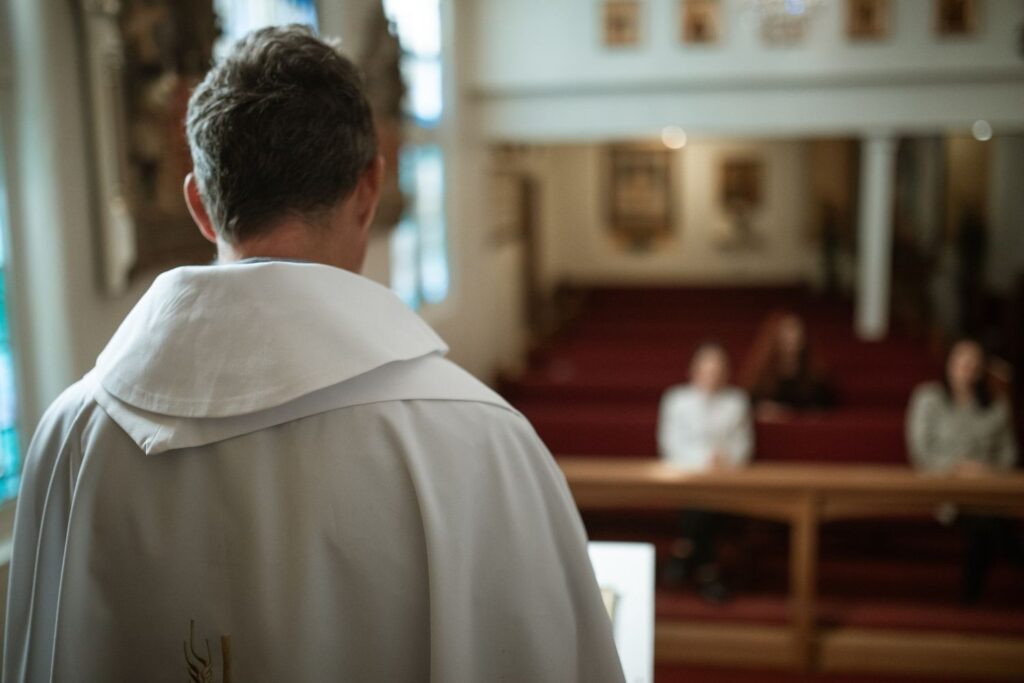
Traditional religious language often relies on metaphor, ritual, and historical reference. For Millennials, that language sometimes felt distant from modern struggles around mental health, identity, and social justice.
When teachings failed to address contemporary realities clearly, they felt abstract. Without translation into daily life, messages lost impact. This gap made organized religion feel outdated rather than grounding, especially for those seeking practical guidance during turbulent personal and social moments.
9. Authority structures felt rigid and unaccountable.

Hierarchical leadership models common in organized religion contrasted sharply with Millennial expectations of transparency and accountability. Decisions made without community input fostered disengagement.
Younger adults expect dialogue, not directives. When leadership resisted change or feedback, trust eroded further. Institutions slow to reform governance structures struggled to maintain relevance in a culture increasingly shaped by participation rather than obedience.
10. Meaning is now built rather than inherited.

Millennials are less likely to accept belief systems simply because they were passed down. Meaning is assembled through experience, relationships, and reflection rather than tradition alone.
This approach does not reject faith outright. It redefines how faith is formed. Organized religion, built on continuity and inheritance, faces tension with a generation prioritizing personal construction of meaning. The result is not emptiness, but a reshaped spiritual landscape.