
A small coin is about to change everything.
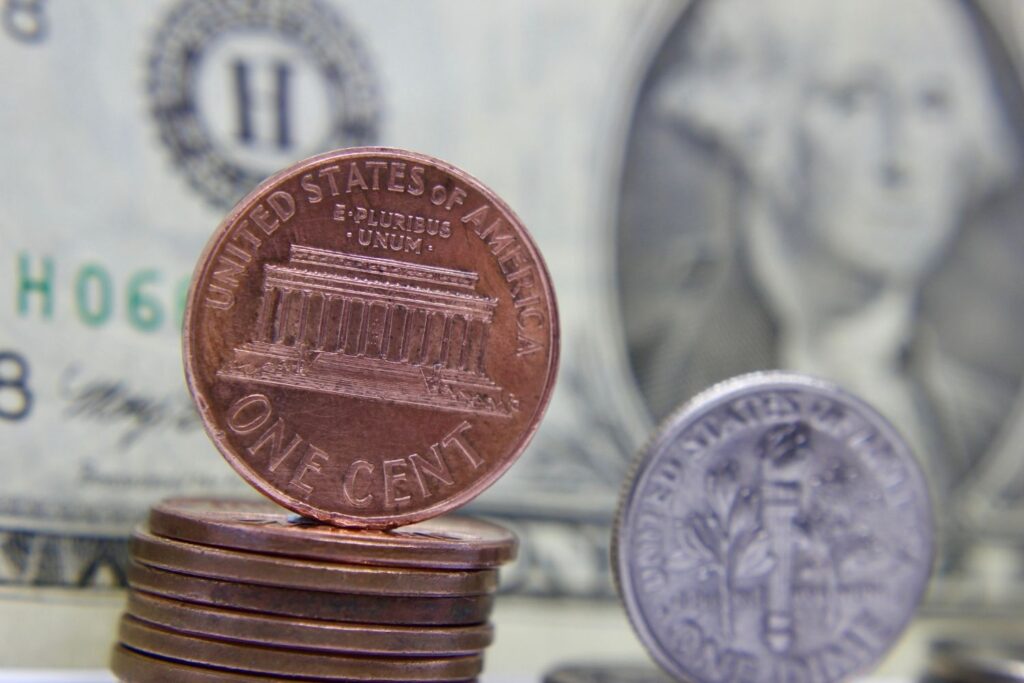
For more than a century, the penny lingered in pockets, jars, and couch cushions, quietly losing relevance. Now the United States is preparing for a future without it. The change is not about nostalgia or convenience alone. It touches pricing, psychology, cash handling, and how Americans think about value. What follows the penny is not a single replacement, but a chain reaction that reshapes everyday transactions in ways most people have not fully considered yet.
1. The penny costs more than it earns.
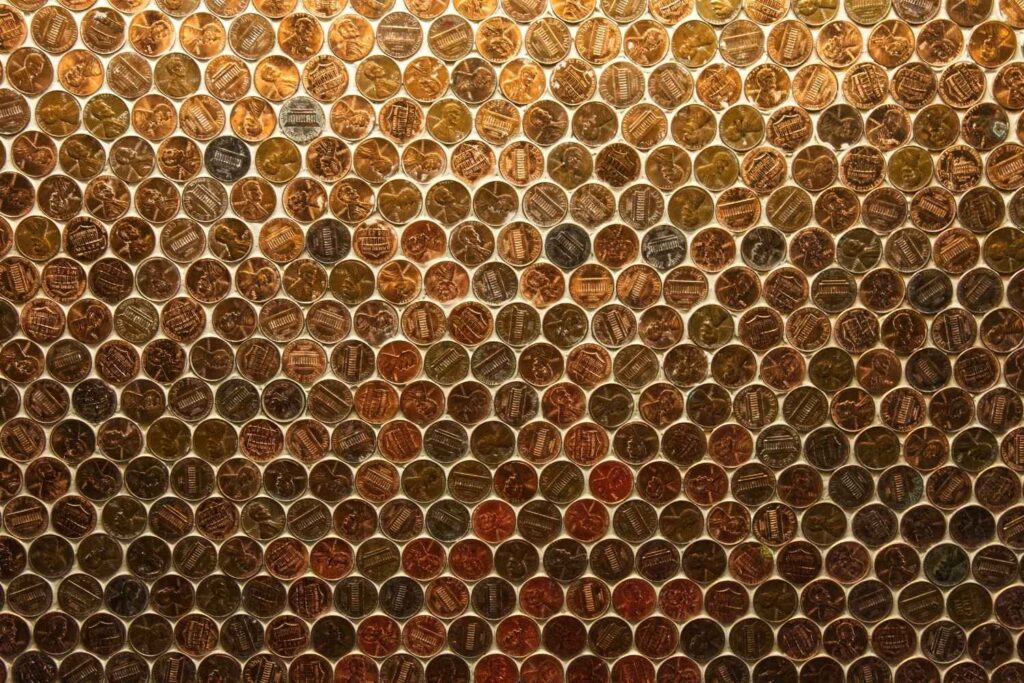
Each penny now costs well over one cent to manufacture, a financial imbalance that has grown steadily as metal and production costs rise. According to the United States Mint, these losses add up to tens of millions of dollars every year, quietly draining resources that could be used elsewhere.
That reality reframes the penny as a liability rather than a symbol. Keeping it in circulation requires constant spending for minimal utility. The decision to remove it is less emotional than practical. Money systems rely on efficiency to function smoothly, and the penny has fallen out of alignment with that goal, lingering mostly out of habit rather than necessity.
2. Cash prices will round, not rise.

When pennies disappear, cash totals round to the nearest five cents. Individual prices stay the same. This distinction matters. As stated by the Federal Reserve, rounding applies only to the final total of a cash transaction, not to each item purchased.
That means inflation does not automatically follow. Over time, rounding evens out, sometimes favoring the customer, sometimes the business. Digital payments remain exact down to the cent. For most shoppers, nothing changes at all. The fear that prices will quietly creep upward ignores how modern payment systems already bypass pennies almost entirely in daily life.
3. Nickels step into a larger role.
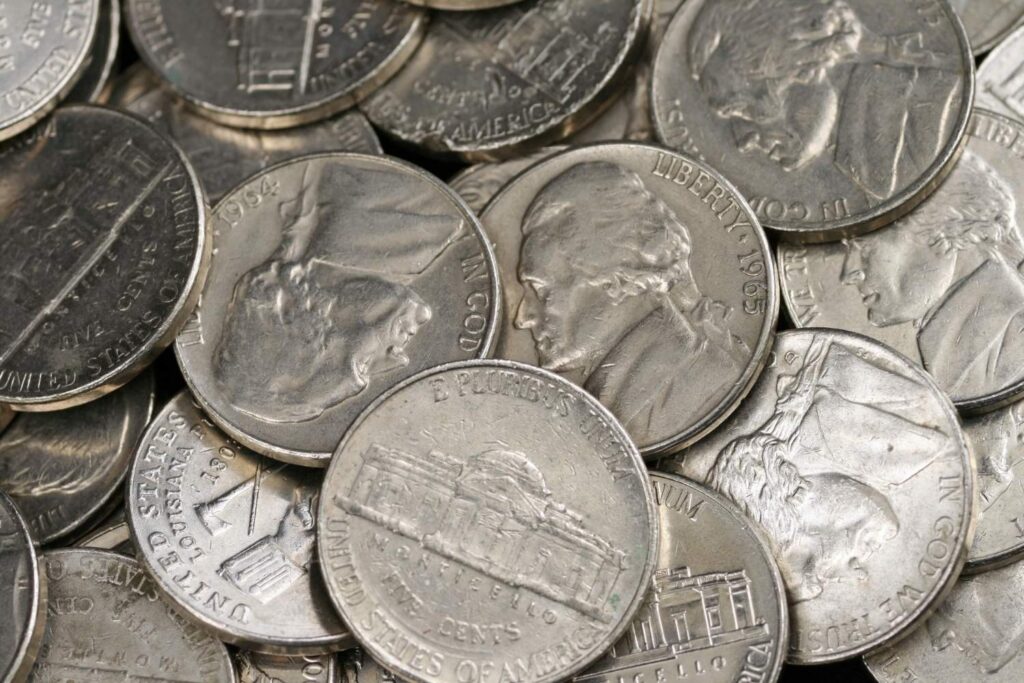
With pennies gone, the nickel becomes the smallest physical unit of currency. That shift increases its importance immediately. As reported by the Congressional Research Service, demand for nickels would rise as they absorb the role pennies once played in making change.
This creates a new conversation rather than a final solution. Nickels are heavier and also cost more than five cents to produce. Their expanded use could expose similar inefficiencies. The penny’s removal may not be the end of reform, but the beginning. Once people notice one coin failing the math test, others naturally come under scrutiny.
4. Retail pricing psychology will slowly shift.

For decades, prices ending in ninety nine cents relied on the penny’s existence. Without it, those numbers lose their psychological edge for cash buyers. Retailers may drift toward prices ending in ninety five or zero instead.
This shift will not happen overnight. Businesses test consumer behavior carefully. Some charm pricing will survive digitally, while cash facing prices simplify. Over time, pricing may feel cleaner and more transparent. The penny’s disappearance subtly nudges retail away from illusion based pricing and toward numbers that reflect how people actually complete transactions.
5. Cash usage becomes more clearly optional.

The penny’s removal highlights a reality many people already live in. Cash is no longer the default. Without pennies, cash transactions become slightly less precise, while digital payments remain exact.
That contrast makes choice visible. Some people stick with cash and accept rounding. Others lean further into cards and apps to avoid it entirely. The gap between physical and digital money widens, not dramatically, but perceptibly. The penny was one of the last ties keeping cash aligned with micro precision. Its absence makes cash feel more approximate by design.
6. Accounting systems must quietly adapt nationwide.

Behind the scenes, registers, vending machines, and accounting software must adjust to new rounding rules. These changes are technical, not flashy, but they affect millions of systems across the country.
Most businesses absorb the update the same way they handle tax changes or software patches. There is friction at first, then normalization. Once systems adjust, daily operations stabilize quickly. The penny fades without ceremony. What remains is a streamlined process that better matches how money already moves through modern commerce.
7. The penny’s symbolic role finally fades.
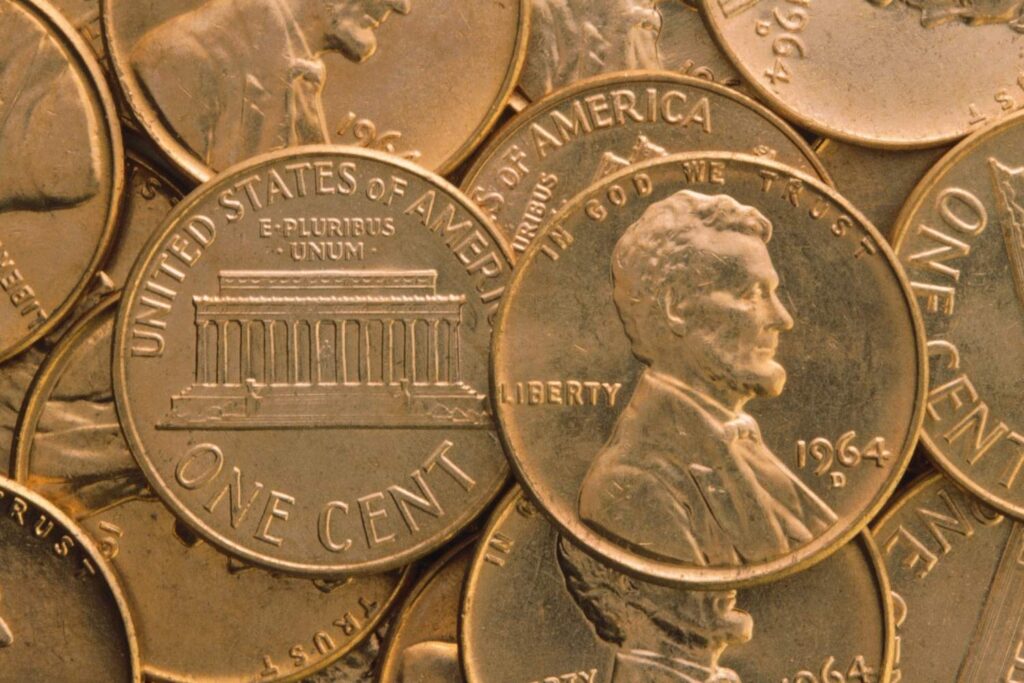
For generations, the penny symbolized thrift, charity, and saving something small for later. That symbolism lingered long after its purchasing power vanished. Removing it marks a cultural shift as much as a financial one.
Younger generations often see pennies as clutter. Older generations feel nostalgia. Letting go exposes how emotional attachment can outlast usefulness. Currency evolves with society’s needs, not its memories. The penny’s exit reflects changing values around efficiency, relevance, and what money is meant to do in everyday life.
8. Charities and tip jars will feel changes first.

Loose change has long fueled tip jars and donation cups. Without pennies, those streams thin slightly. Contributions skew toward nickels, quarters, or digital taps.
Many charities are already adapting by encouraging contactless donations. The shift moves generosity from impulsive to intentional. Giving does not disappear, but it changes form. The penny’s absence reshapes small acts of generosity into more deliberate choices, subtly altering how kindness shows up in everyday spaces like cafes, counters, and community fundraisers.
9. This change opens the door to bigger currency debates.

Once one denomination disappears, others naturally face evaluation. Nickels, dimes, and even paper bills come under renewed scrutiny. Efficiency replaces tradition as the guiding principle.
The penny’s removal signals that currency is no longer sacred. It is functional. What survives will depend on cost, behavior, and relevance. This moment is not just about one coin. It reflects a broader shift toward aligning money with how Americans actually live, pay, and move through an increasingly digital economy.