
Rare moments when instinct bends toward survival.
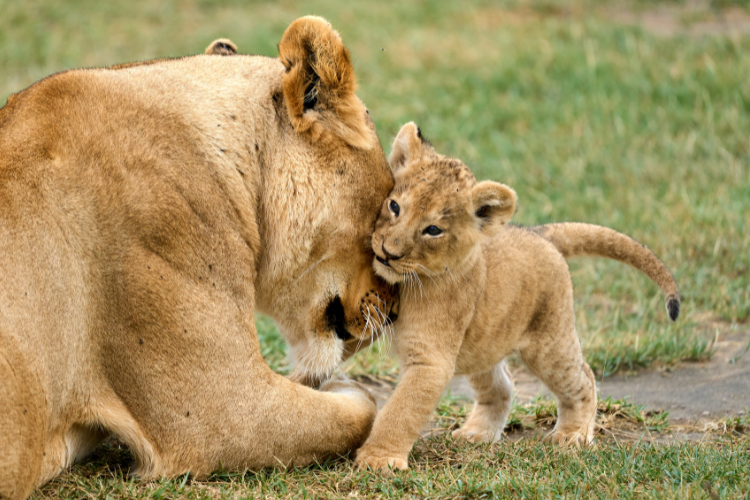
Lions are known for brutal territorial takeovers, where rival cubs are often killed to reset breeding rights. Yet in rare cases, the opposite happens. Orphaned cubs are allowed to live, groomed, protected, and even nursed by females from rival lineages. This behavior seems to contradict everything known about lion survival. Scientists believe these adoptions are driven by complex social cues, confusion during pride upheaval, and subtle evolutionary advantages that emerge when dominance, kin recognition, and timing collide.
1. Unstable prides can briefly soften cub rejection.

In unstable prides, unrelated cubs may be tolerated briefly. After male takeovers, chaos leaves infants vulnerable. Some females respond maternally to any cub vocalizing nearby. Hormonal surges after recent births can blur recognition during stressful periods within fragmented social environments.
Long term studies in the Serengeti document these moments, according to National Geographic reporting on observed adoptions. Researchers note most adoptions remain temporary, ending once mothers reunite or dominant dynamics stabilize inside the pride after conflicts subside and hierarchy reforms.
2. Maternal instincts sometimes misfire under extreme conditions.
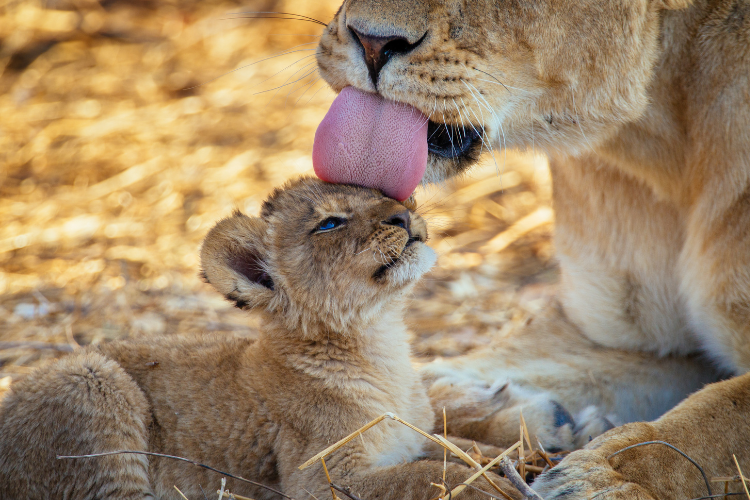
Lionesses sometimes mistake orphaned cubs for kin. Visual cues are limited at night and in tall grass. Scent confusion increases after rain or injury. A crying cub can trigger nursing behavior before identity checks occur within dense savanna conditions today.
Behavioral ecologists studying Ngorongoro Crater describe misdirected care patterns as common during upheaval, as stated by the University of Minnesota Lion Research Center. These responses fade once visual confirmation and stable routines return to prides following territorial transitions across regions.
3. Temporary adoption can stabilize tense social transitions.
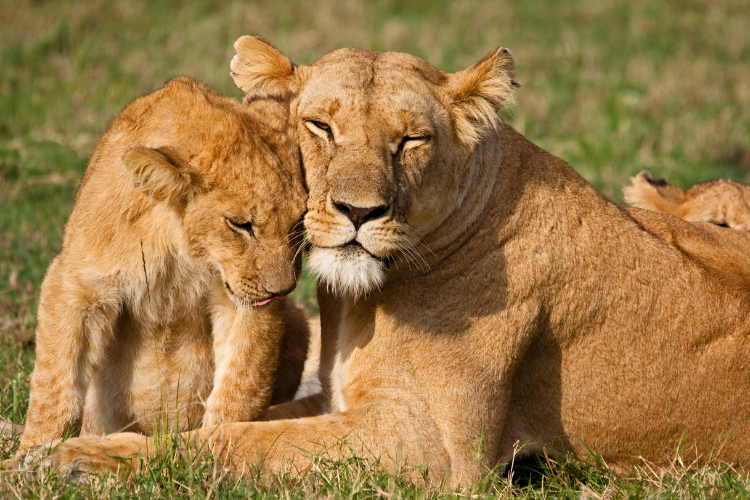
Adoption can reduce tension during pride instability. Allowing cubs to remain lowers distress calls that attract predators. It also prevents roaming females from provoking fights. Temporary tolerance may serve peacekeeping functions during volatile periods within crowded territories experiencing leadership turnover.
Field observations from long term lion projects support this interpretation, as reported by the African Wildlife Foundation. Researchers emphasize adoption rarely lasts beyond stabilization, but even short care windows improve cub survival odds significantly during critical early life stages in savannas.
4. Female alliances often influence unexpected caregiving decisions.
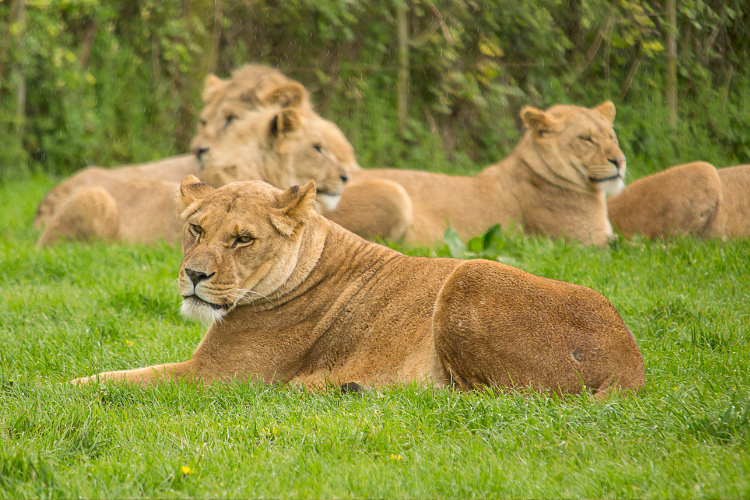
Female alliances shape adoption decisions strongly. Sisters within prides share nursing duties naturally. An orphaned cub resembling coalition offspring gains tolerance. Social bonds among related females soften responses toward unrelated young especially when resources remain temporarily abundant across hunting grounds.
Where prey densities remain high, generosity costs less energy. In wetter seasons, lactating females meet demands more easily. Field teams note adoptions spike after successful hunts. Abundance briefly loosens strict competition rules within expansive ecosystems like the Serengeti plains region.
5. Pride survival can outweigh strict genetic self interest.
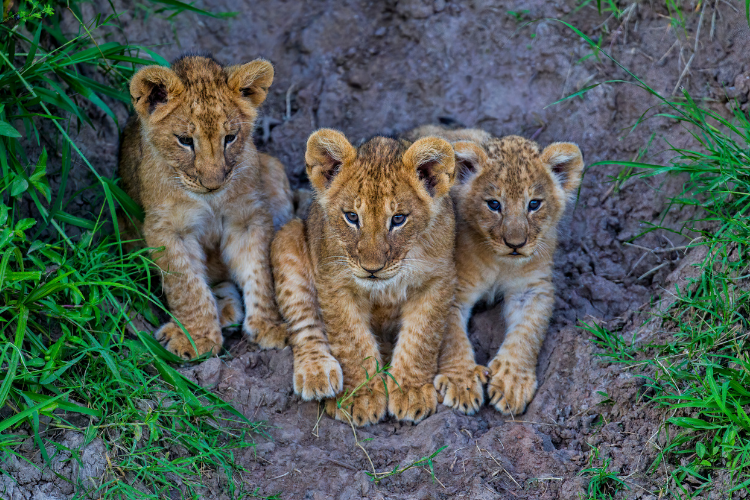
Young cub survival influences future pride strength. Extra cubs increase hunting success years later. Some females invest despite no genetic gain. Long term benefits can outweigh immediate metabolic costs during rebuilding phases after violent male incursions within contested territories often.
By stabilizing numbers, prides deter rival males sooner. Larger groups defend kills effectively. Adoption thus becomes strategic indirectly. Evolution favors flexible behavior when rigid instincts threaten group collapse under fluctuating environmental and social pressures across savanna landscapes historically observed widely.
6. Stress chemistry can temporarily lower discrimination thresholds.
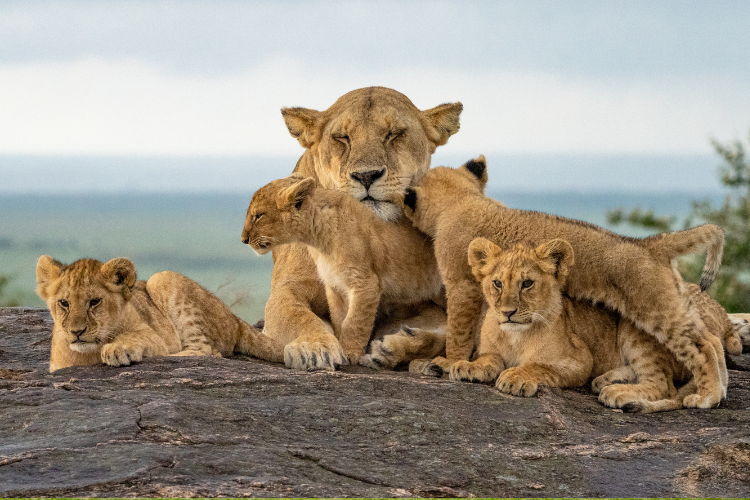
Stress hormones influence caregiving thresholds dramatically. After battles or losses, cortisol levels shift behavior. Some females display heightened responsiveness. Orphaned cub cries exploit this temporary neurochemical window documented during post conflict monitoring periods in prides across East Africa reserves today.
Once hormone levels normalize, tolerance fades quickly. Females resume strict discrimination. Many adopted cubs are eventually abandoned. Timing determines survival outcomes during these narrow caregiving windows observed by conservation teams over decades of longitudinal field research efforts regionally documented consistently.
7. Very young cubs are more likely accepted.
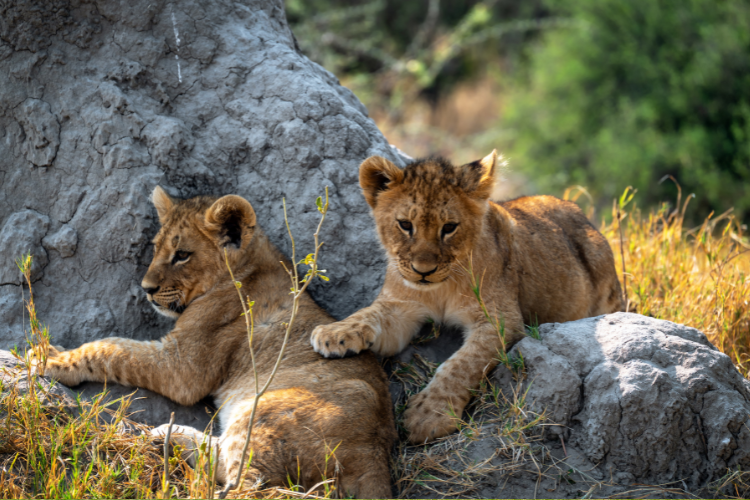
Cub age affects acceptance likelihood greatly. Very young cubs trigger care instincts. Older cubs face rejection or aggression. Mobility and independence shift female responses sharply as developmental stages alter perceived vulnerability within dynamic pride environments over time periods observed repeatedly.
Adoptions mostly involve cubs under eight weeks. Their helplessness overrides rivalry. Field notes show females carrying and grooming them. After mobility increases, tolerance declines noticeably during seasonal shifts across multiple reserves in Kenya and Tanzania savannas annually recorded carefully by.
8. Human activity can indirectly shape adoption chances.
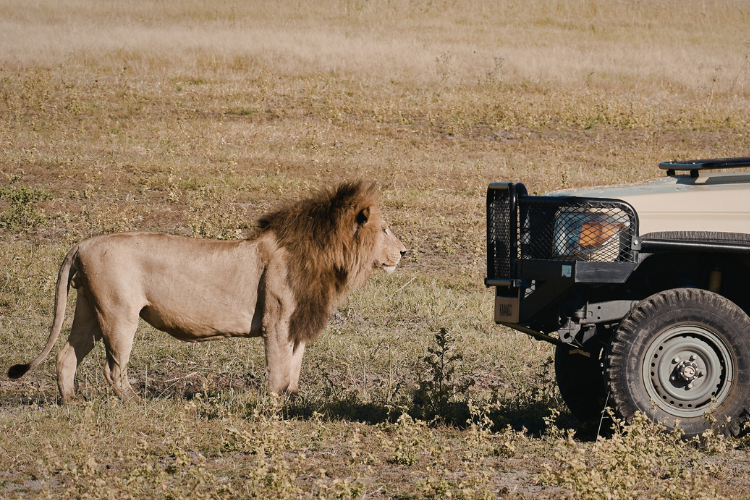
Human disturbance sometimes shapes adoption events. Tourism alters pride movement patterns. Displaced cubs wander into neighboring groups. Confused boundaries increase chances of temporary acceptance near heavily visited reserves during peak seasons when vehicles cluster along territories frequently disrupting routines subtly.
Researchers document adoptions near lodges and roads. Human presence reduces lethal encounters briefly. Females may hesitate attacking cubs. These effects fade when disturbance subsides restoring natural aggression patterns thereafter across prides previously influenced by tourism pressure fluctuations regionally documented widely.
9. Dominant male behavior quietly influences female tolerance.
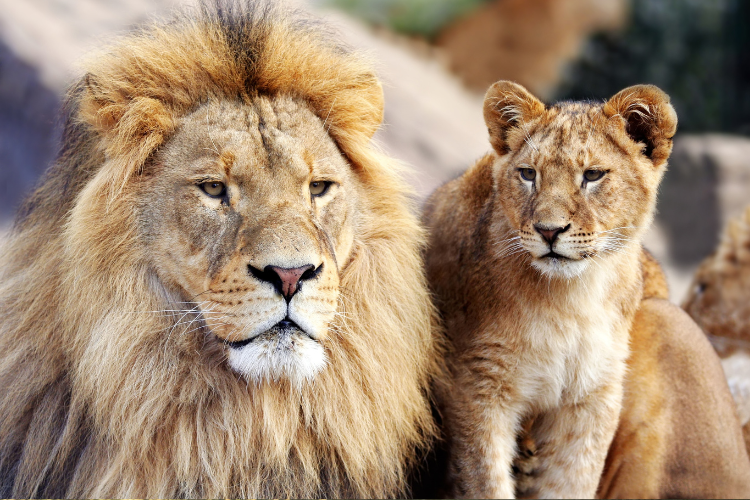
Male behavior indirectly influences adoption outcomes. When dominant males tolerate cubs, females follow. Reduced infanticide pressure creates space for care. Stability at the top matters during prolonged tenure of experienced coalitions controlling territories across savanna landscapes consistently observed over years.
Some males ignore non related cubs strategically. Protecting numbers strengthens future hunting. Observers note calmer pride dynamics. Adoption persists longer under such leadership compared with unstable rapidly changing male regimes in contested regions experiencing frequent turnovers historically recorded by scientists.
10. Adoption reflects behavioral flexibility rather than sentiment.
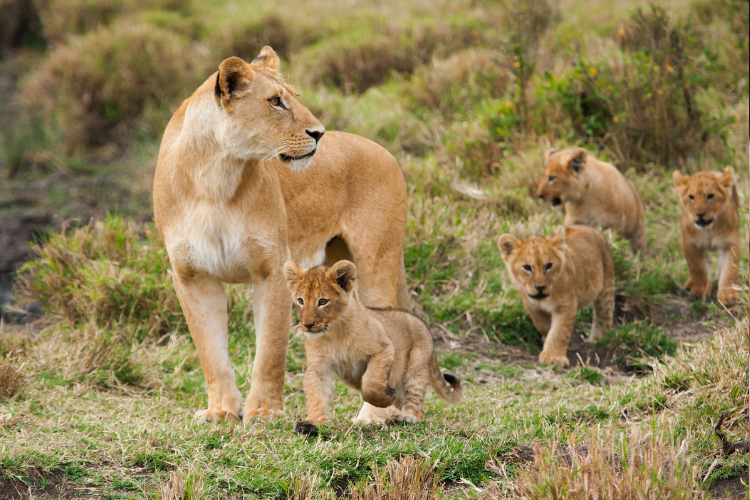
Adoption remains rare but meaningful behavior. Most orphans perish without support. When care appears, it highlights flexibility. Lions balance instinct and circumstance constantly within complex ecological and social systems shaped by climate, prey, and competition pressures over generations of evolution.
These moments challenge simplified predator narratives. They remind researchers empathy exists in context. Survival strategies include compassion when conditions align. Nature remains less rigid than textbooks suggest according to long observed savanna realities documented repeatedly by ecologists across Africa today.