
Calming panic when being alone takes strategy.
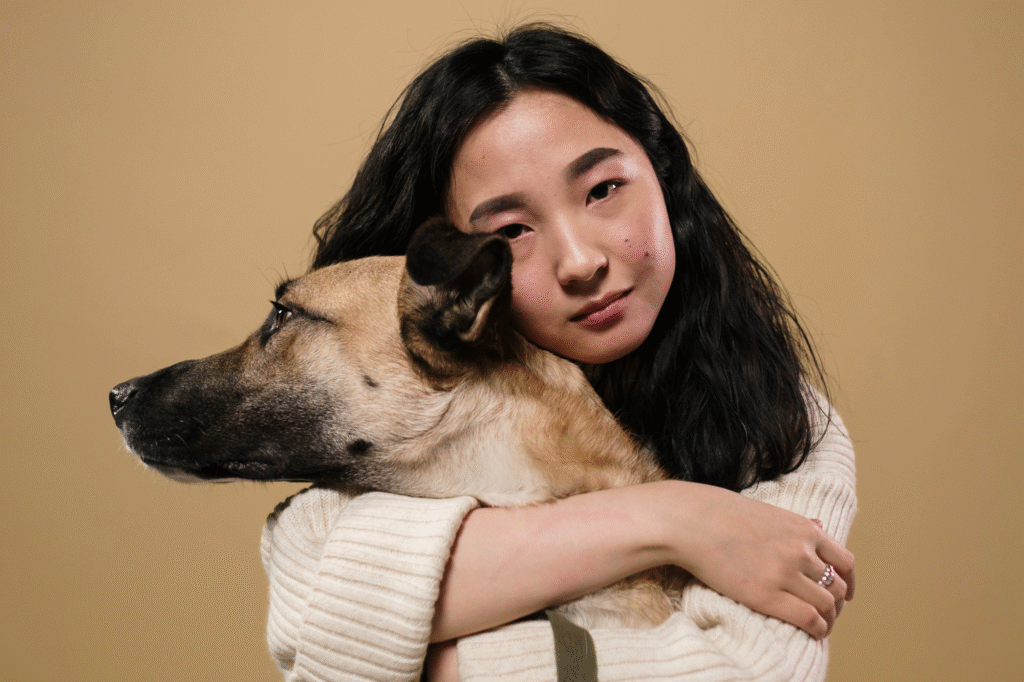
Separation anxiety in dogs rarely appears overnight. It builds through routine, attachment, and confusion about departures. When panic hits, it looks dramatic and feels heartbreaking. Scratched doors, non-stop barking, accidents, and self injury are stress signals, not defiance. The good news is that research and clinical experience now point to specific actions that can lower fear and rebuild calm.
1. Begin with predictable departures and returns daily.
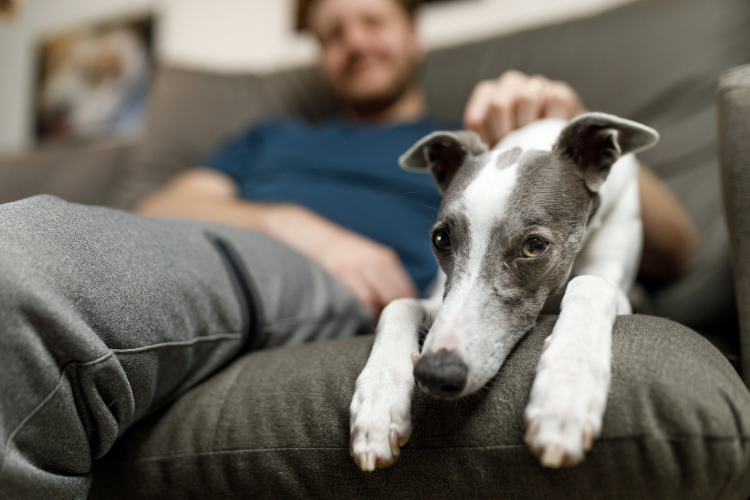
Dogs with separation anxiety panic when cues feel random. Predictable exits teach safety. Leave and return calmly, no emotional spikes. According to the ASPCA, consistency lowers anticipatory stress and reduces frantic behaviors tied to owner absence over time and repetition.
Over days, dogs begin mapping the pattern. The brain learns that departures always end. Calm routines replace panic chemistry. This foundation supports every other training step, making progress possible even for dogs with intense attachment histories and long term recovery.
2. Increase alone time in controlled increments slowly.

Gradual exposure prevents emotional flooding. Start with seconds, not hours. As stated by the American Veterinary Society of Animal Behavior, slow desensitization helps dogs tolerate absence without triggering full panic responses that overwhelm their nervous systems during early training phases.
Each success builds confidence. Step forward only when the dog stays relaxed. Rushing resets fear. Controlled increments protect learning pathways, allowing calm to replace dread while keeping the dog emotionally engaged rather than shut down during daily practice periods consistently.
3. Change departure cues before anxiety ignites fully.

Keys, shoes, and bags often trigger panic instantly. Breaking those links matters. As reported by the Merck Veterinary Manual, decoupling cues from departures reduces conditioned fear responses in anxious dogs during routine household movements throughout the day and evening hours.
Practice picking up keys without leaving. Put on shoes, then sit down. Over time, cues lose power. Anxiety fades because the dog no longer predicts abandonment from everyday human motions inside familiar rooms during repeated low stress practice moments daily.
4. Provide mental work before long absences begin.
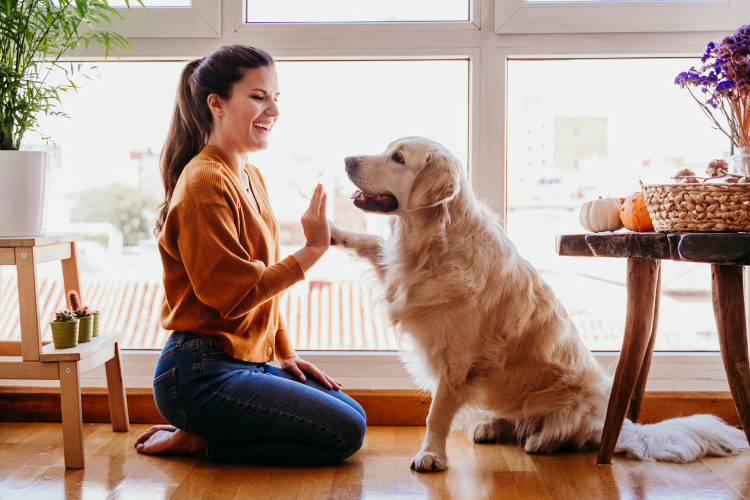
Anxiety feeds on excess energy and unmet focus. Short training sessions, scent games, or puzzle feeders before leaving lower arousal. Mental fatigue encourages rest, making alone time feel less threatening and more manageable for sensitive dogs facing extended daytime separations.
Timing matters. Work the brain close to departure, not hours earlier. This creates a smoother emotional slope into rest, reducing hyper vigilance and destructive coping behaviors that often appear shortly after owners leave their homes during typical workday schedules weekly.
5. Adjust confinement choices based on anxiety levels.

Some dogs panic more when confined. Others feel safer. Observe reactions to crates, gates, or free roam. The right setup reduces injury risk and emotional overload during early recovery stages at home when owners leave for predictable work or errands.
Choosing incorrectly can worsen symptoms fast. Scratching, escape attempts, and vocalization offer clues. Flexibility matters more than ideology. Adjust as the dog progresses rather than locking into one method permanently during treatment phases guided by behavioral feedback and observation daily.
6. Use background sound to soften silence gently.

Complete silence amplifies stress cues. Low volume music, talk radio, or white noise masks environmental triggers. Familiar soundscapes help anxious dogs settle, especially in apartments where outside noise spikes unpredictably during daytime hours when owners are away for work periods.
Sound should stay consistent. Sudden changes restart alertness. Many dogs relax fastest with steady human voices. This mimics social presence without reinforcing dependency or increasing excitement before departure from the home environment while maintaining emotional neutrality throughout absences daily routines.
7. Practice calm reunions without emotional spikes intentionally.

Over excitement on return can undo progress. Dogs learn that absence leads to emotional explosions. Calm greetings teach balance and safety, preventing stress cycles from restarting each time you walk through the door after daily work shifts or short outings.
Ignore briefly, then greet softly. This lowers adrenaline on both sides. Over days, reunions feel ordinary rather than climactic, reducing anticipatory anxiety before the next departure when routines repeat consistently across mornings, afternoons, and evenings each week at home together.
8. Address medical contributors with veterinary support early.

Pain, digestive upset, and hormonal shifts intensify anxiety. A veterinary exam rules out conditions that lower stress tolerance. Treating physical discomfort often improves emotional stability faster than training alone in dogs experiencing sudden behavior changes at home or maturity stages.
Medication may help some dogs during severe phases. Used correctly, it supports learning rather than replacing it. Decisions should always involve professional guidance and ongoing monitoring when symptoms threaten safety or stall behavioral progress despite consistent training efforts over time.
9. Limit punishment which worsens separation distress significantly.

Punishment increases fear without teaching coping. Dogs connect corrections to your return, not past behavior. This raises anxiety before departures and damages trust at the moment safety should return during reunions following vocalization destruction, or accidents left behind earlier alone.
Effective change relies on prevention and support. Removing punishment allows learning to occur. Calm responses protect the relationship while giving anxiety room to shrink rather than expand through consistent humane handling across weeks of recovery work at home together daily.
10. Commit to consistency over weeks not days.
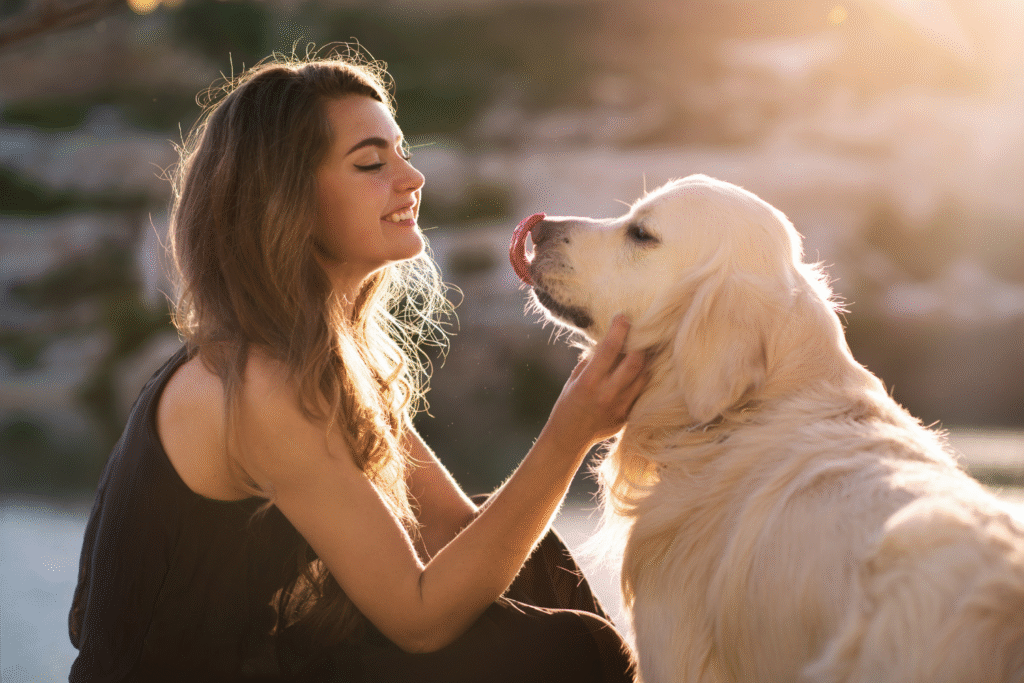
Severe separation anxiety changes slowly. Expect plateaus and brief setbacks. Progress often appears subtle at first, like shorter vocalization or quicker settling, before major improvements show during early stages of treatment when routines feel repetitive but necessary for healing outcomes.
Consistency builds neurological safety. Skipping steps reactivates fear circuits. When actions repeat calmly across weeks, dogs relearn that solitude is temporary and survivable inside familiar homes where trust and predictability restore emotional balance gradually over extended time together again calmly.