
A long awaited fix for a deadly problem.
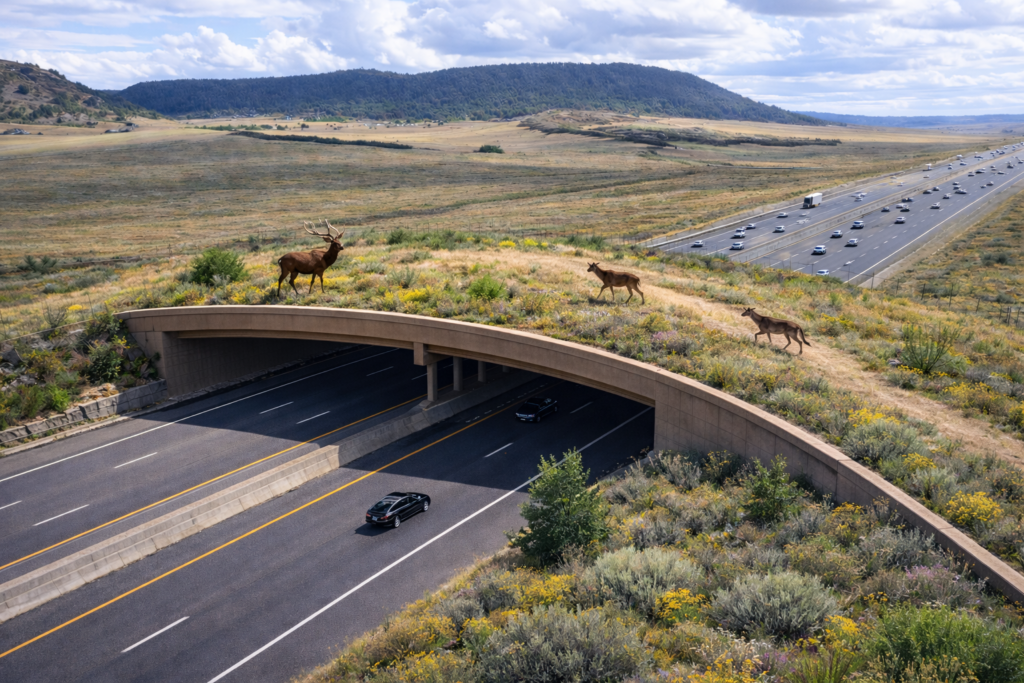
After decades of rising wildlife deaths on busy highways, the United States has opened its largest wildlife overpass, a structure built specifically to reconnect habitats cut apart by roads. The massive crossing gives animals a safe path over traffic instead of through it. Conservationists say the overpass could prevent thousands of collisions each year, protecting drivers and wildlife alike. More importantly, it signals a shift in how infrastructure is designed, acknowledging that animals still move, migrate, and survive across landscapes humans have divided.
1. The crossing was placed where animals were already dying.
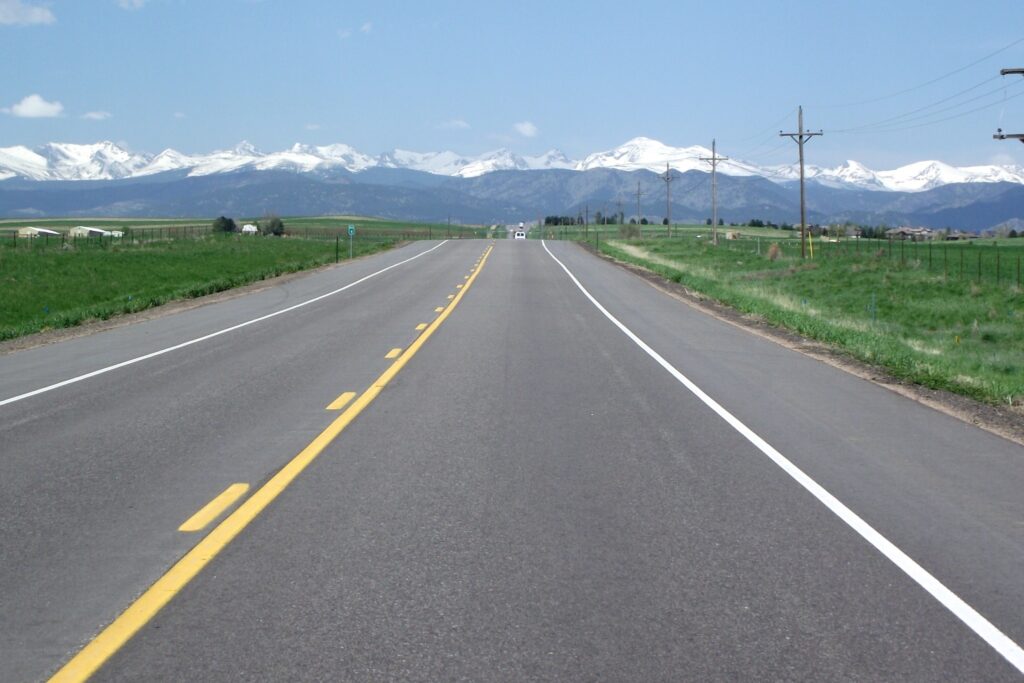
This section of Colorado highway had been flagged for years as one of the state’s deadliest wildlife collision corridors. According to the Colorado Department of Transportation, hundreds of documented strikes occurred annually here, involving elk, mule deer, black bears, and smaller mammals.
Animals were not wandering randomly. Migration routes, seasonal foraging paths, and mating movements all converged at this exact location. Rather than forcing wildlife to reroute, planners acknowledged reality. The overpass was placed where animals insisted on crossing anyway. The structure works because it respects existing behavior instead of trying to erase it.
2. Engineers designed it to feel invisible to wildlife.
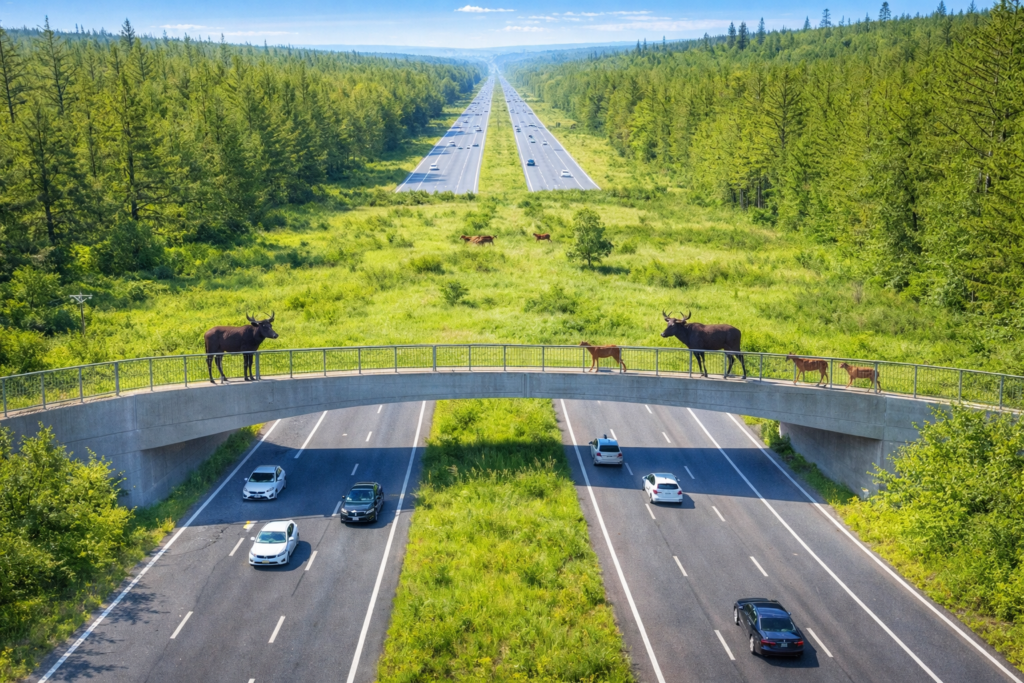
The overpass does not look like a bridge to animals. As stated by the Federal Highway Administration, successful wildlife crossings must visually and physically resemble uninterrupted landscape.
Soil depth supports native plants. Sightlines extend far enough to reduce hesitation. Slopes are gradual, avoiding sudden elevation changes that prey species fear. Noise barriers soften traffic sounds below. For animals, there is no obvious transition point. The design reduces stress, confusion, and avoidance, which is why usage rates typically rise quickly after opening rather than taking decades.
3. Monitoring data confirmed immediate animal adoption.
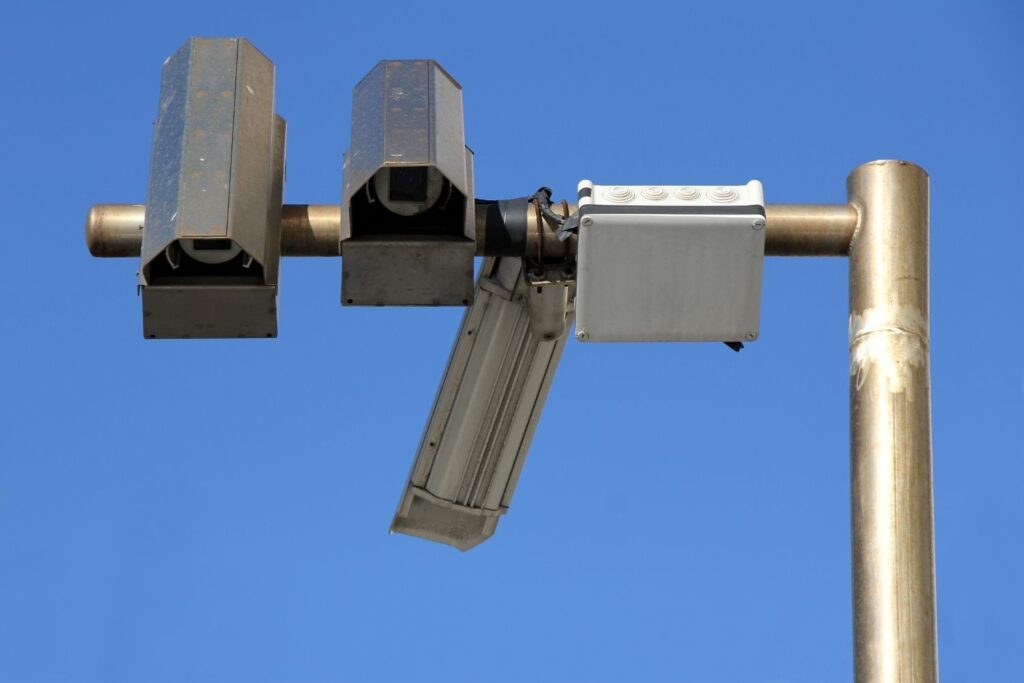
Within days of opening, motion triggered cameras recorded multiple species using the crossing. As reported by the National Wildlife Federation, early footage captured deer, coyotes, foxes, and even smaller mammals crossing confidently.
This matters because delayed adoption often signals design failure. Here, animals recognized the structure as safe ground almost immediately. That response validates years of behavioral research showing that wildlife will choose safer routes when they align with instinctive movement patterns. The overpass did not need training, baiting, or human intervention. Animals chose it on their own.
4. Collision reduction directly protects human lives.
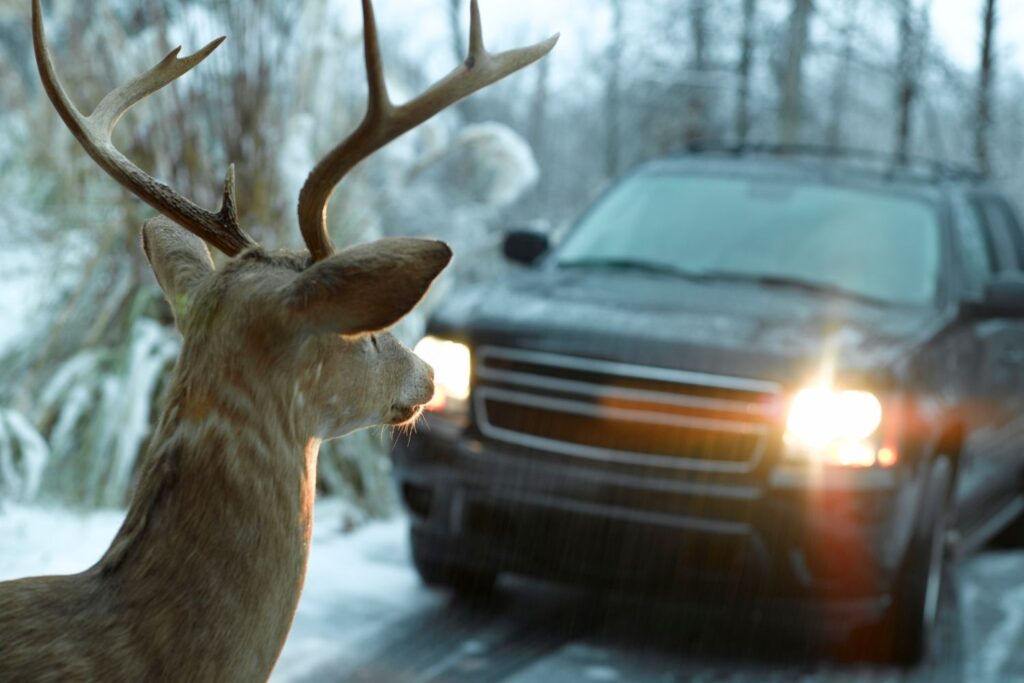
Wildlife vehicle collisions cause thousands of injuries and billions in damages every year across the United States. Large animals like elk can weigh over 700 pounds, turning impacts into life threatening events.
By lifting crossings above traffic, sudden braking, swerving, and secondary crashes decline. Emergency response resources face fewer night time calls. Insurance claims drop. The overpass functions as public safety infrastructure, not just conservation. It reduces trauma for drivers who would otherwise experience violent, unavoidable collisions with animals appearing without warning at highway speeds.
5. Habitat connectivity improves genetic survival long term.
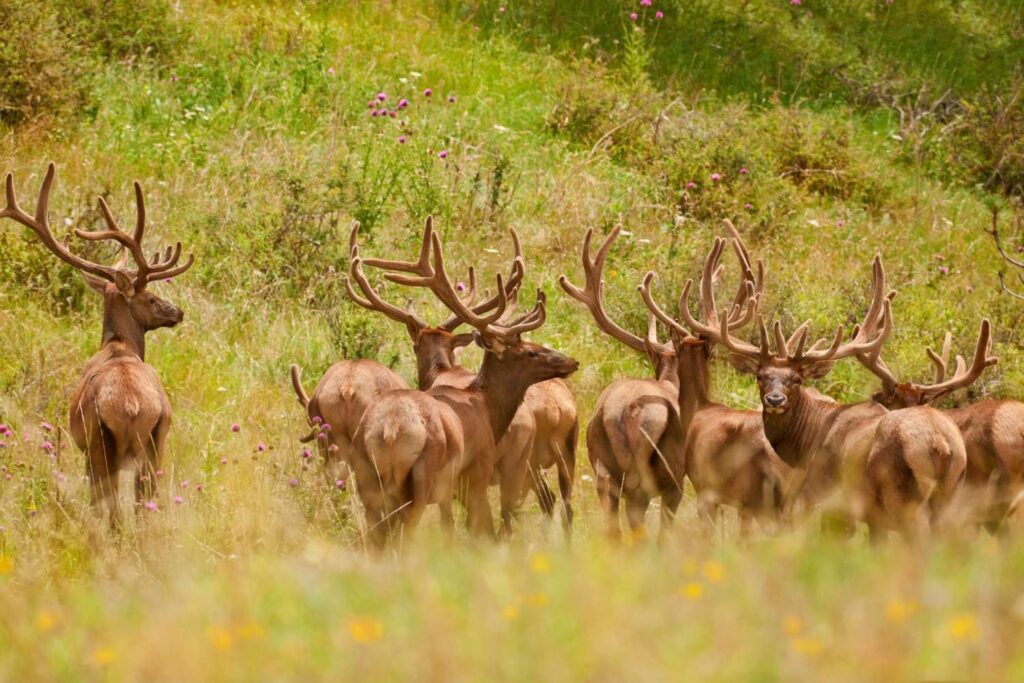
Highways fragment ecosystems, isolating populations on either side. Over time, that isolation reduces genetic diversity, increases disease vulnerability, and weakens resilience.
The overpass restores access to breeding grounds, seasonal food sources, and climate driven migration routes. Animals are no longer trapped in shrinking pockets. This genetic exchange does not show immediate results, but across generations it stabilizes populations. The structure quietly repairs damage done decades earlier by a road that severed movement patterns essential for long term survival.
6. Smaller species gain protection often overlooked.
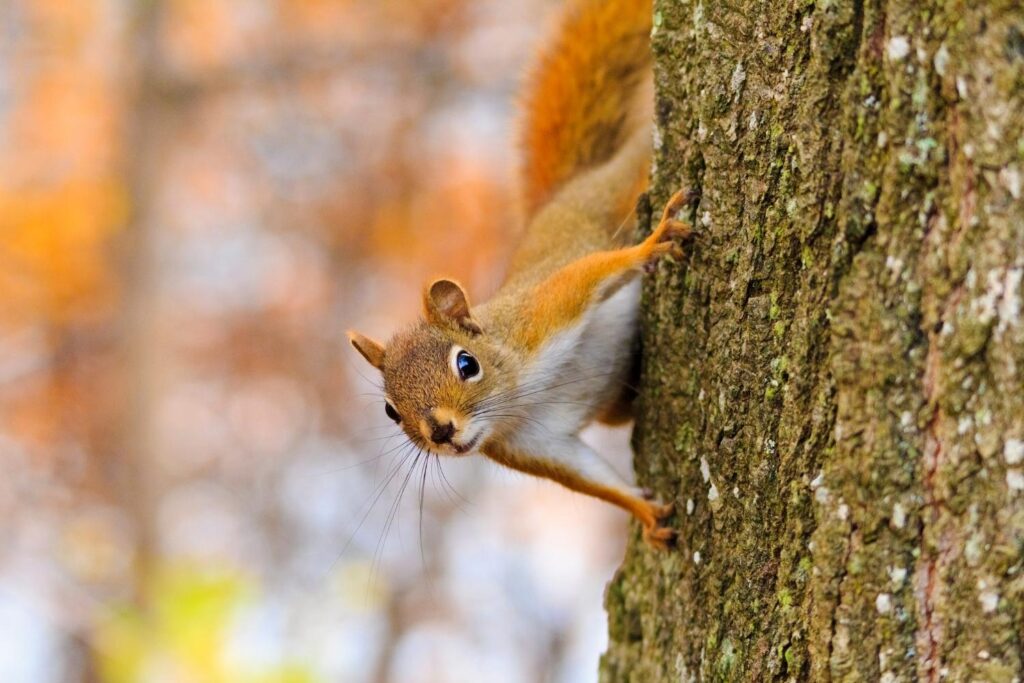
While elk and deer draw attention, the overpass system includes underpasses and fencing that protect reptiles, amphibians, small mammals, and pollinators.
These species move closer to the ground and rely on consistent microhabitats. When roads block their movement, ecosystems unravel quietly. Restoring safe passage stabilizes food webs, seed dispersal, and predator prey balance. The benefit extends far beyond visible megafauna. Entire ecological processes resume once movement is restored at every scale.
7. Fencing determines whether the crossing succeeds.
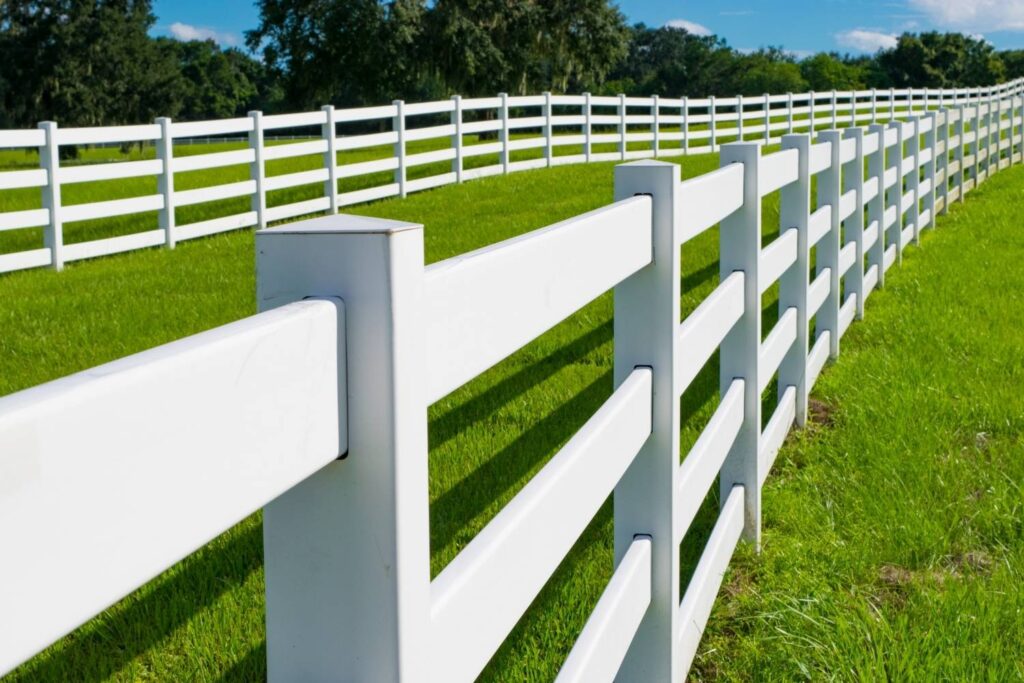
The overpass alone would fail without extensive wildlife fencing guiding animals toward it. Miles of fencing line the highway, preventing dangerous crossing attempts elsewhere.
Animals naturally follow barriers until a safe opening appears. The system works because it shapes behavior without force. There is no confusion, only redirection. Studies repeatedly show that crossings without fencing see far lower success rates. Here, fencing transforms the overpass from an option into the safest obvious choice.
8. Climate driven migration made the project urgent.
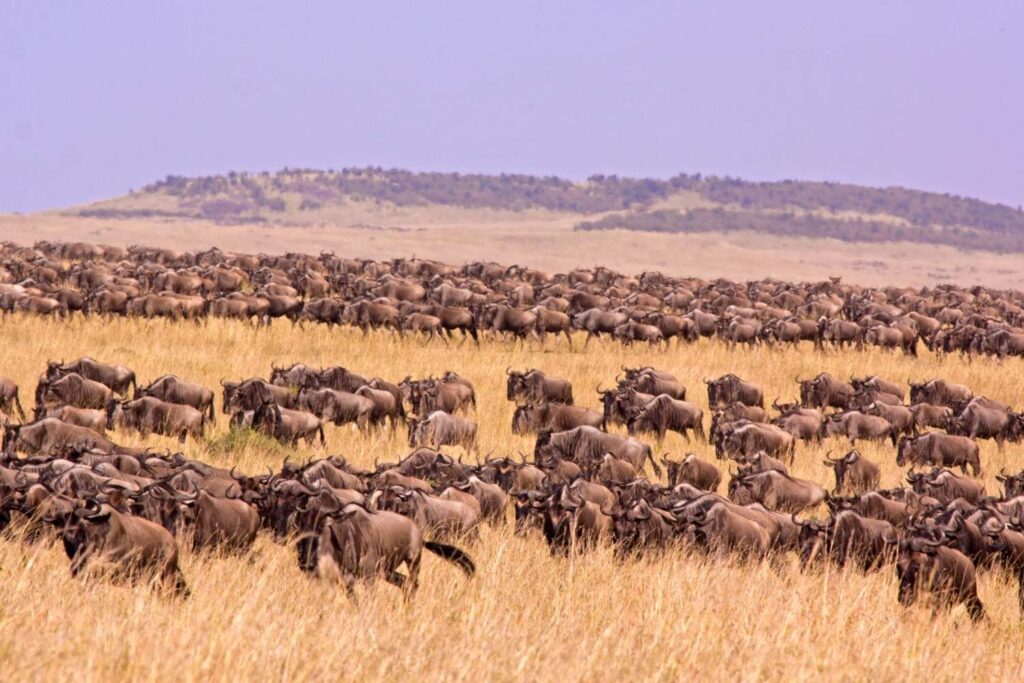
As temperatures rise, animals shift elevation and range to find suitable conditions. Traditional migration routes no longer align neatly with past seasons.
Roads become deadly obstacles during these shifts. Wildlife crossings provide flexibility as animals adjust movement timing and distance. The overpass future proofs the landscape, allowing animals to respond naturally to climate pressure without requiring constant human redesign. In a changing climate, mobility becomes survival.
9. Funding signals a national policy shift.
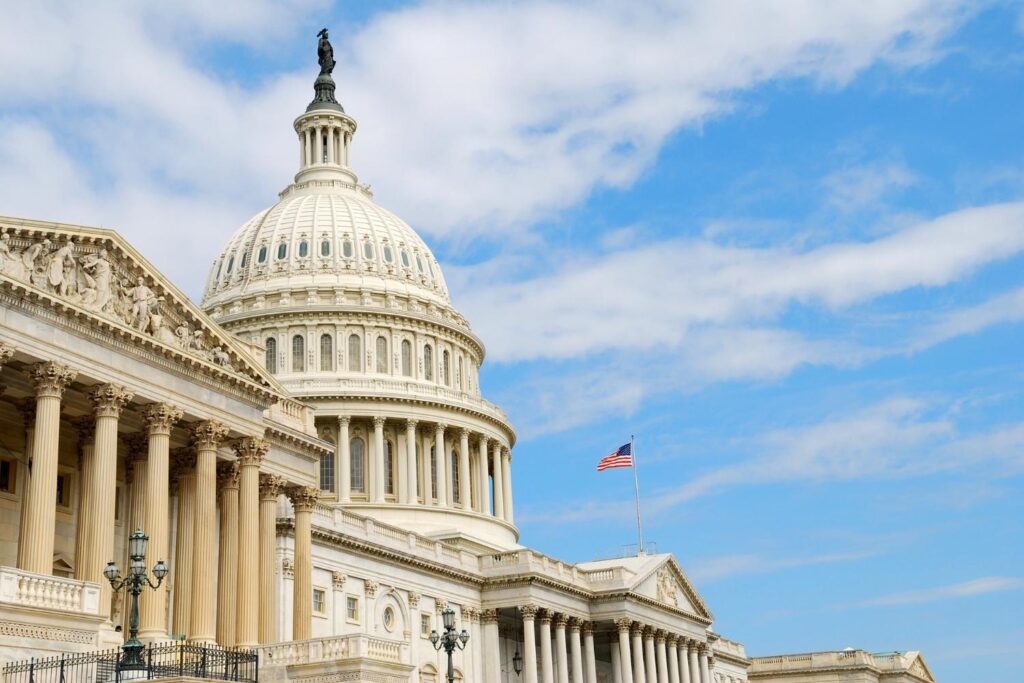
This project drew funding from federal infrastructure grants, state transportation budgets, and conservation partnerships. Wildlife safety is no longer treated as a luxury add on.
Transportation planning increasingly includes ecological impact as a core metric. This overpass represents a change in values. Roads are being redesigned as shared systems rather than absolute barriers. The funding structure sets precedent, making future crossings easier to justify politically and economically.
10. The structure changes how roads will be built.
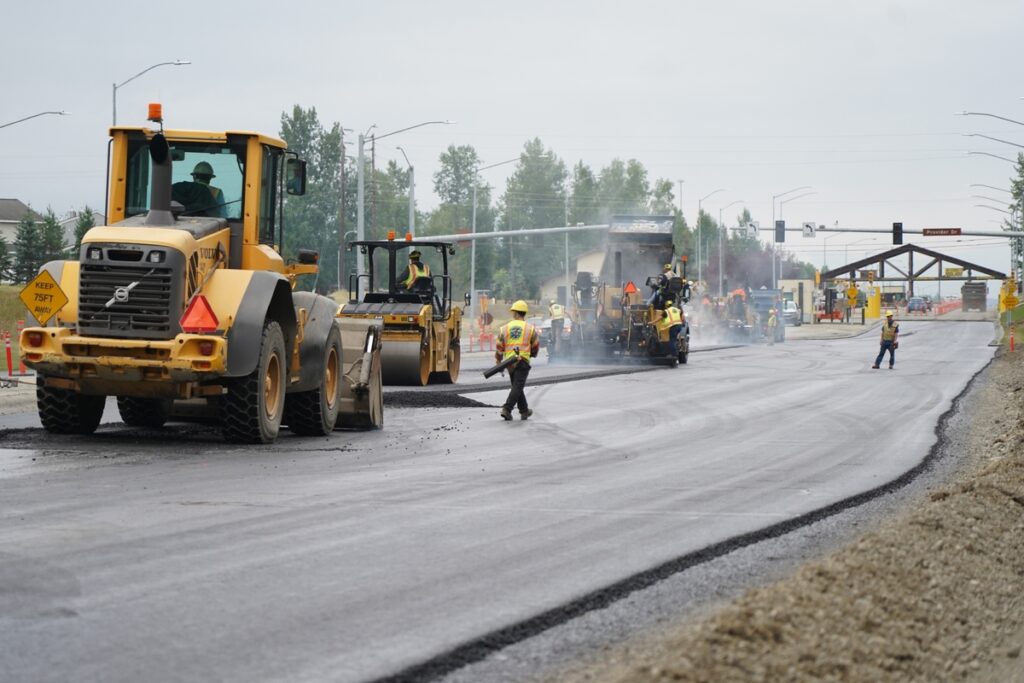
As the largest wildlife overpass in the country, this project sets a benchmark. Engineers, planners, and conservationists nationwide are watching the data closely.
If collision rates fall and wildlife use remains high, the model becomes unavoidable. Future highways may include crossings by default rather than exception. Roads no longer have to be permanent scars. This overpass proves infrastructure can coexist with movement rather than erasing it.