
Darkness settled fast, and the city felt different.
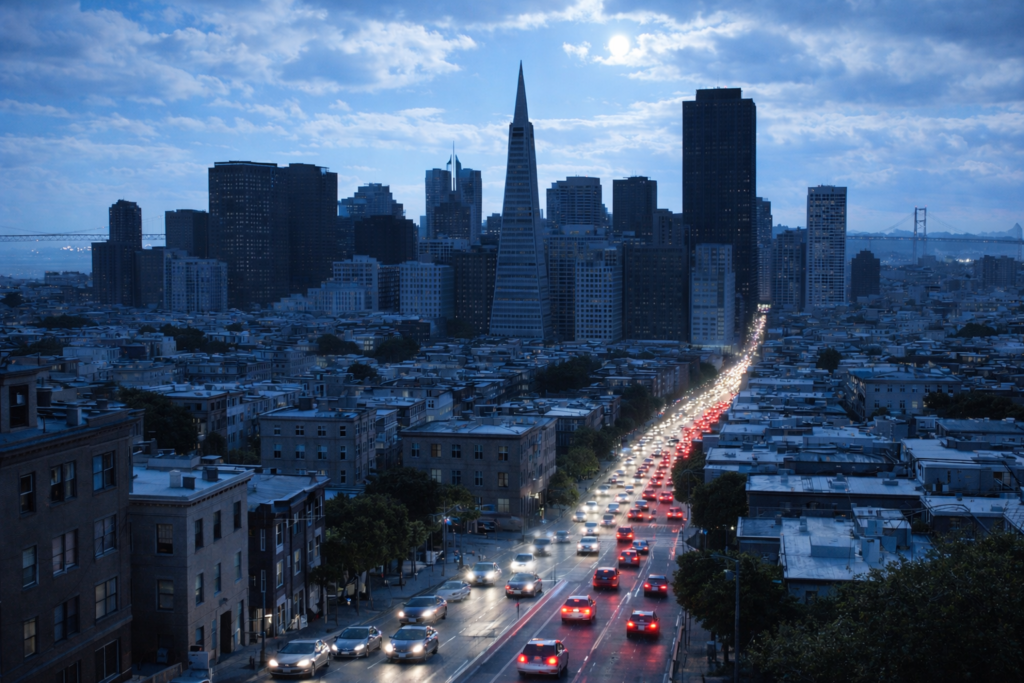
By early evening Saturday, December 20, 2025, large sections of San Francisco went dark. Traffic signals blinked out. Apartment buildings fell silent. By nightfall, officials urged residents to stay indoors as crews worked to restore power to roughly 130,000 customers. The outage disrupted transit, strained emergency services, and reshaped the city’s rhythm hour by hour. What followed was not just inconvenience, but a cascading test of infrastructure, safety, and how an always lit city copes when the lights suddenly disappear.
1. The outage spread faster than early estimates suggested.

Initial reports described scattered neighborhood failures, but the scale expanded quickly as substations tripped across multiple districts. According to PG and E outage updates released Saturday evening, power losses concentrated in the Mission, SoMa, and parts of the Tenderloin.
As darkness deepened, officials realized restoration would not be immediate. Crews faced equipment damage rather than simple resets. That delay changed the response posture. What began as a routine outage shifted into a citywide safety concern once nightfall arrived and visibility dropped across densely populated areas.
2. Officials urged nighttime sheltering to reduce public risk.
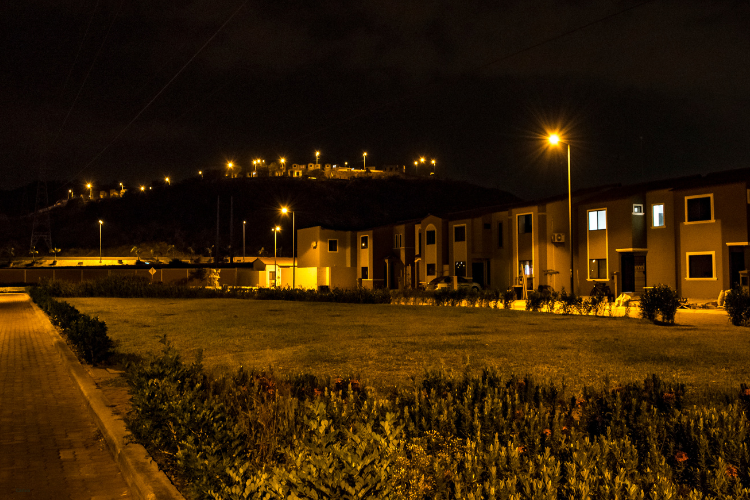
By late evening, city officials advised residents to remain indoors unless travel was essential. As stated by the San Francisco Department of Emergency Management, limited street lighting and disabled signals increased accident and crime risks.
The guidance was precautionary rather than punitive. Emergency resources were already stretched managing intersections, medical calls, and elevator rescues. Keeping people inside reduced exposure and allowed responders to focus on critical needs. The city framed it as a temporary safety measure, not a lockdown, shaped by conditions on the ground.
3. Transit disruptions rippled through already darkened streets.
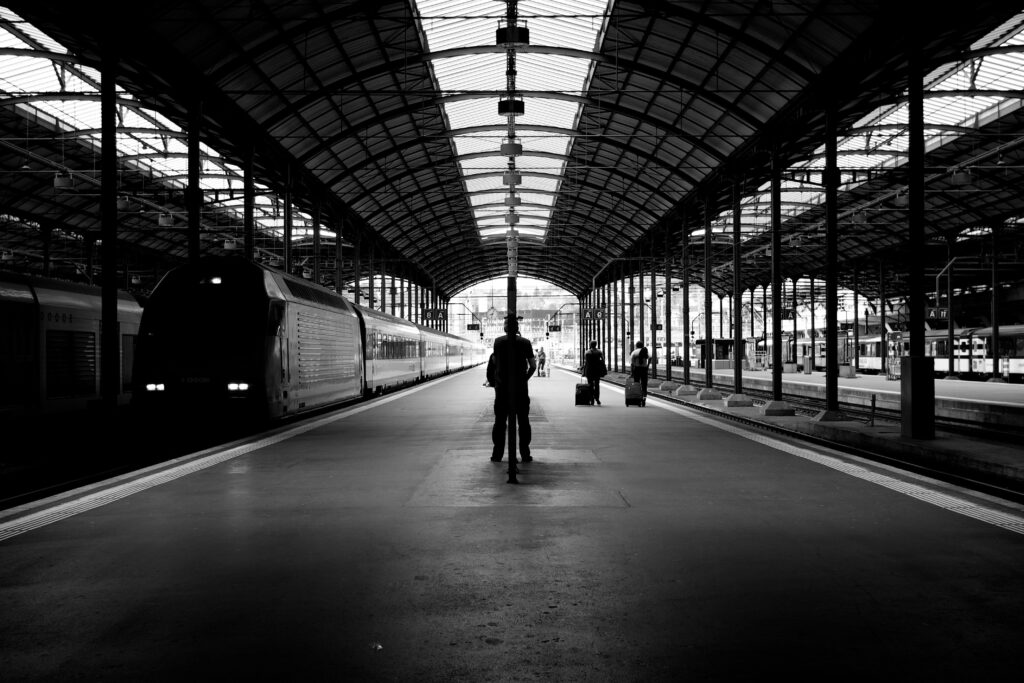
Public transportation systems struggled as power dependent signals and stations lost functionality. As reported by the San Francisco Municipal Transportation Agency, multiple lines halted or rerouted, especially underground segments reliant on electric controls.
Passengers found themselves stranded or forced to navigate unfamiliar routes in the dark. Ride share demand surged, but congestion grew without functioning signals. Movement slowed citywide. The outage revealed how tightly transit reliability is tied to the electrical grid, especially after sunset.
4. Emergency services faced compounding challenges overnight.
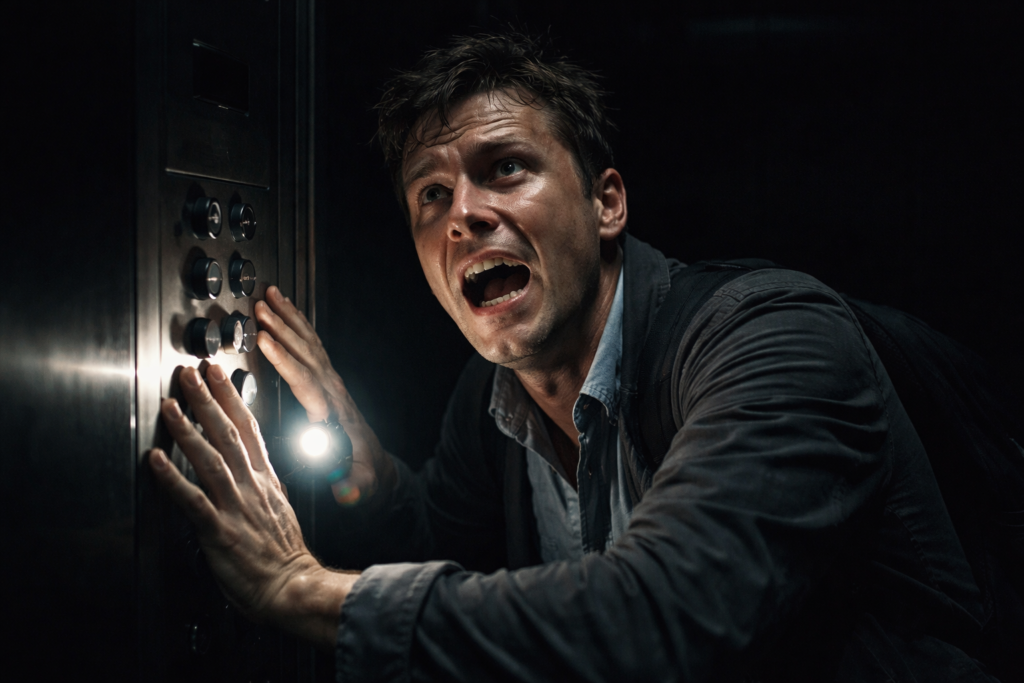
Fire and medical responders handled a spike in calls related to elevators, medical devices, and traffic collisions. Darkness complicated response times and scene safety.
Backup generators kept hospitals operational, but smaller clinics struggled. Dispatchers prioritized life threatening emergencies as non urgent calls stacked up. The outage tested coordination under pressure, showing how quickly routine systems strain when electricity disappears across dense urban neighborhoods.
5. Businesses closed early as safety concerns mounted.
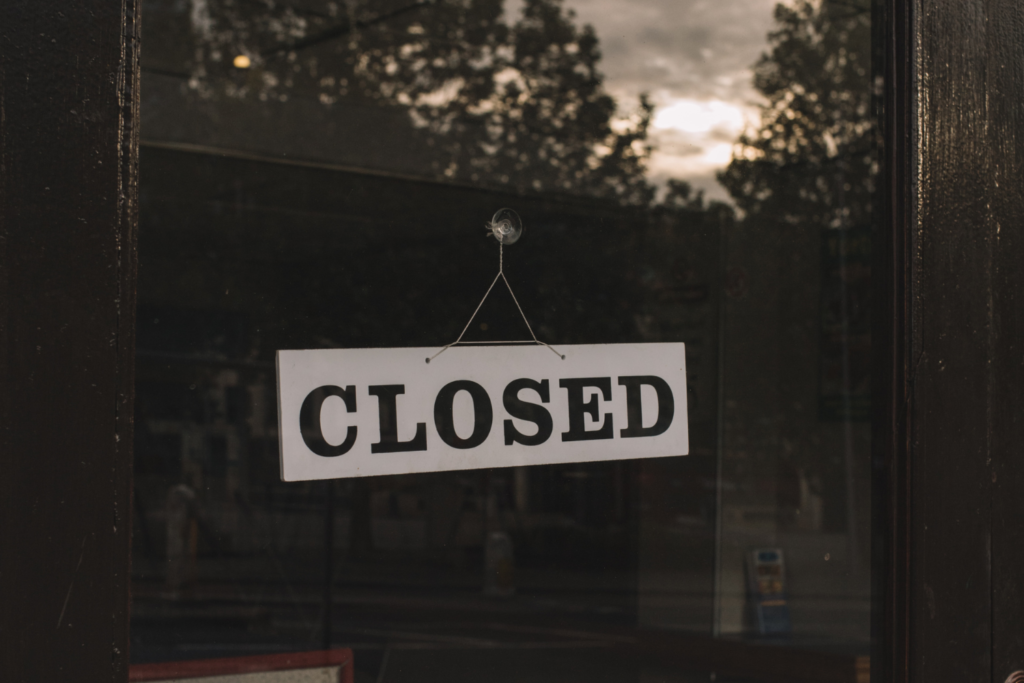
Restaurants, bars, and retail shops shut doors as lighting, payment systems, and refrigeration failed. Even businesses with generators hesitated to stay open without exterior lighting.
Owners cited safety for staff and customers as the deciding factor. Nighttime commerce evaporated. The city’s nightlife economy paused abruptly, underscoring how dependent after dark activity is on reliable power and visible security infrastructure.
6. Residential buildings encountered unique nighttime hazards.
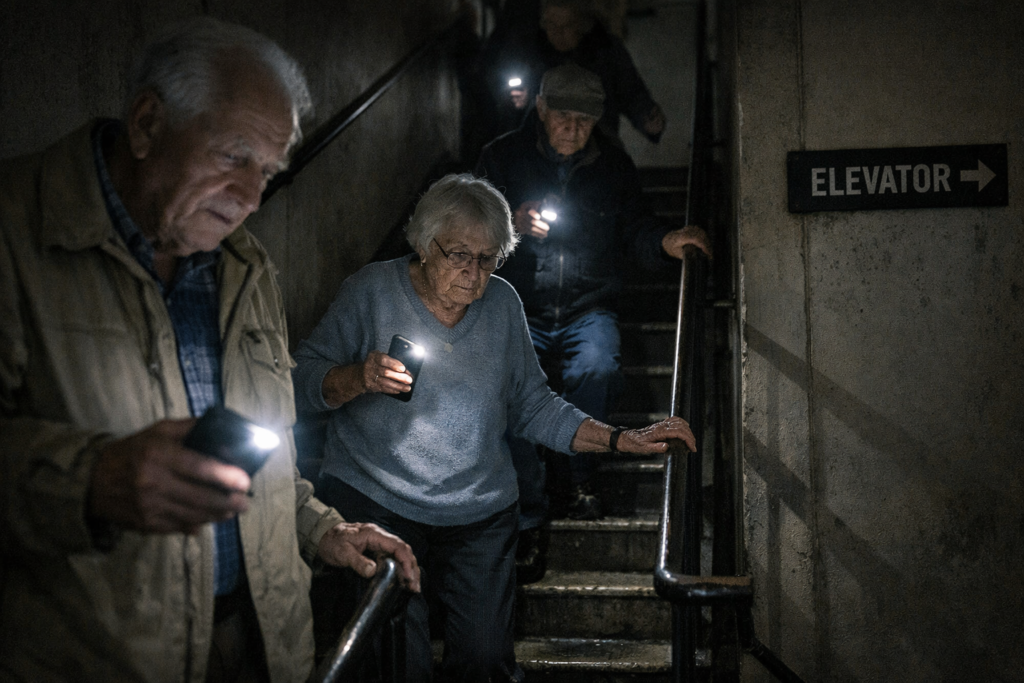
High rise apartments faced stalled elevators and dark stairwells. Residents relied on phone flashlights to navigate common areas. Battery powered smoke alarms and emergency lighting became critical.
For elderly residents and those with mobility challenges, the outage created real danger. Neighbors checked on neighbors. Building managers coordinated flashlight patrols. The experience highlighted vulnerabilities that rarely surface during daylight outages.
7. Law enforcement shifted to visibility and deterrence.
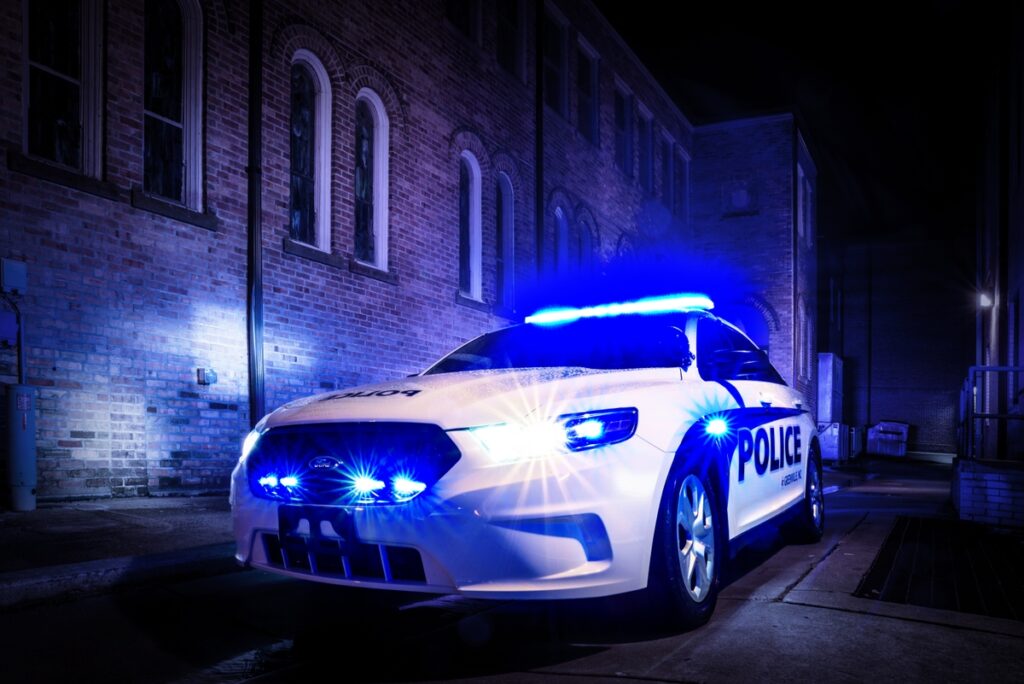
Police increased patrols in affected neighborhoods, focusing on intersections, transit hubs, and commercial corridors. Darkness alters behavior, both cautious and criminal.
Officials emphasized presence rather than enforcement. The goal was deterrence and reassurance. With fewer people outside, even minor incidents felt amplified. Maintaining calm became as important as responding to calls in a city suddenly stripped of its usual glow.
8. Restoration timelines remained uncertain through the night.
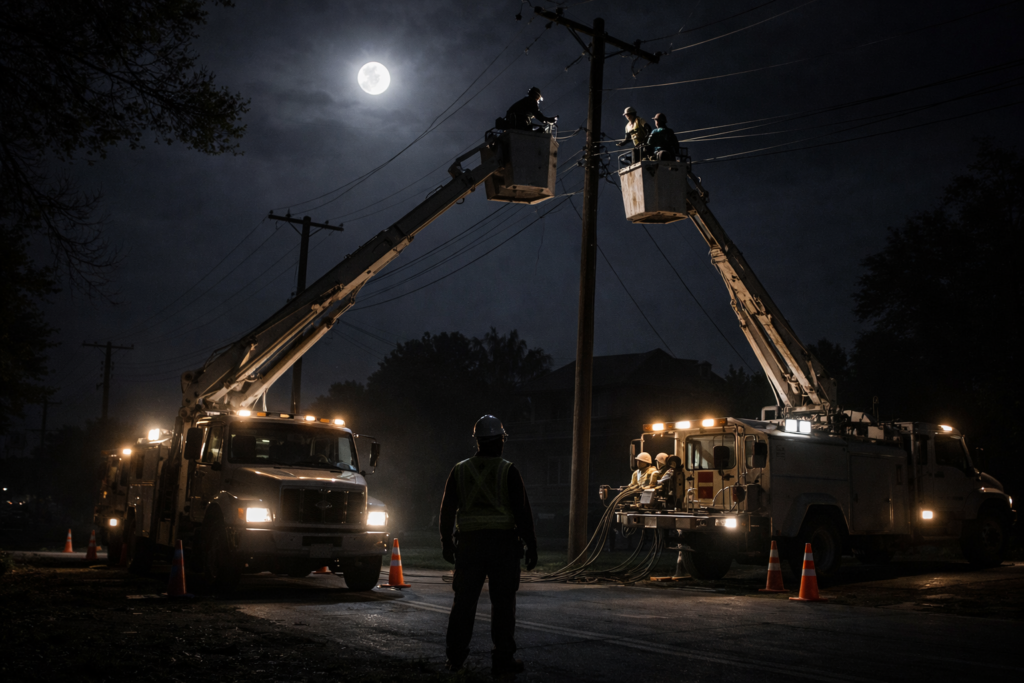
Utility crews worked overnight, but officials avoided firm restoration estimates. Equipment inspections and safety checks slowed progress.
Residents tracked updates by phone as hours passed. The uncertainty weighed heavily. Each update promised progress without guarantees. The outage revealed how much modern reassurance depends on timelines, and how unsettling it feels when none can be offered confidently.
9. The outage exposed deeper infrastructure fragility concerns.
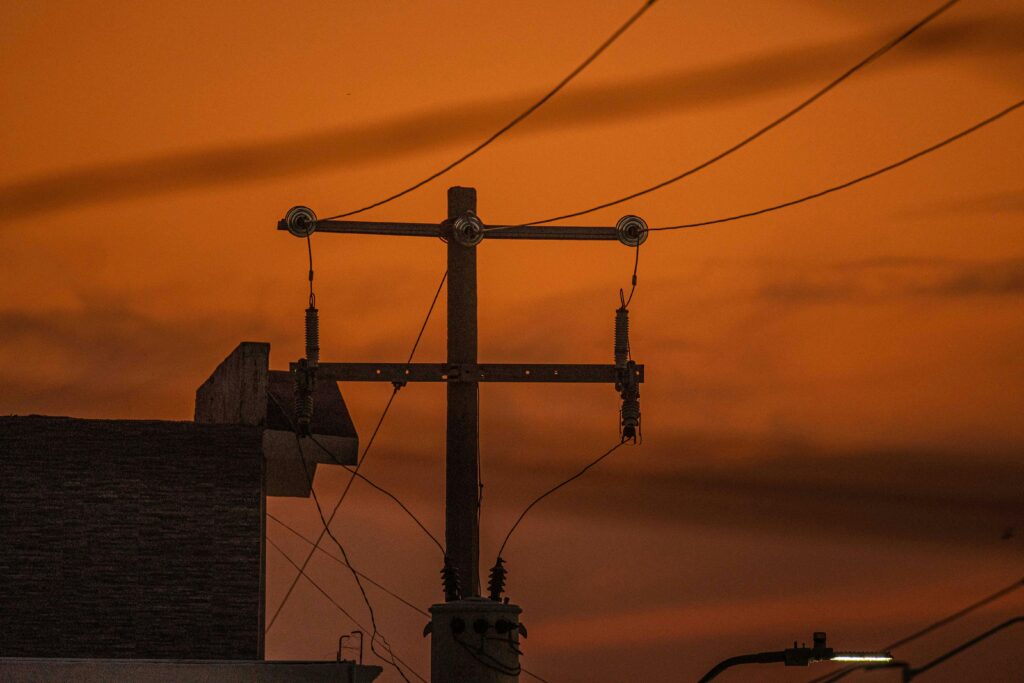
Beyond immediate impacts, the blackout reignited questions about grid resilience in aging urban systems. Extreme weather, equipment fatigue, and rising demand all strain infrastructure.
Saturday night became a case study in cascading vulnerability. One failure triggered many. As power gradually returned, the experience lingered. The darkness was temporary, but the questions it raised about preparedness, redundancy, and urban resilience will last far longer.