
The search is no longer theoretical, it is scheduled.
Something consequential is lining up quietly inside launch manifests and clean rooms. By 2026, multiple space telescopes will be operating in coordination, not hunting headlines but chemistry. These missions are built to measure atmospheres, suppress stellar noise, and identify planetary imbalance, the kind that does not last without constant replenishment. Life, if it exists elsewhere, may not announce itself loudly. It may whisper through gases that should not coexist. For the first time, the tools designed to hear that whisper are nearly ready.
1. Roman will turn distant planets into measurable targets.
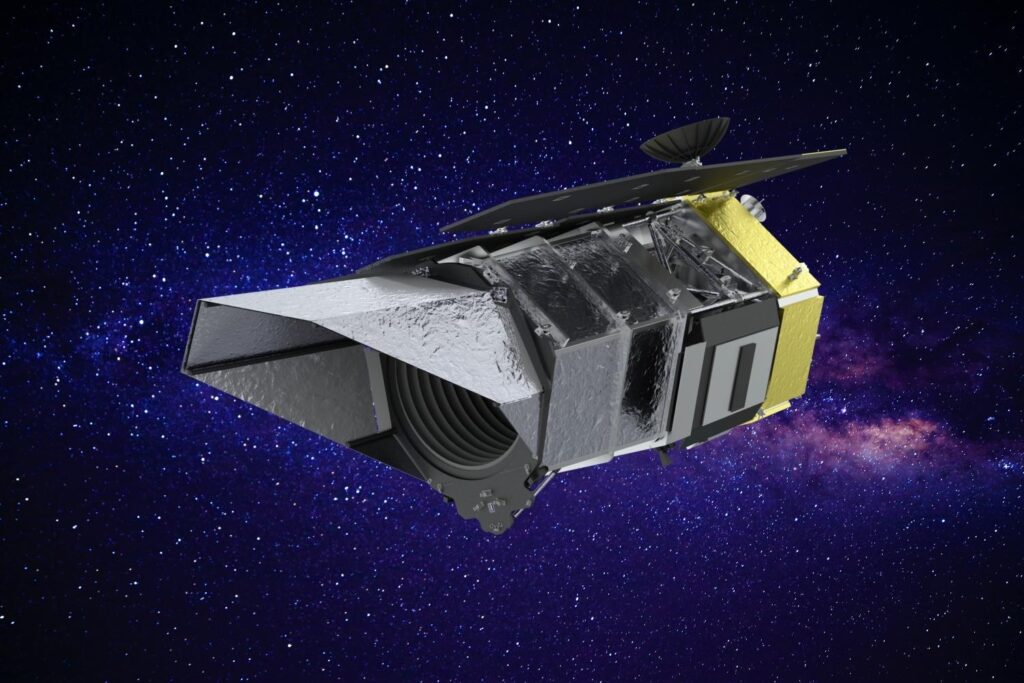
The NASA Nancy Grace Roman Space Telescope is scheduled for late 2026 or early 2027 and represents a pivotal shift in exoplanet science. Roman is designed to survey wide fields of stars and detect planets using microlensing and direct imaging techniques.
Its coronagraph will test technologies capable of blocking starlight at unprecedented levels. This allows faint planetary light to be isolated and studied. Roman will not confirm life on its own, but it will identify the most promising nearby worlds. Those targets become the short list for atmospheric analysis by current and future observatories.
2. PLATO will refine which worlds deserve deeper scrutiny.
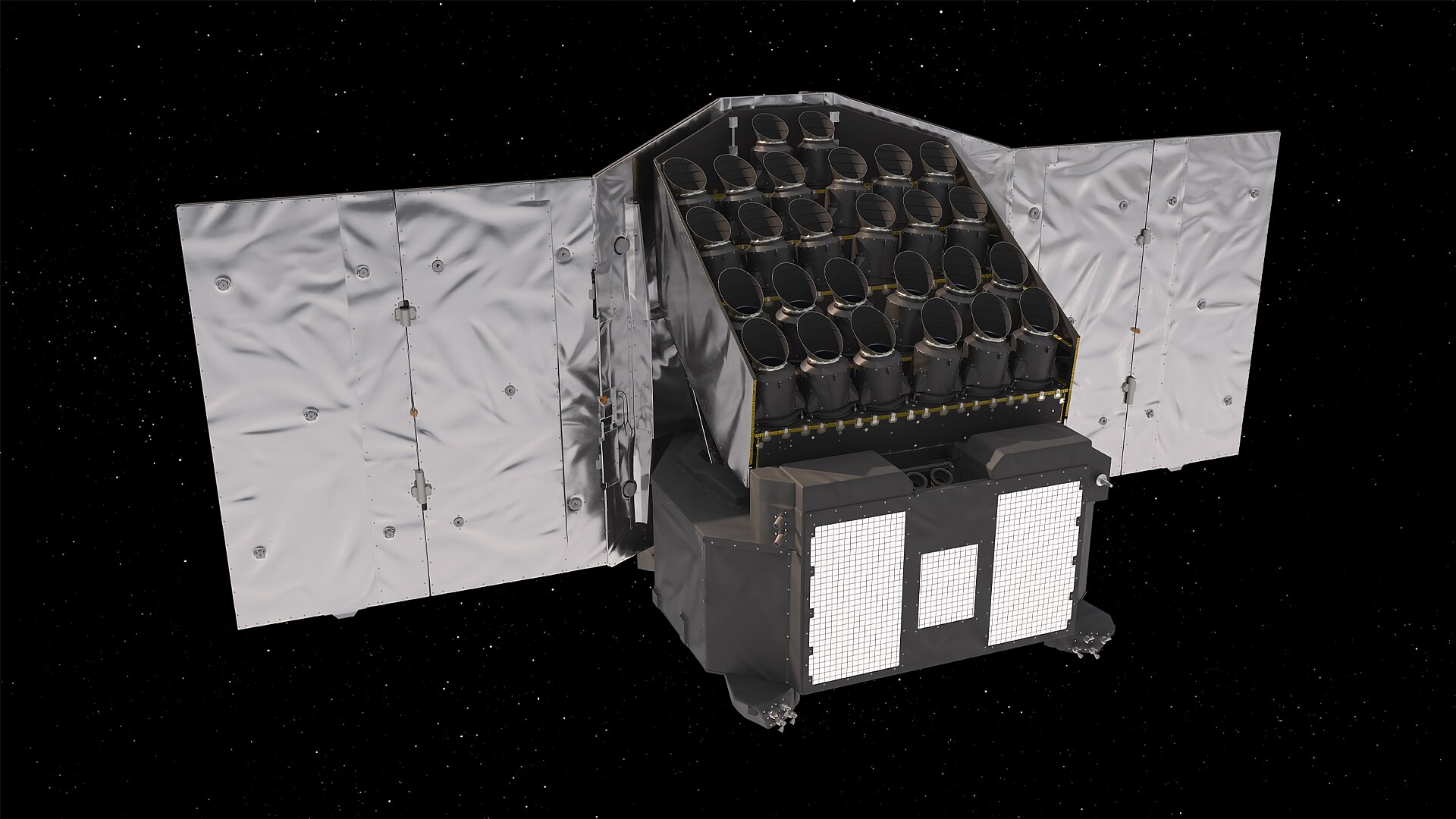
The European Space Agency PLATO mission, launching in 2026, focuses on finding Earth sized planets around Sun like stars. Its strength lies in precision. PLATO measures planetary sizes, orbits, and stellar ages with exceptional accuracy.
This information matters because habitability depends on stability. A planet must sit in the right place long enough for complex chemistry to emerge. PLATO helps determine which systems have had time to evolve. Those worlds feed directly into NASA led follow up efforts, sharpening the search from thousands of candidates to a manageable, meaningful few.
3. SPHEREx will map organic chemistry across the galaxy.
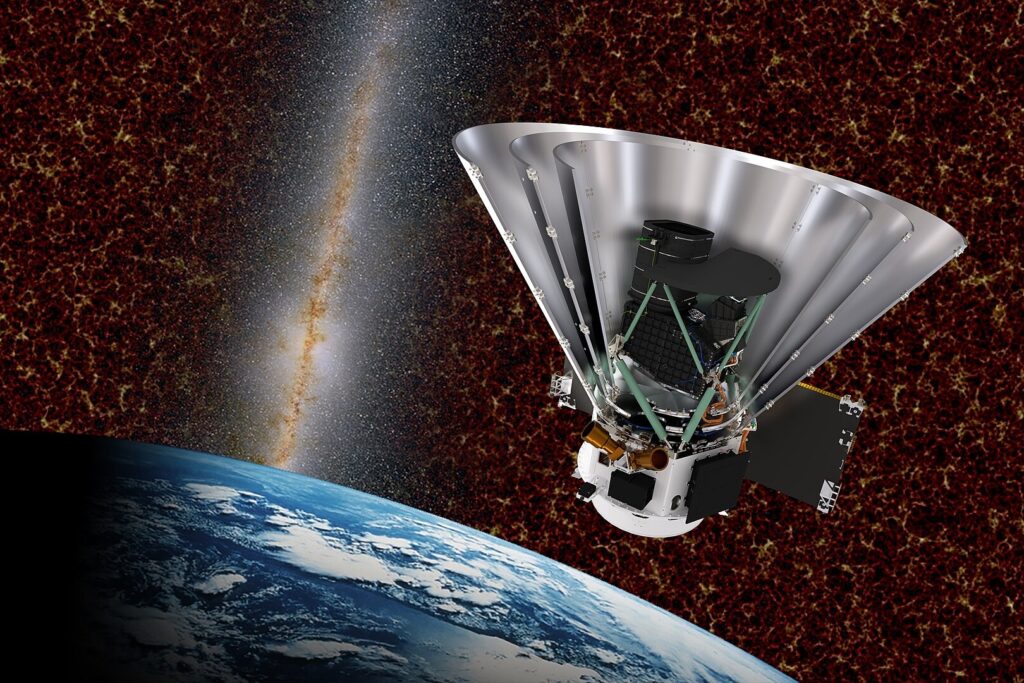
While SPHEREx launches slightly earlier, its data becomes essential by 2026. This all sky infrared survey mission from NASA identifies water, carbon compounds, and organic molecules throughout the Milky Way.
SPHEREx does not study individual exoplanet atmospheres, but it provides chemical context. It reveals where the building blocks of life are common and where they are scarce. When atmospheric anomalies appear later, scientists can compare them against galactic background chemistry. That context prevents over interpretation and grounds discoveries in broader cosmic patterns.
4. Atmospheric disequilibrium is the real signal scientists seek.

Life alters its environment. On Earth, oxygen and methane coexist only because living systems constantly replenish them. The 2026 era telescopes are designed to detect these kinds of chemical imbalances remotely.
Rather than searching for specific organisms, scientists look for atmospheres that should collapse without active processes. This approach avoids assumptions about biology. It asks a simpler question, why does this planet remain chemically unstable. That question is measurable, testable, and repeatable across multiple instruments, making it the most credible path forward.
5. Improved coronagraphs finally quiet hostile starlight.

Stars are noisy. Their flares and brightness variations overwhelm faint planetary signals. Roman’s coronagraph and related technologies represent a major leap in suppressing this interference.
By blocking direct starlight more effectively, telescopes can isolate reflected light from planets themselves. This allows spectral analysis of atmospheres rather than vague brightness measurements. The improvement is not cosmetic. It transforms exoplanets from points of light into chemical systems that can be examined repeatedly and confidently.
6. Repeated observation replaces single moment discovery.

One measurement proves nothing. The 2026 missions emphasize cadence, returning to the same planets over months and years. This reveals seasonal changes, atmospheric stability, and long term trends.
A gas that appears once may be noise. A gas that persists demands explanation. This slow accumulation of evidence prevents false excitement and strengthens conclusions. The search for life becomes less dramatic but far more reliable, built on persistence rather than surprise.
7. Artificial intelligence will manage overwhelming data volume.

These telescopes will generate immense datasets. Machine learning tools will flag anomalies, correlations, and patterns far faster than humans alone could manage.
Scientists remain in control of interpretation, but automation handles scale. This partnership allows subtle biosignatures to surface without drowning in noise. It also ensures that unusual results are not missed simply because they are rare. The role of AI is not to declare life, but to ensure no credible signal goes unseen.
8. Habitability definitions are widening beyond Earth clones.

Earlier searches focused narrowly on Earth like planets. The 2026 missions broaden that lens. Thick atmospheres, exotic chemistry, and different temperature regimes are now considered valid targets.
Life elsewhere may not mirror Earth biology. By loosening assumptions, scientists reduce blind spots. Telescopes are tuned to observe diversity, not conformity. This flexibility increases the odds of discovery while keeping interpretations cautious and evidence based.
9. Confirmation will take years, not press releases.
If a potential biosignature appears, it will trigger scrutiny, not celebration. Independent teams will analyze the data. Other telescopes will attempt confirmation. Alternative explanations will be tested exhaustively.
This slow process protects scientific credibility. A finding of life would be among the most profound discoveries in history. It must survive every challenge. The absence of immediate announcements is not secrecy. It is discipline, ensuring that any conclusion rests on unshakable ground.
10. Even silence would fundamentally reshape understanding.

If no biosignatures appear, that outcome still matters deeply. It refines probabilities and sharpens the rarity of life. Knowing where life is not helps define where it might be.
The 2026 missions move humanity past speculation. They replace guesses with constraints. Whether they reveal neighbors or confirm solitude, they change perspective permanently. Either result reshapes how Earth understands itself within the vast, quiet structure of the cosmos.