
The quiet signals horses notice before words.
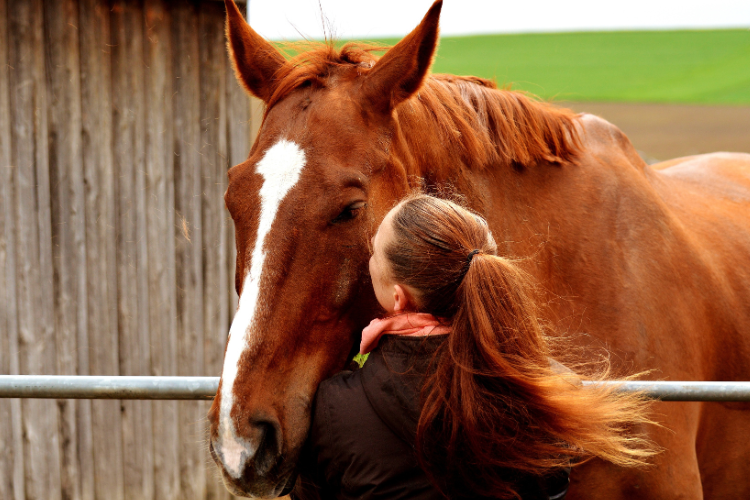
Horses read us constantly, long before words form. In barns, arenas, and pastures, they track tension, breathing, posture, and intention with quiet precision. Researchers now know horses adjust behavior based on subtle human cues within seconds. What feels like intuition is layered biology, shaped by prey survival, social living, and thousands of years alongside people across modern landscapes everywhere today.
1. They detect facial tension before conscious awareness.
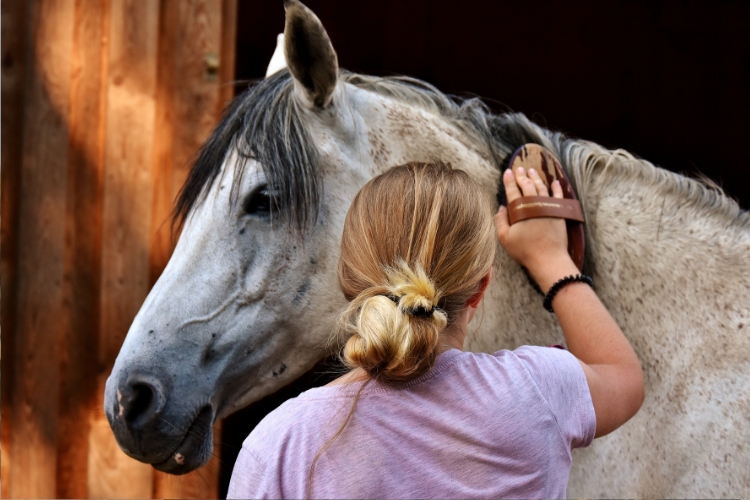
Pupillometry studies show horses distinguish angry from happy faces, reacting with elevated heart rates to anger images. In controlled tests, they turned left eyes toward threatening expressions, a brain lateralization linked to vigilance in prey species during visual processing tasks.
This sensitivity appears before movement cues emerge, suggesting emotion recognition without sound or gesture. The work reshaped training assumptions, according to a review by Scientific American summarizing university experiments conducted in Europe with domestic horses during recent behavioral research programs.
2. Their heart rhythms sync with human stress.

When handlers feel anxious, horses often show matching heart rate variability within moments. Field studies in riding schools found physiological coupling during grooming and leading, even when humans attempted calm behavior through controlled breathing exercises during routine sessions daily there.
This involuntary mirroring hints at emotional contagion rather than obedience alone. It supports findings from equine physiology research, as reported by the University of Sussex analyzing paired human horse stress responses measured during riding lessons, barn handling, and veterinary exams.
3. Posture shifts signal danger faster than voices.

Horses evolved to read bodies for survival, noting tightened shoulders or rigid stance instantly. Experiments show they step away sooner from tense humans than from relaxed ones, even without changes in volume or commands during brief approach tests indoors and.
This rapid appraisal precedes conscious speech processing, prioritizing safety. Motion analysis confirms avoidance occurs within seconds, as discovered by researchers publishing in Current Biology after controlled arena trials conducted with domestic horses, standardized handlers, neutral lighting, repeated measures, consistent outcomes.
4. Smell carries emotional chemistry humans overlook often.

Human sweat releases different compounds during fear or calm states. Horses possess large olfactory bulbs, enabling detection of hormonal traces that linger in stables, tack rooms, and clothing long after emotional moments pass within enclosed barns, trailers, arenas, stalls, quietly.
That chemical awareness explains reactions before eye contact or touch. A nervous handler may trigger alert behavior simply by entering a space, shifting horse focus, breathing patterns, and muscle tone immediately during early morning chores, feeding, turnout, or training sessions.
5. Eye movements reveal how horses assess mood.

Horses favor one eye when processing emotional stimuli, reflecting brain specialization. They often use the left eye for negative cues, suggesting right hemisphere engagement during stress evaluation near unfamiliar or uneasy people in barns, arenas, trails, paddocks, and cross ties.
This bias changes with handler emotion, not task difficulty. Observers notice eye switching when tension fades, showing constant emotional monitoring that adjusts moment by moment during shared activities like grooming, tacking, mounting, leading, loading, lessons, clinics, travel, turnout, rest, handling.
6. They notice breathing patterns before spoken cues.
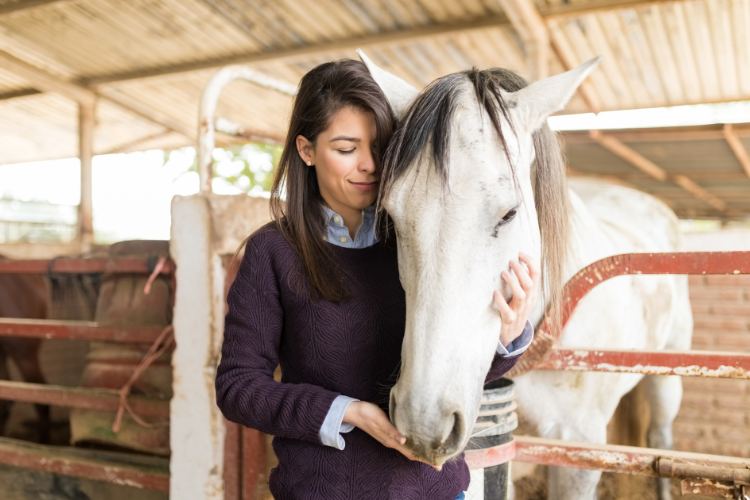
Horses detect shallow or rapid breathing through proximity and subtle movement. Changes in rib motion and tension alter handler posture, providing early information before words form or reins move during mounting, groundwork, lunging, riding, trailering, vet checks, clinics, lessons, routines.
Calm exhalation often softens horse responses, while held breath increases vigilance. Riders learn that relaxation travels down the lead rope or reins, shaping responses without verbal instruction during schooling, warmups, obstacles, transitions, halts, turns, backing, circles, patterns, work, daily, interactions.
7. Timing shifts expose how quickly horses react.

Reaction latency to human emotion can be seconds, not minutes. Horses tense, step away, or freeze almost immediately after a handler’s mood changes, especially in confined spaces like stalls, trailers, wash racks, cross ties, alleys, gates, chutes, barns, aisles, pens.
This speed matters for safety and trust. Emotional awareness helps horses avoid unpredictable humans, reinforcing why calm consistency reduces accidents during handling and riding in lessons, therapy, patrols, ranching, policing, sports, transport, shows, breeding, rescues, rehabilitation, training, care, work, environments.
8. Horses learn emotional patterns over repeated encounters.
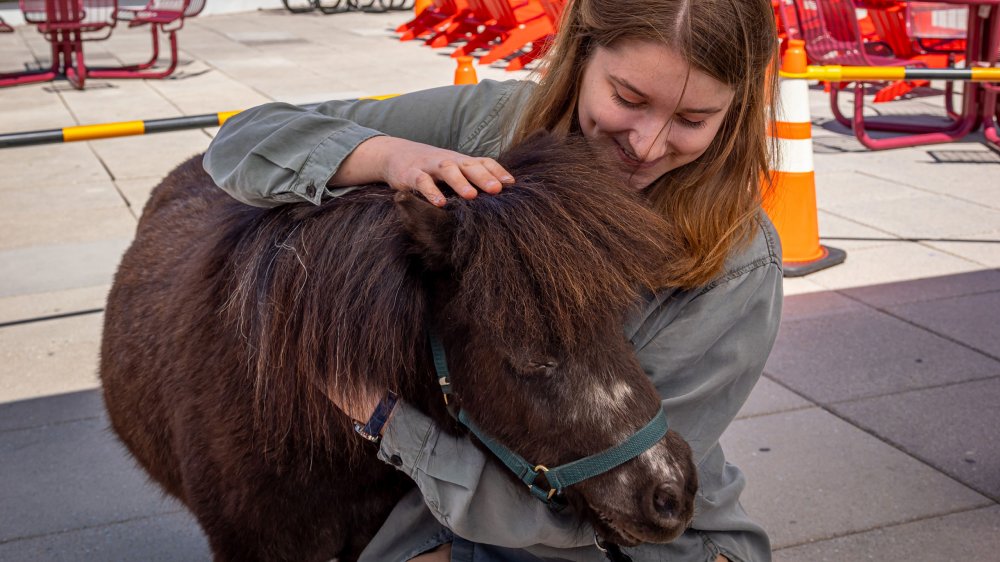
Beyond immediate cues, horses remember how specific people usually feel. A consistently anxious rider builds anticipation responses, while calm handlers create relaxed expectations before contact begins across days, weeks, lessons, barns, pastures, programs, barns, stables, teams, routines, schedules, seasons, time.
This emotional history influences training outcomes and trust. Horses prepare mentally based on past interactions, shaping reactions before tack appears or words are exchanged during daily care, exercise, feeding, turnout, riding, schooling, hauling, clinics, competition, work, leisure, rest, bonding, moments.
9. Muscle tone changes broadcast human emotional states.
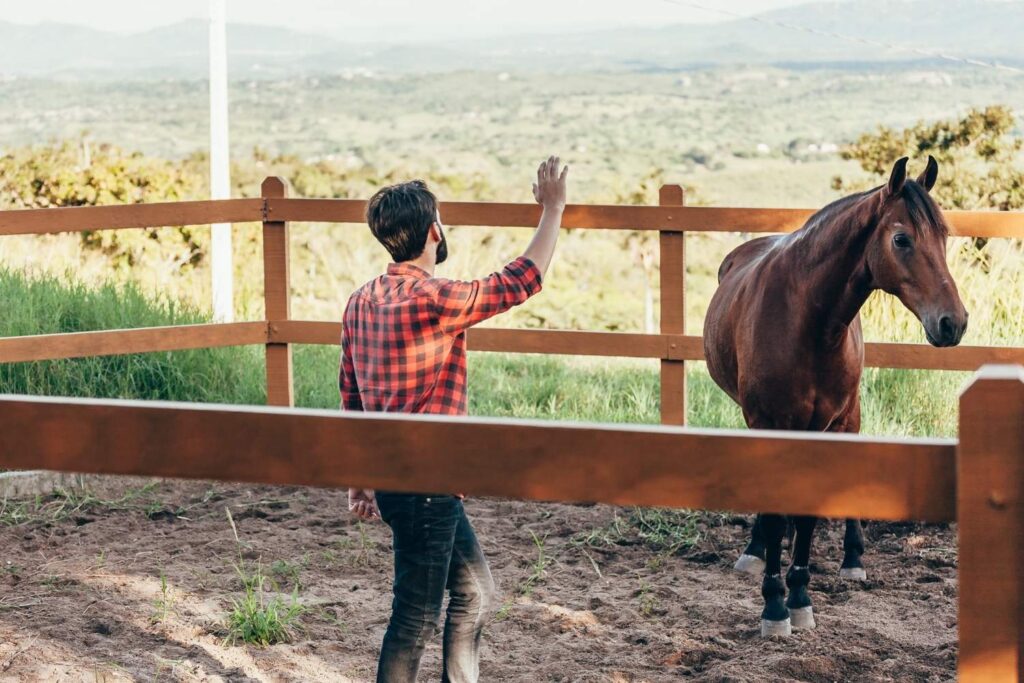
Tight hands, clenched jaws, or rigid shoulders alter human movement. Horses notice these micro tensions, responding with guarded steps or elevated alertness before any overt action during approach, mounting, handling, grooming, leading, saddling, bridling, checks, walks, pauses, work, routines, moments.
Relaxed muscles send opposite signals, promoting curiosity and softness. Skilled trainers focus on releasing their own bodies first, knowing horses read tension faster than instruction during groundwork, riding, rehabilitation, therapy, lessons, clinics, starting, restarting, retraining, recovery, care, support, sessions, daily.
10. Environmental awareness amplifies emotional signal detection strongly.
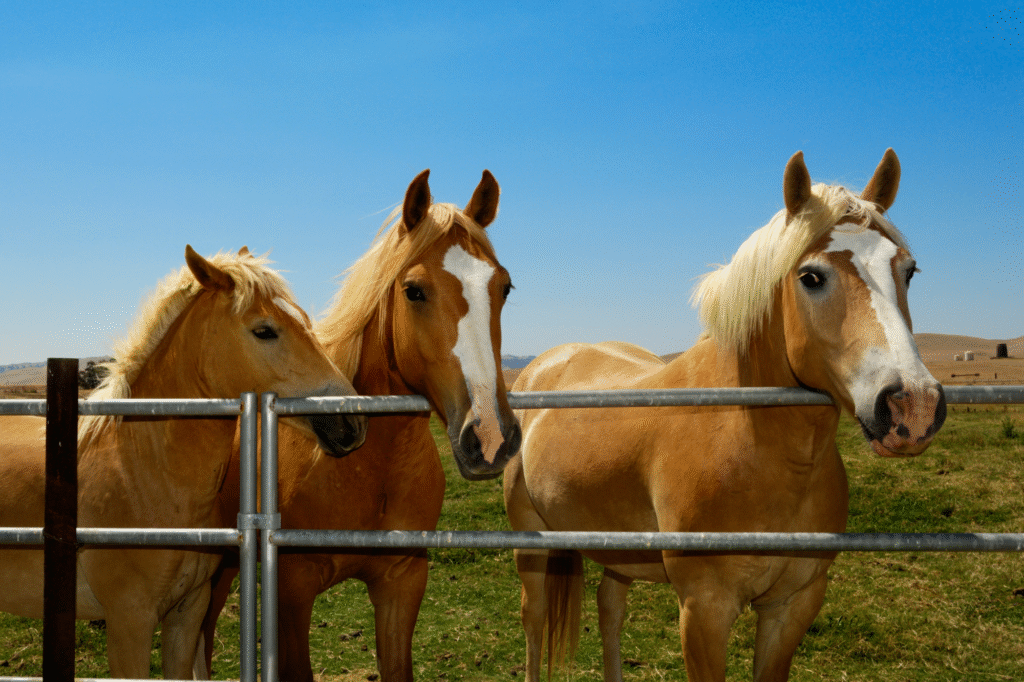
In quiet barns, subtle cues stand out sharply. In noisy shows or traffic heavy areas, horses still isolate emotional signals, filtering chaos to prioritize safety relevant information amid crowds, music, vehicles, machinery, weather, echoes, movement, vibration, commotion, change, stress, overload.
This adaptability explains why horses remain sensitive even in busy settings. Emotional perception operates alongside environmental scanning, integrating multiple inputs rapidly during events, parades, patrols, lessons, camps, trail rides, roads, farms, cities, fairs, work, travel, exposure, noise, light, activity, pressure.
11. Young horses show early emotional sensitivity signs.

Foals respond differently to calm versus tense humans from early handling. Breeders note calmer progress when caretakers maintain steady emotions during imprinting and weaning periods in barns, paddocks, nurseries, farms, studs, broodmare operations, routines, daily, care, checks, feeding, handling, sessions.
These early experiences shape lifelong responses to people. Sensitivity becomes either a strength or vulnerability depending on emotional consistency encountered during development across months, training, growth, learning, exposure, routines, lessons, setbacks, handling, progress, changes, transitions, socialization, trust, bonding, time, overall.
12. Trust deepens when humans regulate emotions consistently.

When humans manage fear, frustration, or anger, horses relax. Emotional regulation creates predictability, allowing horses to focus on tasks rather than scanning for threats during riding, training, handling, therapy, policing, farming, transport, care, shows, lessons, work, partnership, routines, interactions, daily.
This shared calm strengthens partnership over time. Horses respond not to dominance, but emotional reliability sensed long before any command leaves human lips during mounting, approach, handling, leading, schooling, riding, care, trust, building, moments, lessons, work, connection, bonding, presence, together.