
New data is forcing scientists to reassess long-dismissed ideas.
For decades, the Moon was considered one of the least likely places to host life of any kind. Its lack of atmosphere, liquid water, and geological activity seemed to settle the question long ago. But new findings from recent lunar missions and reanalyzed data are complicating that assumption. Scientists say the discoveries do not confirm life, but they do reopen questions about chemical activity, subsurface environments, and whether the Moon may be more dynamic, and more mysterious, than previously believed.
1. Water signals near lunar poles changed assumptions.
Permanent shadowed craters near the Moon’s poles remain colder than any natural environment on Earth. Radar and neutron spectrometer data show stable water ice locked inside these regions. According to NASA analysis, these deposits likely accumulated over billions of years without evaporating or sublimating.
Water ice alters chemical expectations dramatically. Mixed with regolith, it forms cold, radiation shielded micro environments. These pockets slow molecular decay and preserve volatiles far longer than exposed surfaces. While not habitable, they are no longer chemically inert. The poles resemble long term storage rather than barren voids.
2. Organic compounds were detected in lunar samples.
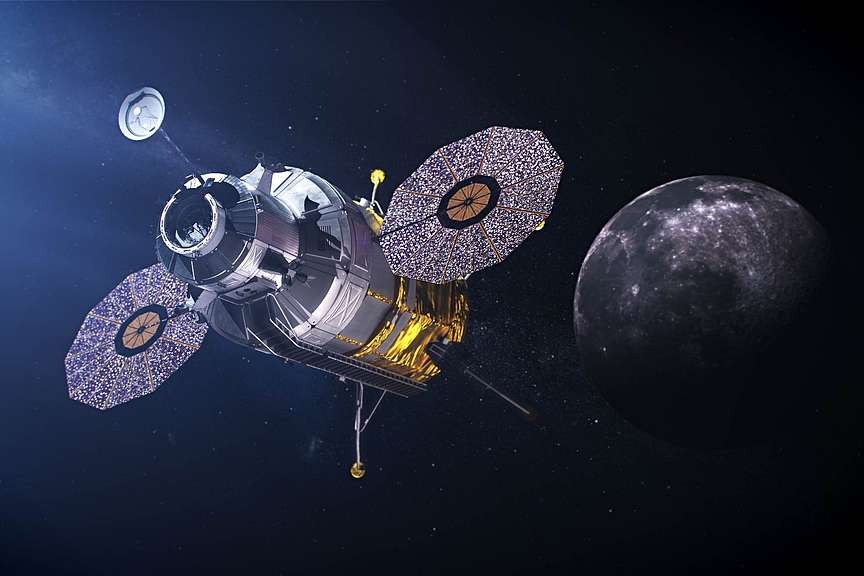
Apollo samples were long assumed chemically simple. Modern instruments overturned that view. As reported by Nature Astronomy, scientists identified simple organic compounds preserved within lunar regolith returned decades ago.
The likely source is meteoritic delivery, but survival is the key issue. Radiation, vacuum, and temperature extremes should destroy organics rapidly. Their persistence suggests lunar soil provides more protection than expected. If simple organics endure, more complex chemistry may have advanced further than earlier models allowed, even if only briefly.
3. Volcanic glass preserved ancient chemical environments.
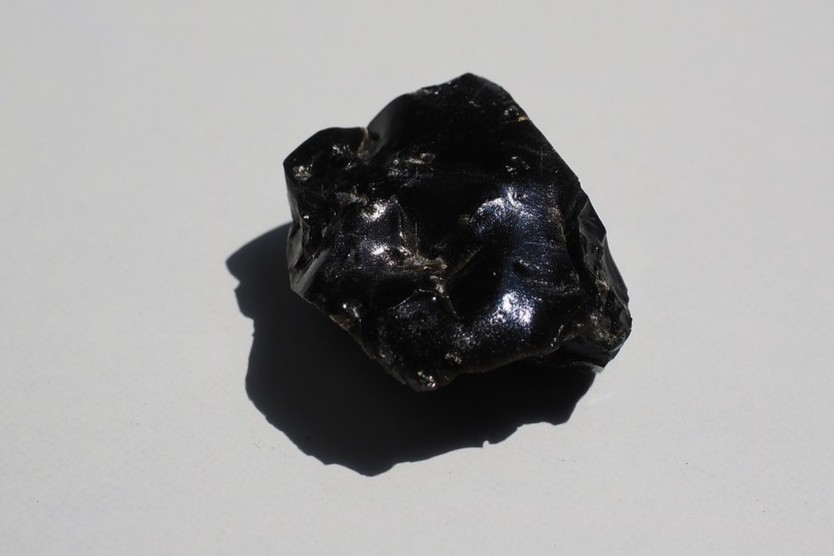
Lunar volcanic glass beads formed during explosive eruptions billions of years ago. These beads trapped gases, including water, during formation. According to research published in Science Advances, some samples still retain measurable volatile content.
This finding reshapes the Moon’s early history. It suggests chemically rich environments existed repeatedly rather than momentarily. Though ancient, these environments lasted long enough to support complex reactions. The Moon’s past appears less static and more chemically active than once assumed.
4. Subsurface temperatures remain more stable than expected.
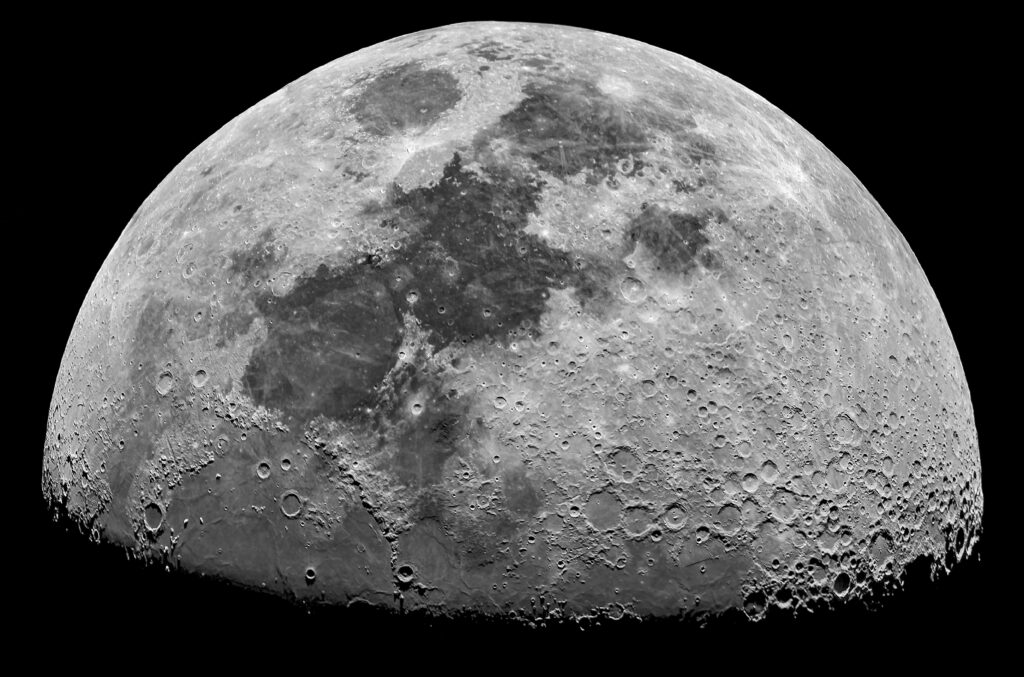
Just meters beneath the lunar surface, temperature extremes soften dramatically. Unlike the surface, subsurface layers experience relative thermal stability.
This stability matters because chemistry requires time. Shielded from radiation and rapid temperature swings, molecules degrade far more slowly underground. These conditions extend the lifespan of delivered or formed compounds. The Moon shifts from instantly destructive to quietly preservative below its surface, expanding where chemistry can persist.
5. Micro environments form around impact melt regions.
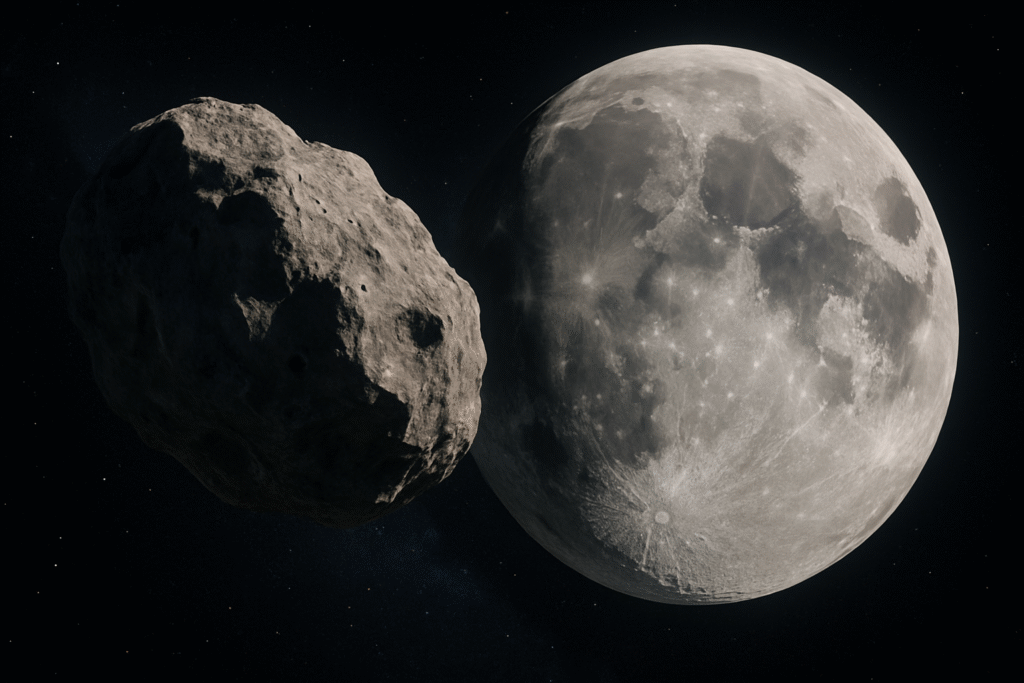
Meteor impacts briefly melt lunar rock, creating glassy regions that cool slowly. These impact melt zones trap heat and gases longer than surrounding terrain.
Over billions of years, countless impacts created repeated chemically active pockets. Each environment was temporary, but repetition matters. Chemistry does not require permanence, only opportunity. These recurring windows raise the probability that complex molecules formed, survived briefly, and accumulated across deep time.
6. Radiation exposure varies more than models predicted.
The Moon lacks a global magnetic field, but localized crustal magnetism creates uneven radiation shielding. Some regions experience significantly reduced particle bombardment.
Lower radiation slows molecular destruction. This uneven exposure complicates assumptions of uniform sterility. Instead of one hostile surface, the Moon appears chemically patchy, with regions where compounds persist longer. This variability introduces nuance where earlier models assumed blanket destruction.
7. Lunar caves offer long term chemical shelter.
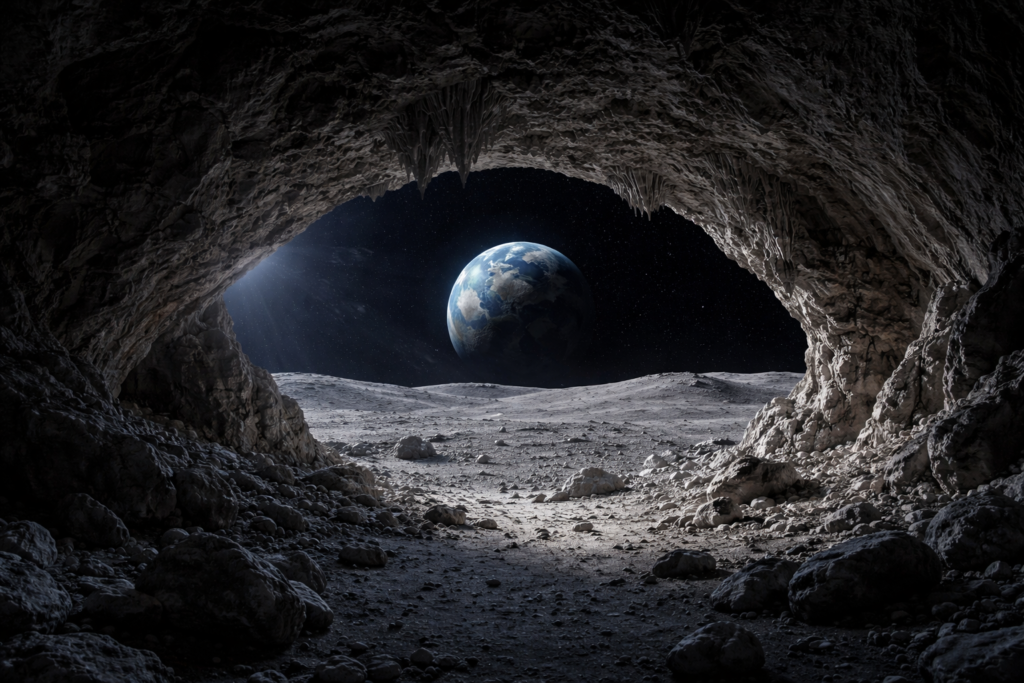
Recent mapping revealed extensive lava tube networks beneath the Moon’s surface. These caves provide shielding from radiation, micrometeorites, and temperature extremes.
Inside, conditions remain stable for millions of years. Any delivered or formed organics would persist longest here. These environments function as natural archives, preserving chemical records erased elsewhere. While still airless, caves represent the Moon’s strongest case for long term molecular preservation.
8. Life tolerates harsher conditions than once believed.

Extremophile research continues to expand known biological limits. Dormancy, radiation resistance, and minimal water requirements challenge older assumptions.
This does not make lunar life likely. It weakens absolute dismissal. The debate shifts from survival to persistence. Even non living biological signatures could endure longer than expected. The Moon’s hostility no longer guarantees total chemical erasure.
9. Human contamination complicates interpretation deeply.
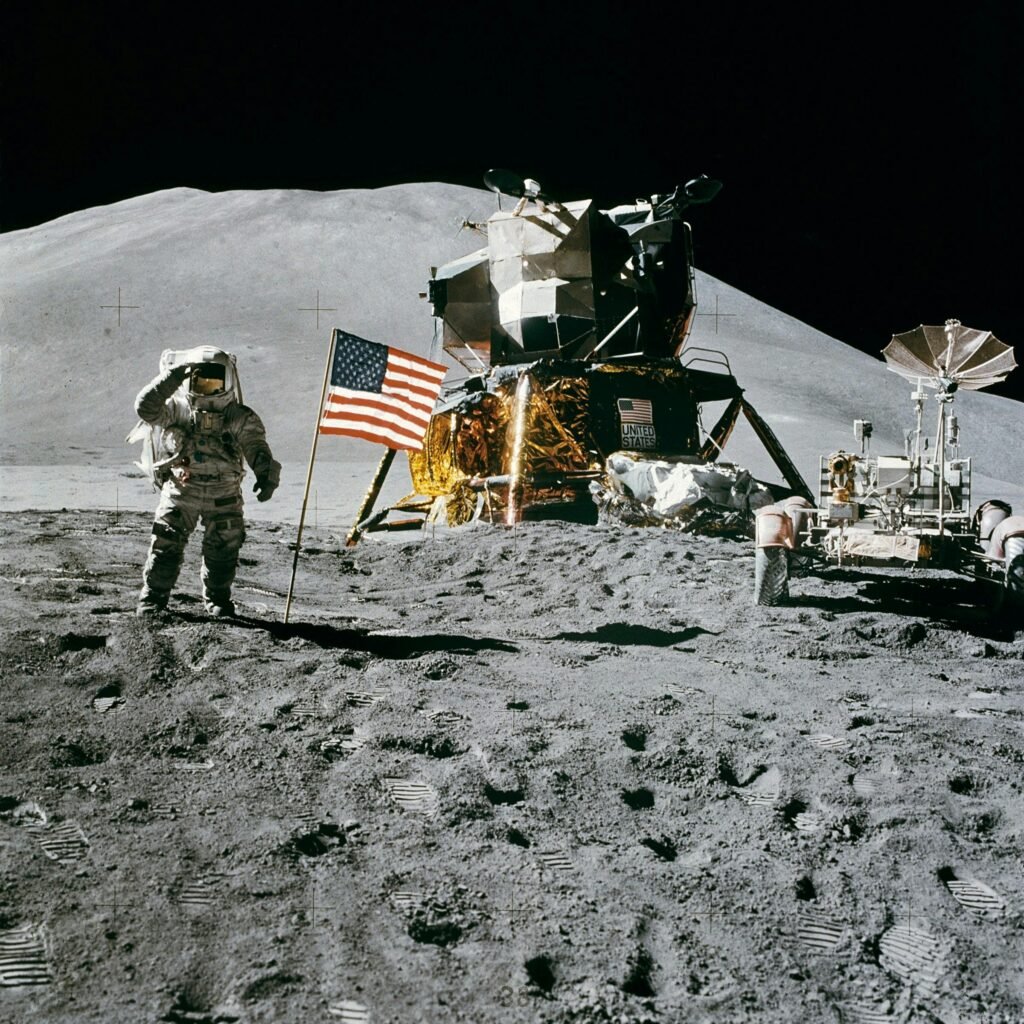
Human missions introduced terrestrial microbes and organic material to the Moon. Distinguishing native chemistry from contamination now requires extreme scrutiny.
Any future detection must rule out Earth origin conclusively. This raises evidentiary standards and slows conclusions. It also means absence of proof is not definitive. The Moon’s biological question is constrained by both environment and humanity’s own footprint.
10. The Moon forces a rethink of sterile worlds.
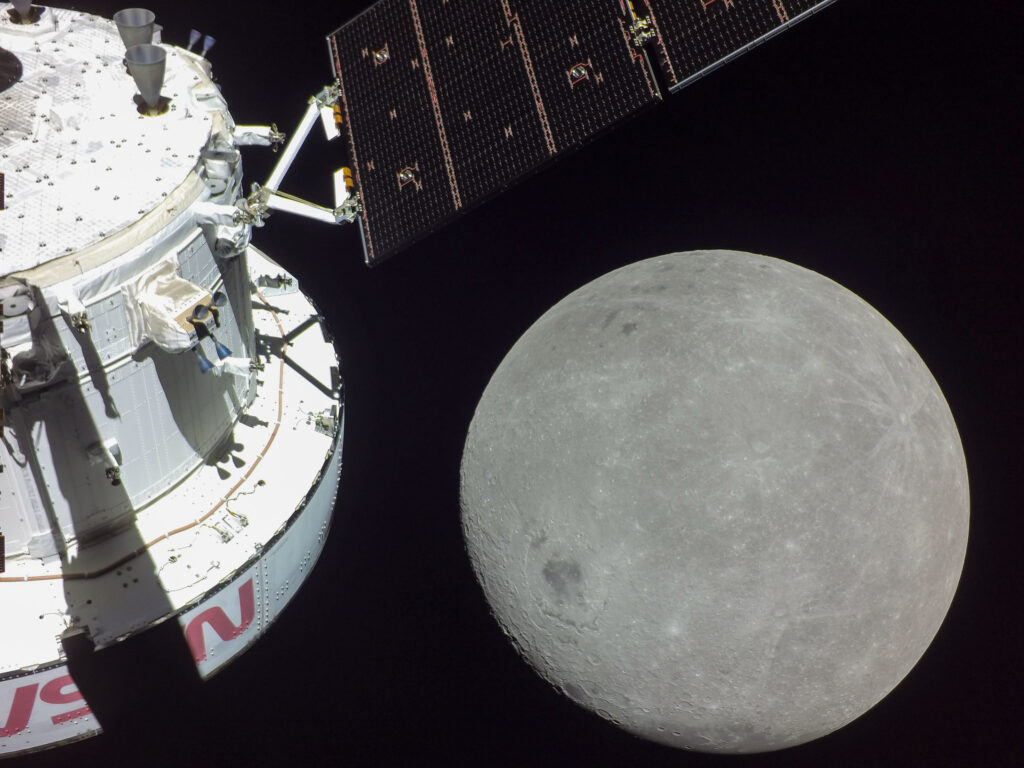
The renewed debate extends beyond the Moon. It challenges how science defines sterility across the solar system. A world may be biologically inactive yet chemically persistent.
That distinction matters when evaluating Mars, asteroids, and icy moons. Declaring a world lifeless may require stronger evidence than silence. The Moon becomes a calibration case, teaching restraint when labeling environments truly dead, and reminding researchers that absence of life does not always mean absence of complexity.