
The discovery is reshaping what historians believed.
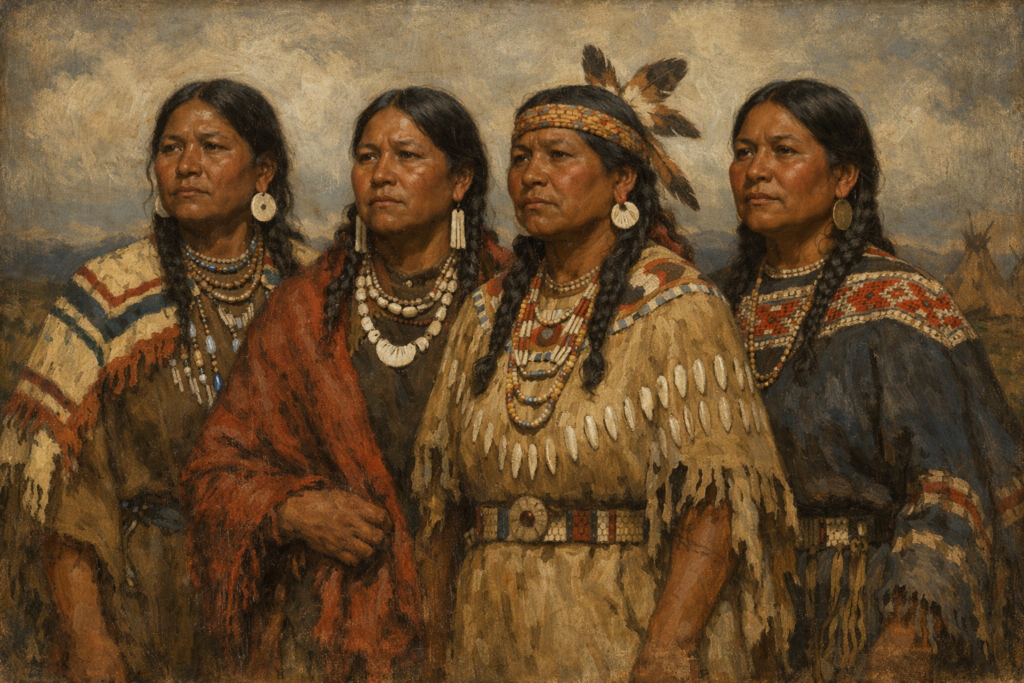
For generations, ancient political power was imagined through familiar symbols such as kings, warriors, monuments and conquest. Yet as archaeologists revisit old sites with new tools and perspectives, another pattern begins to emerge from the ground. Across several regions, evidence points toward networks of influence that do not match earlier assumptions about leadership. Burial placements, trade materials, movement patterns and household structures suggest authority flowed through channels that once went largely unnoticed. When these clues are assembled together, they reveal systems of coordination and diplomacy operating beneath the surface. Slowly, a different picture of ancient political organization is coming into focus.
1. Burial sites reveal women anchored regional authority.
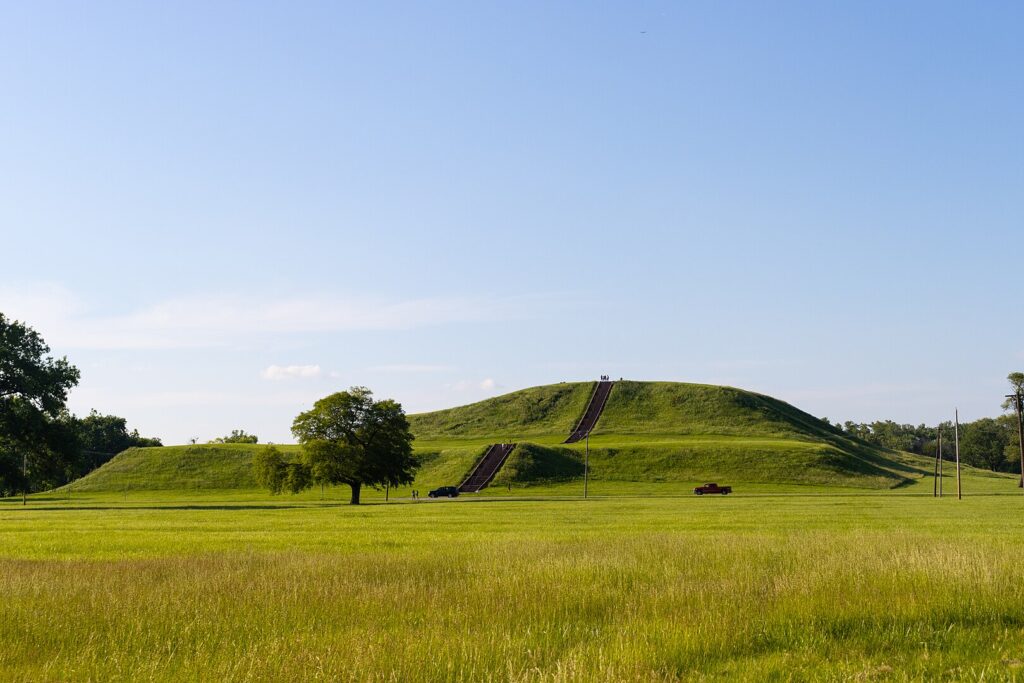
At Cahokia near the Mississippi River, elite graves once attributed to men tell a different story. Female remains sit at the center of complex mound arrangements, paired with exotic goods and ceremonial placement. Isotope studies suggest these women were local linchpins, not outsiders married in. Power here appears inherited and exercised through lineage, kinship, and ritual presence.
As reported by Smithsonian Magazine, reanalysis of Mississippian sites shows female burials consistently shaping political geography. These women linked clans, coordinated feasts, and stabilized leadership transitions during periods of stress and population movement. Their influence extended across valleys and generations with lasting consequences.
2. Marriage alliances placed women at diplomatic crossroads.

In many Andean societies, political stability depended less on conquest than connection. Elite women married across valleys, creating living treaties that bound communities together. Textile production, often controlled by women, functioned as a political language, carrying symbols of rank and obligation. Households led by senior women coordinated labor, tribute, and seasonal ceremonies.
As stated by research published in Nature, bioarchaeological evidence shows high status women moving between regions at pivotal moments. Their movements coincided with shifts in trade routes, shared rituals, and conflict reduction, suggesting intentional political strategy rather than passive marriage customs within fragile mountain landscapes during climatic volatility.
3. Ritual leadership often doubled as real governance.
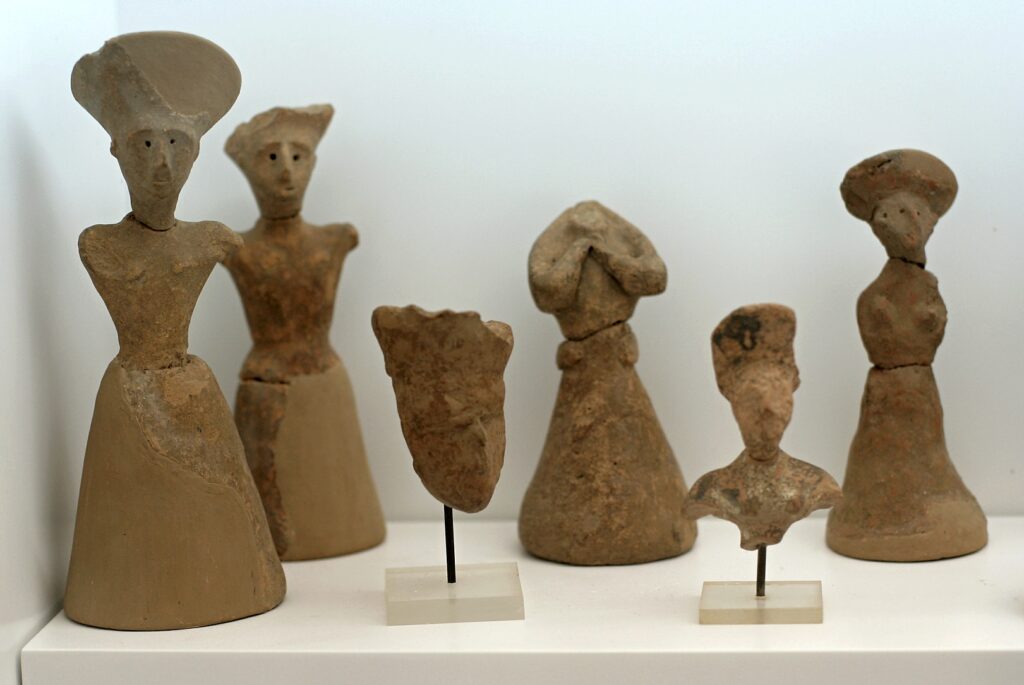
Across Mesoamerica, women presided over rituals that regulated calendars, agriculture, and conflict resolution. Control of ceremonial timing meant control of labor and tribute. Figurines, murals, and temple layouts place female figures at decision points rather than margins. These roles were visible, expected, and reinforced across generations.
According to findings reported by Science, glyph analysis and burial data reveal women acting as brokers between city states. Their authority fused spiritual legitimacy with practical power, allowing them to negotiate alliances, enforce obligations, and manage crises during droughts and political upheaval without relying on warfare as primary tools of control and coordination systems.
4. Trade networks quietly moved through female hands.

In the North American Southwest, shell, turquoise, and cacao traveled vast distances. Evidence from storage rooms and road systems shows women managing distribution points within communities. These hubs balanced scarcity, obligation, and reciprocity, preventing conflict before it formed. Economic influence translated directly into political leverage.
Archaeologists date these patterns between 900 and 1400 CE, overlapping periods of drought and migration. Women who controlled access to goods shaped decisions about settlement, alliance, and survival. Power functioned through trust networks, not force, and endured across generations during repeated environmental stress cycles documented across multiple excavation sites over several centuries of occupation there.
5. Councils relied on women to enforce continuity.
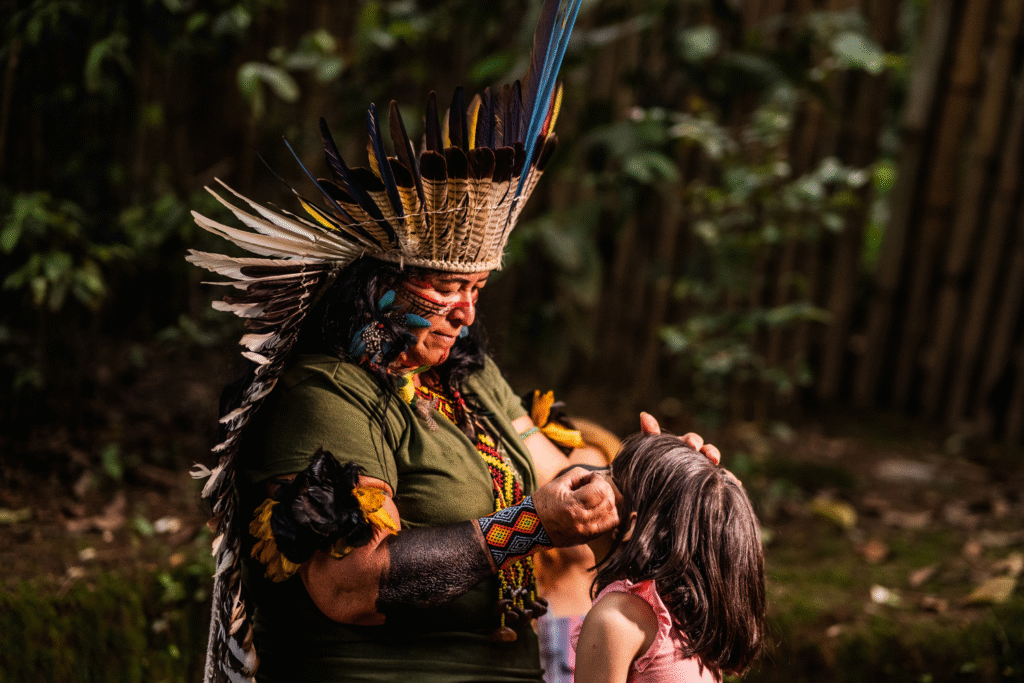
Among Haudenosae nations, clan mothers selected and removed male leaders. This system limited impulsive power and prioritized long term stability. Oral histories align with archaeological settlement patterns showing consistent governance across upheaval. Female authority anchored political memory.
These roles persisted into early colonial contact, shaping diplomacy with Europeans. Women enforced decisions through kinship obligations rather than coercion. Councils functioned because legitimacy flowed through maternal lines, creating resilience when leadership faltered or external pressure mounted during trade negotiations and territorial disputes recorded in settlement continuity data spanning centuries before displacement by expanding colonial systems and demographic upheaval across northeastern woodlands regions.
6. Female mobility mapped political influence across regions.
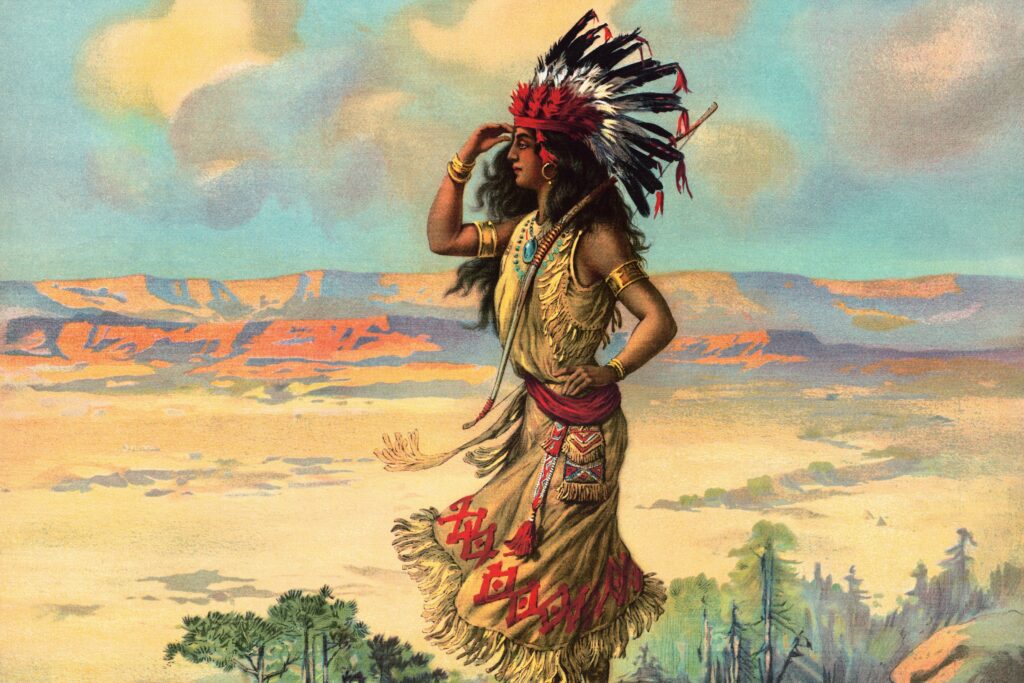
Grave goods and isotopes show women traveling farther than men in many societies. These movements were timed with leadership changes and resource stress. Mobility allowed women to maintain alliances and relay information. Politics moved with people.
From Polynesian islands to Amazonian floodplains, female movement structured diplomacy. Travel linked households into federated systems of obligation. When crises arose, these networks activated rapidly, preventing fragmentation. Archaeological timelines place these patterns well before European arrival between 1000 and 1500 CE based on radiocarbon and settlement sequencing used to track long term governance during climatic and social change across vast ecological zones globally documented.
7. Material culture encoded authority through women roles.
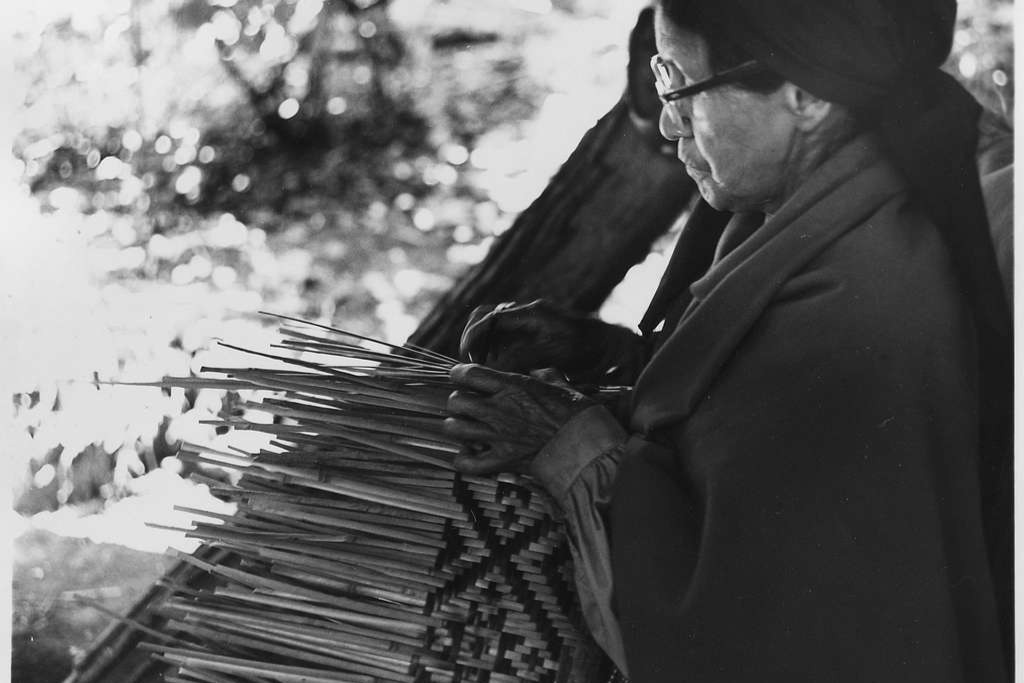
Pottery motifs, weaving patterns, and architecture often mark female control. These designs signaled lineage rights and political obligations readable to insiders. Women curated these symbols, ensuring continuity even as leaders changed. Power was visible in everyday objects.
Excavations across Africa and the Americas show abrupt style changes aligning with female lineage shifts. Material choices tracked authority more reliably than monuments. Political memory survived through hands that shaped daily life during periods of migration and conflict as communities reoriented leadership structures without erasing social cohesion maintained by women artisans across multiple generations and regional boundaries through shared visual language systems endured.
8. Decision making flowed through kinship and care.
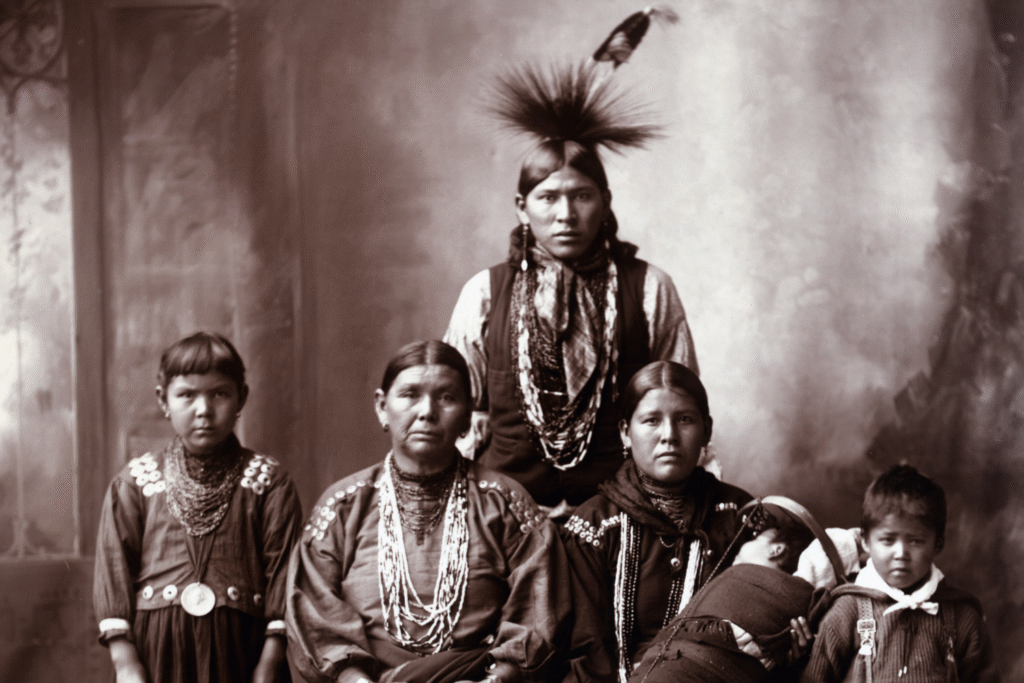
Political authority often grew from caregiving roles. Women managed food security, health, and conflict mediation. These responsibilities created trust and accountability. Leadership emerged from reliability rather than dominance.
In societies facing environmental uncertainty, those who sustained daily life guided collective choices. Archaeological settlement data show stability where women coordinated care networks. Politics here was practical, relational, and persistent during prolonged droughts and resource scarcity documented in layered habitation sites across deserts, forests, and floodplains from 800 to 1600 CE where survival depended on cooperation rather than centralized coercion within extended family networks that shaped political outcomes over many generations there.
9. Women mediated conflict long before formal states.
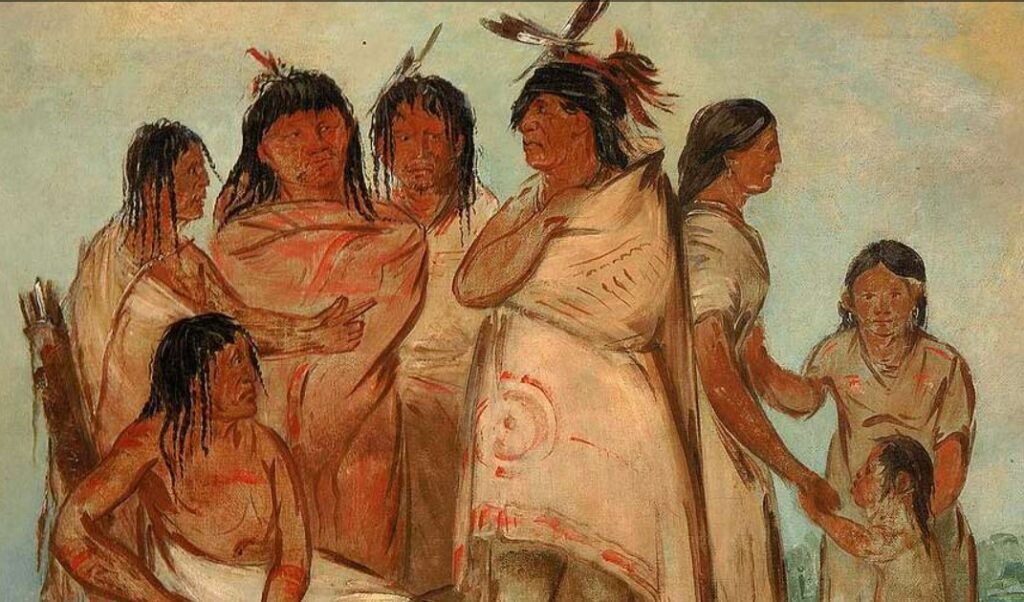
Evidence from fortified settlements suggests negotiation preceded violence. Female intermediaries managed disputes over land and marriage. Their involvement reduced escalation and preserved alliances. Conflict resolution was a political skill.
Settlement layers show continuity where mediation prevailed. Women drew on kin ties spanning rival groups. These networks absorbed tension and redirected competition. Governance thrived without standing armies between 700 and 1300 CE as populations expanded and resources tightened verified through comparative site analysis across river valleys and uplands where political balance remained fragile yet adaptable through mediation led primarily by women embedded in kinship obligations and reciprocal exchange systems widely observed.
10. Power looked different than traditional archaeological expectations.

Earlier interpretations favored monuments and weapons. New methods prioritize households, movement, and care. This shift reveals governance operating in parallel to warfare. Women appear central within these systems.
Taken together, evidence across continents reframes ancient politics. Authority often resided in relationships rather than force. Recognizing these networks clarifies how societies endured change. Indigenous women shaped history in durable, measurable ways through leadership structures overlooked for decades by earlier excavation priorities now corrected through interdisciplinary research combining archaeology, genetics, and ecology across Indigenous landscapes worldwide dating from deep prehistory into recent centuries before colonial disruption reshaped political memory and scholarship itself.