
A familiar fossil no longer holds the center.

For decades, Lucy stood as a steady anchor in the human origin story. Discovered in Ethiopia in 1974, her skeleton shaped textbooks, museum halls, and classroom diagrams. She appeared to offer a clean bridge between apes and humans. That clarity is now softening. New fossils, refined dating methods, and deeper anatomical analysis suggest evolution was messier and more crowded than once believed. Lucy remains important, but her position may no longer be singular or central in the story of human ancestry.
1. Lucy may not sit on our direct lineage.

Lucy belongs to Australopithecus afarensis, long framed as a direct ancestor of Homo sapiens. New anatomical comparisons complicate that view. Certain traits once considered transitional now appear specialized. Her pelvis, spine, and limb proportions suggest a unique evolutionary experiment rather than a straight stepping stone.
Recent reassessments emphasize branching diversity instead of linear progress. According to Smithsonian Magazine, growing fossil evidence supports multiple hominin species coexisting, with Lucy representing a side branch rather than a direct predecessor to later human forms emerging elsewhere in Africa.
2. Foot structure challenges assumptions about walking evolution.
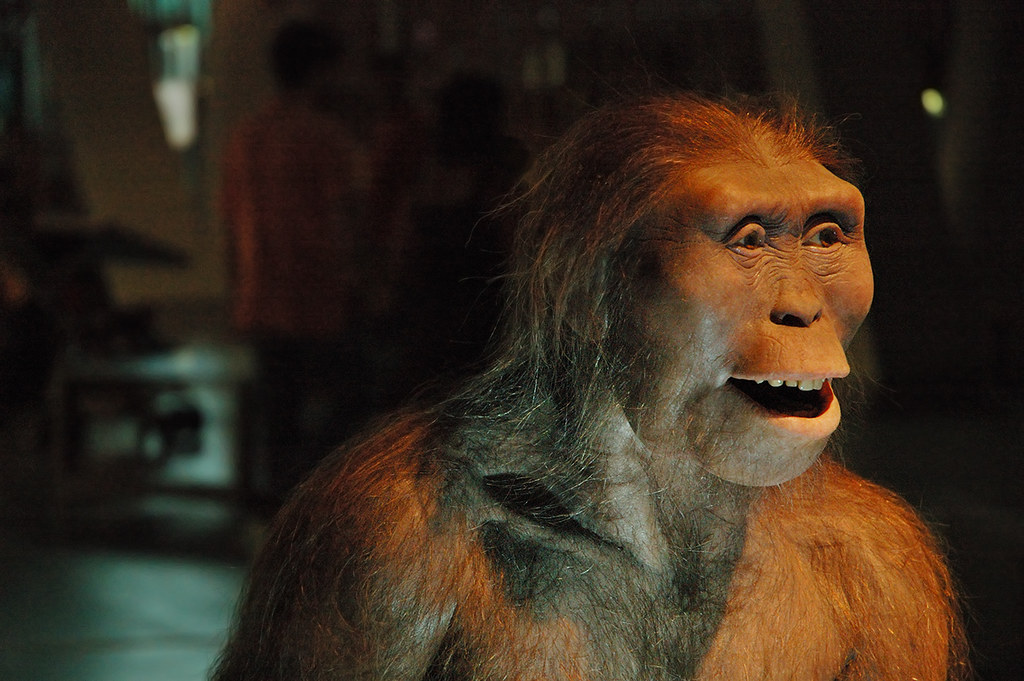
Lucy’s bipedalism was once celebrated as proof of human like walking. Closer analysis of foot and ankle fossils reveals a mixed locomotion pattern. Her gait may have differed significantly from modern humans, retaining climbing adaptations alongside upright movement.
These findings reshape how scientists interpret early bipedal evolution. As reported by Nature, fossil foot bones from afarensis suggest a compromise between ground walking and arboreal movement. This combination implies evolutionary specialization rather than a clean progression toward human walking efficiency.
3. Brain growth patterns raise evolutionary timing questions.

Lucy’s brain size remained firmly ape like despite her upright posture. Earlier models assumed brain expansion followed soon after bipedalism. New fossil timelines challenge that sequence. Brain growth appears delayed and uneven across species.
Research into cranial capacity across early hominins shows varied trajectories. According to Science, multiple species displayed different combinations of brain size and body form, suggesting Lucy’s anatomy reflects one adaptive path among many rather than the template for later human neurological development.
4. Multiple hominins shared Lucy’s landscape.
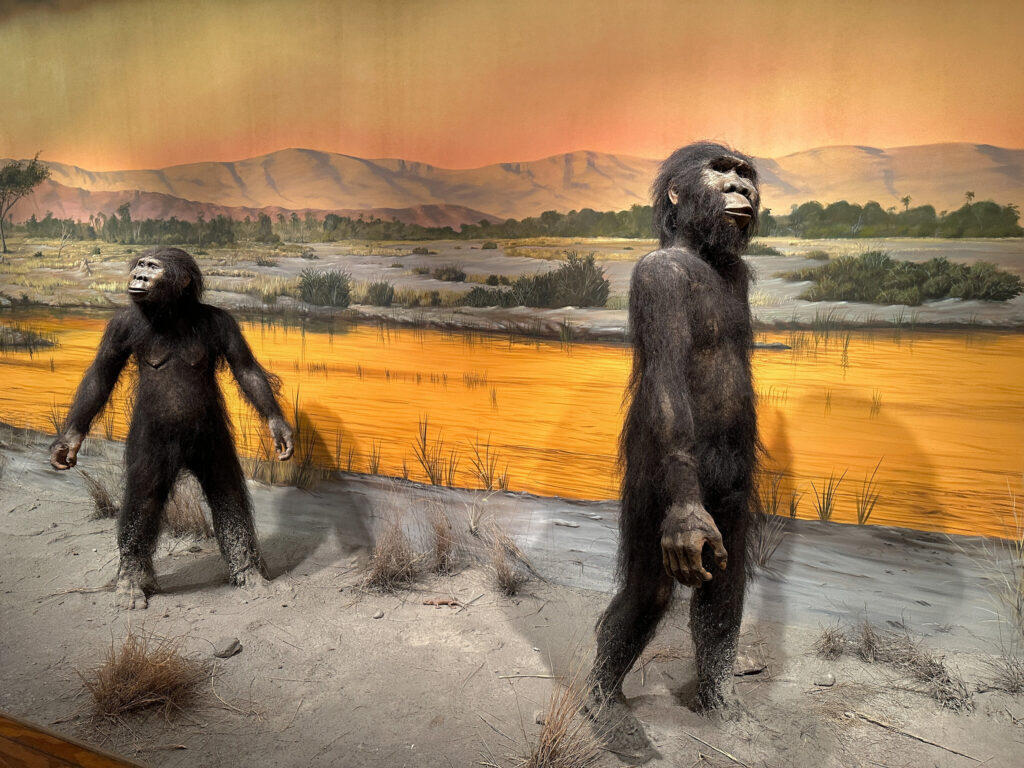
Excavations in East Africa reveal a crowded evolutionary scene. At least three hominin species occupied overlapping regions during Lucy’s lifetime. These groups differed in diet, body size, and locomotion strategies.
Rather than one dominant ancestor, evidence points to parallel experimentation. Fossils dated between three and four million years ago show diversity thriving side by side. Lucy’s species was part of this mix, adapting to specific ecological niches rather than guiding a single evolutionary march forward.
5. Dietary evidence suggests ecological specialization.

Tooth wear and isotopic analysis indicate Lucy’s species consumed a varied but distinct diet. Hard plant foods, fruits, and occasional meat appear in patterns unlike later Homo species. These differences suggest ecological separation rather than ancestral continuity.
Such specialization limits direct lineage assumptions. If Lucy’s species occupied a narrow dietary niche, its descendants may not align with later human adaptations. Evolution favored flexibility elsewhere, allowing other hominins to exploit changing environments more successfully over time.
6. Limb proportions hint at retained climbing behavior.
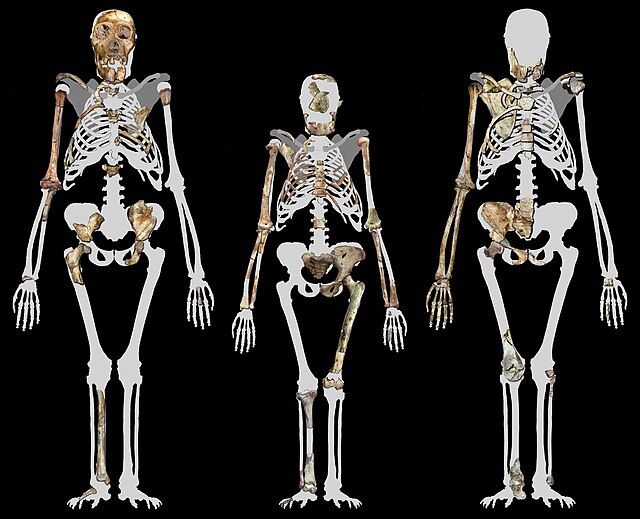
Lucy’s arms were long relative to her legs. This trait aligns more closely with tree dwelling primates than ground adapted humans. While capable of upright walking, her anatomy suggests climbing remained essential.
This duality complicates linear narratives. Retained arboreal features indicate selective pressures differed from those shaping later humans. Lucy’s body tells a story of balance between ground and tree, not a decisive break toward exclusively terrestrial life.
7. Fossil dating refinements alter evolutionary timelines.
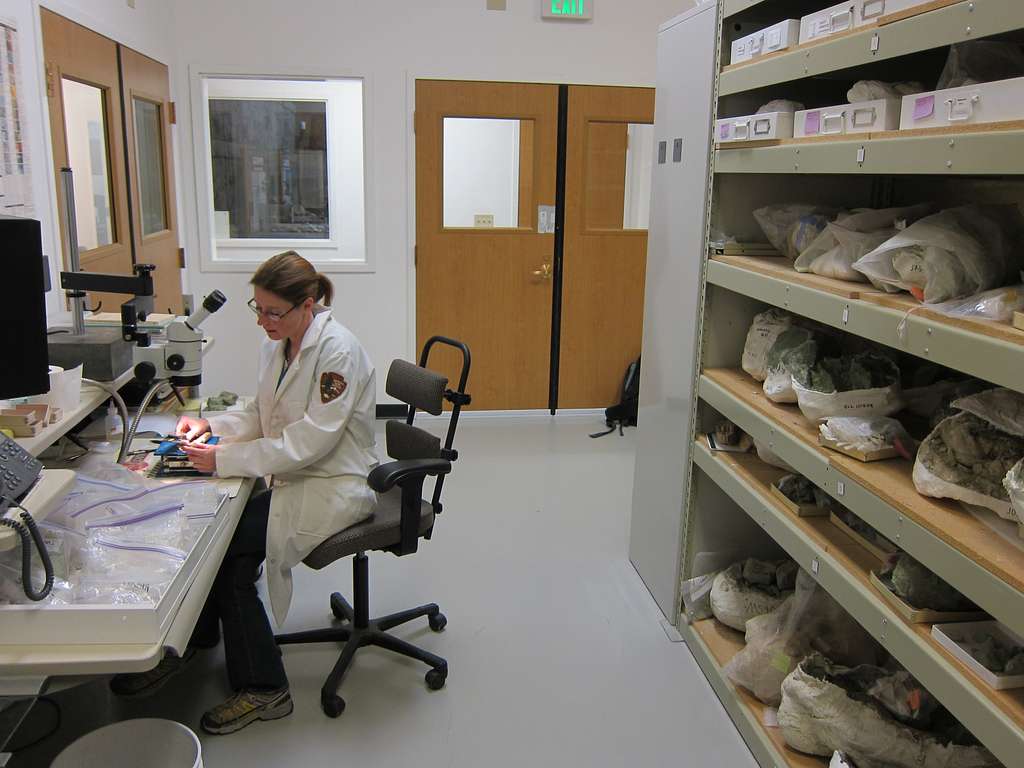
Improved radiometric dating has refined the ages of key fossils. Some species once thought younger now appear contemporaneous with Lucy. This reshuffling disrupts assumed ancestor descendant sequences.
As timelines compress, evolutionary relationships blur. Species once framed as successors may have coexisted. Lucy’s prominence partly stemmed from dating gaps now closing, revealing a denser and more complex hominin family tree unfolding simultaneously across regions.
8. Genetic expectations no longer match fossil simplicity.

While Lucy predates recoverable ancient DNA, genetic models based on living primates predict branching complexity. Fossil diversity increasingly mirrors those predictions rather than older simplified trees.
Evolutionary theory favors divergence, isolation, and occasional extinction. Lucy’s species fits that pattern. Instead of being a central trunk, she may represent one of many branches that flourished briefly before fading as environments and competition shifted.
9. Teaching models are slowly being rewritten.

Textbooks once placed Lucy neatly on a straight evolutionary line. Educators now face updating narratives to reflect uncertainty and diversity. Diagrams increasingly resemble tangled bushes rather than ladders.
This shift does not diminish Lucy’s importance. It reframes her as evidence of experimentation rather than inevitability. Students learn evolution as adaptive exploration, shaped by chance and environment, rather than a predetermined path toward modern humans.
10. Lucy remains vital even as her role changes.

Questioning Lucy’s ancestry does not erase her significance. She remains one of the most complete early hominin fossils ever found. Her discovery transformed paleoanthropology and public understanding alike.
What changes is interpretation. Lucy now represents a moment of evolutionary possibility rather than origin certainty. Her bones remind researchers that human evolution was complex, competitive, and far less orderly than once imagined, shaped by many paths rather than a single destined route.