
Separation can still register as a genuine threat.

Some dogs appear settled, confident, and well trained, yet panic quietly resurfaces the moment they are left alone. Owners often feel blindsided, especially after years of consistent routines and professional training. The issue is rarely disobedience. Alone time taps into ancient survival wiring tied to attachment, safety, and predictability. Training shapes behavior, but it does not always recalibrate emotional perception. For certain dogs, solitude still triggers uncertainty their brains interpret as real risk, regardless of how calm things look on the surface.
1. Early attachment patterns shape lifelong separation responses.
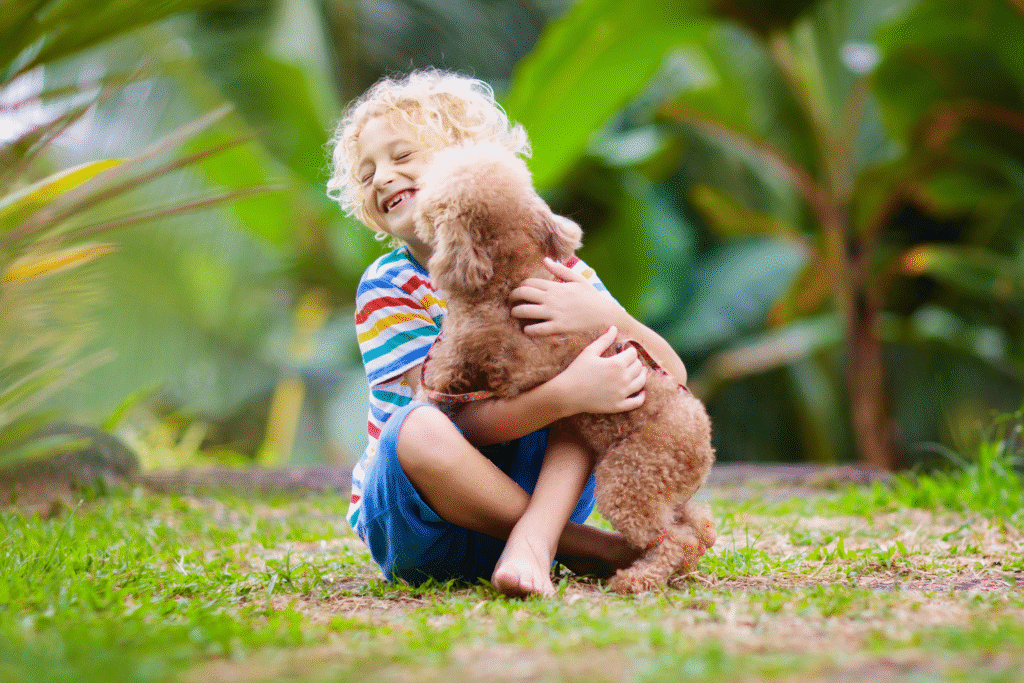
During puppyhood, dogs form attachment frameworks that influence how absence is interpreted later in life. Puppies who experience inconsistent care, early separation, or chaotic environments may develop heightened sensitivity to being alone. Even when adopted into stable homes, their nervous systems can remain alert to absence cues.
According to the American Veterinary Medical Association, early social experiences strongly influence emotional regulation in adulthood. Training can build coping behaviors, but attachment templates formed during critical developmental windows often persist. When alone, these dogs are not misbehaving, they are responding to perceived loss of safety rooted in early experience.
2. Genetics influence tolerance for solitude and stress.

Some dogs inherit nervous systems that react more intensely to isolation. Breeds developed for close human cooperation often show lower tolerance for separation. Their stress responses activate quickly and resolve slowly, even when environments are calm.
As reported by the AKC Canine Health Foundation, genetic variation affects fear processing and stress recovery in dogs. Training can improve outward behavior, but inherited sensitivity may still generate internal distress. These dogs may appear composed yet experience prolonged physiological stress that training alone cannot fully eliminate.
3. Training modifies behavior but not emotional perception.

Obedience training teaches dogs how to act, not how to feel. A dog can learn to remain quiet, stay in place, or avoid destructive behavior while still experiencing anxiety internally. Suppressed behavior often hides unresolved stress.
According to Psychology Today, emotional learning requires gradual exposure paired with emotional safety, not commands alone. Dogs may comply while anxious, meaning training success does not always reflect comfort. Without emotional recalibration, alone time can remain distressing even when behavior appears controlled.
4. Routine disruptions reactivate dormant stress circuits.

Dogs depend heavily on predictability. Changes in work schedules, household members, or daily rhythms can destabilize expectations built over years. Even subtle disruptions can reactivate anxiety pathways previously thought resolved.
When routines shift, the brain reevaluates safety assumptions. Alone time that once felt temporary may suddenly feel uncertain. The nervous system responds before conscious processing occurs, reviving stress despite unchanged training and familiar environments.
5. Anticipatory cues amplify separation distress.

Many dogs memorize pre departure cues with precision. Shoes, keys, or specific movements become predictors of isolation. Anxiety often begins long before the door closes.
This anticipatory stress compounds emotional strain. By the time the dog is alone, cortisol levels are already elevated. Training often focuses on post departure behavior, leaving anticipatory triggers unaddressed, allowing anxiety to escalate unchecked.
6. Enrichment cannot replace social reassurance.

Food puzzles and toys can occupy time, but they do not fulfill social bonding needs. Dogs are social mammals wired for proximity. Mental stimulation alone cannot substitute emotional connection.
A dog may engage briefly, then abandon enrichment to focus on absence. The unmet need is not activity, but reassurance. Without social presence, stimulation loses effectiveness, leaving anxiety unresolved.
7. Aging reduces emotional flexibility.
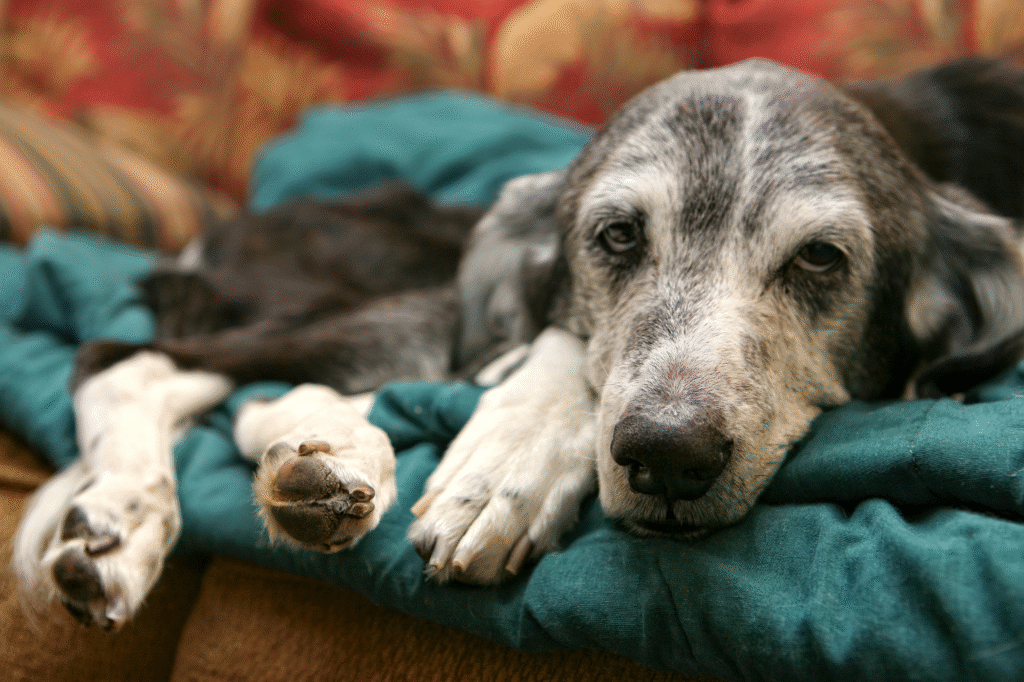
As dogs age, cognitive flexibility declines. Coping strategies learned earlier may weaken, and sensory changes can increase confusion when alone.
Older dogs may struggle with solitude after years of success. This shift reflects neurological change rather than training failure. Emotional resilience evolves with age, altering how absence is processed.
8. Past trauma can resurface under stress.
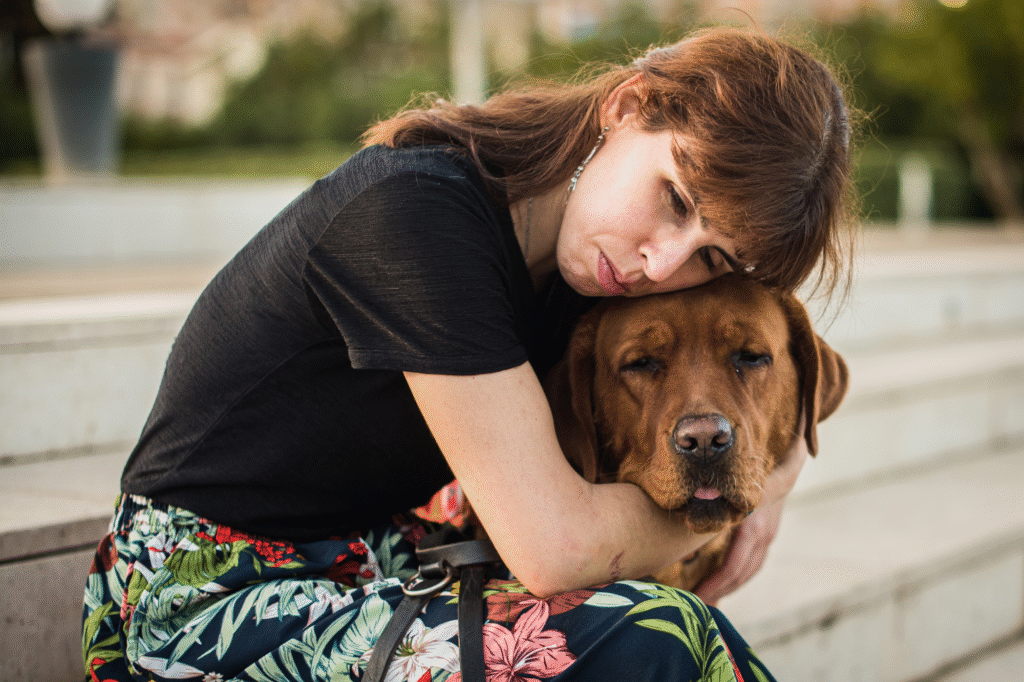
Dogs with histories of neglect, shelter stays, or abrupt rehoming may carry latent trauma. These memories can reactivate unexpectedly when conditions resemble earlier loss.
A single triggering event can reopen old associations. Training may have managed symptoms, but trauma memory operates independently, resurfacing when safety feels uncertain again.
9. Human emotional signals shape canine confidence.
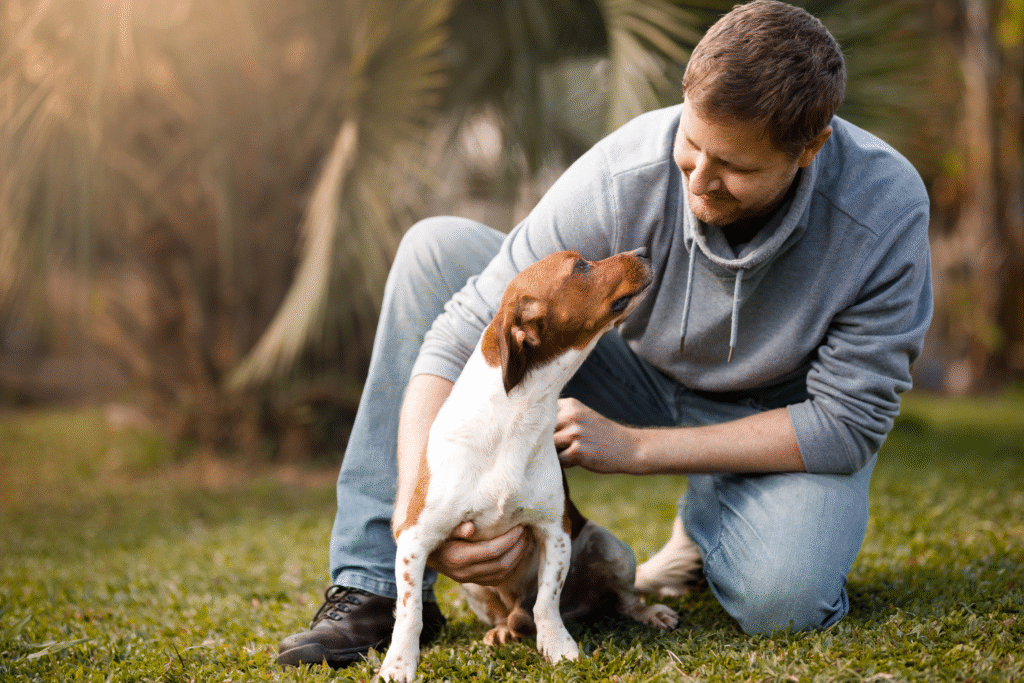
Dogs read human emotional states with exceptional accuracy. Subtle tension, guilt, or hesitation during departures can signal danger rather than reassurance.
Even well trained dogs respond to emotional cues. When owners project worry, dogs interpret absence as risky. Calm consistency communicates safety more effectively than verbal reassurance.
10. Some nervous systems never fully adapt to solitude.
Individual variation matters. Some dogs are simply not wired for extended isolation, regardless of training quality or environment.
For these dogs, management may be kinder than correction. Adjusting routines, providing companionship, or redefining expectations acknowledges biological limits. Training reduces harm, but it cannot always change fundamental emotional wiring.