
Why ordinary sights feel dangerous to horses.
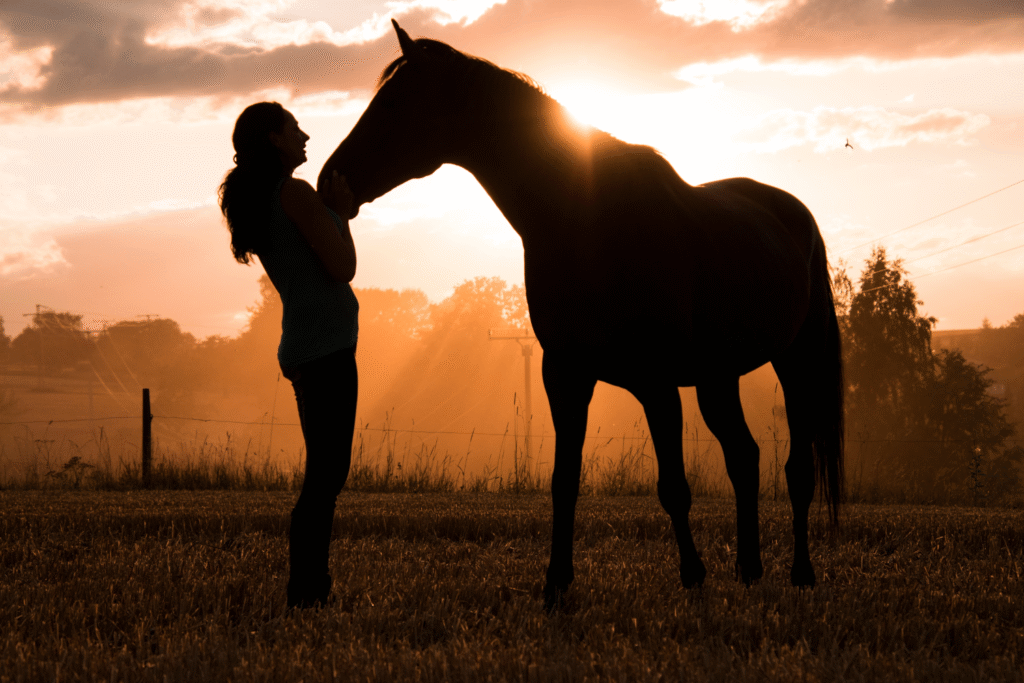
Shadow spooks frustrate riders yet they come from biology not stubbornness. Horses evolved as prey animals scanning environments for subtle danger cues. Modern barns trailers and arenas challenge senses shaped on open plains. Understanding what horses see process and remember reveals why doors shadows and simple obstacles can feel genuinely threatening in daily handling and training situations around the world.
1. Horses evolved to scan ground level for threats quickly.

Horses evolved to scan ground level for threats quickly. Sudden contrast changes trigger reflexive flight responses. Shadows can resemble holes or predators during motion especially when light angles shift rapidly in barns or arenas at unfamiliar times of day outside.
This sensitivity is strongest in peripheral vision zones which prioritize movement over detail for survival. As stated by the American Association of Equine Practitioners horses react before reasoning can catch up to evaluate harmless shadows fully in new environments daily.
2. Doors disrupt depth perception at close range.

Flat surfaces suddenly opening violate expected visual rules. Horses rely on monocular vision while approaching objects. Doors change size and contrast mid stride causing hesitation even in trained animals inside trailers stalls and wash racks during routine handling sessions today.
Visual processing lags slightly behind body movement so surprises feel larger than they appear. According to UC Davis School of Veterinary Medicine sudden environmental changes elevate startle thresholds until repeated calm exposure resets expectations through patient handling consistently.
3. Simple obstacles confuse how horses judge distance.
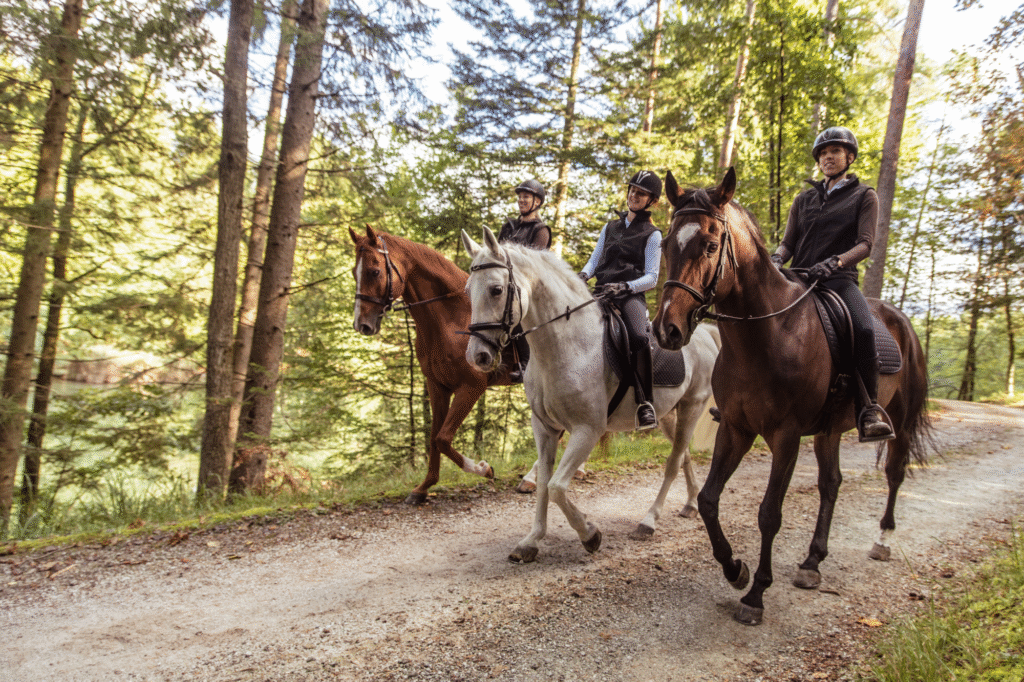
Poles tarps and cones lack clear depth cues. Horses estimate safety using texture and shadow patterns. When objects sit flat perception becomes unreliable leading to abrupt stops or sideways leaps on trails rings and roads during daylight changes or dusk.
Brain pathways prioritize avoidance over investigation because survival favored speed across open landscapes. As reported by the journal Applied Animal Behaviour Science uncertain footing reliably increases stress responses without gradual controlled exposure in familiar training settings over weeks and months.
4. Movement near feet feels dangerous to horses.
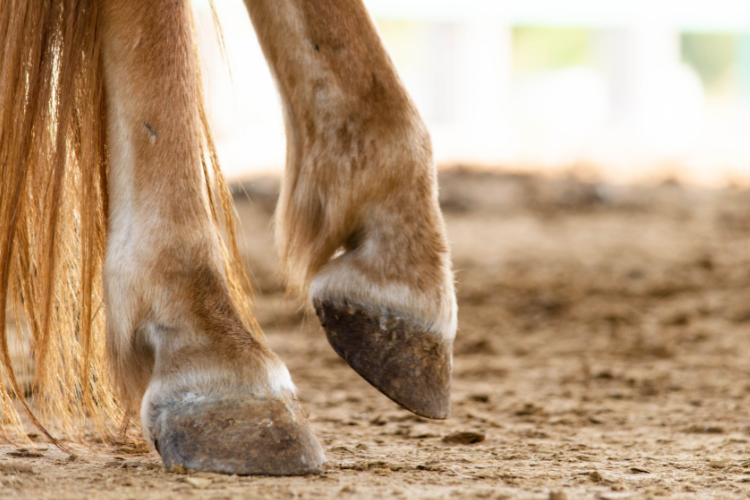
Objects moving low enter a blind visual zone. Horses drop heads to compensate while walking but sudden motion still startles them like hoses snakes or flapping jackets around barns driveways and fields during chores or turnout in mornings often unexpectedly.
Lower field threats historically meant predators attacking so instinct commands rapid elevation or escape. This reaction persists despite modern safe environments training focuses on desensitization and repetition to reframe harmless motion cues into neutral signals over consistent sessions with patience.
5. Contrast changes overwhelm equine visual processing speed.
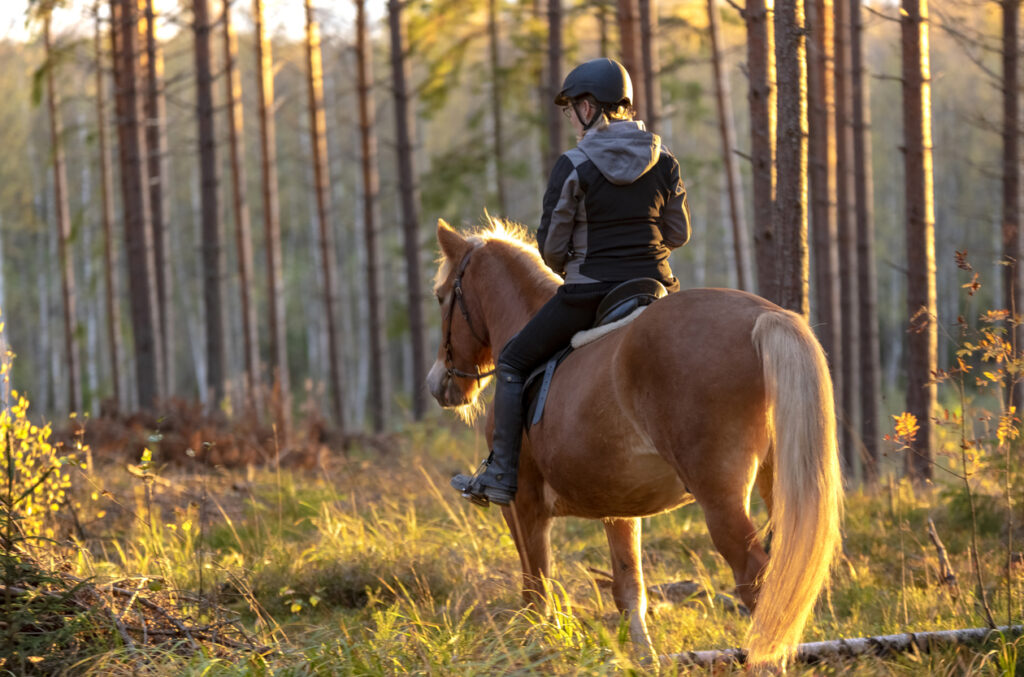
Bright sun to shade transitions strain sensory systems. Eyes adapt slower than the moving body. Doorways trailers and tree lines amplify this causing balking or sudden spins during midday rides or loading in variable weather common in spring and fall.
Unlike humans horses have limited binocular overlap which slows adjustment between lighting extremes. Handlers notice improved calmness with gradual transitions pauses and consistent approach angles that give brains time to adapt without triggering flight reflexes during daily routines and travel.
6. Past experiences shape future fear reactions strongly.
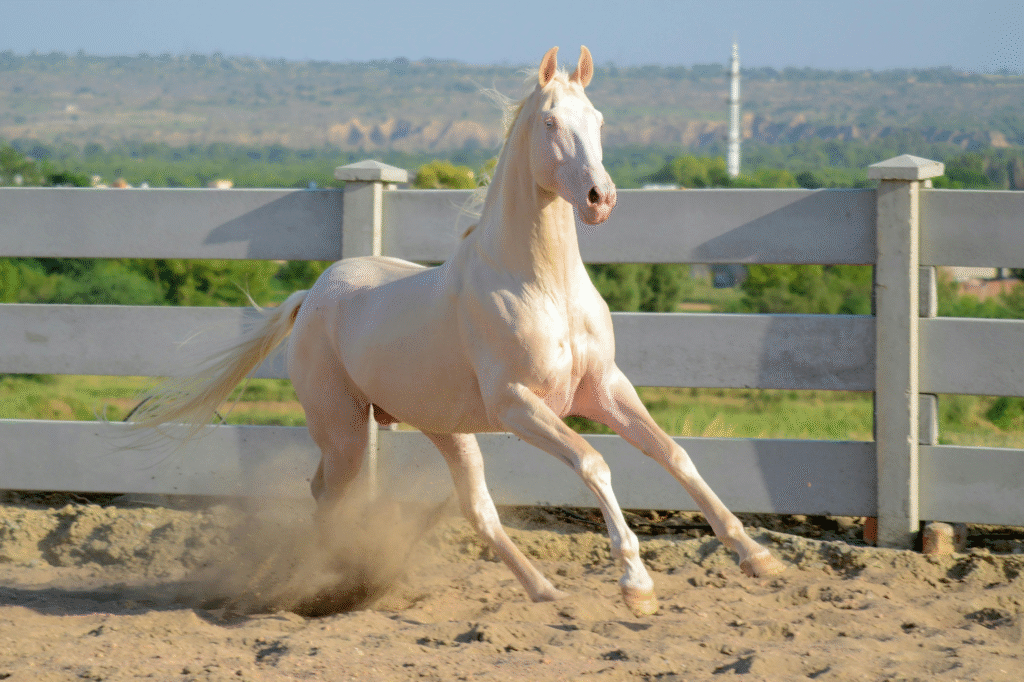
A single scare can imprint lasting avoidance. Horses remember locations textures and contexts vividly after falls slips or painful handling. Barn aisles bridges or gates become charged with memory driven caution long after danger passed for that animal in time.
Stress hormones strengthen recall during frightening moments so repetition without relief deepens resistance. Successful retraining pairs calm exposure with rewards allowing new memories to overwrite fear. Slow patient steps matter more than force across weeks of work in safe settings.
7. Soundless objects still trigger multisensory alarm responses in horses.

Even silent items create visual vibration cues. Plastic bags tarps and umbrellas shimmer unpredictably. Peripheral vision magnifies that movement signal leading to startle without audible warning along fences trails or arenas during windy afternoons common near open spaces outside towns.
Horses integrate sight touch and balance instantly so absence of sound does not equal safety. Training focuses on controlled introduction of such items paired with stillness and breathing cues until nervous systems settle through repetition and trust building slowly together.
8. Human tension travels directly down the reins.

Horses read body language faster than commands. A tightened seat shallow breathing or stiff hands signal danger before obstacles even appear. Approaching doors shadows or poles amplifies feedback between rider and horse during lessons or hacks at home or shows.
Once tension loops start reactions escalate quickly. Calm posture exhale timing and soft contact help break the cycle before fear peaks. Experienced trainers slow approaches deliberately giving horses confidence through predictable cues instead of pressure during skill building sessions daily.
9. Instinct often overrides training in novel settings.

Familiar horses may panic in new locations. Trailers shows clinics and unfamiliar arenas reset vigilance. Scents footing sounds and light all differ even with consistent handling routines. Arrival moments carry highest risk during travel days or facility changes for horses.
Brains treat novelty as potential survival threat until patterns prove harmless through exposure. Smart preparation includes walking lines hand grazing and pausing before asking for work. Time and patience restore training reliability in unfamiliar places with consistent calm support present.