
When adding another cat changes everything.

Adding a second cat often sounds comforting and generous. Many owners imagine companionship solving boredom or loneliness. Real life dynamics can be more complicated. Cats are territorial animals shaped by routine memory and control over space. Introducing another cat can quietly reshape stress levels health behaviors and household harmony in ways that only appear weeks or months later.
1. Cats do not automatically crave feline companionship.
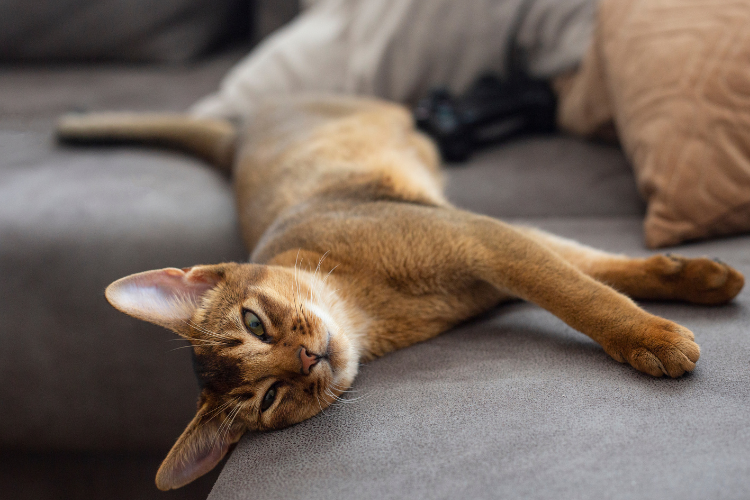
Many cats form strong bonds with humans rather than other cats. Solitary preferences develop early especially in cats raised alone. Adding another animal can feel like an invasion rather than a gift in apartments or small homes.
Chronic stress may show as hiding appetite changes or aggression. According to the ASPCA many adult cats tolerate others but do not seek social interaction and may never truly enjoy shared living spaces long term.
2. Territory disputes escalate even without visible fighting.
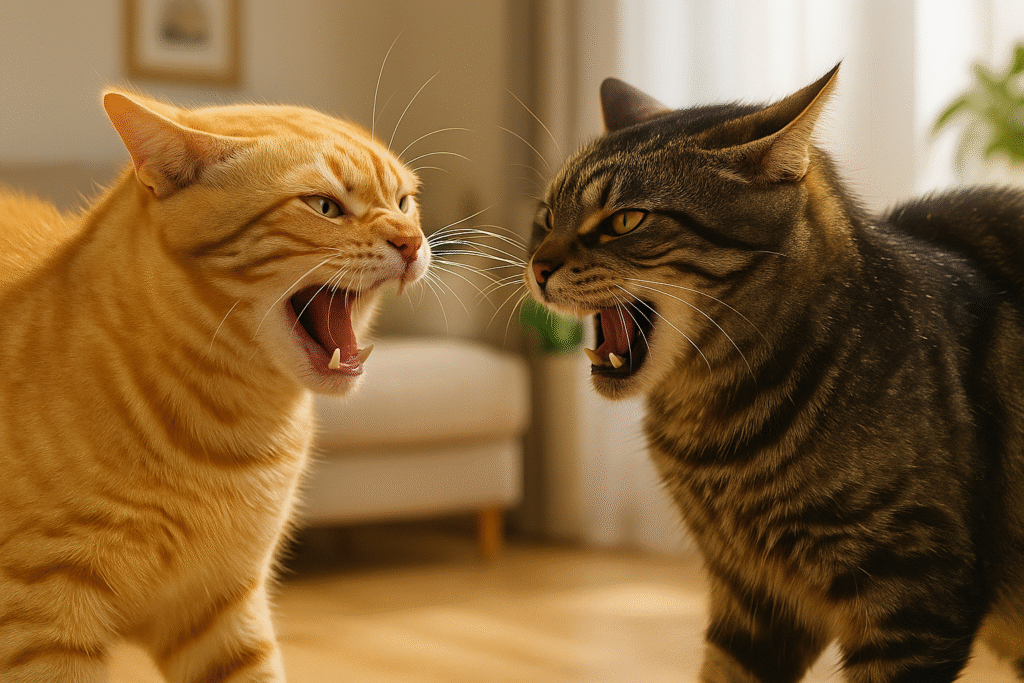
Cats communicate discomfort through subtle signals like blocking doorways or silent staring. Owners may miss these early signs until stress becomes constant around litter boxes feeding areas or sleeping spots.
Resource guarding increases anxiety for both cats. As stated by International Cat Care unresolved territorial tension often leads to inappropriate elimination and withdrawal behaviors that persist even after months of attempted adjustment.
3. Medical costs often rise after adding another cat.

New cats introduce parasites viruses and stress related illnesses. Even vaccinated animals can trigger flare ups in existing conditions like urinary disease or gastrointestinal sensitivity.
Vet visits double quickly when stress suppresses immunity. According to the Cornell Feline Health Center multi cat households show higher rates of stress induced medical issues especially during the first year after introduction.
4. Litter box tension quietly reshapes daily behavior.

Sharing litter boxes sounds simple but cats prefer control and predictability. Even with multiple boxes one cat may ambush another or guard access points causing avoidance.
The stressed cat may eliminate elsewhere to feel safe. This pattern often appears weeks later making the cause hard to identify. Owners misinterpret it as training failure rather than stress driven adaptation within shared spaces.
5. Feeding routines become pressure points for dominance.

Mealtime exposes hierarchy quickly. Faster or bolder cats may crowd bowls while quieter cats eat less or only at odd hours. Free feeding can worsen silent competition.
Weight loss or gain follows uneven access. Even separate rooms may not solve tension if cats associate food times with threat. Long term nutritional imbalance can develop without obvious confrontation between animals.
6. Sleep disruption affects both cats and humans.

Cats guard preferred sleeping zones. Introducing another cat changes nighttime movement patterns and resting locations. One cat may roam restlessly to avoid the other.
Increased pacing vocalizing or nighttime activity follows. Owners notice interrupted sleep but miss the root cause. Chronic sleep disruption worsens feline stress and human patience leading to strained relationships all around.
7. Play styles rarely match as imagined.
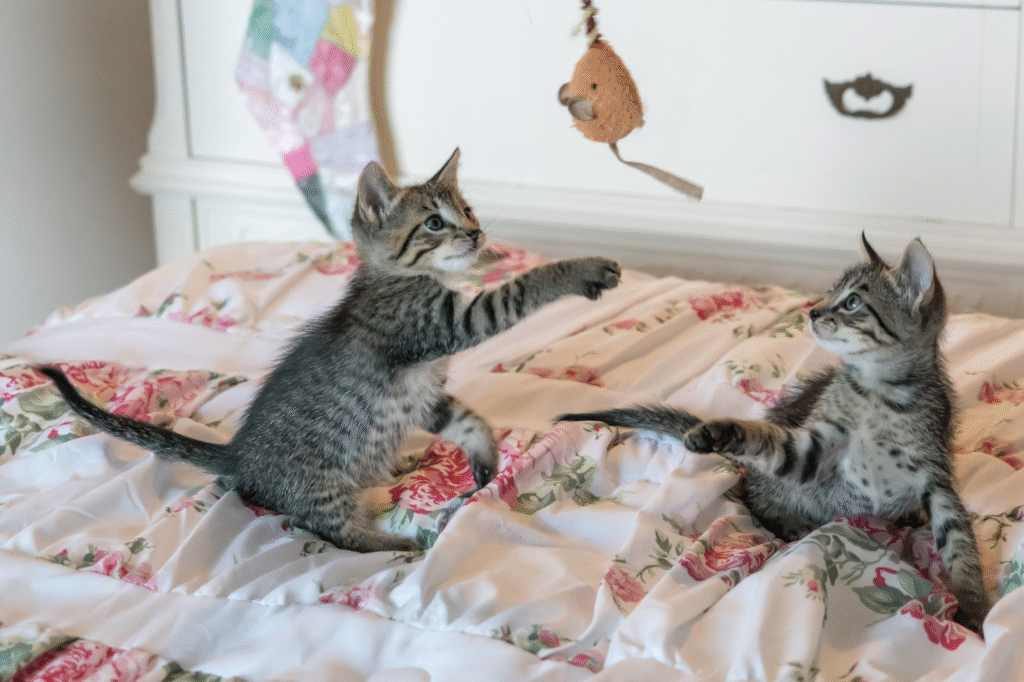
Kittens play roughly while adult cats prefer controlled interaction. Mismatched energy leads to chasing that feels predatory rather than playful to one participant.
The targeted cat avoids shared spaces entirely. Over time confidence erodes. Owners often mislabel this as normal adjustment when it actually signals incompatible social needs between individuals living together daily.
8. Scent mixing creates long lasting confusion.
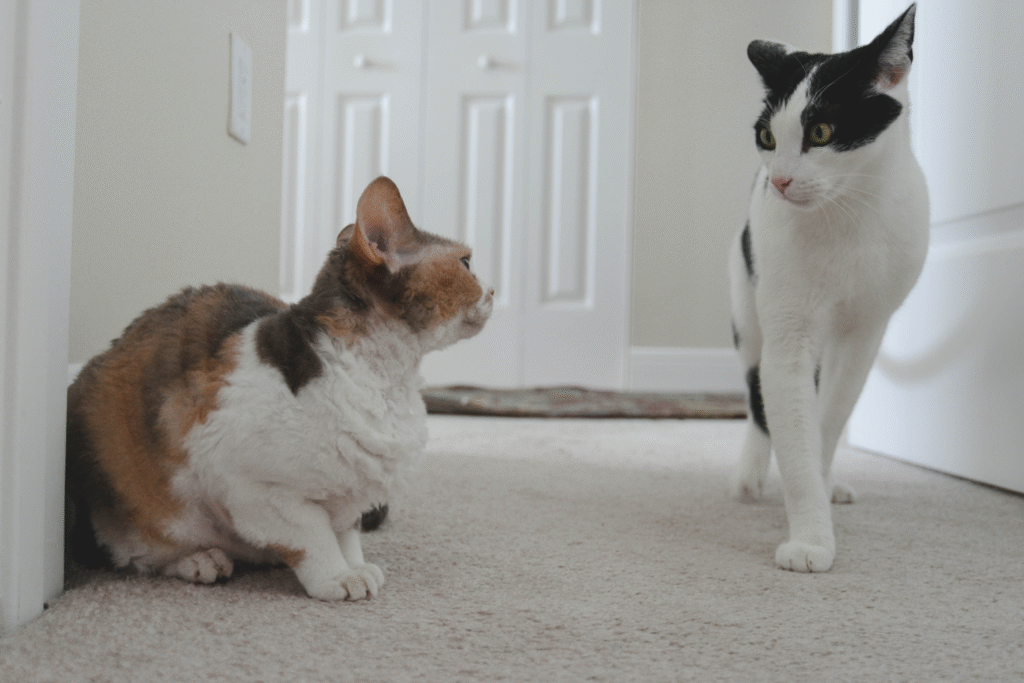
Cats rely heavily on scent to feel secure. Introducing unfamiliar smells disrupts mental maps of safety. Shared furniture bedding and hallways become contested sensory zones.
Repeated scent swapping without positive association can backfire. Instead of blending identities it reinforces vigilance. Some cats never relax fully once scent boundaries collapse within their established territory.
9. Human attention becomes a limited resource.

Cats notice shifts in routine instantly. Divided attention alters trust especially for cats bonded strongly to one person. Jealousy shows subtly through withdrawal or increased clinginess.
The cat who felt secure may now feel displaced. This emotional change impacts confidence and behavior long term. Repairing that bond requires deliberate one on one time that many households underestimate.
10. Some cats simply thrive alone long term.
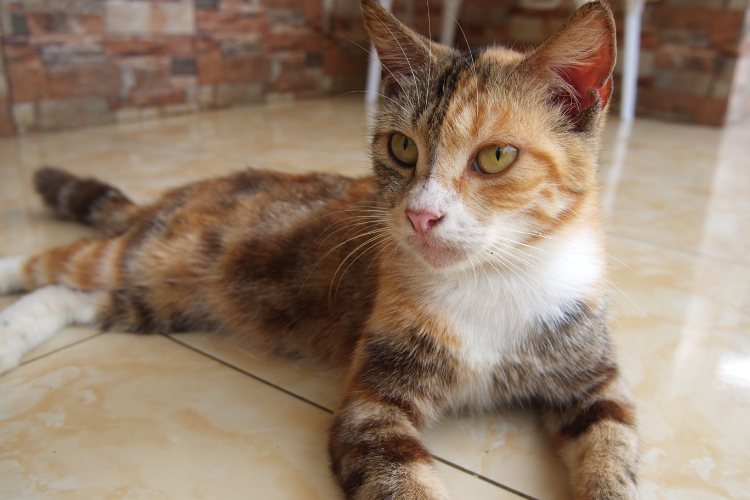
Not all cats benefit from social living. Older cats anxious cats or medically sensitive cats often do best as solo companions. Peace and predictability outweigh companionship benefits.
Adding another cat can reduce quality of life despite good intentions. Recognizing individual needs protects welfare. Sometimes the kindest choice is preserving the stable environment a cat already trusts and understands.