
What looks normal often hides constant discomfort.

Dogs have an uncanny ability to appear fine even when something is wrong. They eat, wag, follow routines, and keep pace with daily life while quietly adjusting everything underneath. That silence is not strength. It is survival layered with loyalty. Pain specialists see it repeatedly in clinics, shelters, and long term studies. By the time pain becomes obvious, it has often reshaped posture, behavior, and emotional state for months or years. Understanding why dogs hide discomfort explains why so much suffering goes unnoticed.
1. Survival instincts still reward masking weakness.
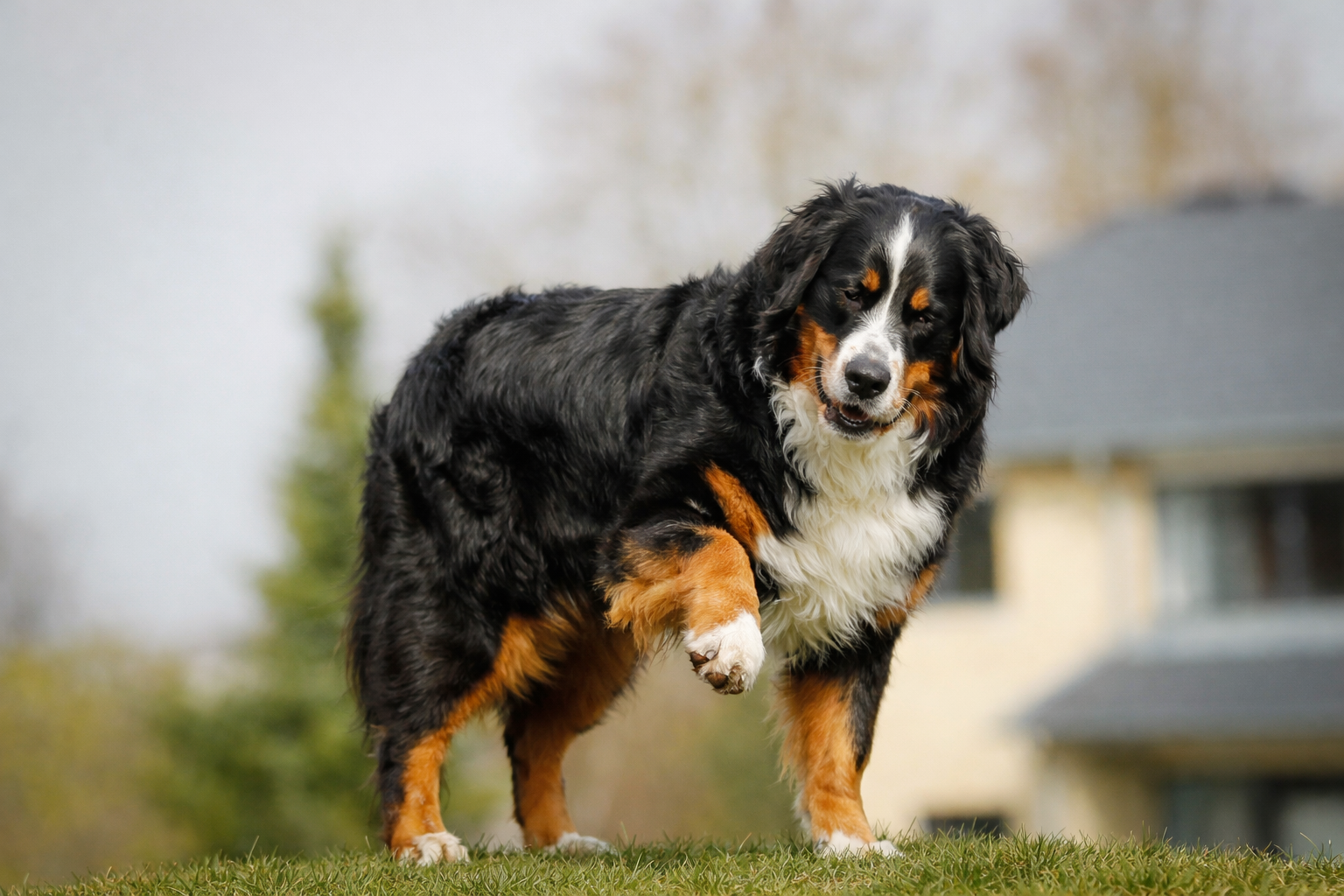
Pain expression once carried real risk. In the wild, visible weakness invited predation or exclusion. That evolutionary pressure never disappeared, even though couches replaced caves. Dogs still carry the instinct to conceal vulnerability because their nervous systems reward survival behavior, not honesty.
Pain specialists observe that many dogs suppress limping, vocalization, or avoidance until pain becomes unbearable. According to the American College of Veterinary Surgeons, this instinctive masking delays diagnosis of orthopedic and internal conditions. The absence of dramatic signs often leads owners to assume comfort. In reality, silence frequently signals a dog working hard to protect itself from perceived danger, even in safe homes.
2. Chronic pain changes behavior slowly over time.

Sudden injuries provoke obvious reactions. Chronic pain behaves differently. It seeps into daily life gradually, altering movement, sleep patterns, and mood in increments so small they feel invisible.
Over time, dogs normalize discomfort internally. They stop signaling because pain becomes baseline. Subtle changes get attributed to age or personality. As reported by the Journal of Veterinary Internal Medicine, dogs with long standing pain often show behavioral shifts long before physical signs appear. By the time limping, stiffness, or vocalization emerges, tissue damage is frequently advanced. Silence becomes habit rather than choice.
3. Dogs adjust posture instead of showing pain.
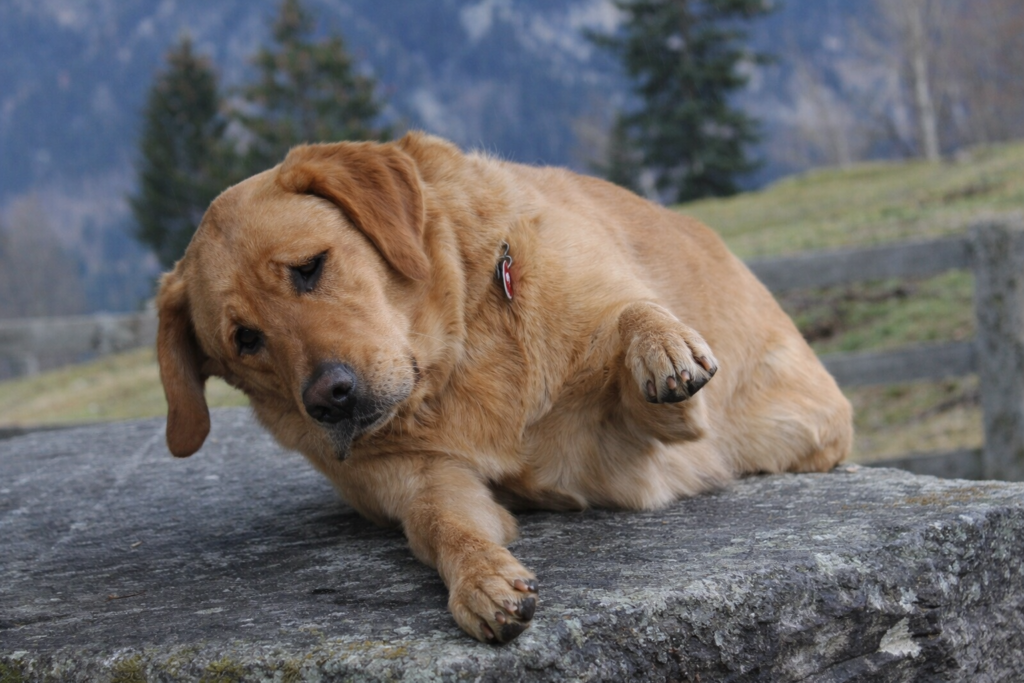
When discomfort appears, many dogs instinctively redistribute weight or change how they move. They shorten strides, favor certain limbs, or shift stance while remaining outwardly functional.
These compensations reduce pain temporarily but create secondary strain. According to the University of California Davis School of Veterinary Medicine, altered biomechanics can hide joint and spinal pain for years while overloading other areas. To an untrained eye, movement looks normal. Underneath, muscles fatigue and joints deteriorate. Dogs choose adaptation over expression, preserving mobility at the cost of long term comfort.
4. Facial expressions are subtle and easy to miss.

Dogs do not grimace the way humans expect. Pain appears as fleeting tension around the eyes, ears, and mouth. These micro expressions are quiet and inconsistent.
Without specific training, most caregivers never register them. A tightened brow or pinned ears reads as mood rather than distress. Pain specialists use facial coding systems developed through research because untrained observation misses these signals. When expression is subtle, silence persists. Pain remains present but undocumented, especially in calm or stoic dogs whose faces rarely change dramatically.
5. Routine hides discomfort remarkably well.
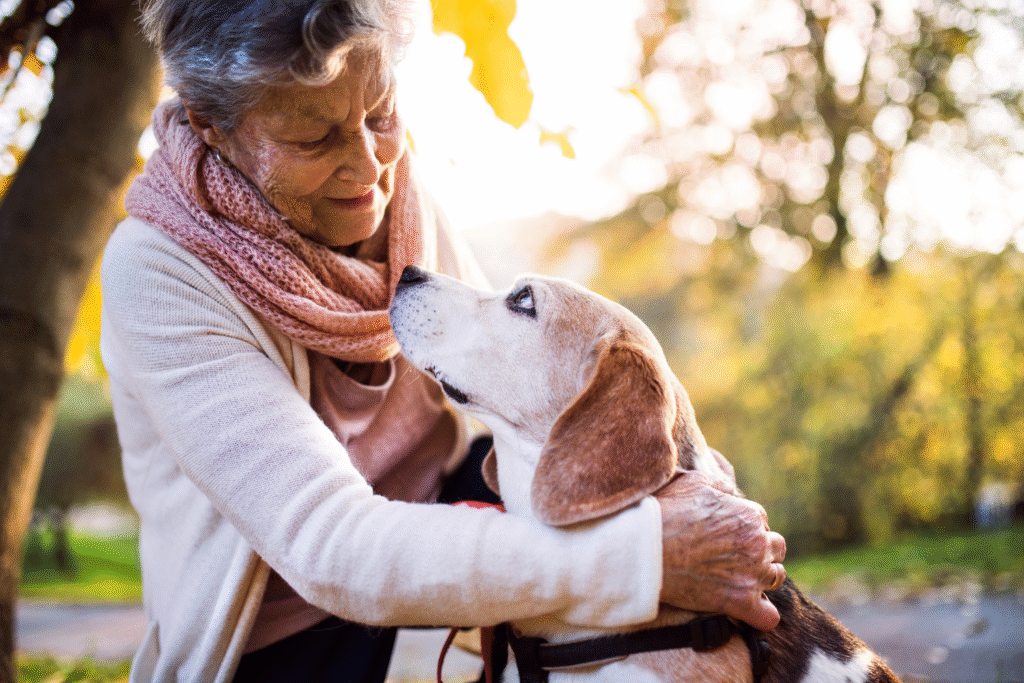
Daily structure creates powerful illusions. Dogs continue walking, eating, and greeting people because routine feels safe and predictable. Pain does not erase learned behavior.
This consistency reassures owners. Meals eaten and walks completed appear to confirm wellness. In truth, many dogs push through pain to preserve routine. Specialists note that dogs often show worse symptoms only when routines break. Structure becomes camouflage. The very behaviors that suggest normalcy allow discomfort to remain invisible for extended periods.
6. Behavioral changes get misinterpreted as attitude.

Pain often alters temperament before it alters movement. Irritability, withdrawal, or reduced tolerance emerge quietly. These changes are frequently labeled stubbornness, anxiety, or aging.
Discomfort reduces patience and emotional regulation. When a dog avoids touch or snaps unexpectedly, pain is often the cause. If behavior is corrected rather than investigated, suffering deepens. Specialists repeatedly report dogs referred for aggression or anxiety who later show significant pain relief once treated. Emotional shifts are signals, not personality flaws.
7. Dogs mirror human expectations unconsciously.

Dogs are remarkably sensitive to human cues. They read posture, tone, and routine expectations constantly. When owners expect normal behavior, many dogs comply despite discomfort.
This mirroring suppresses expression. A dog learns that slowing down disrupts routines or concerns caregivers. Endurance feels safer than honesty. Pain specialists often see improvement once expectations change and rest becomes acceptable. The environment teaches dogs whether pain can be acknowledged. When expectations remain rigid, silence feels like the only option.
8. Aging myths normalize unnecessary suffering.

Stiffness, slowness, and hesitation often get dismissed as inevitable aging. This belief quietly excuses pain that could be managed or relieved.
Specialists emphasize that aging increases risk but does not require suffering. Many age related conditions respond well to medication, physical therapy, or lifestyle changes. When discomfort is framed as normal decline, intervention stops before it begins. Dogs adjust by enduring rather than healing. Silence becomes a side effect of low expectations rather than biological necessity.
9. Fear of veterinary visits suppresses signals.
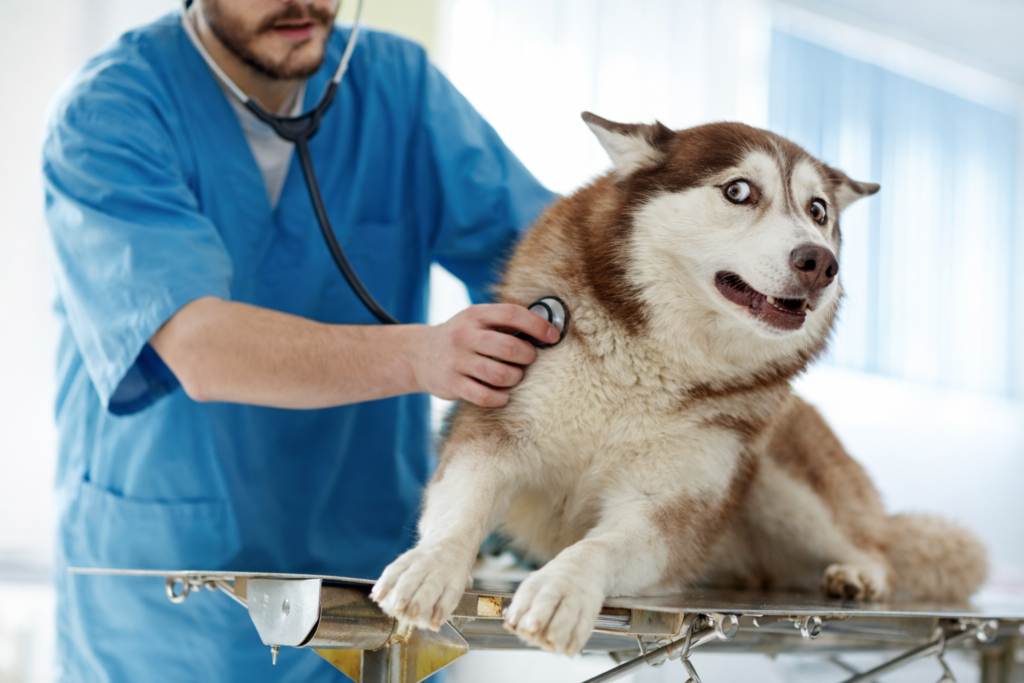
Clinical settings can trigger anxiety. Past discomfort, unfamiliar smells, and restraint elevate adrenaline levels that temporarily mask pain.
Dogs may appear normal during exams, only to struggle at home. This mismatch confuses diagnosis. Specialists often rely on caregiver reports to bridge the gap. When clinic behavior looks fine, pain gets underestimated. Anxiety hides symptoms effectively, allowing discomfort to persist outside clinical observation.
10. Soft tissue pain lacks visible markers.

Muscle, ligament, and nerve pain rarely produce swelling or obvious injury. Imaging may appear unremarkable even when pain is significant.
Without visible proof, discomfort gets discounted. Soft tissue injuries often require detailed exams and history rather than simple scans. Pain specialists see many dogs whose suffering was dismissed because tests looked normal. Invisible pain thrives in silence because confirmation requires patience rather than pictures.
11. Owners rely too heavily on vocalization.

Whining or yelping feels definitive. Its absence feels reassuring. Many owners wait for sound before considering pain.
Most dogs vocalize only when pain is sudden or extreme. Chronic discomfort rarely triggers noise. Specialists emphasize that silence is not comfort. Waiting for vocal cues delays treatment. By the time sound appears, damage is often advanced. Quiet endurance becomes mistaken for wellness.
12. Love encourages endurance rather than honesty.

Dogs are deeply relational. They tolerate discomfort to stay close, participate, and please. That motivation suppresses expression.
Pain specialists often witness dramatic improvement once treatment begins. Relief reveals how long pain had been present. Silence was never absence. It was loyalty layered over survival instincts. Dogs endure because connection matters more than comfort. Their quiet suffering reflects devotion, not resilience.