
The rocks tell a slower story than expected.

For decades, Mars was described as a planet that lost its water abruptly. Rivers carved channels, lakes briefly filled basins, and then the climate collapsed. That narrative assumed speed. Evidence emerging from Wildcat Ridge forces a reassessment. Clay rich layers preserved there indicate chemical interactions that unfold slowly, under stable conditions. These minerals suggest Mars did not simply flash from wet to dry. Instead, water lingered, interacted, and reshaped surface environments for far longer than earlier models allowed.
1. Clay minerals require prolonged water rock interaction.

Clay formation is not a rapid process. On Earth, clay minerals develop when water repeatedly alters rock through chemical weathering over extended time periods. The presence of clays at Wildcat Ridge immediately challenges models that rely on brief flooding or short lived wet phases.
The specific clay types identified indicate sustained contact between liquid water and surface materials. According to NASA, these minerals form only when water remains present long enough to chemically reorganize rock structures at a molecular level. This means Mars did not experience only episodic wet events. Instead, water persisted in place, interacting steadily with the landscape rather than arriving and disappearing quickly.
2. Layered deposits record repeated stable wet conditions.
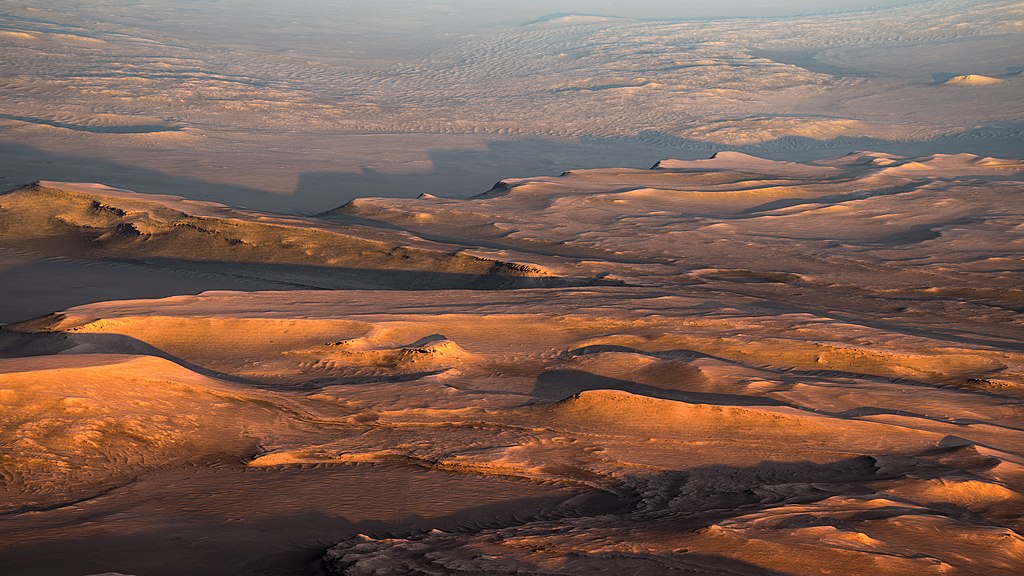
Wildcat Ridge is composed of stacked sedimentary layers rather than a single chaotic deposit. Each layer captures a different environmental moment, preserved like pages in a geological record. That structure matters.
The presence of multiple clay bearing layers indicates water was present during several distinct intervals. As reported by Science Magazine, this stratification suggests recurring or sustained wet conditions rather than a single brief episode. Water either returned repeatedly or remained stable long enough for new layers to accumulate. The ridge documents continuity, not catastrophe, pointing toward a planet that resisted drying for extended spans of time.
3. Clay chemistry reflects mild and persistent water.
Not all water produces clay. Highly acidic or unstable water environments limit clay formation. The chemical signatures within Wildcat Ridge clays indicate relatively neutral water chemistry that remained consistent over time.

That detail carries major implications. As stated by the Planetary Science Journal, the mineral composition reflects water conditions that were neither fleeting nor extreme. Mild chemistry supports longer persistence and slower evaporation. This kind of water environment aligns with stable surface or near surface systems rather than short lived floods. It suggests Mars maintained conditions that allowed water to exist calmly instead of violently or briefly.
4. The ridge location implies regional water stability.

Wildcat Ridge sits within a broader erosional landscape rather than a protected basin. Its exposure matters. Clays found here were not isolated from planetary conditions.
For clay to form and persist in such an exposed setting, water must have been regionally stable rather than confined to rare shelters. The ridge implies that wet conditions extended beyond localized pockets. This expands the scale of wet Mars scenarios, suggesting water shaped large regions instead of surviving only in hidden refuges during brief climatic windows.
5. Clay preservation challenges rapid atmospheric loss models.
If Mars atmosphere had collapsed quickly, surface water would have followed. Clay minerals complicate that timeline. Their formation and preservation require atmospheric pressure sufficient to prevent rapid evaporation.
Wildcat Ridge clays imply Mars retained a protective atmosphere longer than some models predict. Water had time to interact chemically with rock rather than vanishing immediately. This points toward a slower atmospheric thinning process. Instead of sudden collapse, Mars appears to have transitioned gradually, allowing water to persist and shape the surface for extended geological periods.
6. Sediment structure favors slow deposition over flooding.
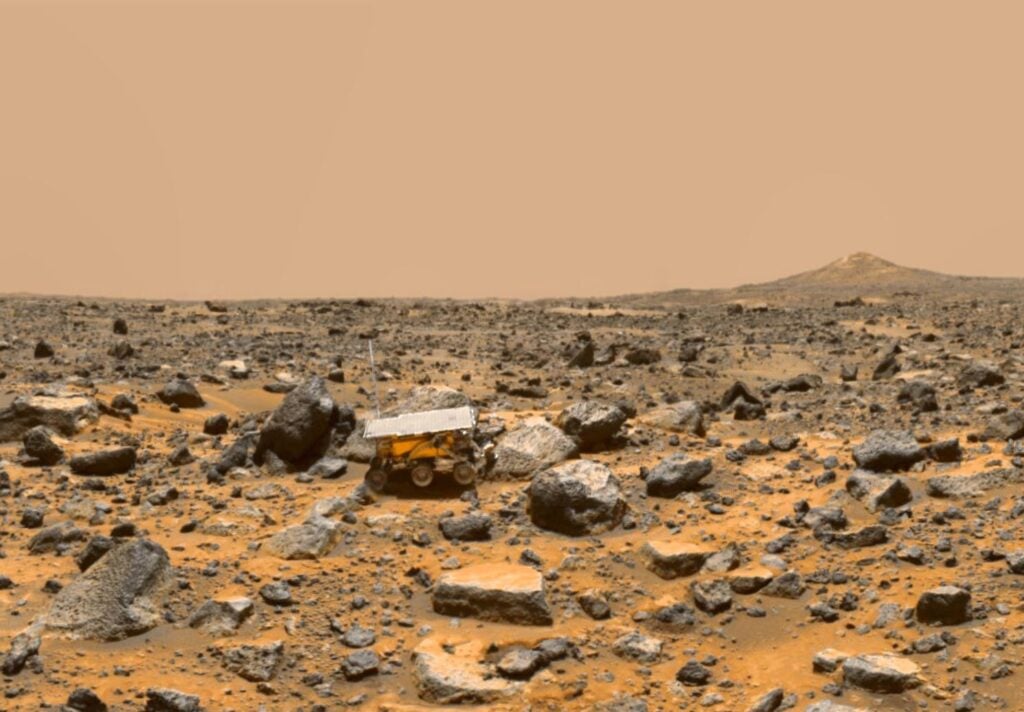
Violent floods leave chaotic, mixed deposits. Wildcat Ridge shows fine layering and orderly sediment accumulation. That structure suggests patience rather than catastrophe.
Slow sediment buildup allows clays to form and stabilize. It implies environments like shallow lakes, floodplains, or groundwater seepage rather than destructive flows. These conditions require time. The ridge reflects sustained environmental calm, reinforcing the idea that water remained present long enough to quietly reshape the surface rather than rushing through briefly.
7. Mineral diversity signals evolving water environments.
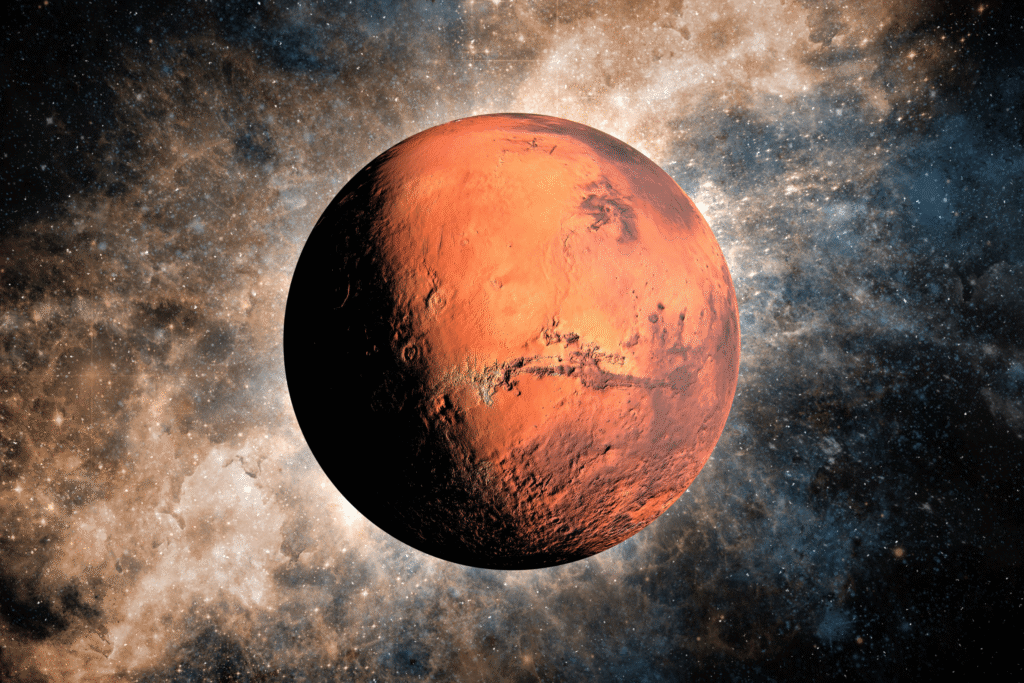
The clay assemblage at Wildcat Ridge includes multiple mineral types. Each forms under slightly different conditions. That diversity matters.
Rather than indicating a single static environment, the minerals suggest gradual changes in water chemistry, temperature, or availability. Mars did not flip instantly from wet to dry. Conditions evolved. Water adapted. The ridge records transitions spread across time, supporting a prolonged wet era that slowly shifted rather than collapsed abruptly.
8. Erosion resistance implies long burial and protection.

Mars surface is constantly eroded by wind driven dust and sand. Clay layers are relatively fragile. Their survival indicates they were buried and protected for long periods.
Burial requires continued sedimentation and environmental stability. Wildcat Ridge clays formed, were covered, preserved, and later re exposed. Each step requires time. This sequence reinforces the idea that Mars maintained active surface processes involving water long after initial formation, rather than shutting down quickly.
9. Earth analogs favor long lived water systems.

On Earth, extensive clay rich formations usually correspond to long lived lakes, groundwater systems, or floodplains. They rarely result from brief events.
When planetary scientists compare Wildcat Ridge to terrestrial analogs, the similarities favor slow, persistent environments. The Martian ridge behaves more like patient Earth systems than disaster driven deposits. This comparison strengthens arguments that Mars hosted water over durations measured in millions of years rather than thousands.
10. The findings expand the window for habitable Mars.

Habitability depends on stability as much as abundance. Short bursts of water are less favorable than environments that endure. Wildcat Ridge suggests Mars offered that endurance.
If water persisted longer, chemical cycles had time to develop. Energy gradients stabilized. The window for potentially habitable conditions widened. Instead of a planet that failed quickly, Mars begins to look like one that resisted drying, holding onto water far longer than expected. The ridge quietly reframes the timeline of a once living world.