
For some animals, freedom is not in the cards

Releasing animals into the wild is often seen as a humane or compassionate act, but experts say it can lead to serious ecological consequences. Many species that enter new environments either lack the ability to survive or become highly disruptive to native ecosystems. These outcomes can include competition with local wildlife, spread of disease, habitat damage, and long term population imbalance. In some cases, the effects take years to become visible, making them difficult to trace and even harder to reverse. Understanding which animals pose the greatest risks helps explain why wildlife professionals strongly discourage certain types of releases.
1. Burmese pythons should never be released outdoors.

Burmese pythons released in south Florida upset food webs fast. Adults exceed eighteen feet, consume deer, birds, and alligators, and reproduce quickly in warm wetlands. Their spread across Everglades marshes correlates with collapsing mammal sightings and altered predator balance, according to the United States Geological Survey field reports statewide monitoring.
Once established, removal becomes nearly impossible without harming native species. Cold snaps only slow them briefly, while human attempts to relocate individuals risk spreading eggs and diseases. Experts urge permanent captivity or humane control, because release turns a single pet mistake into decades of ecological repair across sensitive regional habitats.
2. Red eared sliders overwhelm native freshwater turtles.
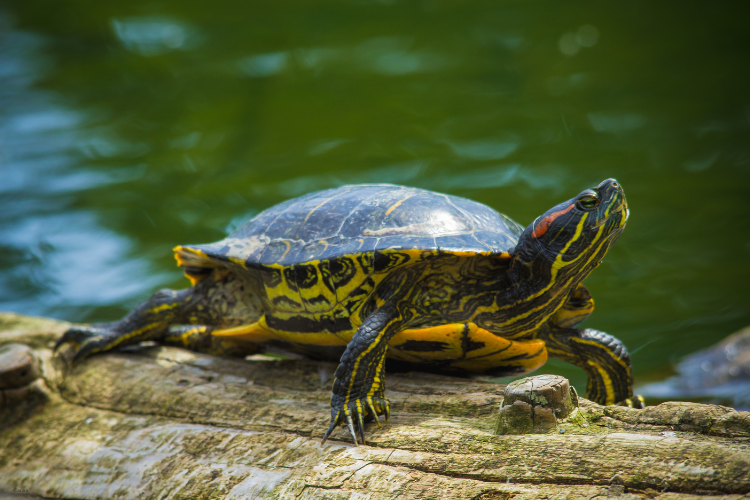
Red eared sliders dumped into ponds outcompete native turtles for basking sites and food. They carry pathogens that local species lack defenses against, and thrive in urban waters nationwide. Their invasive status is documented globally, as stated by the IUCN Invasive Species Specialist Group across multiple continents and freshwater systems.
Releasing a pet turtle feels gentle, yet it quietly reshapes entire pond communities. Native turtles grow slower, breed less, and disappear from familiar parks. Wildlife agencies now discourage releases and promote surrender programs, because preventing establishment costs far less than restoring ecosystems once dominance sets in across public recreational waters.
3. Goldfish turn lakes into degraded murky systems.
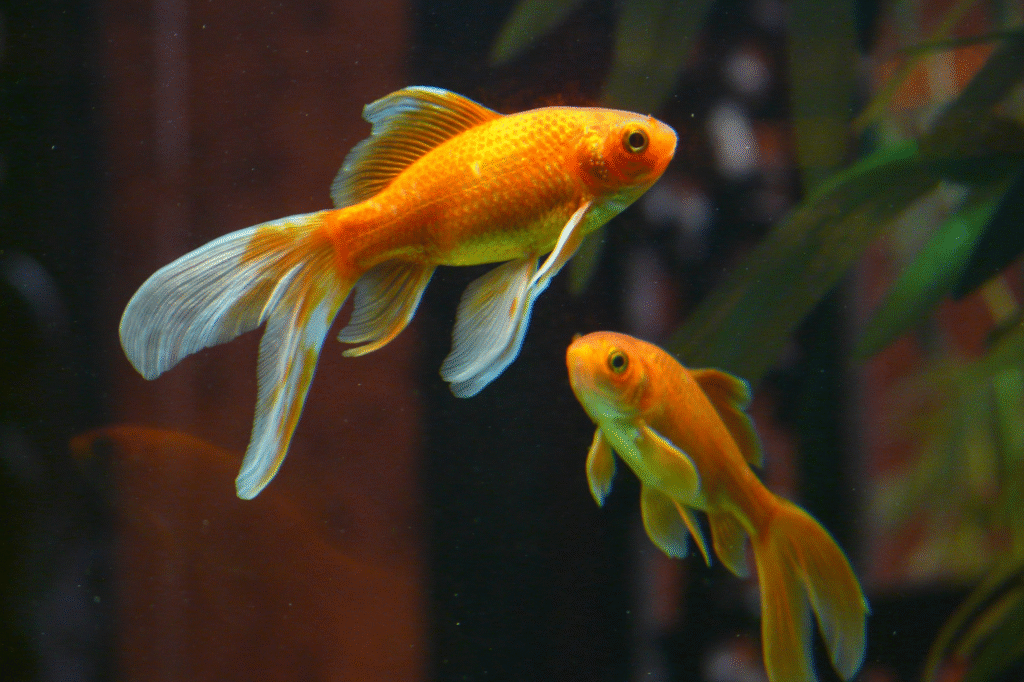
Common goldfish released into lakes grow large, muddy waters, and uproot plants while foraging. They tolerate cold, low oxygen, and pollution, allowing populations to explode. Ecological damage from feral goldfish has been widely reported by the United States Fish and Wildlife Service across many states during recent monitoring efforts annually.
People imagine goldfish as harmless, but wild individuals live decades and reshape habitats. Once breeding begins, removal requires draining water bodies or poisoning entire systems. Agencies recommend never releasing aquarium fish, urging rehoming or humane euthanasia to protect native fish, insects, and water quality in vulnerable lakes rivers reservoirs nationwide.
4. Lionfish releases unravel reef communities with speed.

Lionfish introduced along Atlantic and Caribbean reefs devour juvenile fish relentlessly. Native species fail to recognize them as predators, giving lionfish unchecked advantage. In places like Florida and the Bahamas, reefs show steep declines in young fish, weakening coral resilience and reducing fisheries that communities depend on for food security.
Removal efforts require divers with spears and constant pressure, because reproduction is year round. Releasing even one aquarium specimen can seed an invasion stretching hundreds of miles. Experts urge containment, consumption, and trade restrictions, stressing that the ocean offers no reset button once a predator multiplies unchecked beyond human control.
5. Cane toads poison predators across invaded landscapes.

Cane toads released in tropical regions poison predators unfamiliar with their toxins. Dogs, snakes, crocodiles, and native marsupials die after contact, collapsing local food webs. In Australia and Pacific islands, their spread shows how a single release can ripple outward, killing wildlife that never evolved defenses against potent chemical secretions.
Once established, eradication proves nearly impossible across open landscapes. Toads breed explosively in roadside ditches and ponds, hitching rides along highways. Conservationists warn against well meaning releases, emphasizing that captivity or humane disposal prevents irreversible harm to ecosystems already stressed by climate and development across vulnerable tropical watersheds worldwide today.
6. Green iguanas undermine coasts and neighborhoods alike.

Green iguanas abandoned in warm states burrow into seawalls and levees, undermining infrastructure. They strip vegetation, spread seeds of invasive plants, and thrive near canals. South Florida communities now spend millions repairing damage linked to established populations that began as unwanted pets released casually decades earlier by residents locally often.
Cold snaps kill some iguanas, yet survivors rebound quickly with high reproduction. Relocation worsens spread, moving animals into new drainages. Wildlife managers urge surrender programs and bans on release, noting that keeping them contained protects both habitats and homeowners from long term costs tied to erosion flooding repairs and maintenance.
7. Nutria collapse wetlands faster than restoration recovers.

Nutria released or escaped from fur farms destroy wetlands by eating roots that hold soil together. Marshes collapse into open water, removing habitat for birds and fish. Along the Gulf Coast and Chesapeake Bay, their grazing accelerates erosion already worsened by rising seas and stronger storm surge impacts regionally now.
Control programs involve trapping and hunting, yet recovery remains slow. Releasing nutria elsewhere would repeat losses seen before. Ecologists stress prevention above all, because wetlands protect communities from floods and storms. Introducing a destructive grazer undermines natural defenses people rely on for safety, fisheries, tourism, water quality, carbon storage, stability.
8. Monk parakeets create urban hazards few expect.
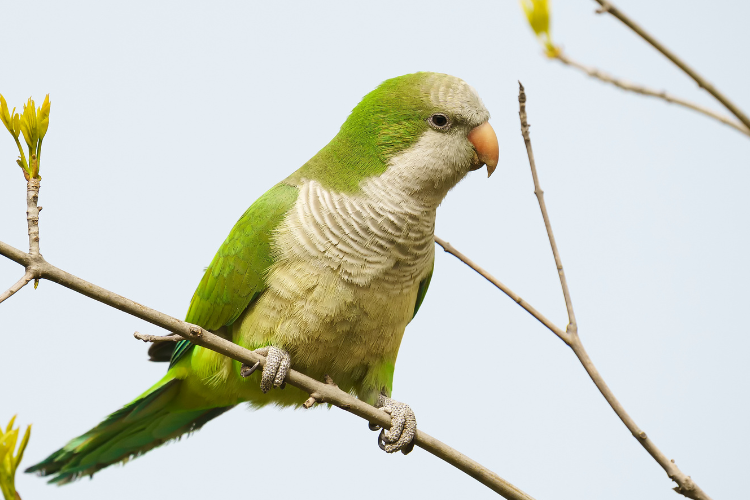
Monk parakeets form loud colonies on power structures, causing outages and fire risks. Originally pets, they now thrive in cities from Chicago to Miami. Utilities report costly nest removals, while native birds lose space. Their success shows urban release can scale into infrastructure problems affecting reliability, safety, maintenance, budgets, nationwide.
Relocation fails because birds return or spread. Lethal control sparks public backlash, complicating management. Wildlife officials advise never releasing parrots, instead promoting adoption networks and controlled aviaries. Preventing new colonies avoids decades of conflict between people, birds, and essential services like electricity, transit, communications, emergency response, hospitals, schools, airports, systems.
9. Feral cat releases devastate wildlife far beyond yards.
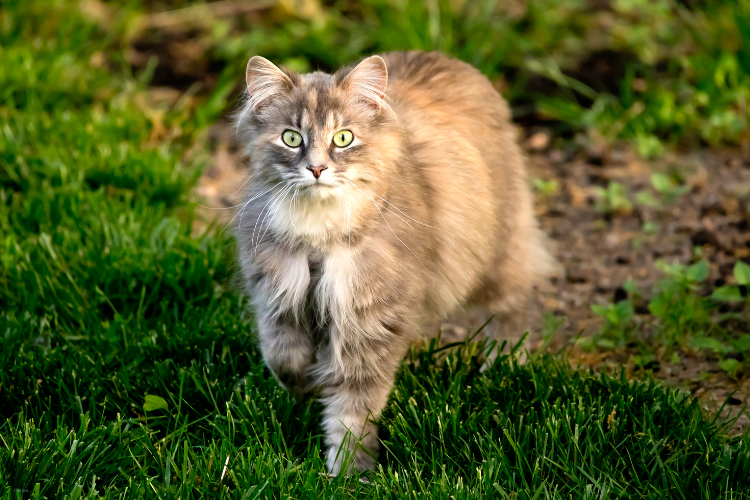
Feral cats released outdoors hunt wildlife relentlessly, even when fed. Songbirds, reptiles, and small mammals suffer heavy losses near colonies. On islands and sensitive habitats, cats have driven extinctions. Their impact grows quietly at night, away from notice, yet measurable through declining counts across parks, preserves, shorelines, forests, deserts, suburbs.
Well meaning releases aim to spare cats, but consequences land on ecosystems. Sterilization helps numbers, yet does not stop predation. Conservation groups urge indoor care, managed sanctuaries, or adoption. Allowing cats to roam freely trades individual mercy for widespread ecological damage affecting biodiversity, recovery, resilience, food webs, long term stability.
10. Habituated raccoons cannot safely return to wilderness.

Hand raised raccoons released into the wild lack fear and survival skills. They approach people, raid homes, and face high mortality from vehicles. In suburban areas, habituated raccoons spread conflict and disease, increasing euthanasia rates compared with truly wild individuals across neighborhoods, parks, campuses, greenbelts, waterways, seasons, regions, states, annually.
Wildlife rehabilitators stress strict protocols for release timing and conditioning. Pets or imprinteds should never be freed, because they cannot reintegrate safely. Lifelong care or sanctuary placement reduces suffering and public risk, while protecting truly wild raccoons from unnecessary management actions by agencies, municipalities, road crews, animal control, departments, nationwide.
11. Wolf dog hybrids suffer and destabilize ecosystems.

Wolf dog hybrids released face rejection from wolves and danger near humans. They require complex social structures and vast territories. Many end up shot or starving. Across North America, agencies report hybrids cause conflicts that neither wild wolf protections nor dog laws adequately address in rural, suburban, agricultural, tribal, landscapes.
Sanctuaries struggle with capacity, yet release worsens outcomes. Hybrids imprint on people, lose hunting efficiency, and provoke fear. Experts advise against ownership and release, emphasizing responsible breeding controls. Keeping hybrids out of the wild prevents suffering while safeguarding communities and conservation programs from conflict, litigation, backlash, funding losses, instability, harm.