
Attachment grows from history as much as home.
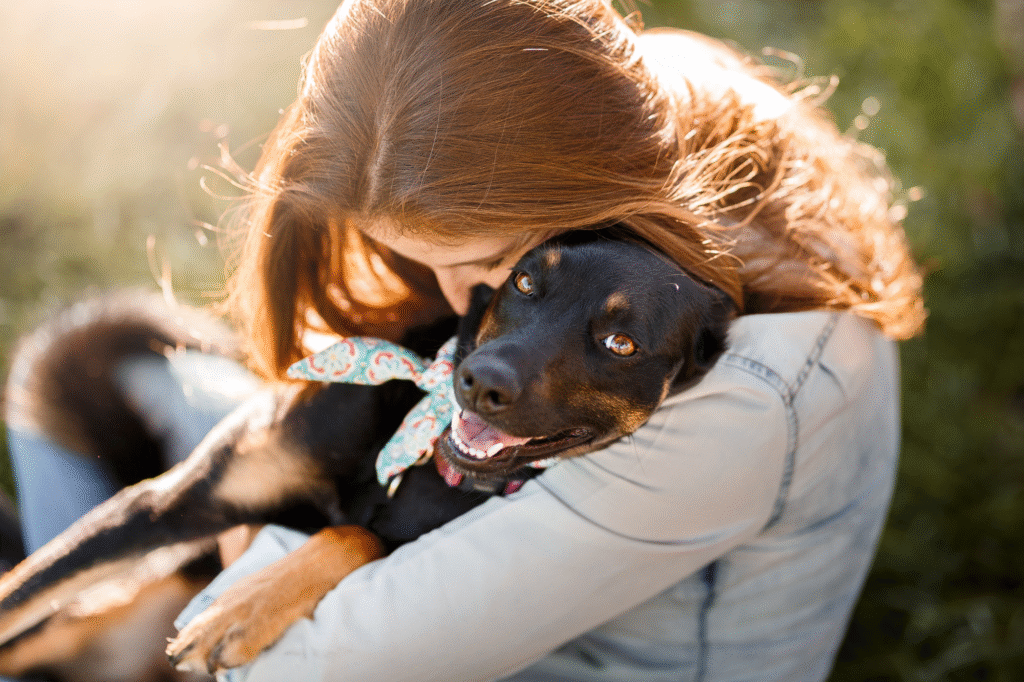
Dogs do not arrive in new homes as blank slates. Where they came from, how many people passed through their lives, and what stability looked like early on all shape how connection forms later. Shelter dogs and home raised puppies often love just as deeply, but they bond differently. Veterinarians and behaviorists in cities like Phoenix Chicago and Raleigh have long noticed distinct attachment patterns emerge within weeks of adoption. These differences are not flaws. They are adaptive responses shaped by experience memory and survival.
1. Shelter dogs often learn attachment through loss first.

Many shelter dogs experience repeated separations before adoption. Owners change housing surrender pets or face emergencies that force relinquishment. Even dogs surrendered young may cycle through fosters or kennels. That history teaches the brain that relationships can disappear suddenly. When bonding begins again it carries caution alongside hope.
Behavior researchers studying canine attachment note that prior separation affects bonding style according to the ASPCA. Dogs may form intense loyalty once trust develops but take longer to relax emotionally. This pattern reflects learned vigilance rather than emotional deficit.
2. Puppies raised at home expect consistency early.
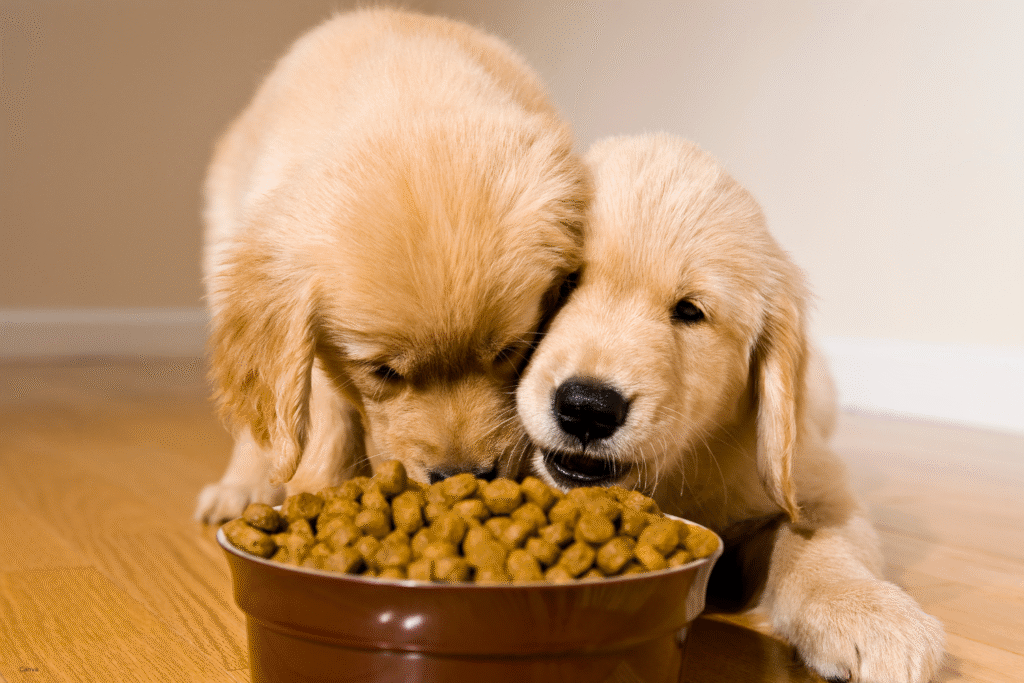
Puppies raised in stable homes usually encounter the same people voices routines and environments from the start. That predictability teaches their nervous systems that care arrives reliably. As a result bonding often appears effortless playful and fast because trust was never disrupted.
Studies on early development show that consistent caregiving shapes attachment security as stated by the American Veterinary Medical Association. These puppies often generalize trust easily and adapt quickly to change. Their bond grows through repetition rather than repair.
3. Shelter dogs may bond more selectively.

Many shelter dogs show deep attachment to one person while remaining reserved with others. This selectivity often reflects earlier instability. When safety finally arrives the dog invests heavily in the individual who represents security.
Canine behavior literature describes this focused attachment as a protective strategy as reported by the Humane Society of the United States. Rather than spreading trust widely the dog anchors it carefully. The resulting bond can feel unusually intense and emotionally tuned.
4. Early stress reshapes how affection is expressed.

Shelter environments expose dogs to noise confinement unfamiliar animals and unpredictable handling. Even short stays elevate stress hormones that influence behavior long after adoption. This can shape how affection appears.
Some dogs cling while others hang back watching closely. Both are expressions of regulation. Over time as cortisol levels normalize affection often softens into calmer companionship rather than constant reassurance seeking.
5. Puppies bond through play while shelter dogs bond through safety.

Home raised puppies often connect through play exploration and shared novelty. Games become the language of trust. Shelter dogs more often bond through predictability and protection. Quiet routines meals at the same time and gentle consistency matter most.
This difference explains why some adopted dogs seem less playful at first. Play often emerges later once safety is firmly established and emotional energy is freed.
6. Shelter dogs read human emotions more carefully.

Dogs who lived through instability often become skilled observers. They watch posture tone and routine closely because change once carried consequences. This heightened sensitivity can look like intuition.
Owners often notice shelter dogs responding strongly to mood shifts. The dog is not anxious by nature but attentive by necessity. That attentiveness often becomes a powerful bond once trust solidifies.
7. Puppies trust environments while shelter dogs trust people.

Home raised puppies often feel secure in places. The house yard and neighborhood become safe zones. Shelter dogs frequently anchor safety to a person rather than a location.
This explains why some adopted dogs follow owners closely or struggle with separation. The bond centers on the individual who represents stability. With time confidence expands outward to spaces and routines.
8. Shelter dogs may bond faster but relax slower.

Many adopters describe instant connection with shelter dogs. That quick bond often reflects relief rather than full trust. The dog has found safety but remains alert.
Relaxation arrives later once patterns prove reliable. This slower emotional settling is healthy. It shows the dog is recalibrating expectations based on lived experience rather than assumption.
9. Different bonding styles reflect resilience not damage.

Neither bonding style is superior. Puppies raised at home and dogs adopted from shelters both form meaningful attachments shaped by their paths. Shelter dogs often demonstrate remarkable emotional flexibility.
Their bonds carry depth patience and awareness forged through experience. When given stability these dogs frequently develop lasting secure attachments that feel earned rather than assumed.