
Quiet changes inside homes are reshaping feline lifespans.
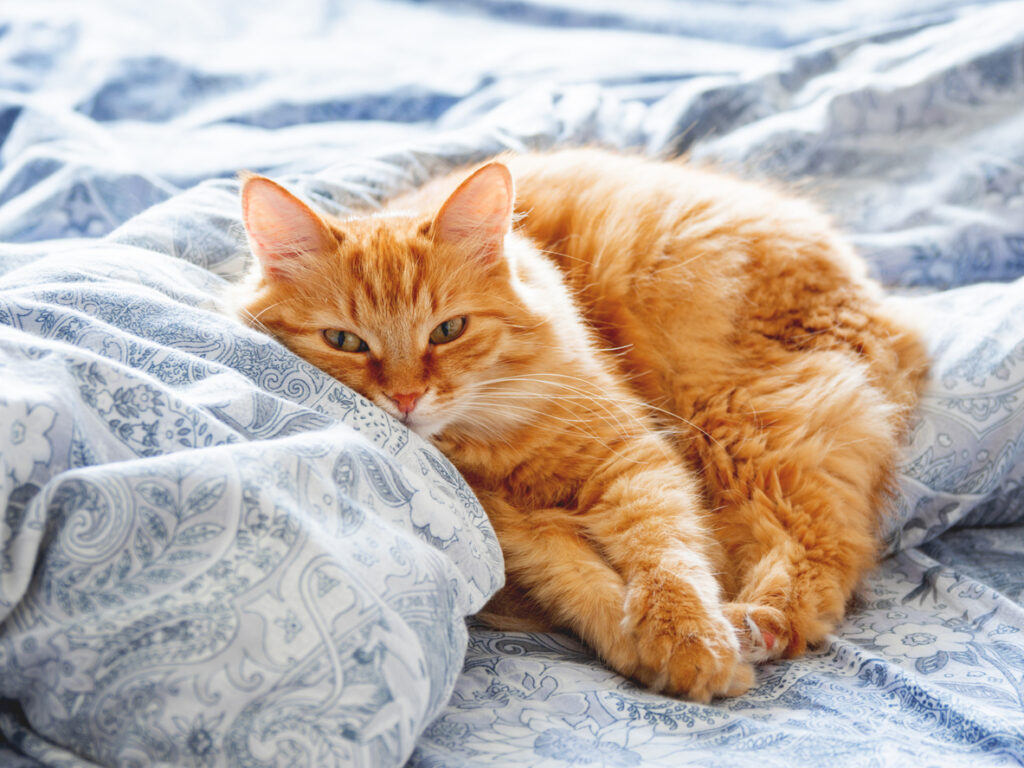
Across North America, veterinarians are noticing a quiet shift in feline aging. Indoor cats adopted since the early 2000s are reaching their late teens and beyond with fewer chronic crises. Better nutrition, preventive medicine, safer housing, and closer human observation all play roles. From apartments in Toronto to suburbs outside Phoenix, lifespan curves are stretching slowly upward, not by accident, but through everyday decisions repeated over many ordinary years. Those choices accumulate quietly, shaping bodies, immunity, stress, risk, and longevity.
1. Veterinary care advanced earlier detection and routine prevention.
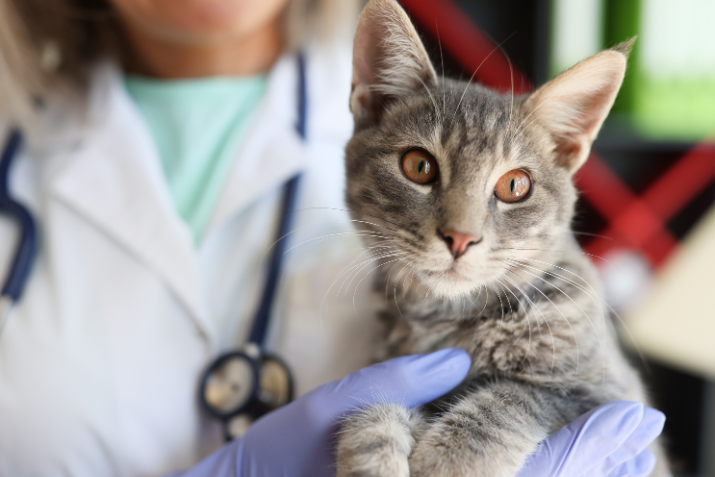
Annual exams became normal rather than reactive after illness. Blood panels, dental checks, and weight tracking now start by middle age. Problems like kidney disease or thyroid imbalance surface sooner, while treatment is gentler. Longevity gains follow patterns documented in companion animal clinics, according to the American Veterinary Medical Association.
Earlier intervention reduces organ damage and emergency stress. Cats stay stable longer, avoiding crisis spirals once common in older pets. Owners also learn subtle warning signs through frequent visits. Over time, this steady surveillance reshapes survival curves, turning manageable conditions into long lived routines rather than abrupt endings for families.
2. Nutrition science quietly corrected decades of feeding mistakes.
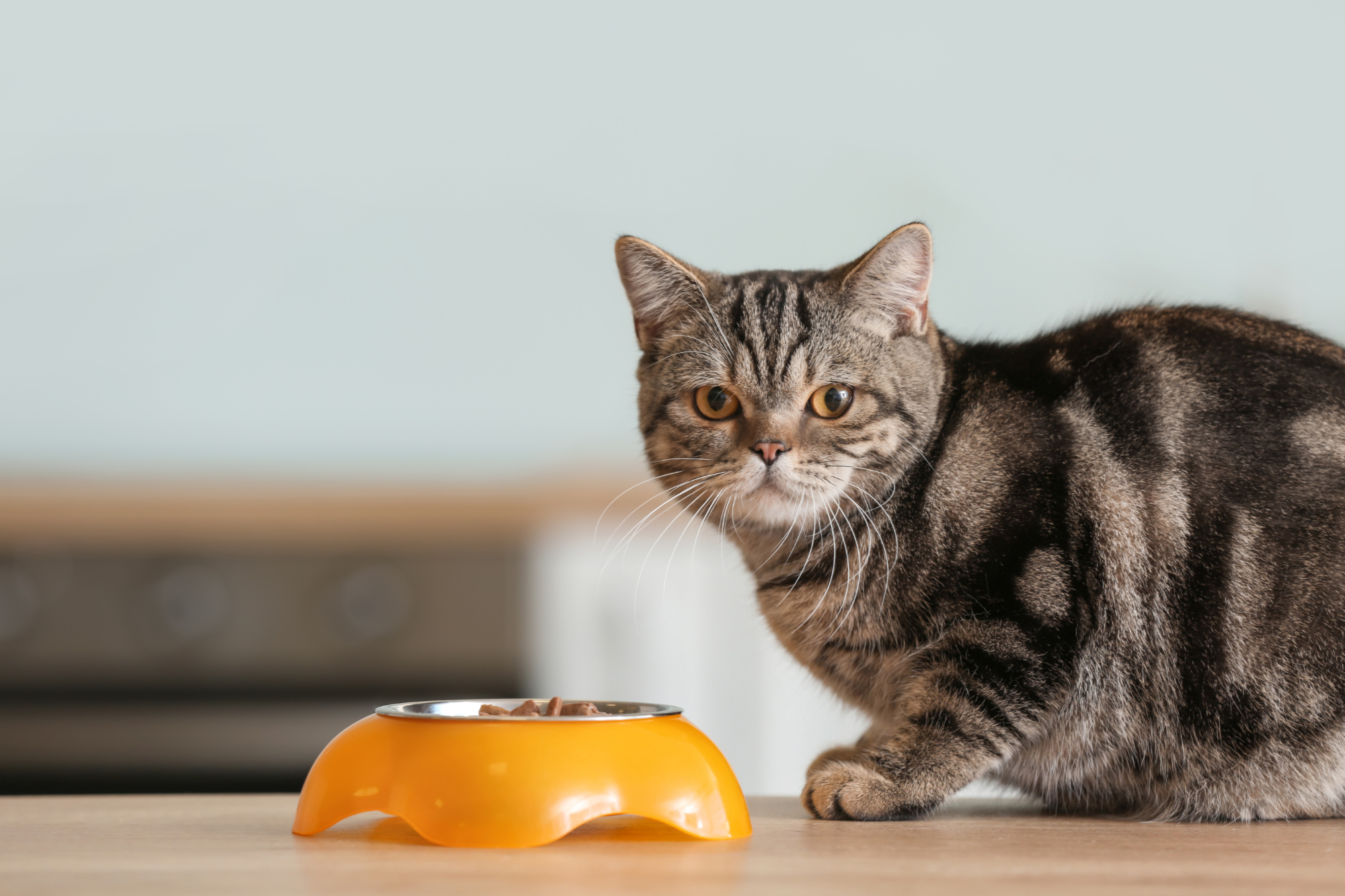
Commercial cat food shifted toward species appropriate protein ratios and mineral balance. Taurine deficiencies, once deadly, are now rare. Controlled phosphorus helps aging kidneys cope longer. Indoor cats benefit most because diets remain consistent, as reported by the Journal of Feline Medicine and Surgery.
Predictable nutrition stabilizes weight, insulin response, and inflammation. Fewer swings mean less metabolic strain across years. Owners also portion meals more carefully than in past decades. This calm nutritional baseline gives organs room to age slowly instead of constantly compensating for excesses or shortages that once shortened lives.
3. Indoor living removed major sources of sudden mortality.

Traffic injuries, predator attacks, poisoning, and infectious fights dropped sharply indoors. Urban data consistently show outdoor access as a leading mortality factor. Survival differences between indoor and outdoor cats have widened steadily since the 1990s, as discovered by researchers at the University of Georgia College of Veterinary Medicine.
Removing sudden death risks allows chronic aging to unfold naturally. Cats live long enough to face gradual illnesses rather than abrupt endings. Reduced exposure also limits viral transmission and parasite loads. Over time, fewer catastrophic events mean more cats simply get the chance to grow old.
4. Spaying and neutering changed hormone driven disease risks.
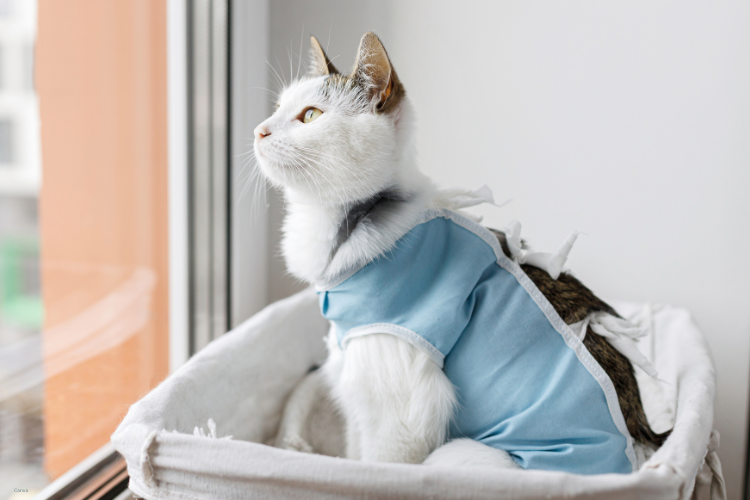
Routine sterilization became standard in shelters and clinics. Hormone linked cancers, uterine infections, and roaming injuries declined as a result. Indoor cats especially benefit because reproductive stress never compounds with outdoor hazards.
Lower hormone cycling reduces metabolic wear across years. Behavioral calm also decreases injury risk inside homes. Cats conserve energy once spent on mating behaviors. This quieter physiological rhythm supports longer lifespans by minimizing internal strain that once accumulated silently over reproductive years.
5. Homes evolved into safer and less toxic environments.
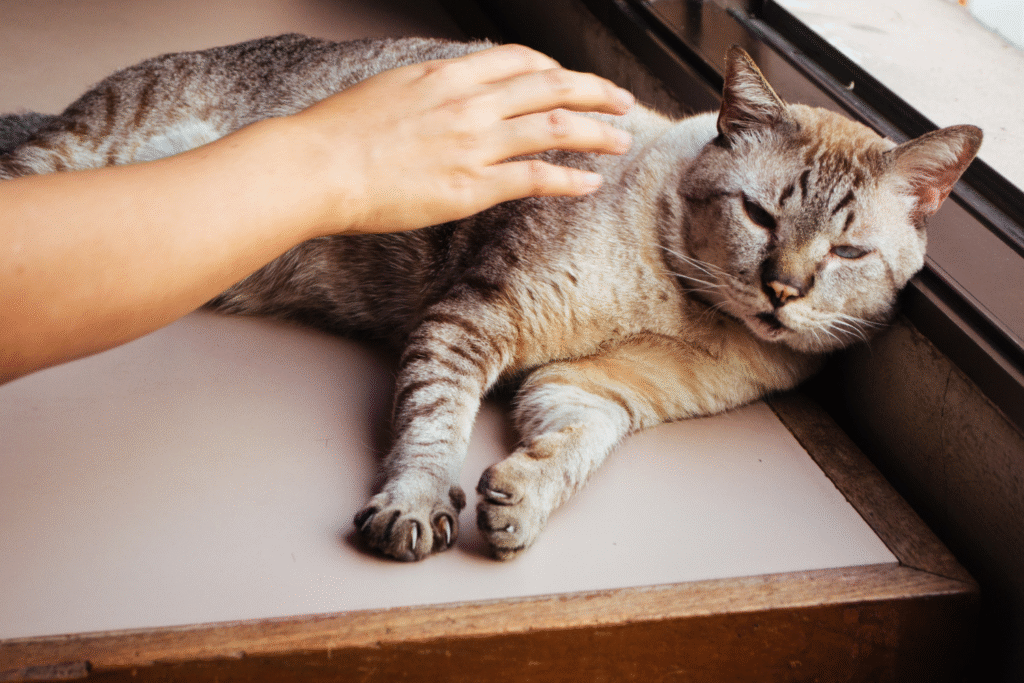
Household awareness around plants, cleaners, and medications improved. Many families removed lilies, secured chemicals, and stored pills carefully. Child resistant packaging also helped curious paws avoid accidents.
Reduced toxin exposure protects livers and kidneys long term. Indoor cats encounter fewer unpredictable substances than past generations. Even small changes, repeated daily, lower cumulative organ damage. Safety inside the home now mirrors the intentional design once reserved only for human children.
6. Stress levels dropped as routines became predictable.
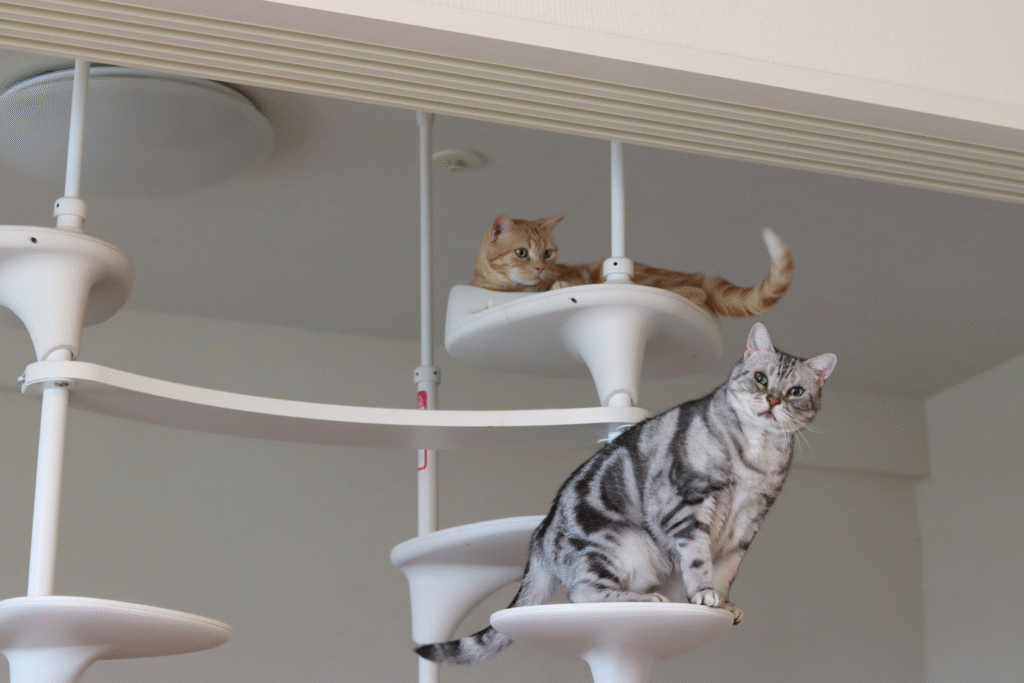
Indoor cats experience fewer territorial battles and weather stressors. Regular feeding times, stable sleeping spots, and consistent human presence regulate cortisol over years. Chronic stress once shortened lives invisibly.
Lower stress supports immune balance and digestive health. Cats sleep more deeply and recover faster from illness. Emotional stability, often overlooked, now plays a measurable role in physical aging. Calm days stack together, slowly extending healthy years.
7. Parasite control became routine rather than reactive.
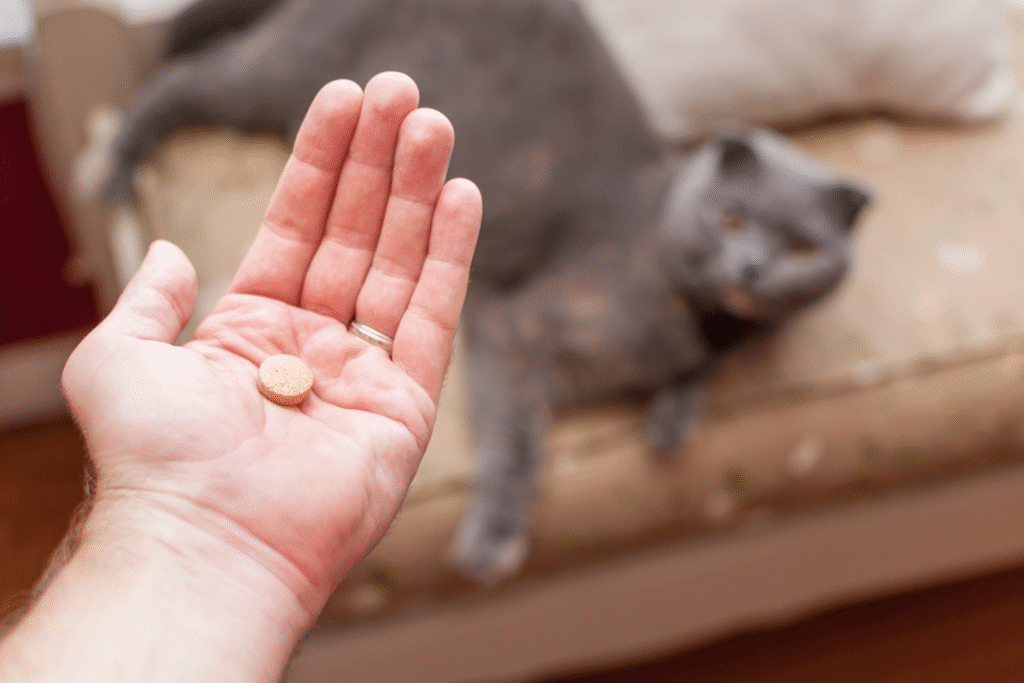
Monthly flea, tick, and worm prevention became commonplace. Indoor cats still face parasites through windows, shoes, and other pets, but loads stay low. Long term inflammation dropped as infestations disappeared.
Reduced parasite burden protects blood, skin, and immune systems. Chronic anemia and secondary infections declined. Indoor cats benefit because prevention remains consistent year round. This invisible protection adds years by preventing slow internal damage that once went untreated.
8. Dental care stopped being an afterthought.

Veterinary dentistry expanded rapidly after 2000. Cleanings, extractions, and home brushing gained acceptance. Dental disease once triggered systemic infections silently.
Healthy mouths reduce heart, kidney, and liver strain. Indoor cats receiving routine dental care avoid chronic pain that disrupts eating and immunity. Over time, this single intervention reshaped aging outcomes more than most owners realize.
9. Humans learned to read feline behavior better.
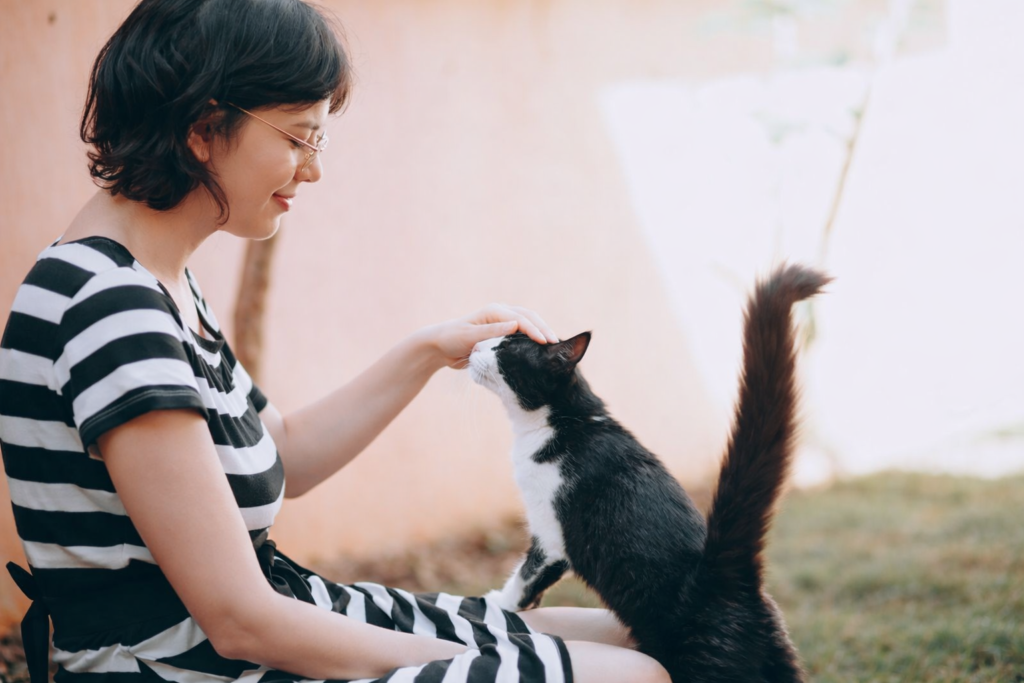
Education spread through clinics, shelters, and online resources. Owners now recognize subtle appetite, litter, and posture changes sooner. Indoor cats offer clearer observation windows.
Early behavioral detection prompts faster care. Problems rarely escalate unnoticed. This shared awareness between human and cat forms a feedback loop, where small changes lead to quick adjustments that protect long term health.
10. Housing design adapted to feline physical needs.
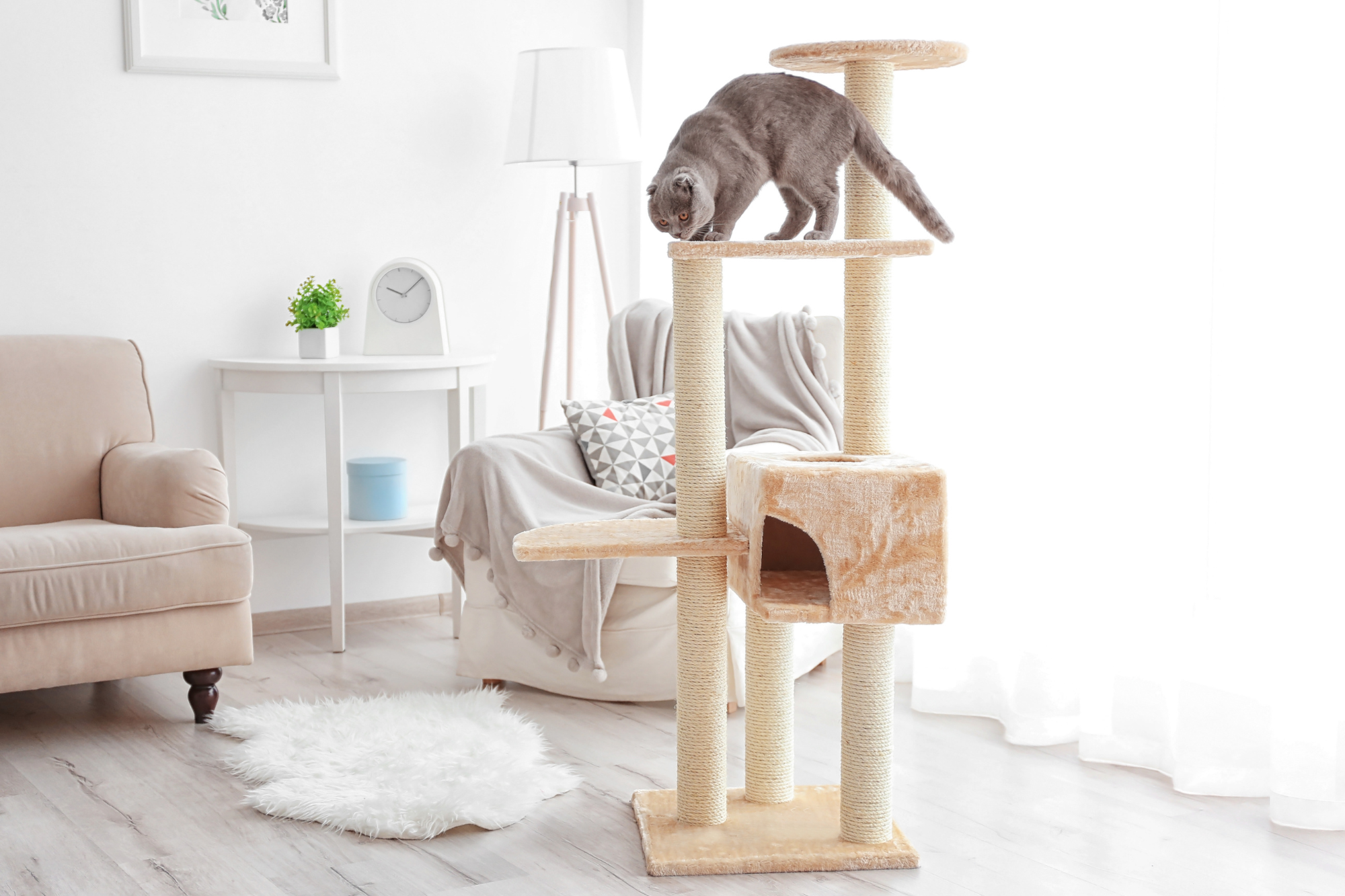
Vertical spaces, window perches, and quiet retreats became common. Cats move more indoors than past generations did. Muscle tone and joint health last longer.
Gentle daily activity preserves balance and flexibility. Indoor environments now encourage natural movement without danger. This supports aging bodies, reducing falls and arthritis progression while maintaining independence deeper into senior years.
11. Longevity itself reshaped how care decisions are made.
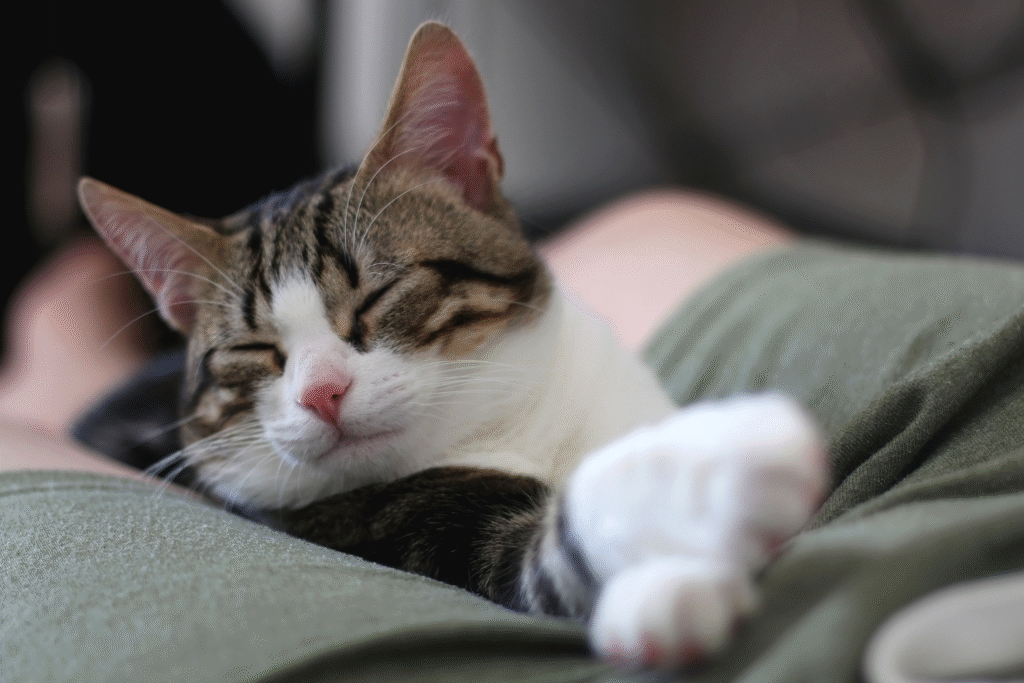
As cats lived longer, veterinary protocols evolved further. Senior specific screenings, diets, and pain management emerged. Aging stopped being rare and became expected.
This expectation changed outcomes. When longevity becomes normal, care adapts proactively. Indoor cats now age within systems designed for extended lives, creating a self reinforcing cycle where survival breeds better survival, one quiet year at a time.