
Scientists were not prepared for what they found.
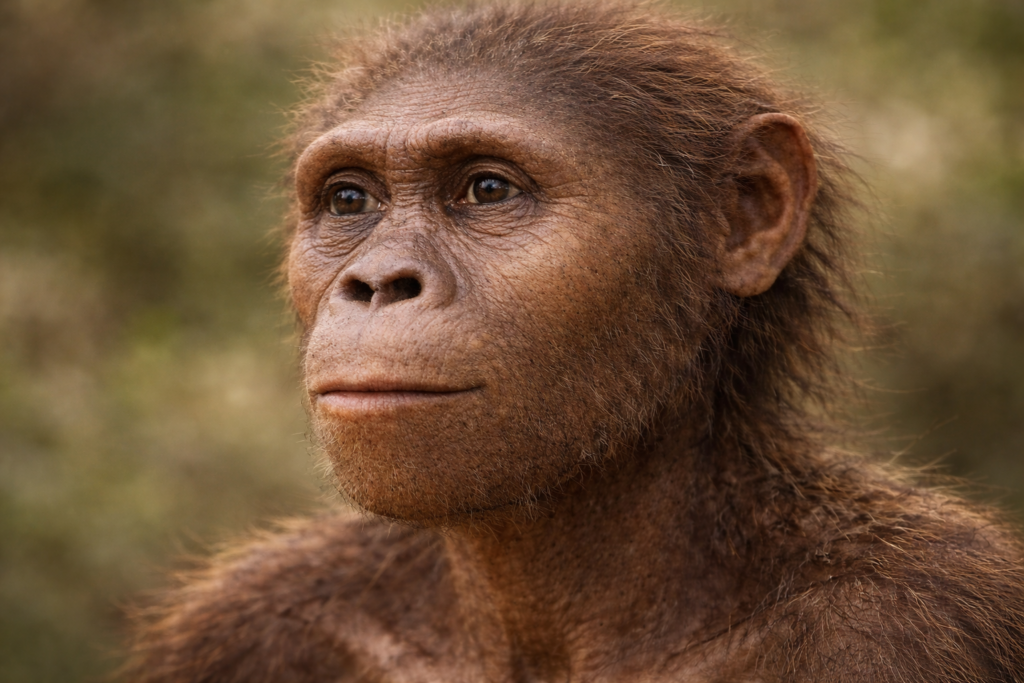
For a long time, the story of human origins followed a path that felt understandable, even predictable. Early ancestors were expected to look and behave in certain ways, fitting into a gradual progression toward what we recognize today. Then something appeared that did not follow those expectations. It did not fit neatly into any category, and it did not behave the way it was supposed to, at least not according to what scientists thought they knew. The more closely it was studied, the more it resisted simple explanations, forcing researchers to reconsider assumptions that had shaped the field for decades.
1. The discovery unfolded slowly across a harsh landscape.

In 1994, field teams working at Aramis in Ethiopia’s Middle Awash noticed bone fragments eroding from the sediment. They were unusually fragile, breaking apart with exposure to air. Excavation became a careful process of stabilization rather than removal, guided by patience instead of speed.
Over time, it became clear the fragments belonged to a single individual spread across the ground. That realization raised the stakes. Every piece mattered, because losing even one could distort the picture. The discovery did not arrive as a single dramatic moment, but as a long unfolding recognition that something unfamiliar was emerging from the earth.
2. Dating placed her far deeper in time.

Volcanic ash layers above and below the fossil bearing sediments allowed researchers to determine her age with unusual precision. At about 4.4 million years old, Ardi predates Lucy by nearly a million years. That placement alone forced a pause.
At that point in time, scientists expected ancestors to look far more ape like. Yet Ardi carried traits that hinted at upright posture. Her age meant those traits emerged earlier than assumed. Timelines stretched backward, compressing the distance between a shared ancestor and later hominins, and making early evolution feel crowded rather than gradual.
3. Anatomy refused to follow simple categories.
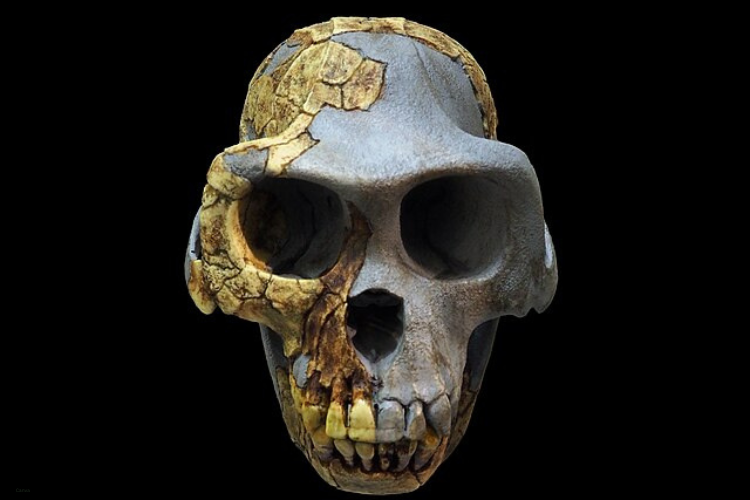
Ardi’s skull showed a small braincase, consistent with apes, but her teeth told a different story. The canines were reduced, lacking the sharp weapons common in aggressive primates. That contrast unsettled established classification rules.
Her pelvis deepened the confusion. Some elements supported upright walking, while others retained climbing strength. Instead of a clean evolutionary step, her body looked like a blend of competing demands. This mosaic anatomy made it clear that early hominins did not evolve traits one at a time, but carried overlapping solutions shaped by immediate survival needs.
4. The feet revealed a divided lifestyle.

One of the most striking features was her foot. Ardi retained a grasping big toe, ideal for gripping branches. At the same time, the rest of the foot showed adaptations consistent with standing and limited upright movement.
That combination challenged long held assumptions. Walking upright did not require abandoning the trees. Instead, Ardi suggests early hominins moved between ground and canopy as needed. Bipedalism appears less like a single breakthrough and more like a behavior tested cautiously alongside older, reliable ways of moving through the environment.
5. Woodland evidence reshaped the setting.

Sediments, plant remains, and associated animal fossils pointed to a wooded habitat rather than open grassland. Shade trees, seasonal water sources, and mixed terrain dominated the landscape Ardi inhabited.
This environmental context mattered deeply. It weakened the idea that upright walking evolved as a response to wide open savannas. In a wooded world, standing upright could help with balance, foraging, and carrying food. Ardi made it clear that habitat complexity shaped anatomy, and that early hominins adapted to varied terrain rather than a single defining environment.
6. Wrists challenged assumptions about ape ancestry.
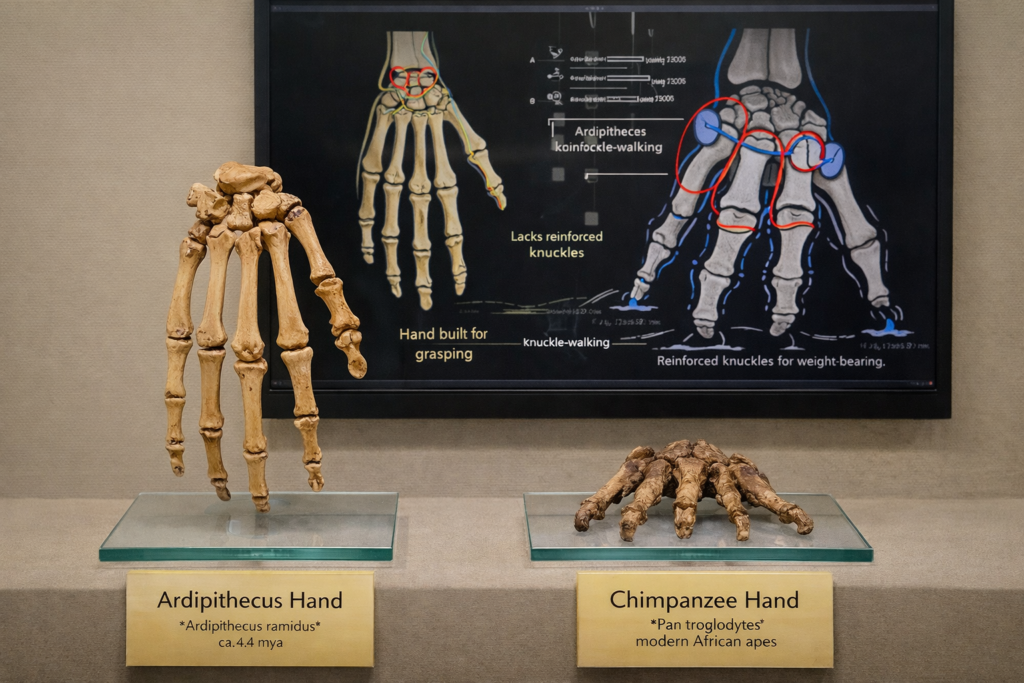
Ardi’s wrists lacked the reinforced structures used by modern African apes for knuckle walking. Her hands were built for grasping rather than bearing weight on the ground. That detail carried unexpected implications.
If Ardi is close to the human chimp split, then knuckle walking may not reflect ancestral movement at all. Instead, it may be a later specialization in chimpanzees. This realization weakened the habit of using modern apes as direct stand ins for early ancestors, reminding researchers that evolution reshapes each lineage in its own direction.
7. Teeth hinted at social differences.

The reduced size of Ardi’s canines suggested lower levels of aggressive display than seen in many primates. Teeth often reflect social structure, and hers told a quieter story.
Lower aggression may have supported greater tolerance within groups. Sharing space, food, and resources becomes easier without constant competition. For a creature balancing life between trees and ground, cooperation could have offered real advantages. Ardi’s teeth suggest that shifts in social behavior may have accompanied physical changes far earlier than once believed.
8. Reconstruction demanded unprecedented care.

Many of Ardi’s bones were crushed or warped by geological pressure. Traditional preparation methods failed. Researchers relied on scanning, casting, and digital modeling to reconstruct shapes without causing further damage.
This painstaking process delayed conclusions for years. When findings finally emerged, they carried unusual weight because of the caution involved. The reconstruction effort set new standards for fossil analysis, emphasizing restraint and verification over speed, and reshaping expectations for how fragile early hominin remains should be studied.
9. Lucy looked different in comparison.
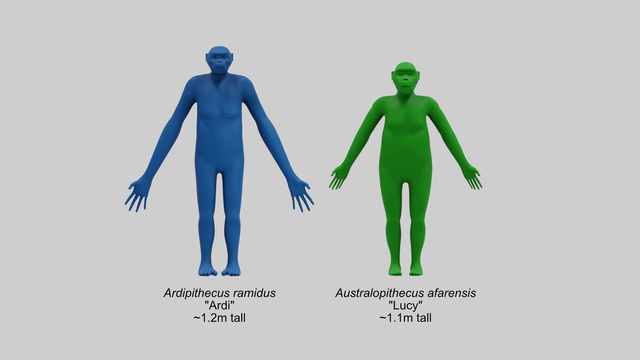
When Ardi entered the picture, Lucy no longer appeared as the obvious starting point. Lucy showed stronger commitment to upright walking, while Ardi retained more climbing adaptations. The contrast suggested diversity rather than linear progression.
Instead of a single path toward humanity, multiple forms may have experimented with different solutions. Environmental variation across East Africa likely encouraged this diversity. Ardi revealed that early evolution was not a straight march forward, but a branching process shaped by local conditions and survival pressures.
10. Uncertainty became her lasting contribution.
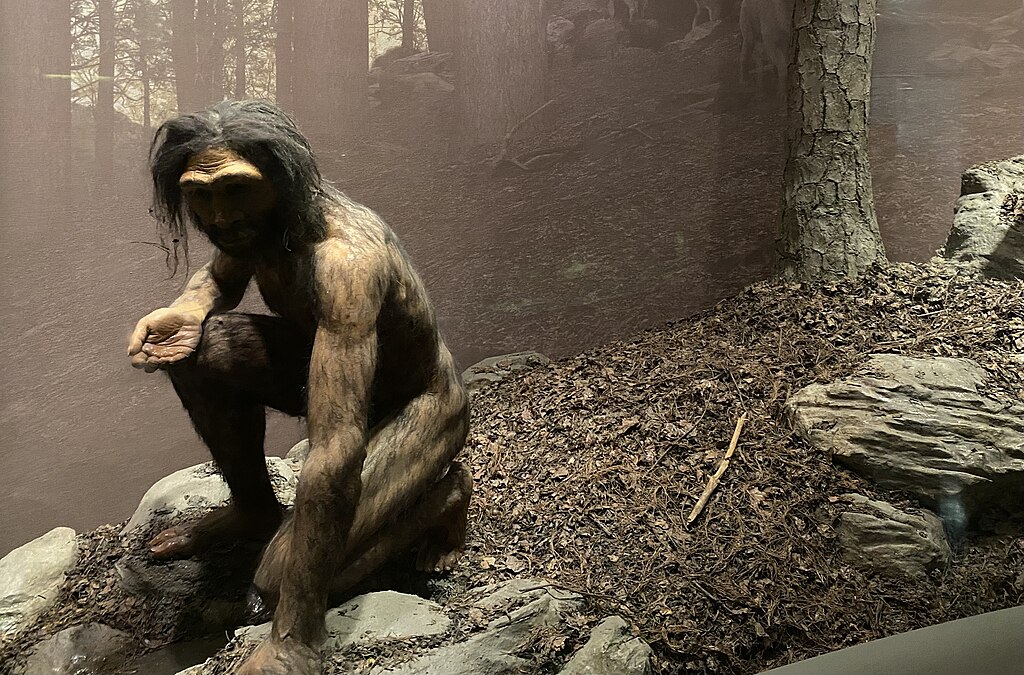
Ardi did not resolve debates about human origins. She multiplied them. Her anatomy blurred lines scientists once treated as firm, and her age pushed key traits further back in time.
That uncertainty reshaped the field. Human evolution now looks less predictable and more adaptive, built from overlapping strategies rather than neat stages. Ardi remains central not because she answers everything, but because she forces better questions. Each new discovery is measured against her complicated balance of traits, keeping the origin story open and grounded in evidence.