
Heat and moisture are reshaping the rainforest core.
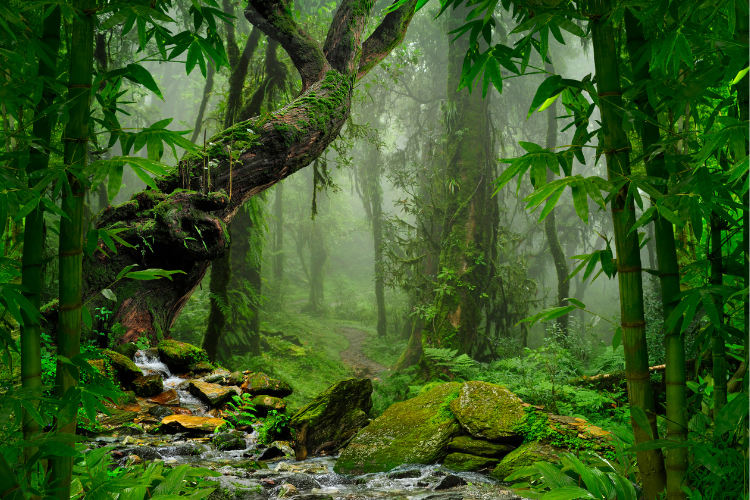
For much of modern science, the Amazon was treated as ancient and steady, a system that changed slowly enough to anchor global climate models. That picture is cracking. Measurements from satellites, weather stations, and forest plots now point to conditions that resemble deep geological pasts rather than recent history. Scientists describe this shift as hypertropical, meaning heat and moisture are rising together in ways that fundamentally alter how the forest functions. The changes are uneven, sometimes subtle, but they are accelerating. What emerges may still be rainforest, but it will not behave like the Amazon we thought we knew.
1. Rising temperatures are pushing humidity beyond historic norms.
Across the central and southern Amazon, average temperatures have climbed steadily since the late twentieth century. What makes this trend unusual is how tightly it couples with moisture. As air warms, it holds more water vapor, creating persistent, heavy humidity that does not dissipate overnight or seasonally.
This combination strains both plants and animals. High humidity limits nighttime cooling, keeping leaves and soil warmer for longer periods. Trees lose water faster through their leaves even when rain is present, a process documented in satellite based climate analysis according to NASA Earth Observatory. These conditions increasingly resemble ancient greenhouse climates rather than the modern tropical balance the forest evolved to tolerate.
2. Rainfall patterns are becoming heavier yet less predictable.

Rain continues to fall across much of the Amazon, but its timing has shifted. Instead of steady seasonal delivery, precipitation now arrives in intense bursts separated by longer dry spells. These swings disrupt how water moves through soil and roots.
When rain falls too quickly, it runs off instead of soaking in. During extended dry intervals, surface layers harden and crack. Hydrologists tracking basin wide trends note this growing volatility in storm intensity and spacing, as reported by the World Meteorological Organization, pushing the rainforest toward extremes where abundance and scarcity collide.
3. Tree physiology shows signs of hypertropical stress.
Tree canopies are already responding to these conditions. Researchers measuring leaf chemistry and gas exchange report reduced photosynthesis during periods of extreme heat and humidity. Leaves close their pores to conserve water, limiting carbon intake even when sunlight is plentiful.
Over time, this reduces growth and energy reserves. Some species shed leaves early, while others slow wood production. These physiological patterns closely resemble responses documented in ancient climate analog studies, as discovered by researchers publishing in Nature Climate Change, suggesting the forest is operating beyond its recent evolutionary comfort zone.
4. Evapotranspiration feedback loops are intensifying heat.
The Amazon cools itself by releasing moisture into the atmosphere through evapotranspiration. Under hypertropical conditions, this process accelerates. Trees pump more vapor upward, thickening the air with moisture that traps heat.
Instead of stabilizing temperature, the forest begins amplifying it locally. Hot, humid pockets linger longer than before, reinforcing evaporation and heat retention. Once these feedback loops strengthen, they become difficult to interrupt, reshaping the internal climate of the rainforest independently of regional weather systems.
5. Species adapted to balance are losing advantage.

Many Amazon species evolved under relatively narrow environmental ranges. Frogs depend on precise humidity windows, insects time reproduction to seasonal rains, and plants flower based on stable cues. Hypertropical variability scrambles these signals.
As extremes intensify, specialist species struggle while generalists gain ground. This quiet reshuffling alters food webs and weakens long standing ecological relationships. Biodiversity may persist numerically, but the intricate balance that once defined the rainforest becomes less synchronized and more fragile.
6. Soil chemistry is changing under prolonged saturation.
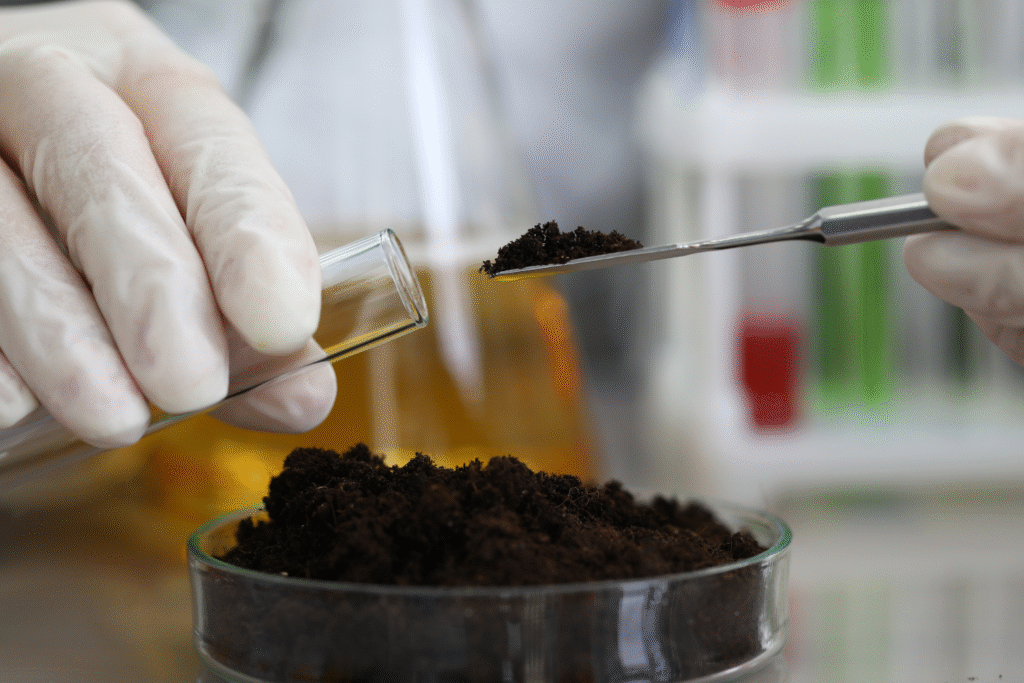
Soil forms the unseen foundation of the forest, and hypertropical conditions are altering it. Extended saturation reduces oxygen levels underground, stressing roots and reshaping microbial communities. Nutrient cycling slows or shifts into unfamiliar pathways.
In warmer, wetter soils, decomposition accelerates while nutrient retention declines. Carbon stored in the ground escapes more easily. Large trees that rely on stable, oxygen rich soils lose advantage, quietly changing which plants can dominate future forest structure.
7. Carbon sink behavior is becoming inconsistent.
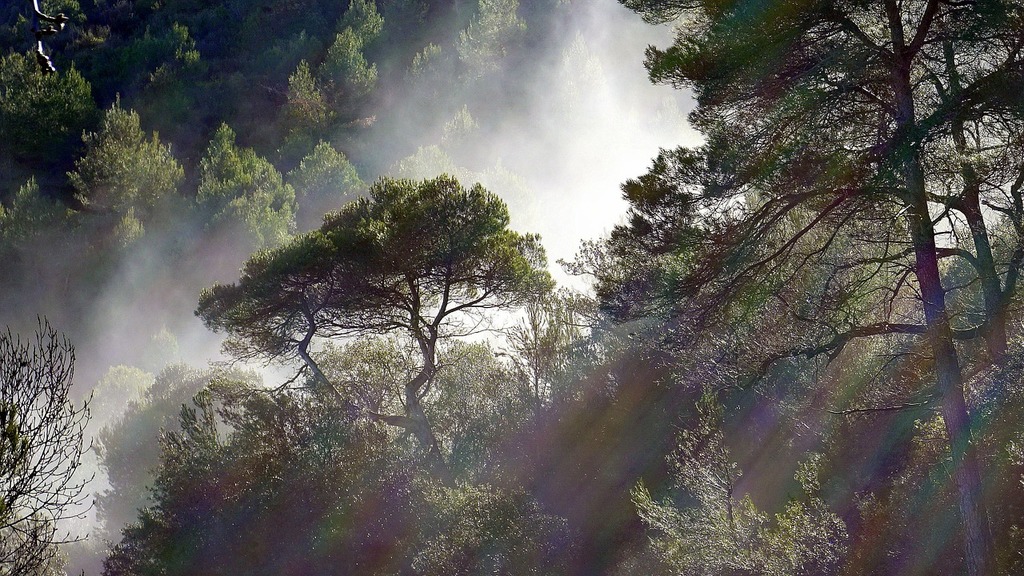
For decades, the Amazon reliably absorbed more carbon dioxide than it released. Recent measurements show that balance is weakening. During extreme heat years, some regions emit carbon rather than store it.
This does not indicate immediate collapse, but instability. Carbon uptake now fluctuates closely with temperature and moisture stress. A hypertropical Amazon still absorbs carbon at times, but its reliability fades, complicating climate models that once assumed consistent buffering from the world’s largest rainforest.
8. Fire risk rises even in wetter conditions.
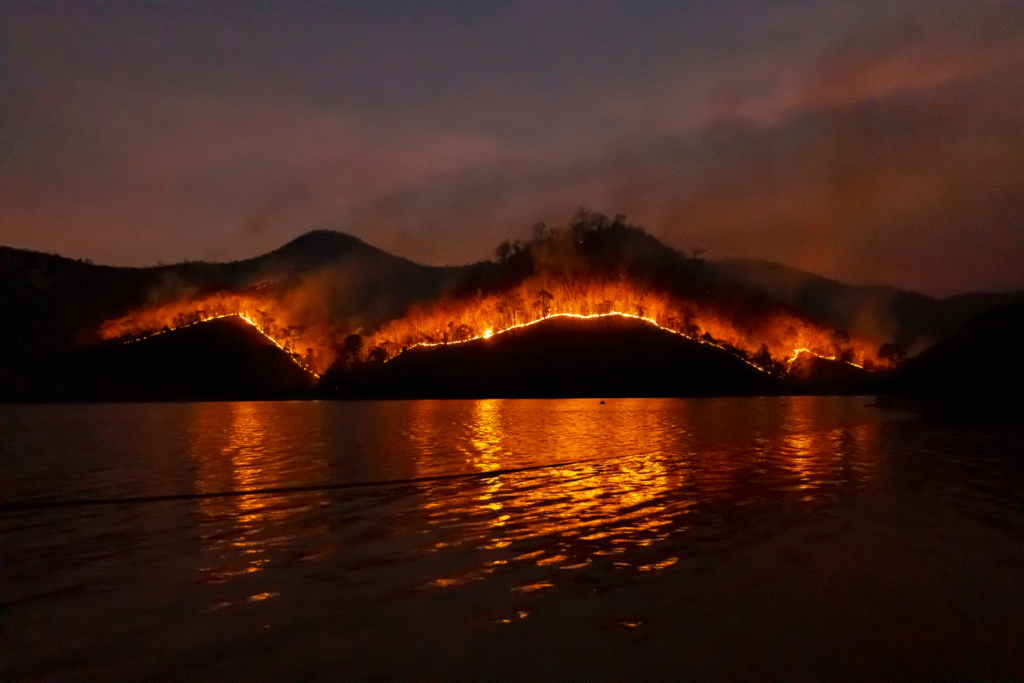
Higher moisture might suggest reduced fire risk, yet hypertropical dynamics complicate that assumption. Longer dry spells desiccate surface fuels, while heavy rains promote dense regrowth that later dries.
When fires ignite, they burn hotter and spread unpredictably. These fires penetrate deeper into intact forest, damaging roots and opening canopies. Heat then reaches the forest floor more easily, reinforcing drying cycles and increasing the likelihood of future burns in areas once resistant to fire.
9. Regional weather patterns feel the downstream effects.
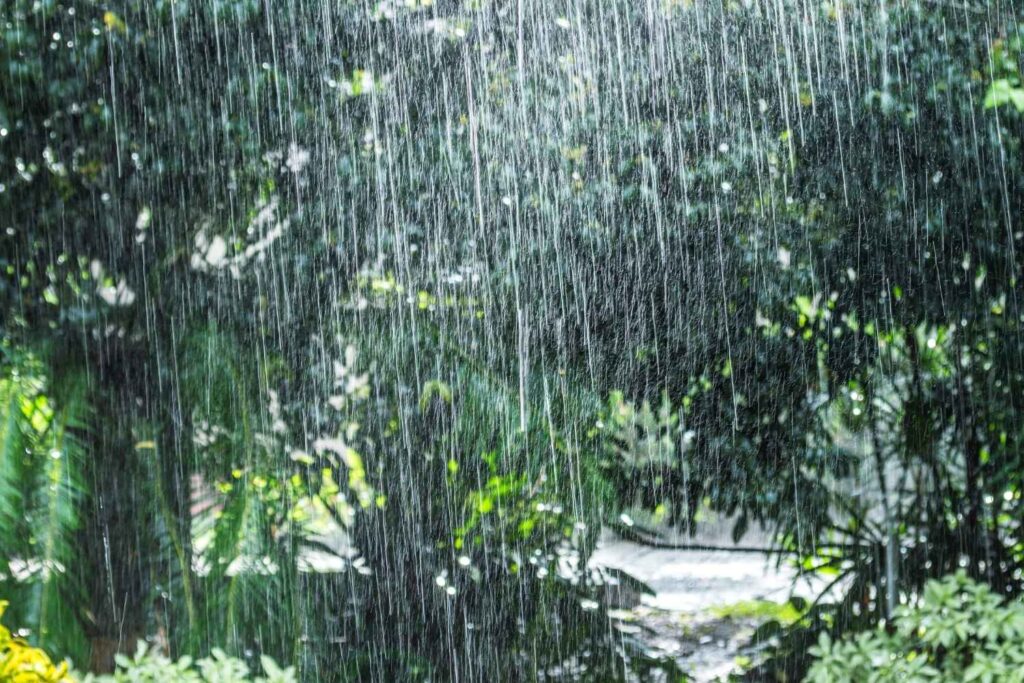
The Amazon functions as a moisture engine for South America, exporting rainfall through atmospheric circulation. As internal heat and evaporation patterns shift, so does that export.
Downwind regions experience altered rainfall timing that affects agriculture, rivers, and reservoirs. Farmers report unpredictable seasons, while water systems fluctuate unexpectedly. A hypertropical Amazon sends unstable signals into the atmosphere, weakening the dependable climate rhythms that once supported ecosystems and human societies far beyond the forest.
10. Scientists see a transition, not a collapse yet.
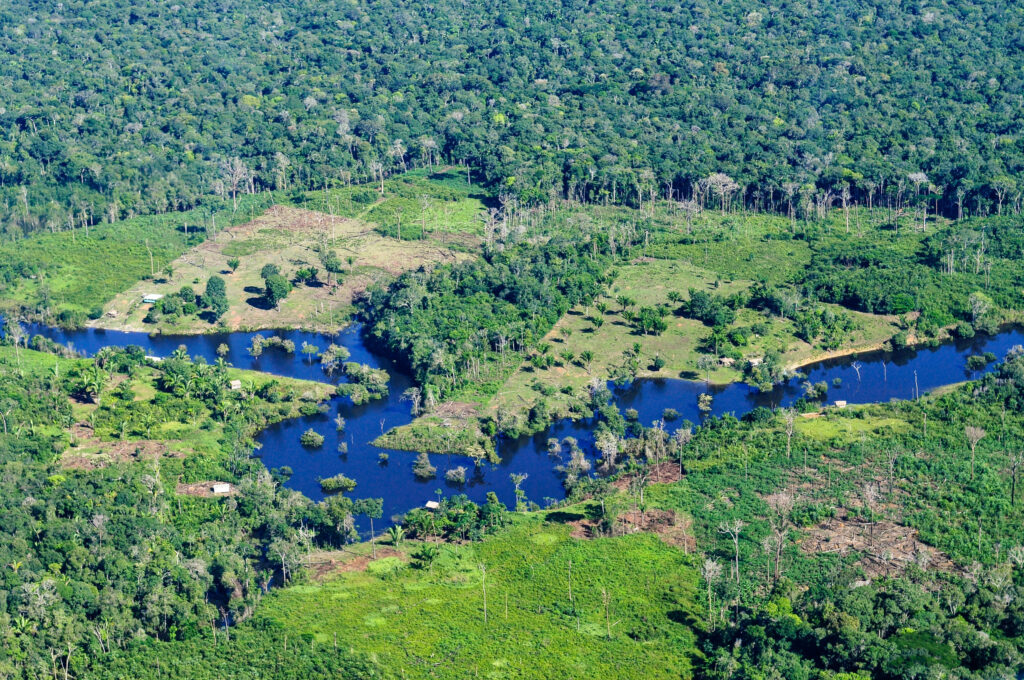
Most researchers emphasize that the Amazon is not disappearing overnight. Instead, it is changing state. Hypertropical conditions reflect a reorganization of how heat, water, and life interact within the forest.
Whether this transition stabilizes or accelerates depends on global emissions, deforestation rates, and time. The forest may persist, but as a different system governed by new rules. What is clear is that the Amazon of the twentieth century no longer defines the present, and its future trajectory remains uncertain.