
New discoveries keep rewriting the human story.

For much of the last century, history felt orderly. Civilizations rose in predictable stages, technology advanced step by step, and innovation followed neat timelines. Archaeology is steadily undoing that comfort. New dating methods, satellite imaging, and careful reexaminations of old sites are revealing societies that were inventive far earlier and in unexpected ways. What once looked like exceptions now look like patterns. The deeper archaeologists dig, the more the past resists simple narratives, forcing history to become less linear and far more human.
1. Ancient cities appeared earlier than expected.
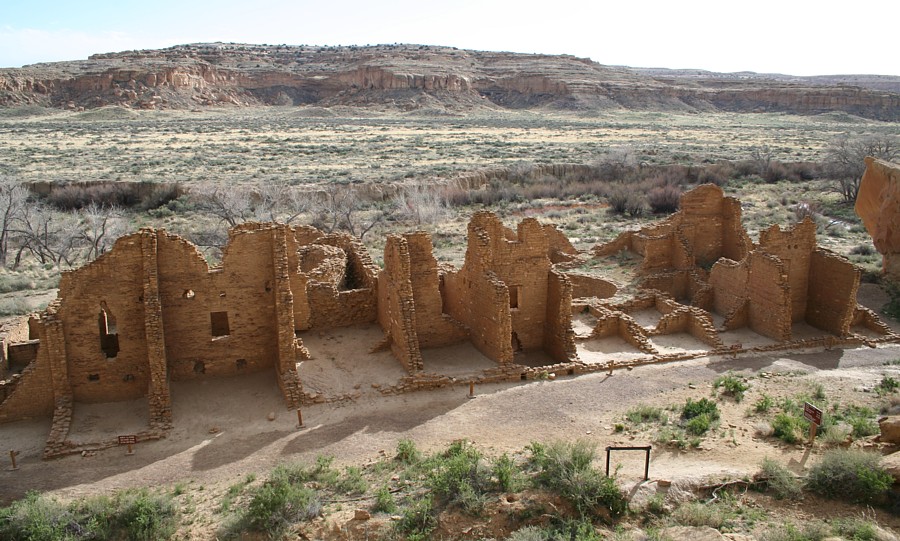
Urban life was long thought to emerge only after farming became efficient and widespread. Excavations in southeastern Turkey and the Fertile Crescent suggest a different sequence. Dense populations gathered before full agriculture took hold, building permanent structures and shared spaces.
Sites like Göbekli Tepe show organized construction without evidence of large scale farming. According to research discussed by National Geographic, social cooperation and ritual may have drawn people together first. Agriculture may have followed community, not the other way around, reversing a foundational assumption about how civilization began.
2. Complex engineering predates written records.
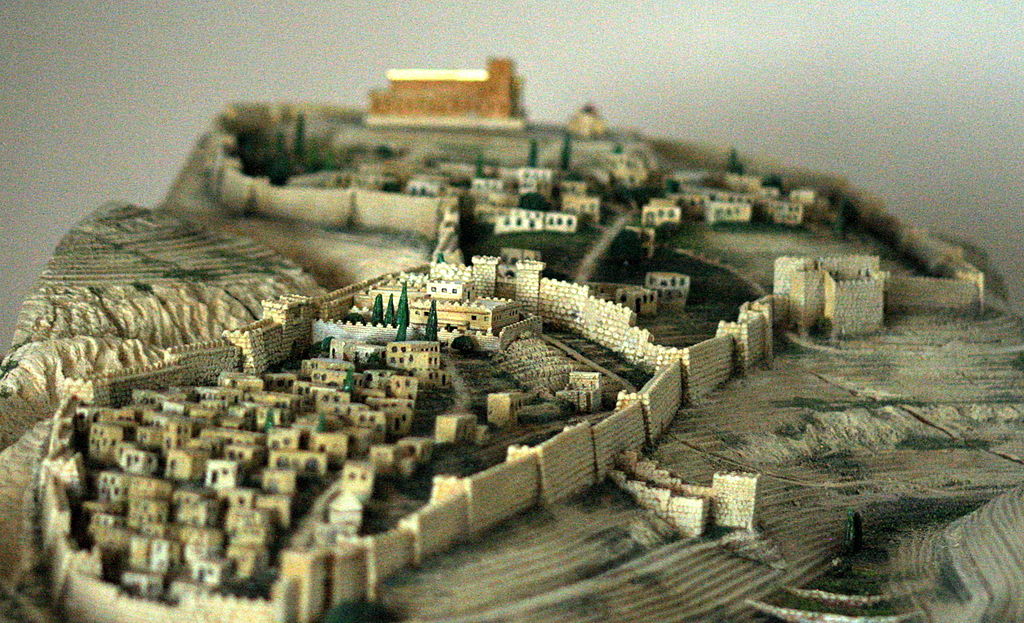
Engineering skill was once tied to writing, bureaucracy, and centralized states. Archaeology now shows that sophisticated construction existed long before writing systems appeared. Canals, terraces, and stone architecture reveal precise planning across generations.
These projects required shared knowledge and coordination. As reported by the British Museum, prehistoric communities reshaped landscapes intentionally, using oral instruction and tradition. Writing was not required for precision. Skill passed through practice and memory, challenging the idea that advanced engineering depends on recorded language.
3. Trade networks spanned continents in deep antiquity.

Artifacts often travel far from their geological origins. Obsidian, shells, and metals appear hundreds of kilometers from source sites, long before formal states or currency systems existed.
This movement required trust, negotiation, and stable relationships. According to Smithsonian Magazine, some trade networks operated thousands of years earlier than expected. These exchanges connected distant communities, spreading materials, ideas, and techniques. Early humans were not isolated bands. They participated in wide networks that resemble early versions of global exchange.
4. Hunter gatherers built monumental structures.
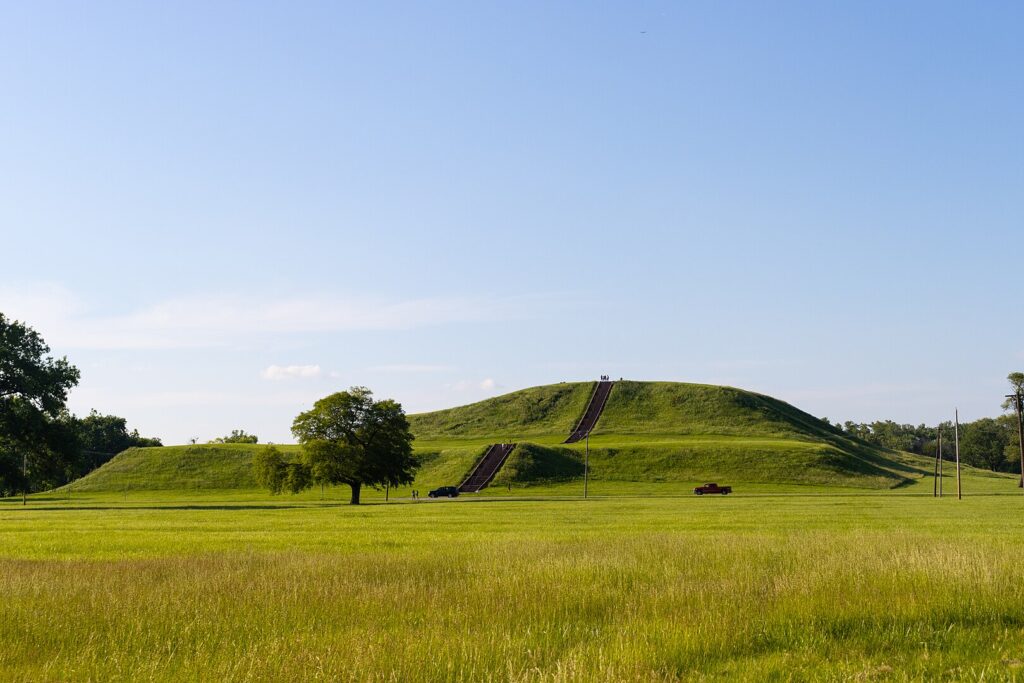
Monumental architecture was once linked strictly to farming societies with food surplus. Archaeology has overturned that assumption. Hunter gatherer groups built stone circles, earthworks, and ceremonial platforms that required significant labor.
These constructions suggest social complexity beyond subsistence. Coordinated effort, shared belief systems, and long term planning existed without permanent agriculture. Mobility did not prevent organization. Instead, ritual and identity may have motivated large scale building, showing that monumentality is not exclusive to settled farming cultures.
5. Women held power in many ancient societies.

Traditional interpretations often placed men at the center of ancient leadership and warfare. Reexamination of burial sites is challenging that bias. Graves with weapons, regalia, and symbols of authority increasingly belong to women.
DNA analysis confirms these identities, forcing reinterpretation of social roles. Leadership, ritual authority, and combat participation varied widely across cultures. Archaeology reveals that gender roles were flexible, shaped by local needs rather than universal rules, complicating simplified views of ancient social hierarchies.
6. Early humans adapted faster than expected.
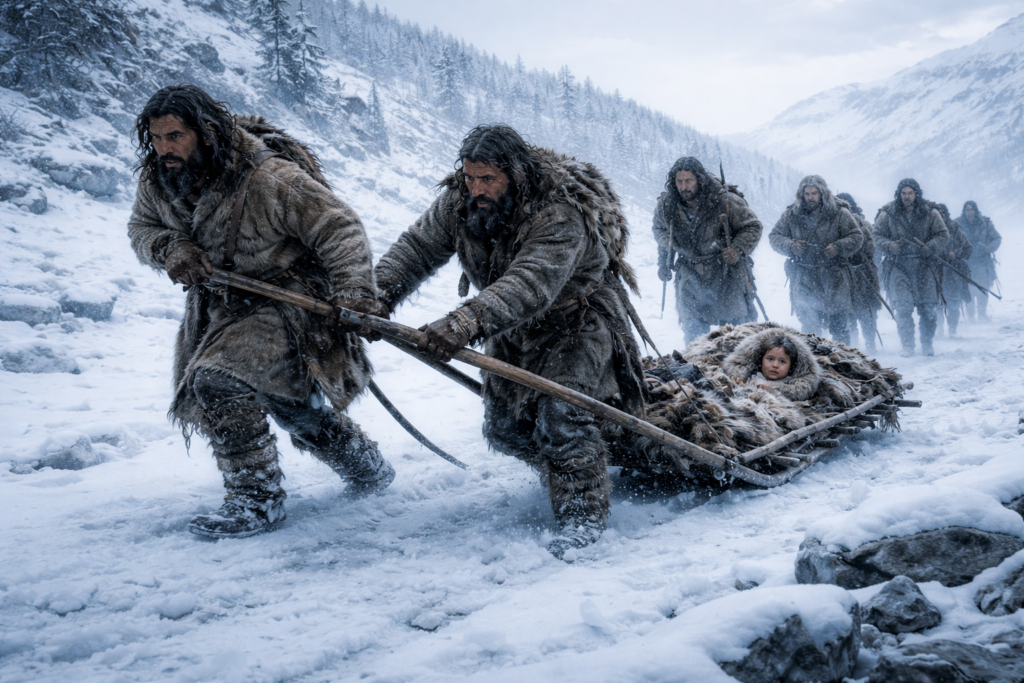
Older models suggested slow adaptation as humans spread into new environments. Archaeological evidence now shows rapid innovation following migration. Tools, shelters, and clothing appear almost immediately after arrival in harsh regions.
High altitude sites and cold climate settlements reveal quick problem solving. Instead of gradual adjustment, early humans experimented aggressively. This adaptability explains rapid global dispersal and suggests cognitive flexibility was already well developed long before complex societies emerged.
7. Writing was not the only way to store knowledge.
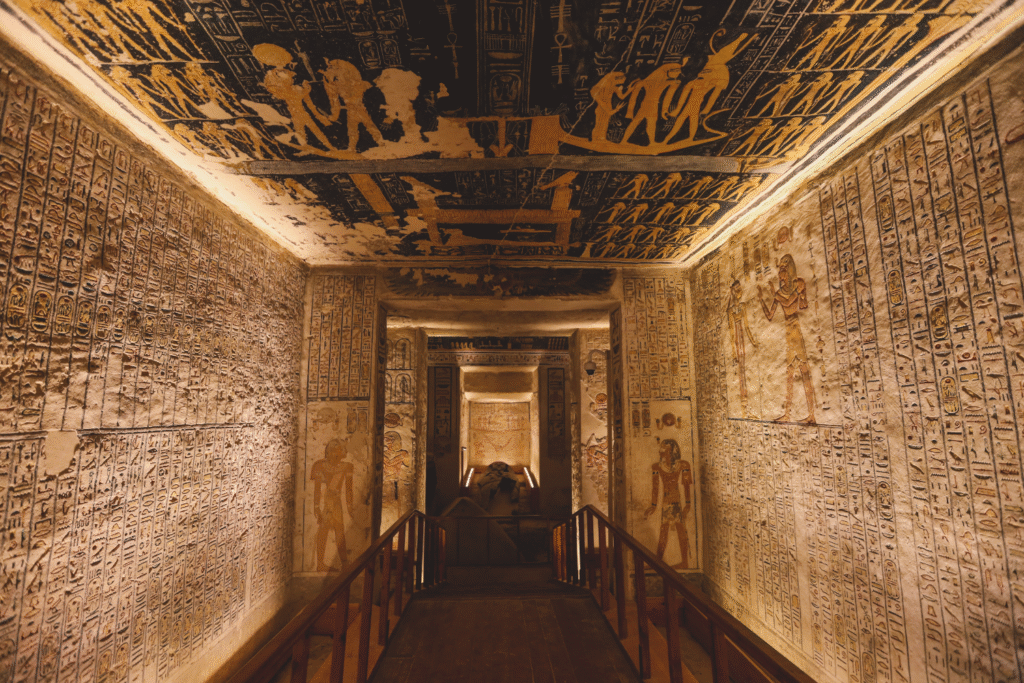
Before writing systems, societies preserved information through symbols, architecture, and landscape design. Repeating patterns and alignments reveal intentional memory systems.
Stone layouts tracked seasons, celestial movements, and social events. Art encoded stories and instructions. Knowledge lived in shared spaces rather than texts. Archaeology shows that information storage does not require literacy, challenging modern assumptions about intelligence and the role of writing in complex thought.
8. Collapse stories oversimplify complex transitions.
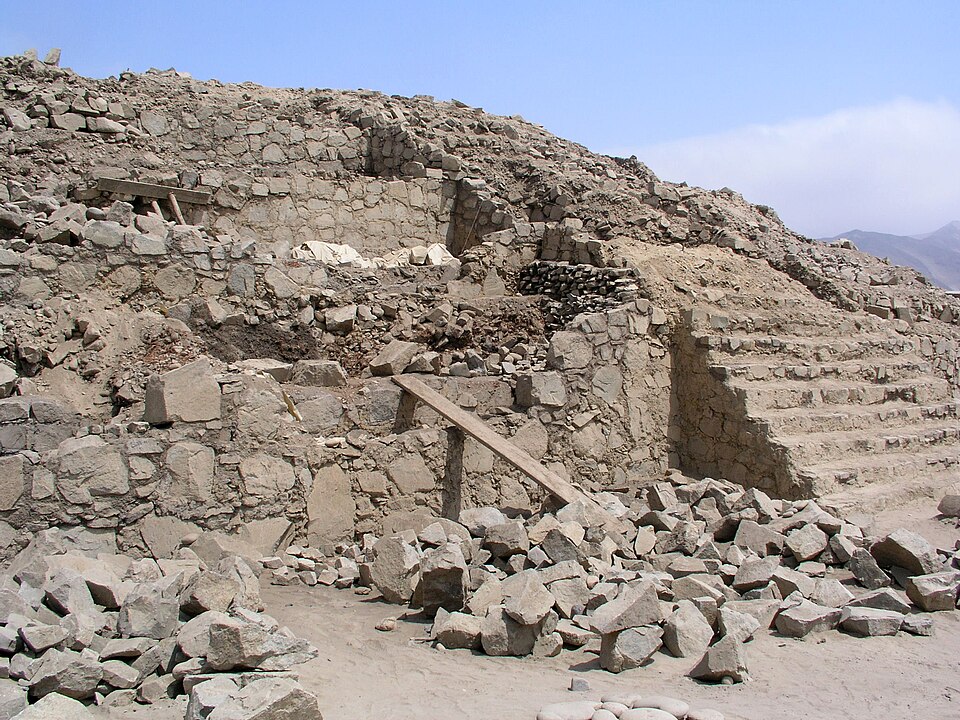
Civilizations often described as collapsed rarely vanished overnight. Archaeological layers show continuity alongside disruption. Populations shifted locations, reorganized governance, or changed economic focus.
Environmental stress frequently triggered adaptation rather than failure. Societies transformed to survive. These findings replace dramatic collapse narratives with quieter stories of resilience, migration, and reinvention, making ancient peoples appear more flexible and strategic than previously assumed.
9. Marginal regions shaped major developments.
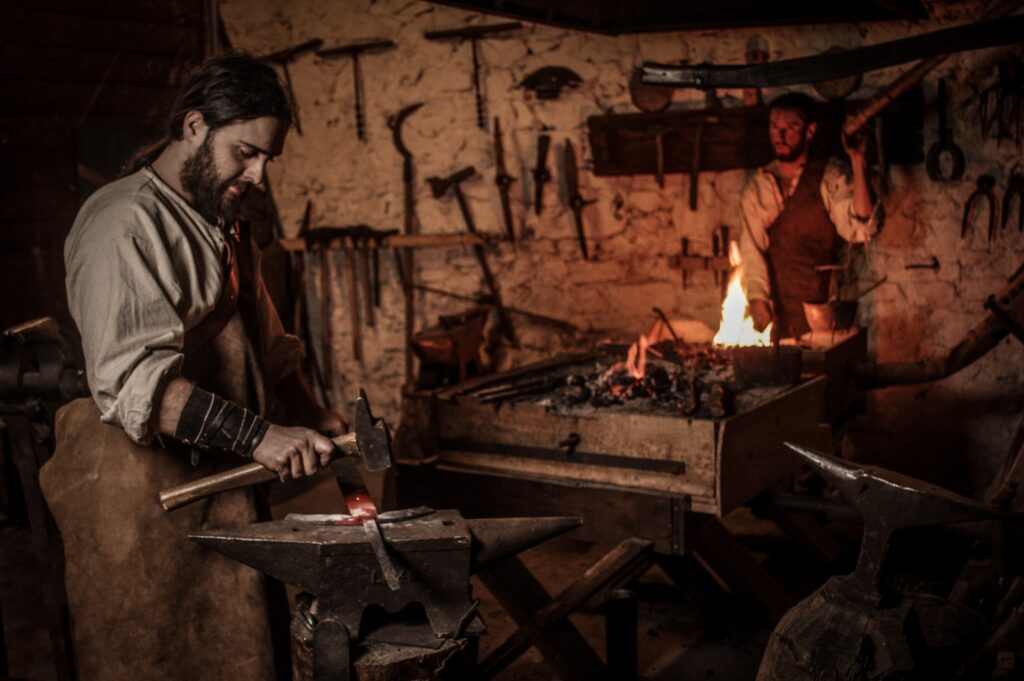
History often centers on famous heartlands like Mesopotamia or Egypt. Archaeology increasingly highlights innovation from deserts, forests, and highlands.
Peripheral regions acted as experimental zones. Techniques in metallurgy, agriculture, and trade often emerged at edges before spreading inward. Influence flowed both ways. These discoveries decentralize history, showing that creativity thrived far beyond traditional centers of power.
10. Everyday objects reveal hidden social systems.
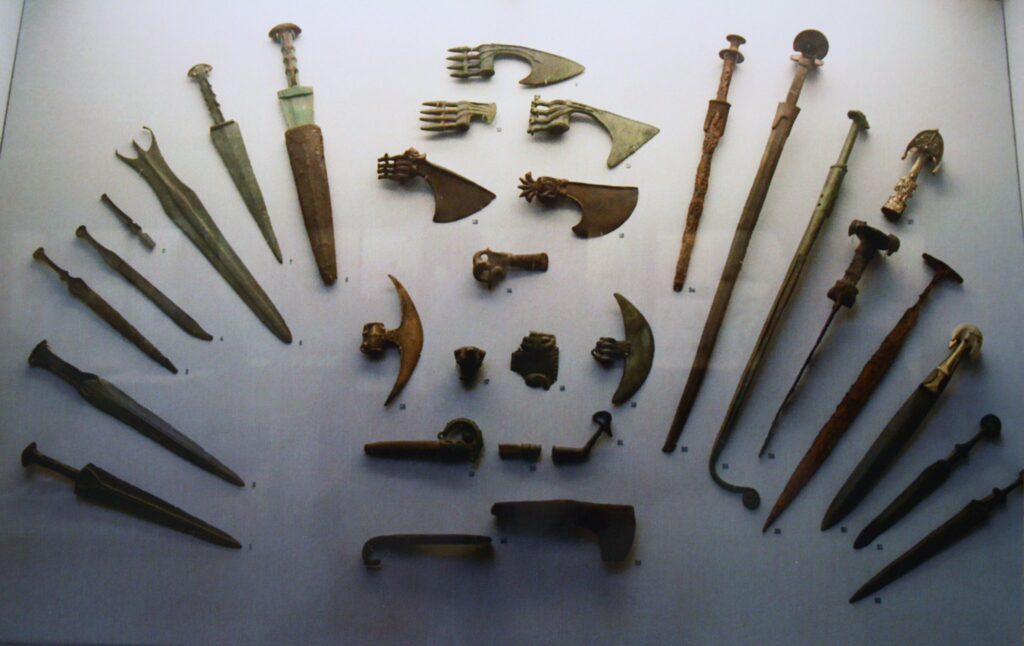
Cooking tools, clothing fragments, and house layouts provide insight into daily life. These items show how families organized labor, shared resources, and cared for one another.
Wear patterns reveal cooperation and repair rather than disposability. Archaeology now prioritizes domestic spaces, shifting focus away from elites. History becomes grounded in ordinary lives, revealing social systems built on maintenance, adaptation, and mutual dependence.
11. Climate interaction shaped culture more deeply.
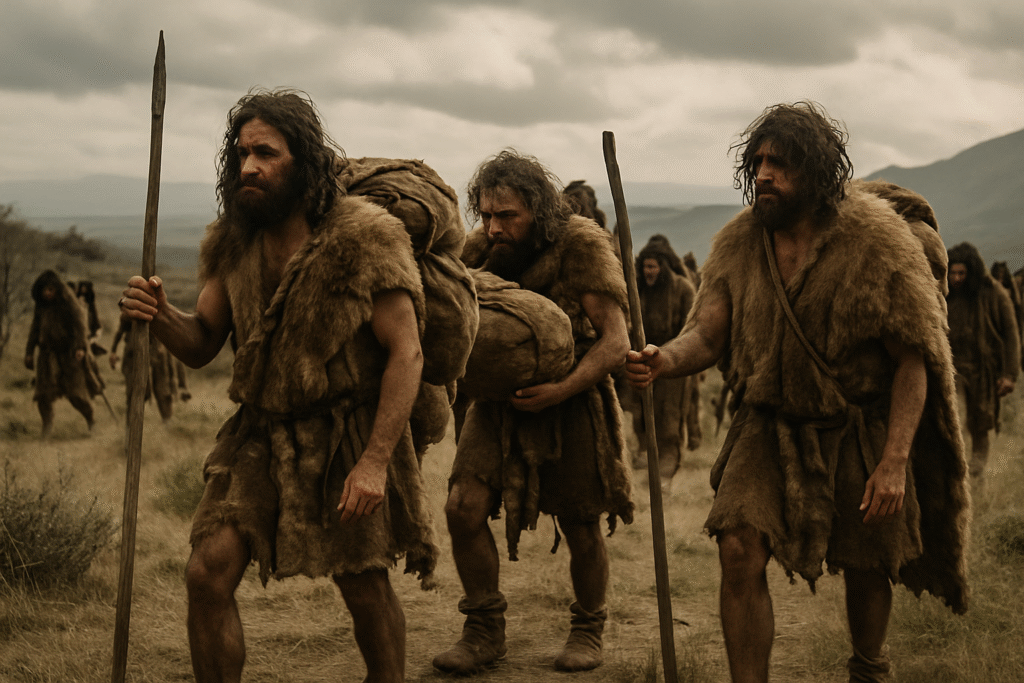
Archaeological timelines increasingly align with climate records. Shifts in settlement patterns match periods of drought, cooling, or increased rainfall.
Rather than passive victims, societies adjusted diets, tools, and trade routes. Belief systems and political structures evolved in response. Climate emerges as an active force shaping human choices, embedding environmental awareness deeply into cultural development.
12. The past is proving less linear than taught.

Perhaps the biggest shift archaeology brings is rejecting linear progress. Technologies appear, disappear, and reemerge across regions and eras.
History now resembles overlapping experiments rather than a straight path forward. Different societies solved similar problems in different ways. Archaeology shows intelligence and innovation are not modern achievements but recurring human responses that surface whenever conditions demand creativity.