
The dream changed quietly, then all at once.

For years, major cities were magnets for millennials chasing careers, culture, and belonging. Homeownership was supposed to follow once stability arrived. Instead, the opposite happened. Across the last decade, many millennials have stepped back from buying homes in the very cities they once scrambled to afford. This shift is not about disinterest or delay. It reflects lived experience colliding with economic reality. What looks like retreat is often a deliberate recalibration shaped by risk, memory, and a changing definition of security.
1. Housing prices broke the original promise.

Millennials entered cities believing persistence would eventually lead to ownership. Instead, prices accelerated faster than any reasonable savings plan could keep up with. In cities like New York, San Francisco, and Los Angeles, starter homes turned into speculative assets, not entry points. Bidding wars, waived inspections, and all cash offers became routine, not rare.
According to the Federal Reserve Bank of St. Louis, real home prices have far outpaced income growth over the past two decades. That gap changed behavior. Saving stopped feeling like progress. Ownership felt conditional on timing or luck. Many millennials did not lose interest in owning homes. They lost confidence that urban markets rewarded effort fairly.
2. Student debt quietly reshaped risk tolerance.

Student loans followed millennials well into adulthood, changing how financial decisions were made. Monthly payments reduced borrowing capacity and made lenders more cautious, especially in high cost cities where margins were already tight.
Beyond numbers, debt reshaped psychology. As reported by the Urban Institute, borrowers with student loans are significantly less likely to pursue homeownership, even at higher income levels. Taking on a mortgage in an expensive city felt like stacking long term risks rather than building stability. Many millennials chose flexibility instead, delaying ownership until debt felt manageable or choosing markets where debt did not dominate every calculation.
3. Urban homeownership lost its stability advantage.

Homeownership once promised predictability. Fixed payments and appreciation offset high upfront costs. In many cities, that promise eroded. Taxes climbed. Insurance premiums spiked. Condo fees rose unpredictably. One repair could erase months of savings.
Increased volatility in urban housing markets has been flagged in analysis, as stated by the Brookings Institution. Millennials watched friends face special assessments, stalled resales, or declining values after buying at peaks. Ownership no longer felt like a stabilizer. Renting began to look like a hedge against uncertainty rather than a temporary compromise.
4. Remote work broke the location bargain.

Cities justified their cost through proximity to opportunity. Jobs, promotions, and networks once required physical presence. When remote work expanded, that equation collapsed. Paying a premium for access stopped making sense when access moved online.
Millennials began comparing value across regions. A one bedroom apartment in Seattle could equal a mortgage in Tacoma or Phoenix. Without sacrificing careers, many realized they could buy elsewhere. Ownership did not disappear. It relocated. Cities lost their monopoly on ambition, and housing decisions followed that shift.
5. Lifestyle priorities shifted after lived experience.
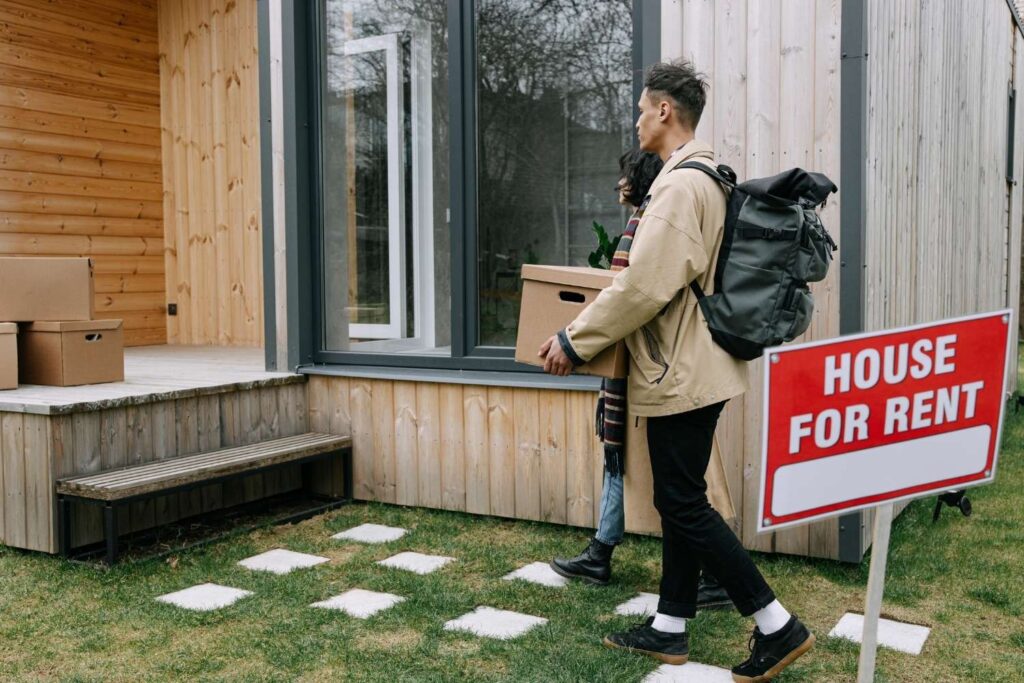
In their twenties, millennials accepted cramped apartments and noise as temporary sacrifices. By their thirties, those tradeoffs felt permanent. Daily friction accumulated. Parking battles, thin walls, and limited space drained energy rather than fueling excitement.
Ownership magnified these frustrations. Buying meant committing to layouts and neighborhoods that no longer fit evolving needs. Renting preserved exit options. Buying elsewhere offered breathing room. The city remained meaningful culturally, but less compatible with the version of life millennials wanted to sustain long term.
6. Childcare and family planning changed the equation.

When families entered the picture, urban ownership became harder to justify. Larger units carried extreme premiums. School quality varied by block. Outdoor space became a luxury line item.
In cities like Boston, Washington, and San Diego, moving from a one bedroom to family space often doubled housing costs. Childcare stacked on top. Many millennials realized the city could remain part of life without being the address. Renting longer or buying outside the core became practical responses to structural constraints, not ideological rejection.
7. Investment logic replaced emotional aspiration.

Millennials came of age during financial instability. The 2008 crash left deep impressions. Later came pandemic volatility and rapid interest rate swings. Housing no longer felt like a guaranteed path to wealth.
Instead of buying to signal arrival, many ran scenarios. They compared opportunity costs, diversified investments, and prioritized liquidity. Urban homeownership looked increasingly speculative. The decision to wait or buy elsewhere reflected caution shaped by memory, not lack of ambition.
8. Renting gained legitimacy as a long term strategy.

Renting once carried stigma. That perception faded. Modern rental buildings offered amenities, maintenance, and predictability without surprise costs. In cities, renting often delivered a better daily experience than ownership at similar price points.
Millennials also watched peers rent intentionally and invest the difference. If saving a down payment took a decade, flexibility made sense. Renting protected cash flow and preserved mobility. Ownership became optional rather than obligatory, especially where it demanded outsized sacrifice for marginal comfort.
9. Cities began catering to investors over residents.

In many urban cores, housing shifted toward investment vehicles. Condos targeted absentee owners. Short term rentals reduced supply. New developments prioritized yield over livability.
Millennials noticed neighborhoods losing permanence. When buildings felt transient and prices served investors, emotional attachment weakened. Ownership stopped feeling like belonging. Cities that once felt personal began to feel transactional. Many residents responded by withholding long term commitments and redirecting ownership plans elsewhere.
10. The definition of success quietly changed.

For previous generations, owning a city home symbolized arrival. Millennials redefined success around flexibility, autonomy, and well being. Ownership was evaluated by impact, not symbolism.
Leaving urban homeownership was not failure. It was adaptation. Cities remained important culturally and professionally, but no longer central to security. Millennials did not abandon the dream lightly. They reshaped it to fit a world where stability meant choice, not just a deed in a high cost zip code.