
Swimming struggles often begin long before water.
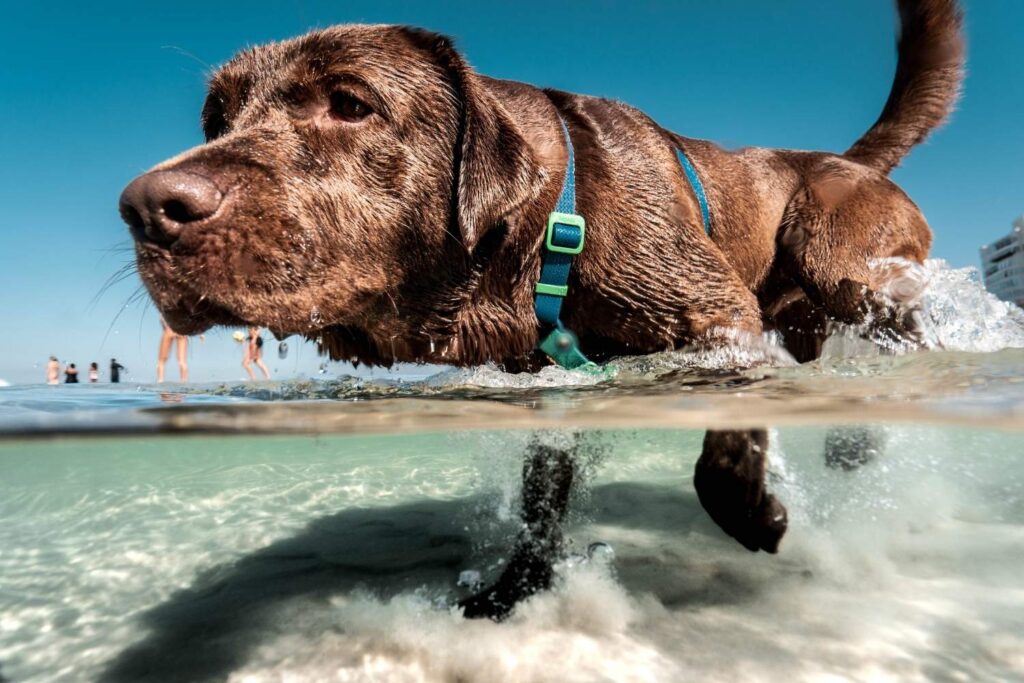
Many people assume swimming comes naturally to all dogs, but real world observations tell a different story. Across backyard pools, lakes, and beaches, some dogs freeze, flail, or refuse water entirely. This is not stubbornness or lack of intelligence. It is the result of biology, early development, and how a dog’s brain learns safety. Long before paws ever touch water, invisible factors are already shaping whether swimming feels intuitive or terrifying. Those early influences stay with dogs for life, even when owners try patiently to teach later on.
1. Early exposure windows shape how dogs interpret water.
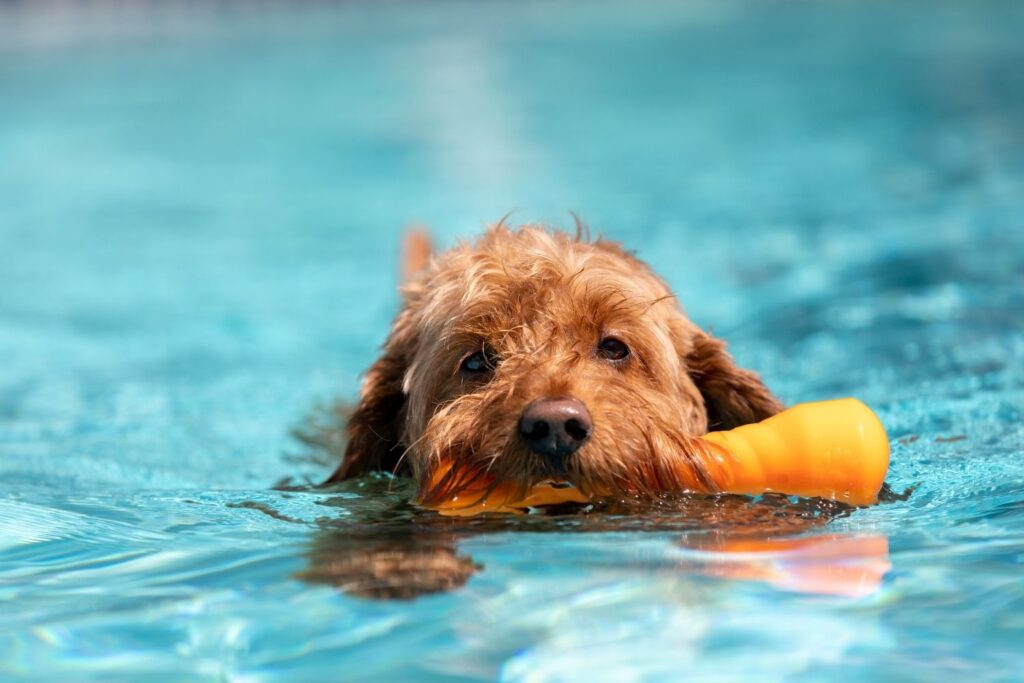
During the first weeks of life, puppies experience a brief developmental window when new sensations feel neutral instead of threatening. When gentle water exposure happens during this period, the brain files water as safe and manageable rather than alarming. Puppies allowed to explore shallow water at their own pace tend to build confidence without conscious training.
When this window closes, learning becomes harder. According to the American Veterinary Medical Association, missed early sensory exposure can permanently alter how dogs respond to unfamiliar environments, including water, increasing avoidance and fear responses later in life.
2. Body structure affects buoyancy before skill develops.
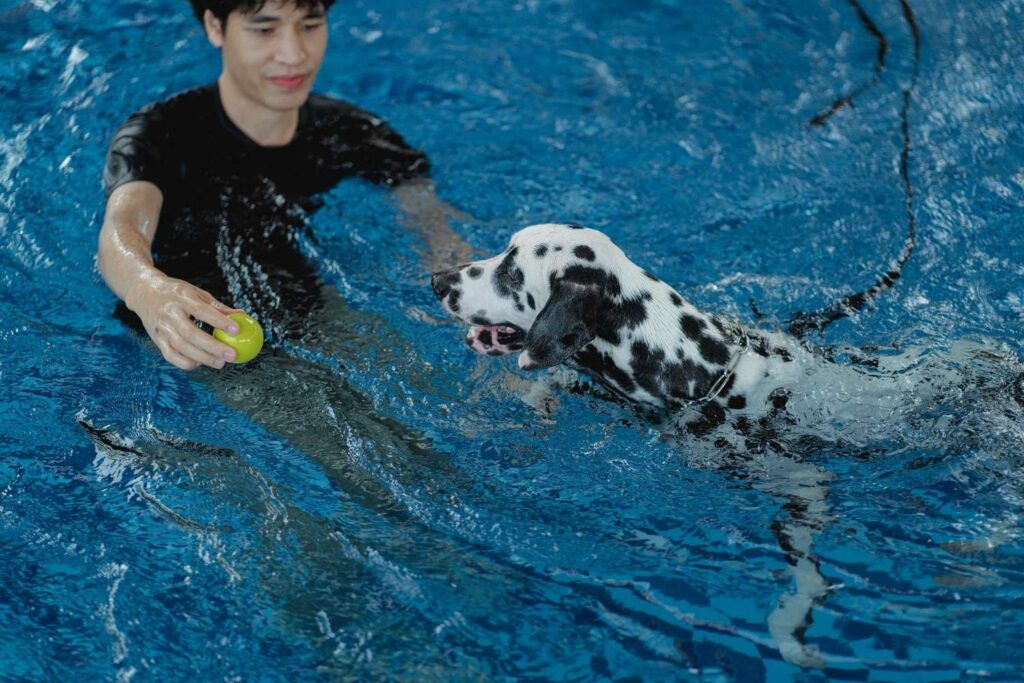
Swimming is not just instinct, it is physics. Dogs with dense muscle mass, heavy chests, or shorter legs must work harder to keep their heads above water. Before technique can develop, exhaustion may arrive first, creating panic rather than progress.
This physical disadvantage shapes learning. As reported by the University of Georgia College of Veterinary Medicine, dogs with certain conformations fatigue more quickly in water, which increases stress responses and reduces the likelihood that coordinated swimming behaviors ever stabilize naturally.
3. Breathing limitations interfere with early water tolerance.
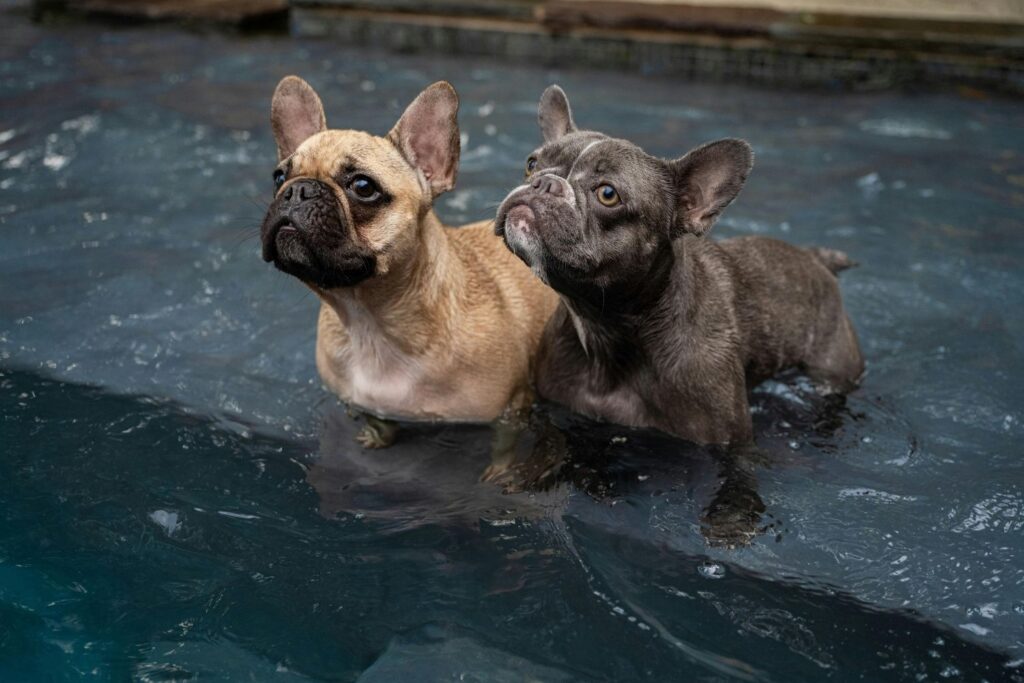
Swimming requires steady breathing under physical strain. Dogs with restricted airways, shortened muzzles, or compromised respiratory efficiency struggle to coordinate breathing while paddling. Even shallow water can feel overwhelming within seconds.
That discomfort teaches avoidance. According to the American College of Veterinary Surgeons, increased respiratory effort during exertion raises stress levels and disrupts motor coordination, making water activities unpleasant enough that natural swimming behavior never fully develops.
4. One frightening water moment can override instinct.
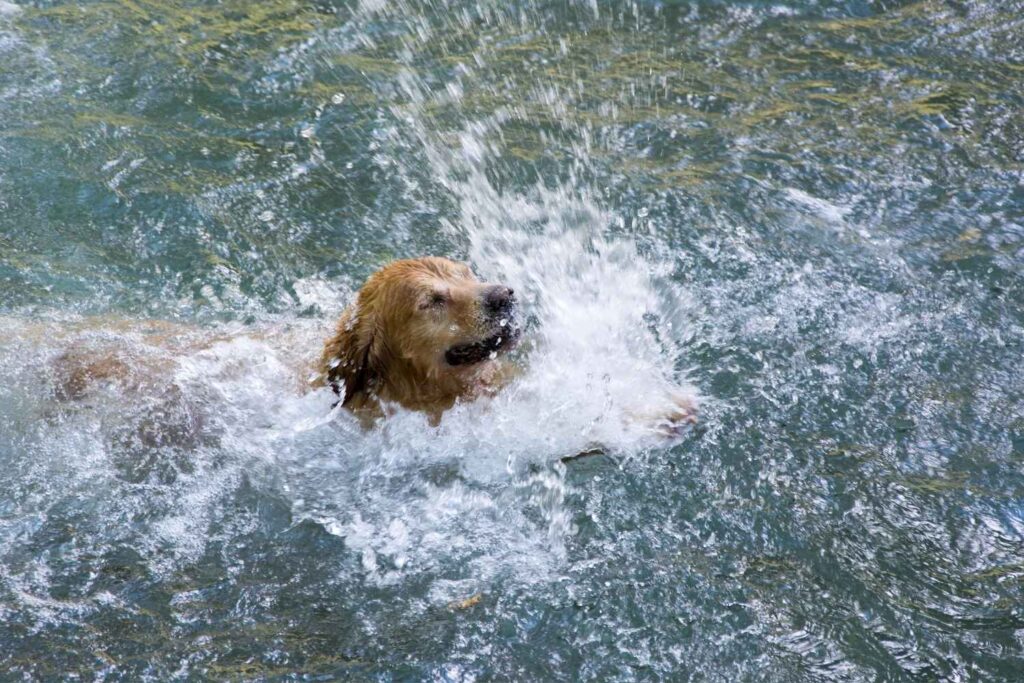
Dogs form strong memory associations around fear. A slip into deep water, swallowing water, or losing footing can imprint instantly. Once fear is stored, instinctive movement is often suppressed by survival response.
The brain prioritizes safety over exploration. Even dogs physically capable of swimming may freeze or resist because their nervous system associates water with loss of control rather than motion. That memory can last for years without careful retraining.
5. Human interference often disrupts natural learning.
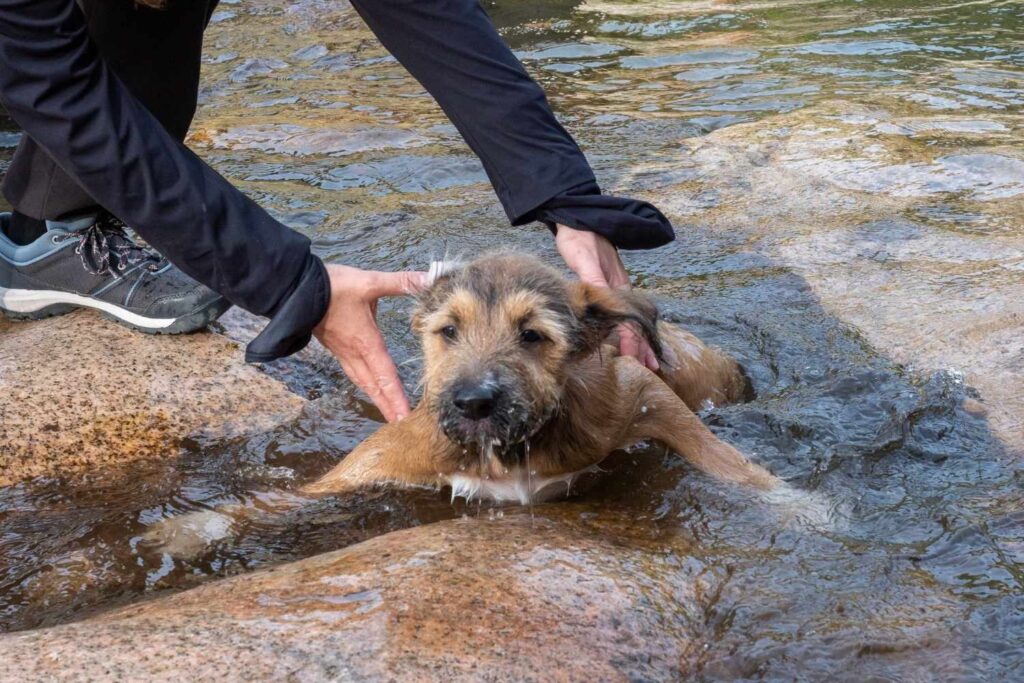
Many owners unintentionally sabotage swimming confidence by lifting dogs into water or restraining them during first exposure. This removes choice and agency, two critical components of learning safety.
Without control, dogs associate water with helplessness. Instead of experimenting with movement, they focus on escape. That early loss of autonomy can permanently block the trial and error process required for natural swimming skills to emerge.
6. Genetic history determines whether swimming instincts ever formed.
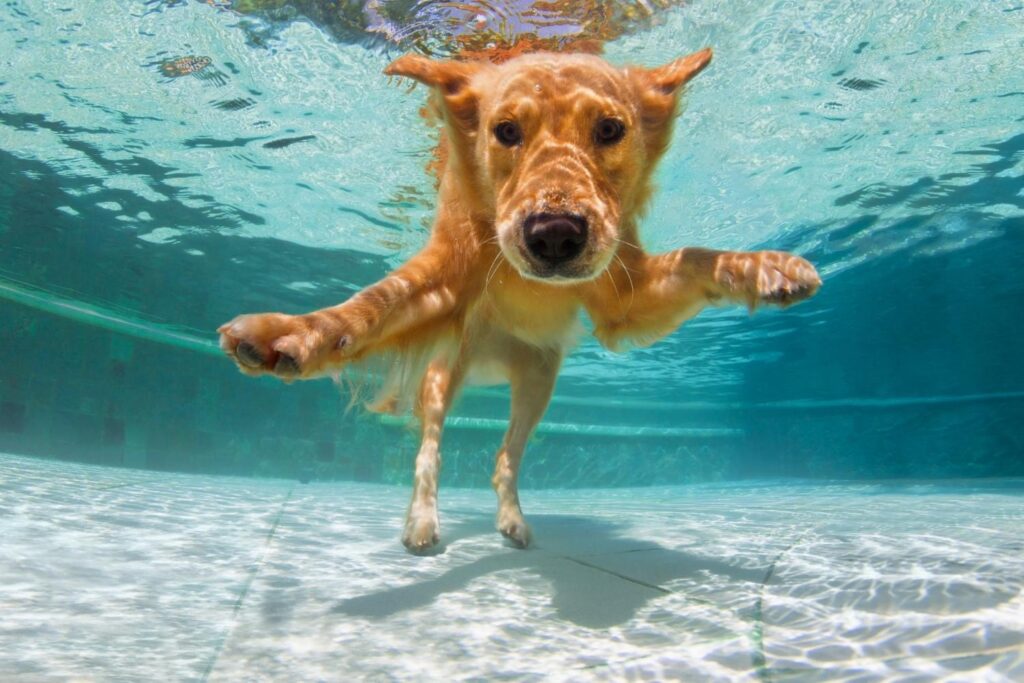
Not all dogs descend from water working lineages. Breeds developed for guarding, herding, or vermin control were never selected for aquatic problem solving. Without generational reinforcement, swimming is not encoded as a default behavior. The brain does not arrive prepared to experiment confidently in water.
Instead, learning relies entirely on experience. If early exposure is limited or stressful, no instinct fills the gap. The dog is not failing to learn, it is operating exactly as designed. Land based genetics leave water behavior optional rather than automatic.
7. Sensory overload disrupts coordination before rhythm develops.
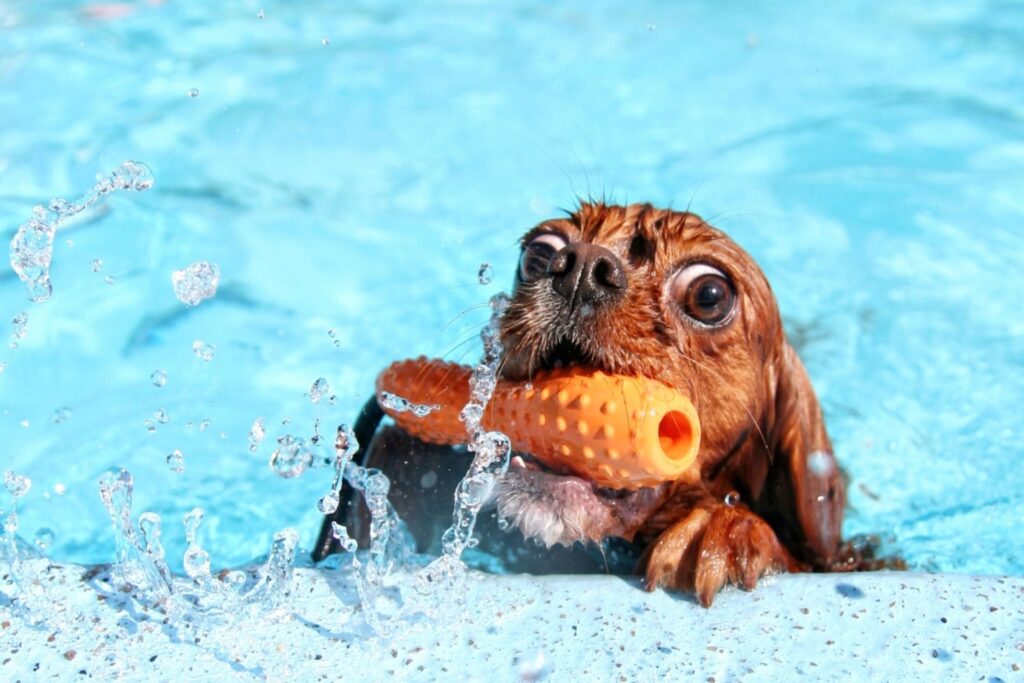
Water environments overwhelm the canine sensory system. Sound travels differently, reflections distort vision, pressure changes affect balance, and resistance alters movement feedback. For sensitive dogs, these sensations arrive all at once.
The nervous system struggles to integrate them quickly. Coordination breaks down before a swimming rhythm can stabilize. Instead of learning efficient movement, the dog experiences confusion and tension. That sensory overload teaches avoidance, preventing swimming from ever feeling natural or intuitive.
8. Muscle memory never forms without gradual resistance training.
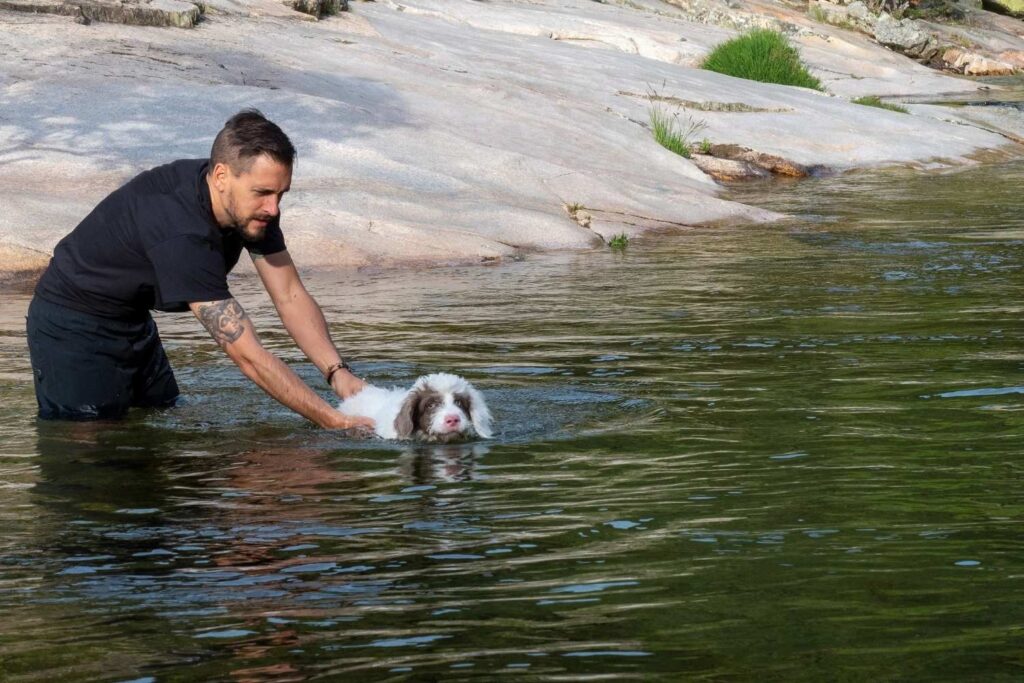
Swimming uses muscles differently than walking or running. It requires sustained resistance, bilateral coordination, and endurance. Without gradual exposure, muscles fatigue before motor patterns lock into memory.
When fatigue arrives too early, dogs associate water with exhaustion. They exit stressed rather than confident. Without repeated low intensity sessions, the brain never records swimming as manageable. Muscle memory fails to develop, leaving water movement unfamiliar despite repeated attempts.
9. Cold water triggers involuntary stress responses.
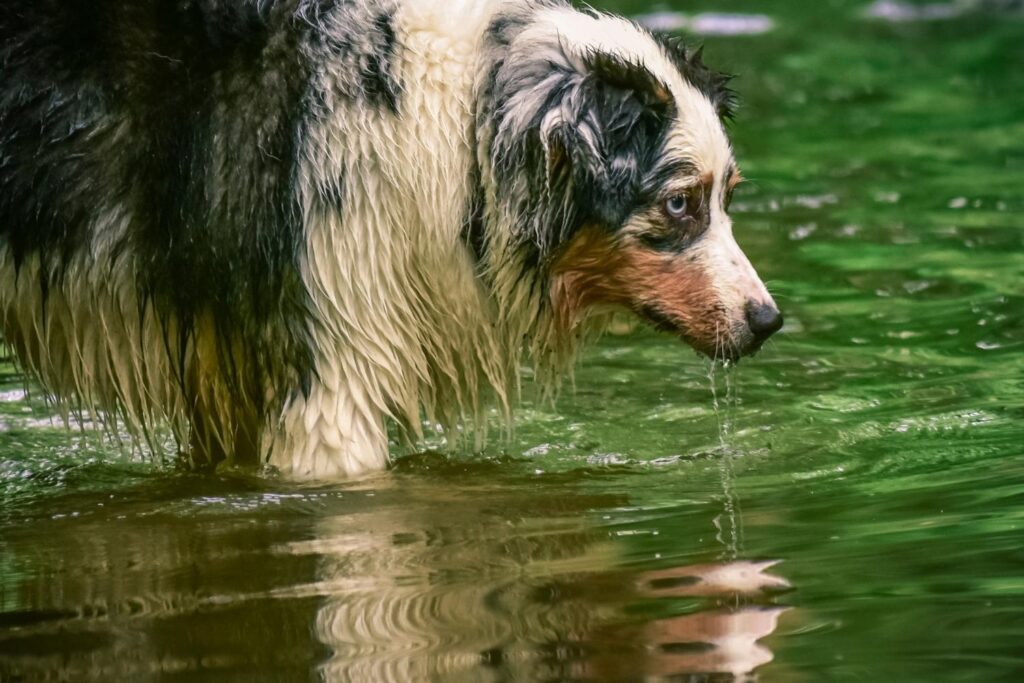
Temperature plays a major role in learning. Cold water causes rapid muscle tightening and shallow breathing, especially in smaller or lean dogs. These involuntary responses interfere with coordination almost immediately.
The dog focuses on escape rather than movement. Panic replaces experimentation. Even brief cold exposure can teach the nervous system that water equals discomfort. Once that association forms, instinctive swimming behaviors are suppressed by physiological stress responses.
10. Lack of visible exits prevents confidence from forming.
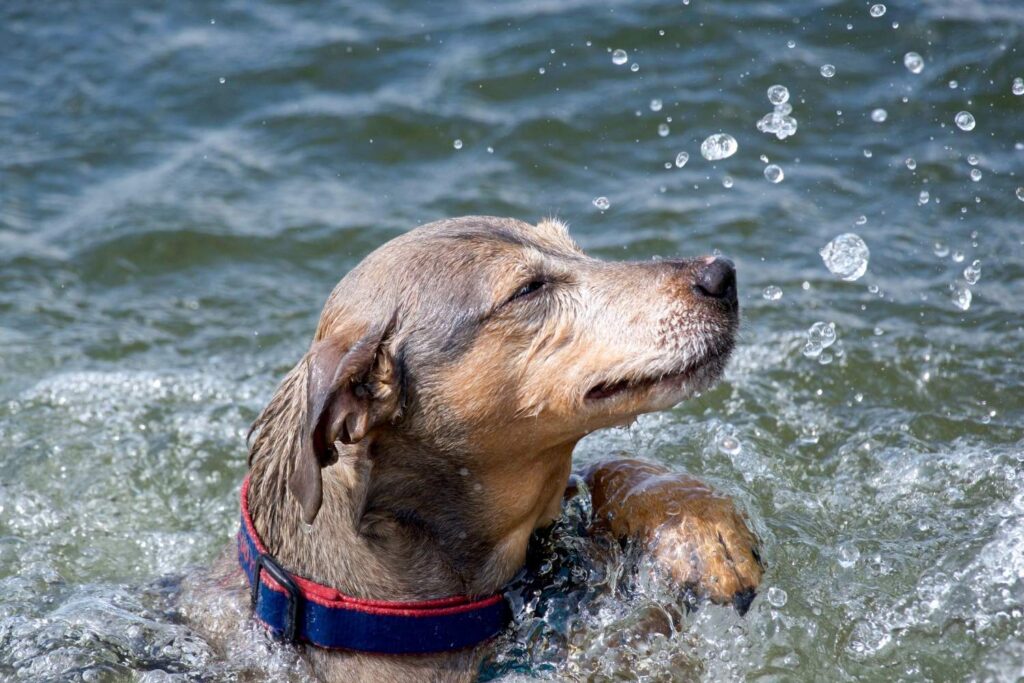
Dogs assess safety by evaluating escape routes. Pools, docks, and steep banks often hide exits or make them difficult to identify. Without a clear way out, tension remains high.
The brain stays in survival mode. Learning cannot occur under perceived entrapment. Dogs gain water confidence not from entry, but from knowing how to leave. When exits are obvious and reachable, fear drops and natural movement has space to emerge.