
One grave forced a rewrite of early domestication.
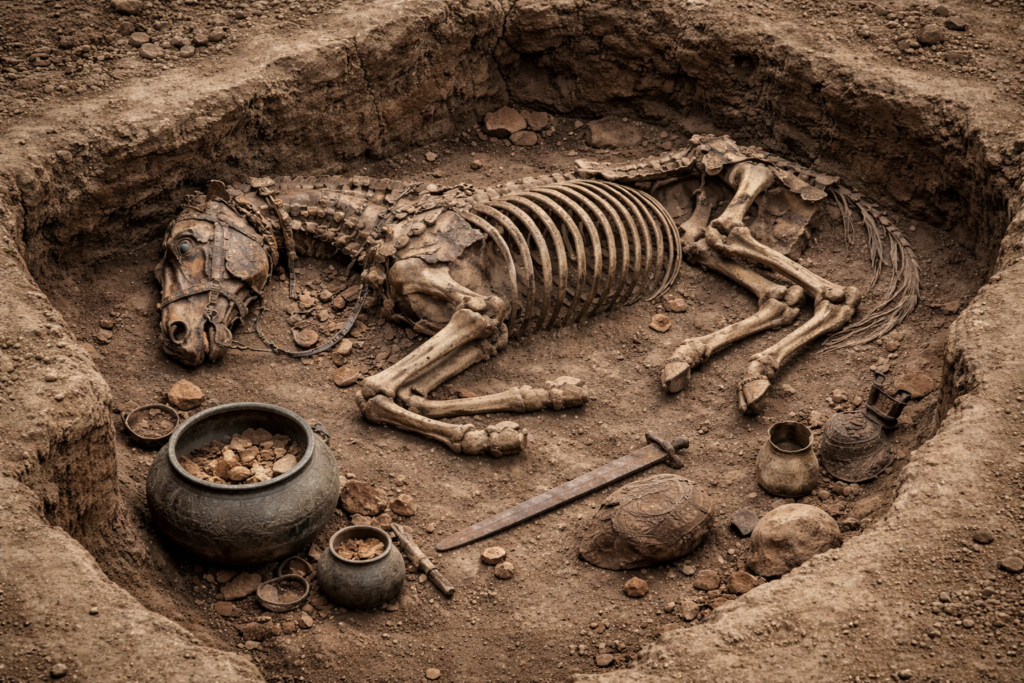
When archaeologists excavated an unusually careful horse burial on the Eurasian steppe, the discovery immediately unsettled long held assumptions. The site dated to a period when horses were thought to exist on the margins of human society, hunted or loosely tolerated but not socially valued. Instead, the animal had been placed with care, orientation, and intention normally reserved for people. The burial suggested relationship rather than utility. It raised questions archaeologists were not prepared to answer yet, about when emotional bonds, ritual meaning, and social status entered the human horse story.
1. The burial appeared far earlier than expected.
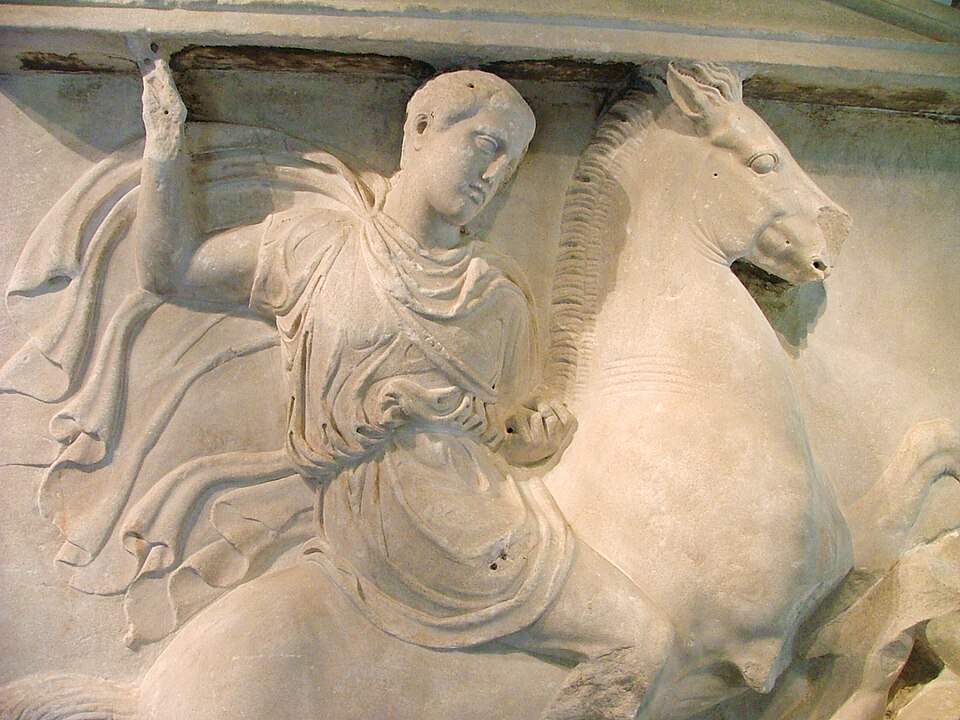
Radiocarbon dating placed the burial more than five thousand years ago, centuries before clear evidence of mounted riding or chariot warfare appears in the archaeological record. At that time, horses were assumed to be primarily wild or minimally managed.
This forced a recalibration of timelines. According to research reported by Smithsonian Magazine, archaeologists realized symbolic treatment of horses predated their widespread economic use. That meant meaning came first. Humans were not waiting for horses to become useful before valuing them. The relationship developed earlier, reshaping ideas about how domestication begins and what motivates it beyond survival.
2. The positioning showed deliberate ritual intent.
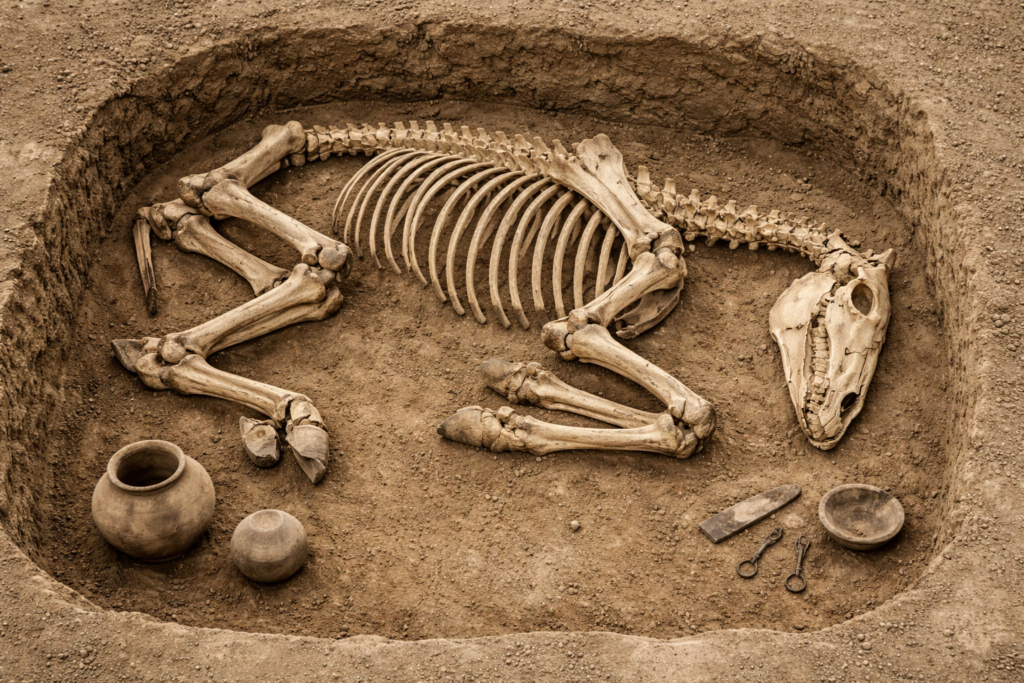
The horse was laid on its side with legs folded naturally and the skull oriented with precision. This mirrored contemporary human burials from the same culture. Such placement required time, planning, and shared understanding.
Grave context mattered. The animal was not discarded or butchered. As stated by the British Museum in comparative burial analyses, ritualized positioning signals belief rather than convenience. The horse was treated as socially significant. This challenged the assumption that animals gained ceremonial roles only after becoming indispensable labor or transport assets.
3. Isotope analysis revealed close human management.
Chemical analysis of the horse’s teeth and bones revealed dietary patterns inconsistent with wild grazing. Seasonal feeding appeared controlled, suggesting the animal relied on humans for sustenance during certain periods.
This evidence blurred the line between wild and domestic. According to findings published in Nature Ecology and Evolution, isotope signatures indicated long term human management rather than short term capture. The horse was not simply hunted and honored. It lived within a human sphere. That implies familiarity, care, and daily interaction far earlier than previously acknowledged.
4. The burial location carried social meaning.
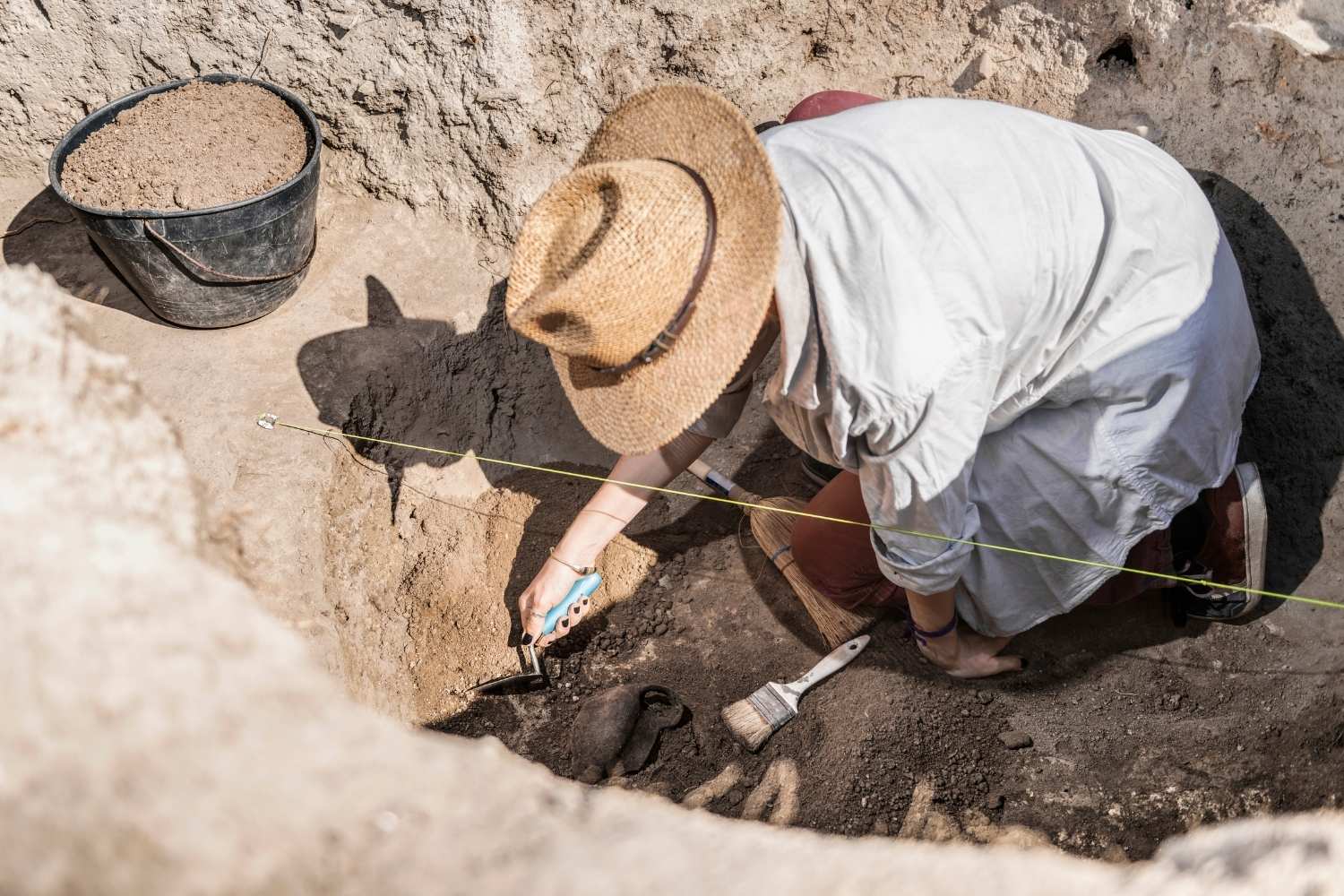
The horse was interred within a central settlement zone, not pushed to the margins. In ancient communities, spatial placement reflected status. Who or what was buried near living areas mattered deeply.
By positioning the horse among human graves, the community symbolically included it within social memory. The animal was not outside society. It belonged to it. Archaeologists began interpreting the placement as evidence that horses held collective identity value, possibly representing lineage, protection, or continuity across generations.
5. Comparable sites began to look different afterward.
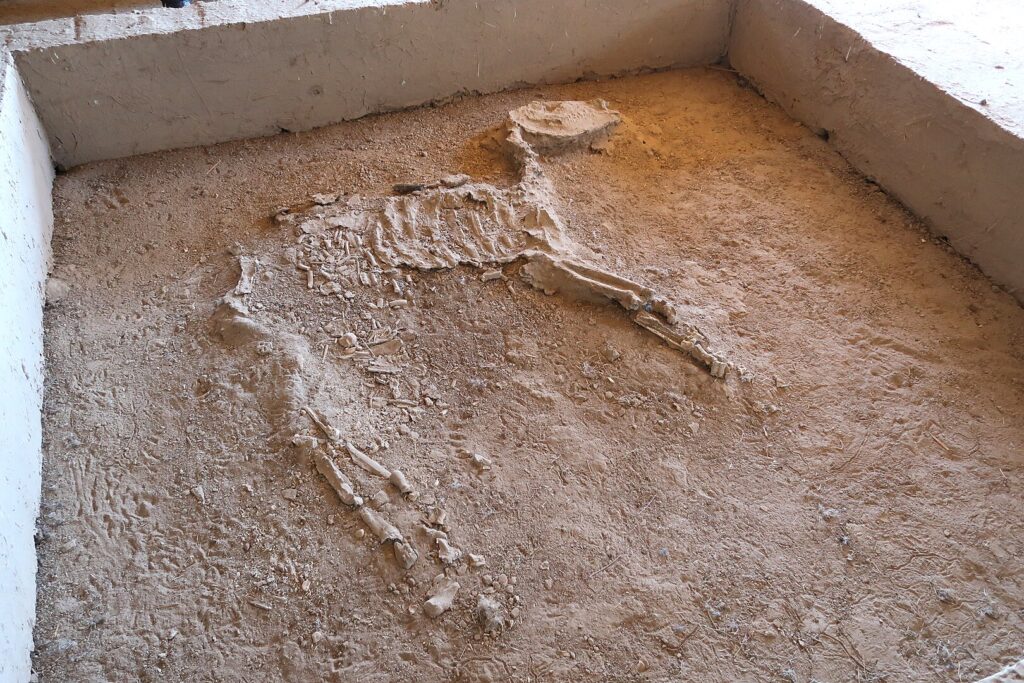
Once researchers recognized the significance of this burial, earlier excavations were revisited. Animal remains once dismissed as refuse were reexamined for orientation, articulation, and context.
Patterns emerged. Other horse burials shared similar care but had been overlooked due to prevailing assumptions. This single find reframed interpretation across regions. It demonstrated how expectation filters evidence. The data had existed for decades. The perspective had not. Archaeology shifted toward greater caution when categorizing animal remains as purely economic.
6. Domestication no longer looked purely economic.
Traditional models described domestication as a response to food scarcity or labor efficiency. This burial complicated that narrative. Symbolism, emotion, and social meaning appeared intertwined from the start.
The horse may have represented mobility potential, spiritual symbolism, or status long before pulling carts or carrying riders. Domestication emerged as a relationship shaped by trust and familiarity. Archaeologists began framing domestication as mutual adaptation rather than one sided exploitation, changing how other early human animal bonds are interpreted.
7. Social hierarchy likely influenced animal treatment.

Not every horse received this treatment. The burial implied selectivity. Certain animals were elevated beyond others. This suggests horses were linked to specific individuals or families of status.
Animal care became a marker of hierarchy. Ownership, feeding, and burial practices reflected social structure. Horses acted as extensions of human identity. Archaeologists began reading animal remains as indicators of inequality and power, revealing how social divisions were expressed symbolically long before written records documented them.
8. Ritual behavior appeared before riding technologies.
No riding equipment accompanied the burial. There were no bits, saddles, or harnesses. Yet the horse was already ritually significant.
This sequence mattered. Cultural meaning preceded technological exploitation. Humans valued horses before fully understanding how to use them. That reversed linear assumptions about progress. Emotional and symbolic bonds likely encouraged experimentation that later led to riding and transport innovations. The relationship came first. The technology followed.
9. Regional belief systems gained new depth.
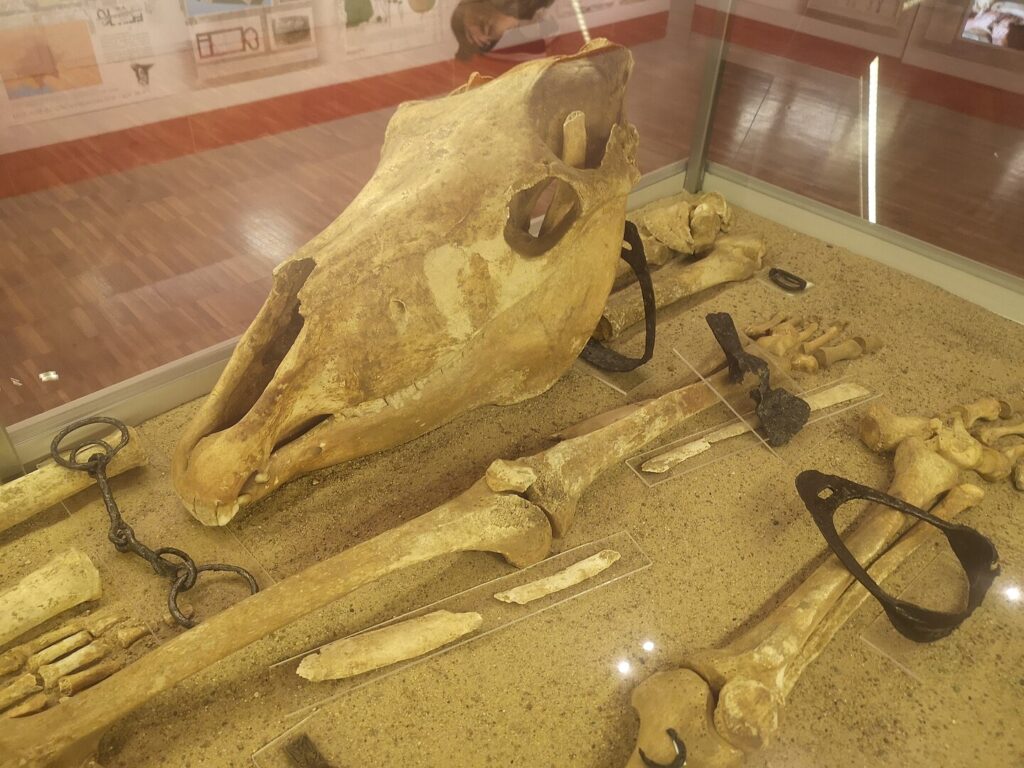
The burial’s orientation and associated objects aligned with cosmological patterns seen in nearby sites. These patterns reflected beliefs about direction, afterlife, and spiritual transition.
Horses may have served as symbolic guides or protectors. Archaeologists began integrating animal burials into interpretations of religion and worldview. The horse was not peripheral. It occupied a role within myth and ritual that shaped how communities understood death, continuity, and the unseen world.
10. Archaeology gained humility from a single grave.

Perhaps the most lasting impact was methodological. This burial exposed how easily assumptions limit interpretation. Evidence had been present but misread.
The find encouraged archaeologists to approach animal remains with greater nuance. It reinforced the idea that relationships, not just tools, leave traces in the ground. The ancient horse burial did not answer every question. It changed how questions are asked, reminding the field that the past often resists simple explanations.