
Early experience determines whether instincts stay balanced.

Aggression in dogs is rarely random or sudden. It develops when natural instincts meet unclear social rules. Some breeds were shaped to guard, control space, or make independent decisions, which means their behavior depends heavily on early exposure. When puppies miss consistent, positive interactions with people, dogs, and environments, uncertainty fills the gap. That uncertainty can harden into fear based or defensive aggression over time. These dogs are not dangerous by default. They are unfinished socially, carrying powerful instincts without the context needed to regulate them safely.
1. German Shepherds need social exposure to temper vigilance.
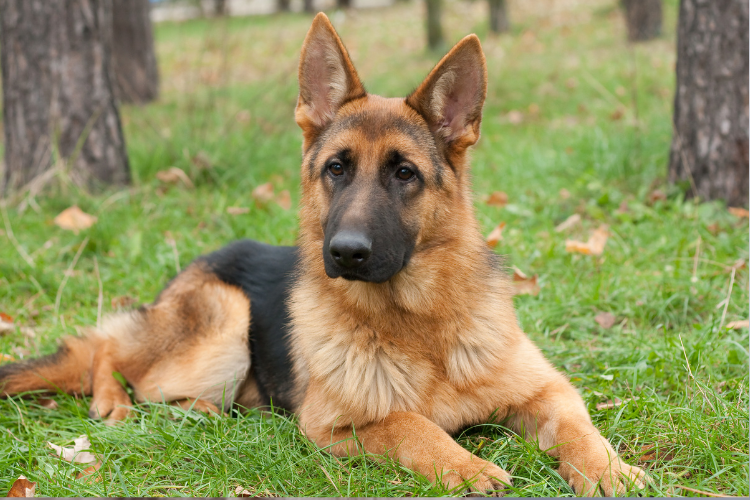
German Shepherds were bred to evaluate threats and respond decisively, which makes early social learning critical. Without exposure to strangers, other dogs, and varied environments, their alert nature can shift toward suspicion. They notice subtle cues and may interpret unfamiliar behavior as potential danger rather than neutral variation.
This tendency strengthens with age. According to the American Kennel Club, insufficient socialization in German Shepherds increases fear driven aggression, particularly toward unfamiliar people, because the dog defaults to protection when it lacks experience distinguishing normal behavior from genuine threat.
2. Rottweilers develop defensive behaviors when isolation replaces familiarity.

Rottweilers mature into confident, physically powerful dogs with strong territorial awareness. When early life lacks varied social experiences, they may rely too heavily on instinctual guarding responses. Neutral situations can feel intrusive rather than ordinary, especially when unfamiliar people enter their space.
This pattern often emerges gradually. As stated by the American Veterinary Society of Animal Behavior, limited social exposure during puppyhood increases fear based aggression in guardian breeds, where protective instincts activate without enough learned context to assess intent accurately.
3. Doberman Pinschers bond intensely and guard relationships closely.

Dobermans form deep attachments to their families and monitor social dynamics constantly. Without early positive experiences involving strangers, that loyalty can turn into defensiveness. The dog may perceive unfamiliar people as threats to its core social unit.
Aggression often develops quietly. As reported by the Centers for Disease Control and Prevention, lack of early socialization is a major contributor to defensive aggression in guarding breeds, particularly those bred to protect individuals rather than property or territory alone.
4. Cane Corsos rely on early structure to guide instincts.

Cane Corsos were bred to make independent decisions in protection roles. Without early socialization, they may default to instinct rather than learned restraint when faced with unfamiliar people or animals. Their reactions can appear sudden because evaluation happens internally and quickly.
Early exposure builds discernment. Without it, neutrality never forms. The dog reacts first, then processes later, which increases the risk of defensive aggression when uncertainty or surprise is present in everyday situations.
5. Belgian Malinois react defensively when novelty feels uncontrolled.

Belgian Malinois process movement, sound, and energy at high speed. Early socialization teaches them which stimuli are harmless. Without it, unfamiliar environments or people can trigger sharp defensive responses rooted in uncertainty rather than hostility.
Their intelligence amplifies the issue. When experience is limited, the dog fills gaps with instinct. Proper social exposure teaches discrimination, allowing the Malinois to remain composed instead of reacting aggressively to unfamiliar but non threatening situations.
6. Akitas require early tolerance training to avoid reactivity.

Akitas are independent and reserved by nature, bred to make decisions without constant human input. Without early socialization, they may struggle to interpret social cues from people or other dogs, especially during close encounters.
This uncertainty can escalate quickly. When boundaries feel crossed, the dog responds defensively. Early exposure teaches flexibility and tolerance. Without it, instinct replaces patience, increasing the risk of aggression in otherwise calm environments.
7. Chow Chows become defensive when early familiarity is missing.

Chow Chows are naturally reserved and selective with social contact. They were not bred to seek frequent interaction with strangers, which makes early exposure essential for teaching neutrality rather than suspicion. Without regular positive experiences, unfamiliar people can feel intrusive instead of ordinary, triggering defensive responses.
This aggression often appears controlled rather than explosive. The dog stiffens, withdraws, then reacts if pressure continues. Early socialization teaches tolerance and predictability. Without it, the Chow Chow relies on distance creating behaviors that escalate when avoidance fails.
8. Siberian Huskies misinterpret social pressure without guidance.
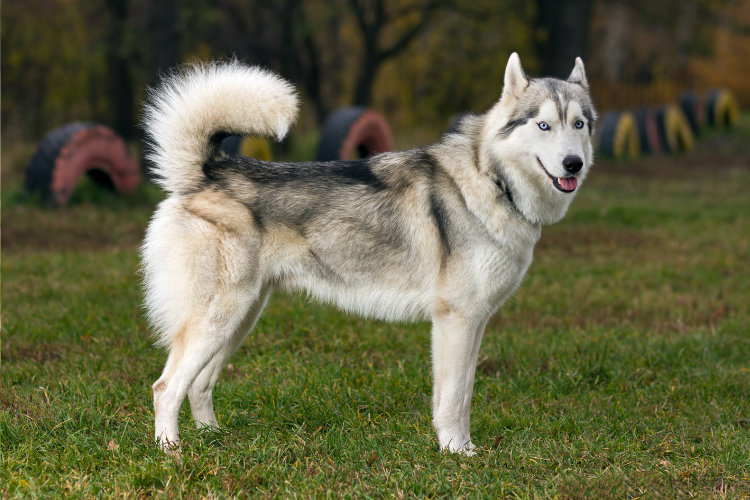
Siberian Huskies are social but not socially intuitive in human environments. They rely on learned rules to navigate restraint, handling, and crowded spaces. Without early exposure, normal interactions can feel confusing or overwhelming.
That confusion can turn reactive. Huskies may escalate quickly during play or frustration, especially when physically restrained. Socialization teaches them how to disengage instead of push back. Without those lessons, intensity replaces communication, increasing the risk of aggressive responses in everyday situations.
9. Bullmastiffs need early confidence to prevent fear responses.

Bullmastiffs were bred to stop intruders through presence and force. Without early social exposure, unfamiliar people or environments can trigger fear based aggression rather than calm assessment. Their size magnifies the impact of uncertainty.
Fear develops quietly. The dog appears calm until pressure builds. Early socialization teaches neutrality and confidence, allowing the Bullmastiff to observe rather than react. Without it, defensive aggression becomes a tool to manage discomfort.
10. Australian Cattle Dogs control space when social gaps exist.
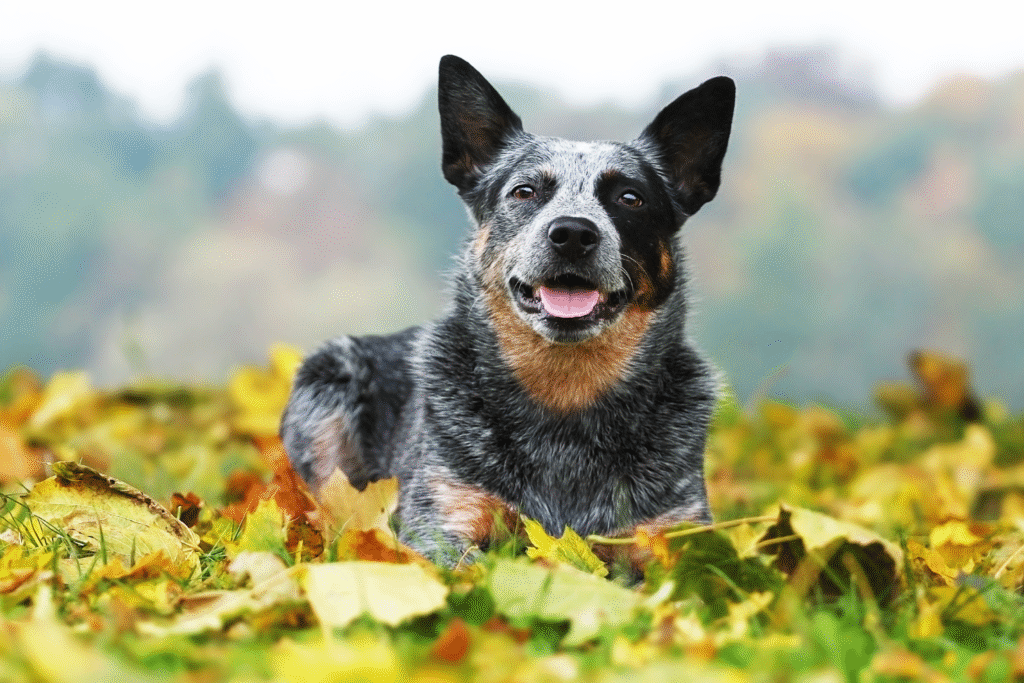
Australian Cattle Dogs are vigilant and decisive. They were bred to manage movement and enforce boundaries. Without early socialization, this instinct can redirect toward people or animals through nipping or confrontational behavior.
This is not malice. It is misplaced control. Social exposure teaches cooperation instead of enforcement. When those lessons are missing, the dog fills the gap with assertive behaviors that escalate into aggression under stress.
11. Jack Russell Terriers escalate quickly without impulse training.
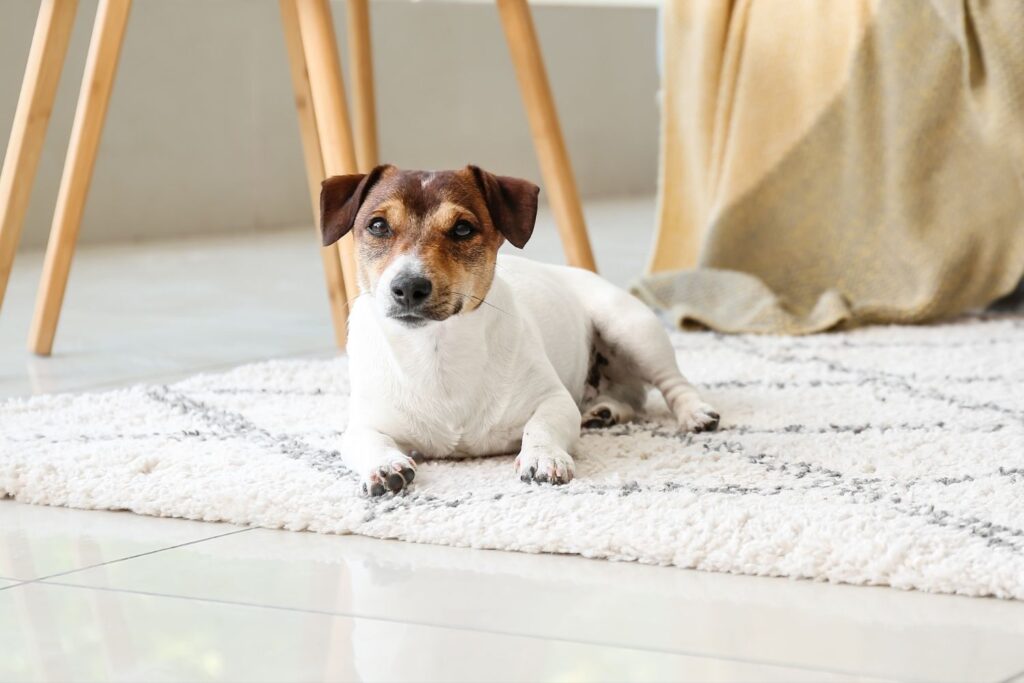
Jack Russell Terriers are confident, energetic, and persistent. Without early socialization, their intensity can spill into aggression during frustration, handling, or restraint. They react fast and recover slowly when overwhelmed.
Social learning teaches pause and flexibility. Without it, confrontation replaces communication. Early exposure helps channel boldness into play instead of challenge, reducing the likelihood of aggressive responses when boundaries are tested.
12. Shar Pei dogs rely on familiarity to feel secure.

Shar Pei dogs are naturally reserved and self contained. Without early social exposure, unfamiliar people or dogs can trigger defensive aggression rooted in discomfort rather than dominance. Their limited facial signaling can worsen misunderstandings.
Socialization builds trust. When absent, the dog chooses force to maintain distance. Early positive interactions teach avoidance and tolerance, allowing the Shar Pei to remain calm instead of reactive when facing unfamiliar social situations.