
What begins outdoors often follows cats inside.

Across North America, veterinarians continue to see a deadly pattern repeat itself in both feral colonies and family homes. Outdoor cats encounter a virus that is fast, durable, and devastating, then unknowingly carry it back indoors on fur, paws, or shared spaces. The danger is not limited to roaming cats. Indoor cats can be exposed without ever stepping outside. Understanding how this virus moves, survives, and infects helps explain why outbreaks still occur in clean homes and why prevention depends on more than keeping doors closed.
1. Feline panleukopenia spreads faster than most owners expect.
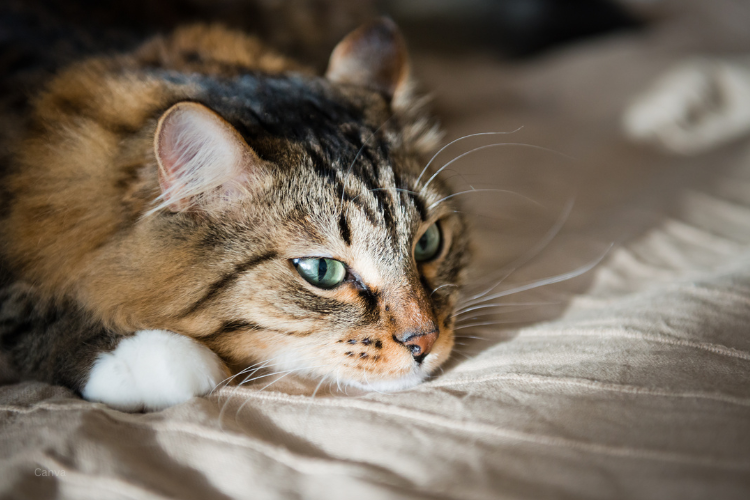
Feline panleukopenia is one of the most contagious viruses affecting cats worldwide. It spreads through direct contact with bodily fluids, contaminated surfaces, soil, and even clothing. Outdoor cats encounter it near food bowls, shelters, and shared spaces where infected animals have passed.
Once exposed, cats can shed the virus before symptoms appear. According to the Cornell Feline Health Center, the virus survives for months in the environment, making indirect transmission into homes common even when cats never interact directly.
2. The virus survives indoors despite routine household cleaning.
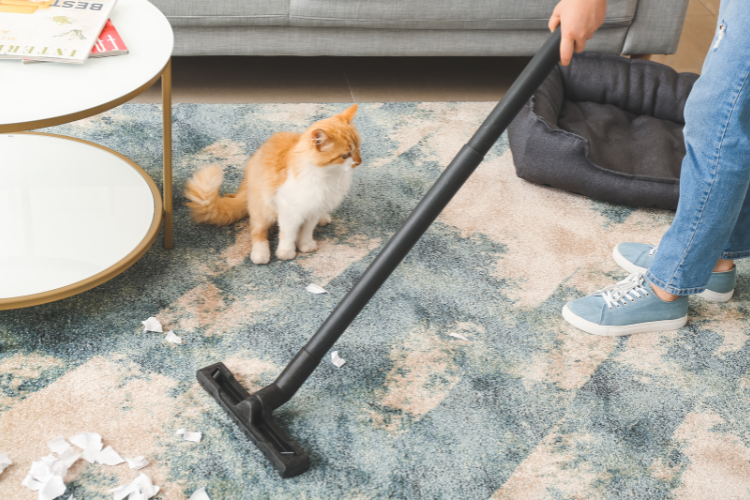
Panleukopenia is resistant to many standard disinfectants used in homes. Vacuuming, mopping, and surface sprays often fail to neutralize it. The virus can persist on floors, furniture, shoes, and pet carriers long after exposure occurs.
This durability increases indoor risk. As stated by the Merck Veterinary Manual, feline parvovirus remains infectious on surfaces for extended periods unless specific disinfectants are used, allowing accidental transfer into households with indoor only cats.
3. Outdoor cats often show symptoms only after spreading infection.
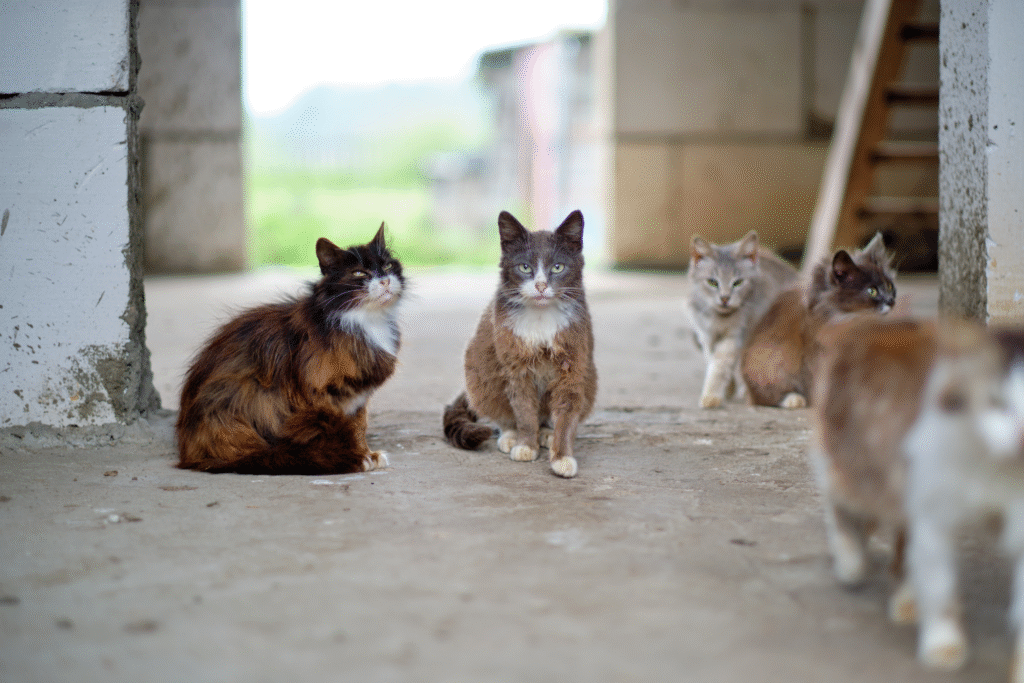
Many cats appear normal during the early stages of infection. They continue eating, roaming, and interacting while shedding large amounts of virus into the environment. By the time symptoms emerge, exposure has already occurred.
This delay complicates prevention. According to the ASPCA, infected cats may transmit panleukopenia days before visible illness, which explains why indoor cats sometimes fall sick despite limited contact with visibly ill animals.
4. Shoes and hands commonly transport the virus indoors.
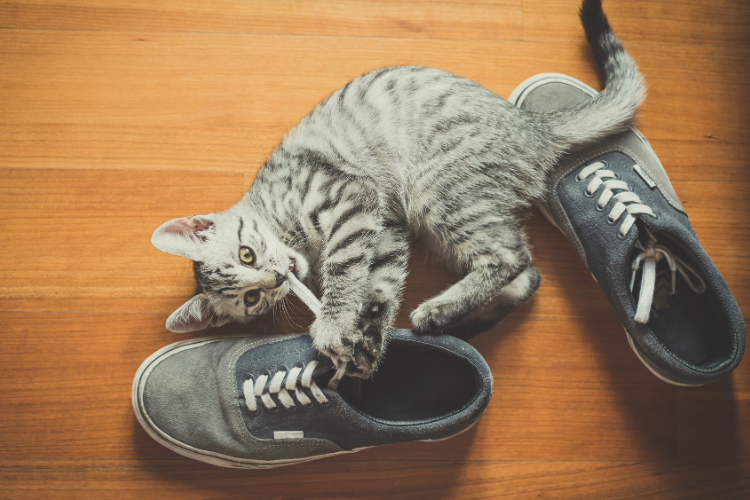
Humans play an unintentional role in transmission. The virus clings to footwear, clothing fibers, and hands after contact with contaminated ground or surfaces. A brief walk through an outdoor area is enough to bring it inside.
Once indoors, the virus transfers easily to floors and objects. Cats investigating new scents unknowingly expose themselves. This pathway explains infections in homes without outdoor cats or recent visitors bringing animals inside.
5. Kittens face the highest fatality rates.
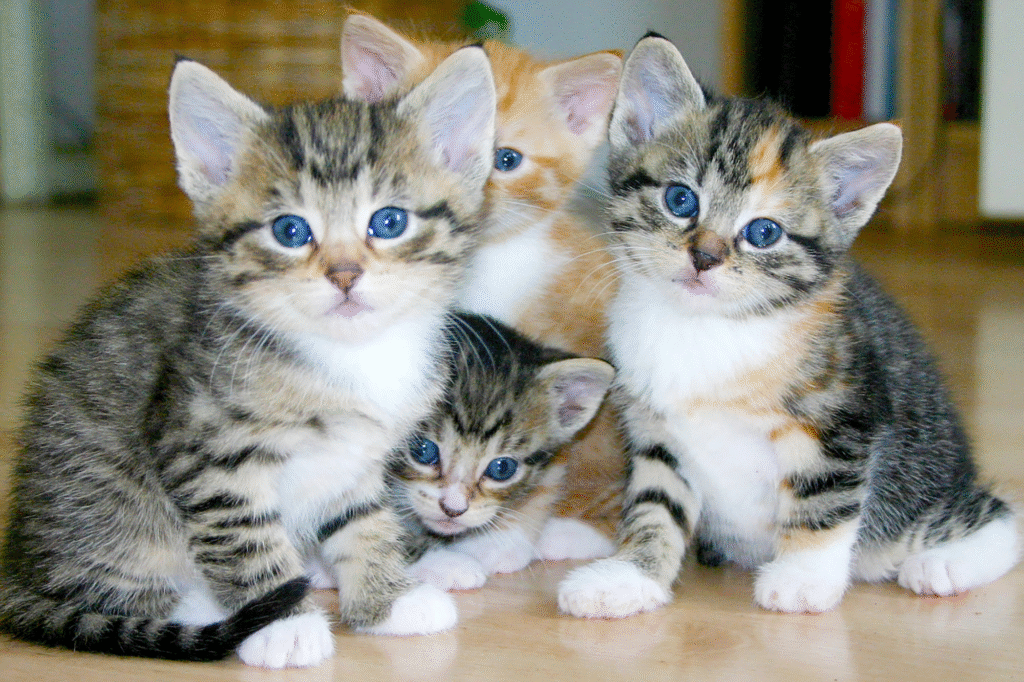
Young kittens are especially vulnerable because their immune systems are still developing. Infection often leads to sudden vomiting, diarrhea, dehydration, and rapid decline. Mortality rates remain high without immediate veterinary care.
Even with treatment, survival is uncertain. Kittens exposed through indirect household contact may become critically ill within days, making early prevention far more effective than emergency intervention once symptoms begin.
6. Adult cats can carry the virus without severe illness.

Some adult cats survive infection with mild symptoms or none at all. These cats still shed the virus, contaminating environments shared with other cats. Their apparent health creates a false sense of safety.
This carrier dynamic fuels outbreaks. A single adult cat can expose multiple animals over time, especially in multi cat homes where shared litter boxes and feeding areas accelerate transmission.
7. Vaccination timing determines household protection.
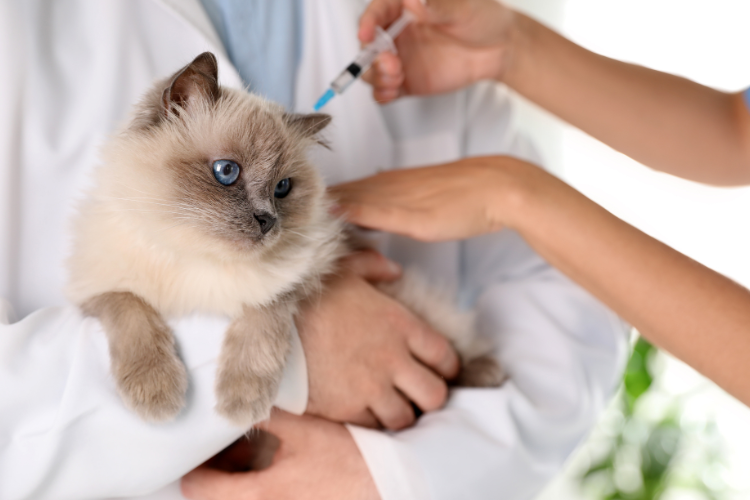
Vaccination provides strong protection, but only when properly timed. Kittens require a series of vaccines to build immunity. Gaps in scheduling leave windows of vulnerability where exposure can become fatal.
Adult cats also need boosters. Lapses increase risk even for indoor cats. Vaccination remains the most reliable defense against severe disease, particularly in homes where exposure pathways are difficult to control fully.
8. Shelters and rescue transfers increase exposure risk.

Cats adopted from shelters or rescue situations face higher exposure rates due to close quarters and shared spaces. Even healthy appearing cats may carry viral particles on fur or belongings.
Bringing a new cat home without quarantine can introduce the virus. Isolation periods help reduce risk, especially in homes with unvaccinated or immunocompromised cats already present.
9. Indoor only status does not guarantee safety.

Many owners believe keeping cats indoors eliminates viral risk. Panleukopenia challenges that assumption. Environmental persistence and indirect transmission bypass physical barriers.
True protection combines vaccination, hygiene awareness, and caution after outdoor exposure. Understanding how the virus moves explains why outbreaks still occur in well cared for homes and why prevention requires layered defenses rather than a single rule.