
Hydration habits reveal instincts cats never lost.
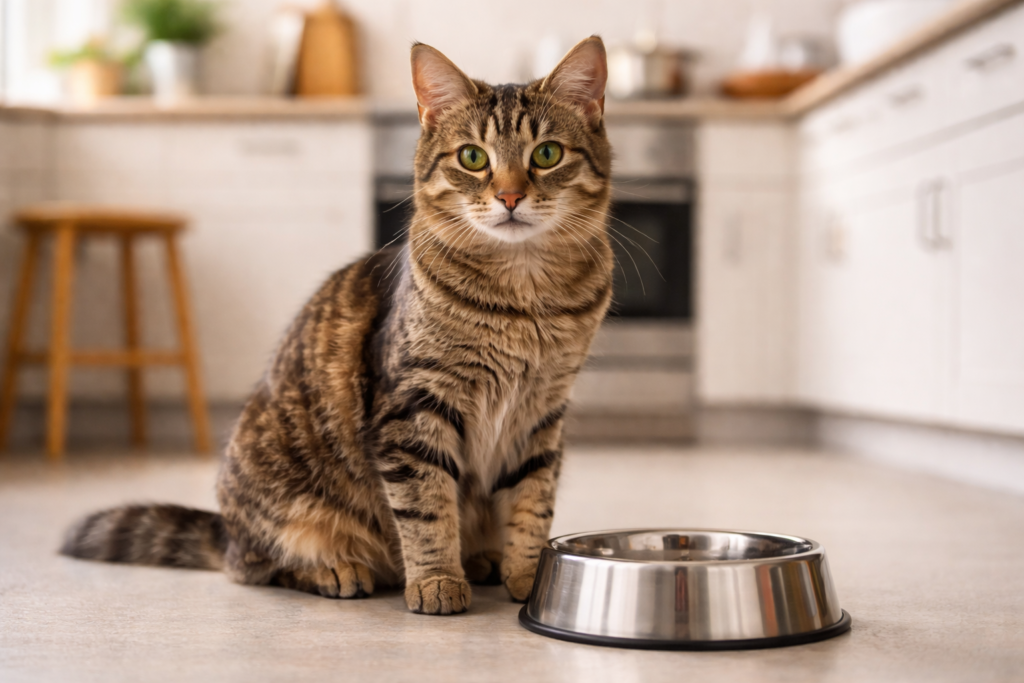
Across homes in North America, many cats ignore fresh water placed carefully in bowls yet seek out sinks, bathtubs, or dripping faucets. This behavior often confuses owners because it appears illogical or picky. In reality, it reflects ancient survival instincts layered with modern sensory challenges. Cats evolved in environments where water safety mattered, and their brains still evaluate hydration sources using cues humans rarely notice. Vision, smell, whisker input, and perceived vulnerability all influence whether a cat trusts a bowl enough to drink from it.
1. Still water signals potential danger to cats.
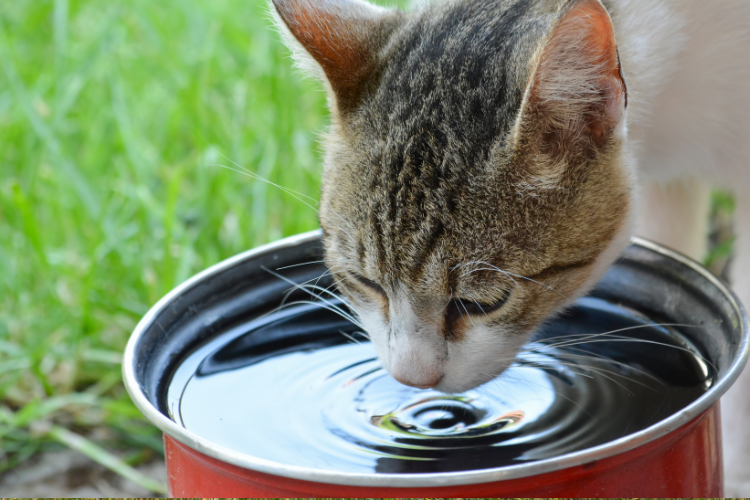
In natural environments, stagnant water posed serious health risks. Parasites, bacteria, and toxins accumulated more often in still pools than in moving streams. Cats that avoided motionless water were more likely to survive, and that preference became hardwired over generations. Even indoors, a perfectly clean bowl can trigger the same instinctive caution.
This hesitation is not conscious. The cat’s brain reads stillness as uncertainty rather than refreshment. According to the Cornell Feline Health Center, domestic cats retain a biological preference for moving water because it historically indicated freshness and lower contamination risk, making bowl refusal an inherited survival response rather than learned stubbornness.
2. Bowl placement makes cats feel physically vulnerable.
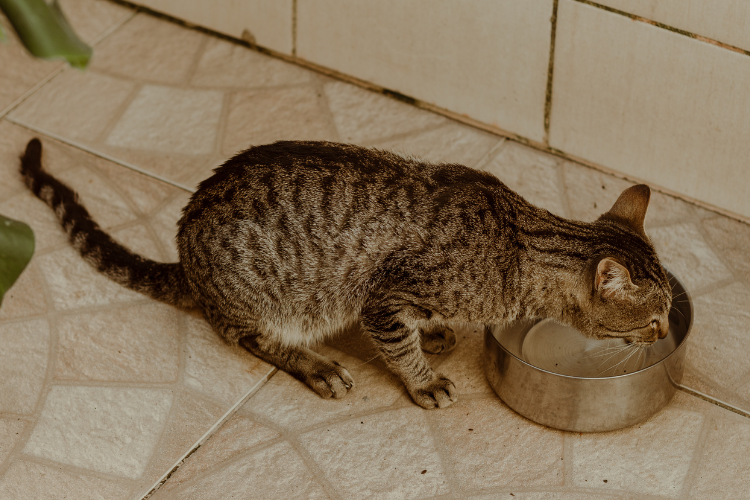
Cats only drink when they feel safe enough to lower their heads and focus inward. Bowls placed against walls, in corners, or near foot traffic restrict a cat’s ability to monitor surroundings. While drinking, their vision narrows and reaction time slows, increasing perceived vulnerability.
This tension overrides thirst. The cat may approach, pause, then retreat without drinking. As stated by the American Association of Feline Practitioners, cats prefer water sources positioned where they can maintain a clear field of view, allowing them to drink without feeling exposed to sudden threats from behind or the side.
3. Reflections confuse depth perception and trust.
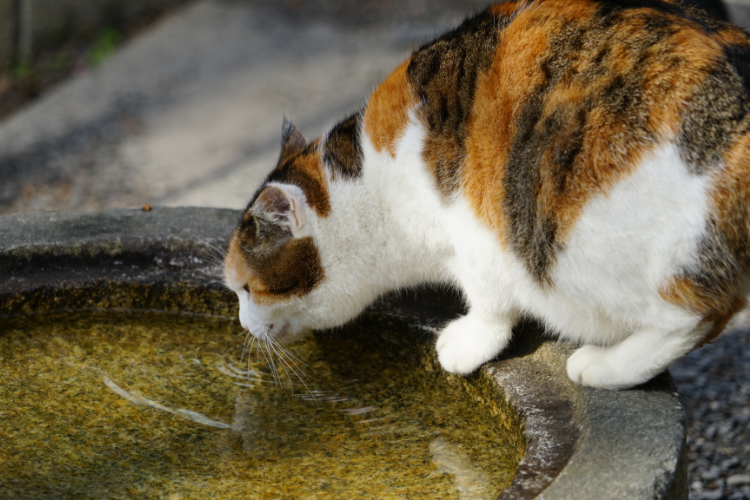
Cats rely heavily on visual cues to judge distance and depth. Smooth water surfaces reflect light and surrounding objects, distorting where the water line actually sits. This can make drinking feel uncertain, especially in bright rooms or near windows.
Some cats compensate by dipping a paw first. Others avoid the bowl entirely. According to findings published in the Journal of Feline Medicine and Surgery, reflective water surfaces can disrupt visual processing, discouraging direct drinking, particularly in cats with heightened sensory sensitivity or early age related vision changes.
4. Whisker overstimulation makes bowls uncomfortable.
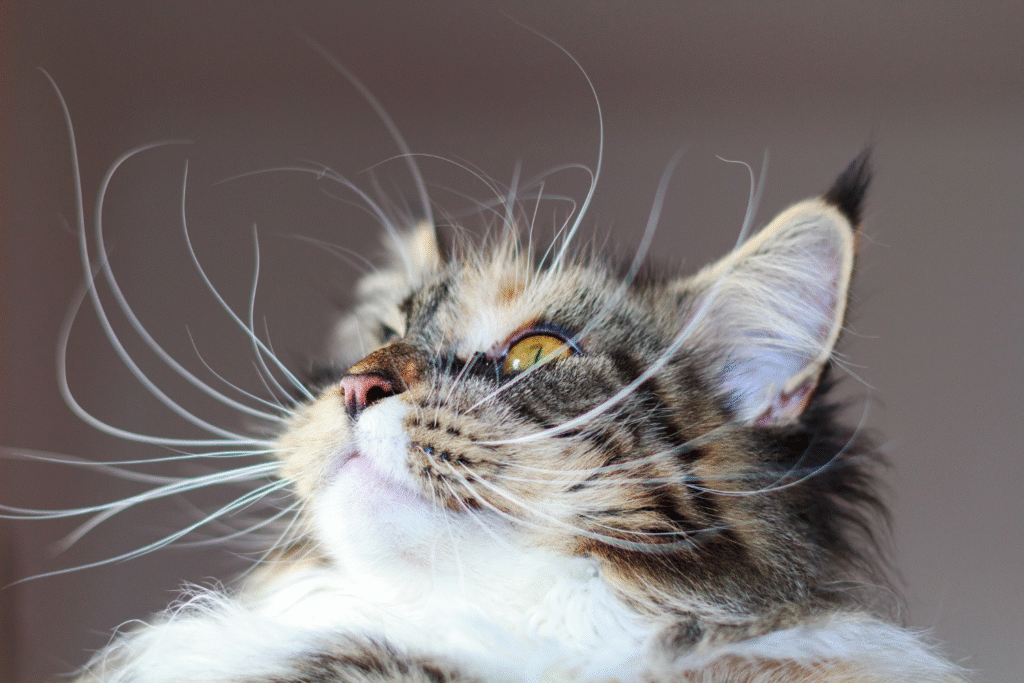
A cat’s whiskers are densely packed sensory organs that constantly send information to the brain. When bowls are narrow or deep, whiskers brush the sides repeatedly during drinking. This creates continuous stimulation that feels irritating or overwhelming rather than neutral.
Over time, discomfort builds association. The cat may drink briefly, then stop before satisfying thirst. Eventually, the bowl itself becomes linked with sensory stress. This phenomenon explains why some cats prefer wide, shallow dishes or avoid bowls entirely in favor of open water sources.
5. Odors trapped in bowls signal contamination risk.
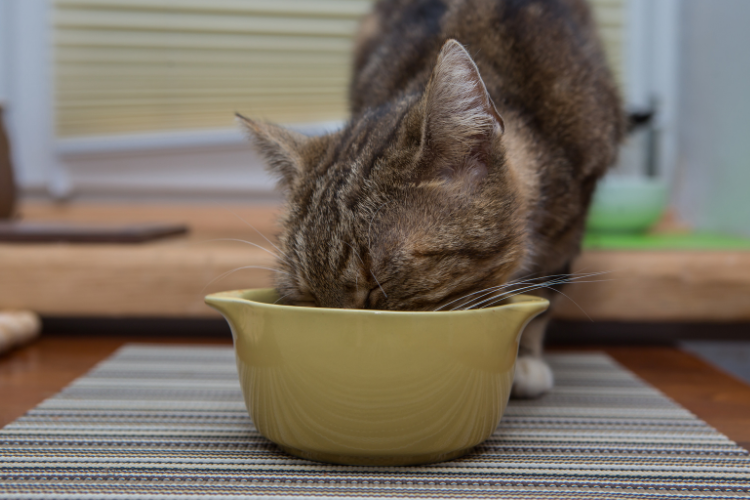
Cats possess an acute sense of smell that far exceeds human detection. Plastic bowls, and even some metal ones, absorb residues from food, soap, or minerals in water. These lingering odors signal contamination to a cat, even when the bowl appears spotless.
A scent humans cannot detect may register as unsafe. The cat refuses to drink, not from fussiness, but from self protection. Replacing bowls or changing materials often resolves the issue, confirming that olfactory cues play a central role in hydration trust.
6. Drinking near food violates deep rooted hygiene instincts.
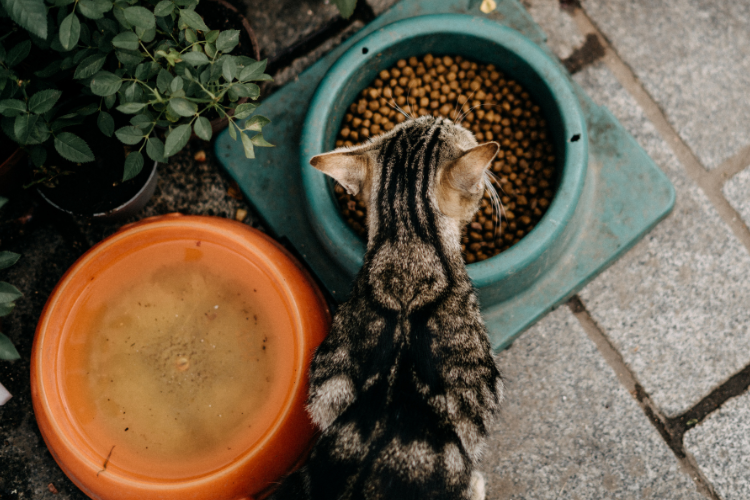
In natural settings, cats instinctively separate food and water sources. Prey remains near water increase contamination risk, so evolution favored individuals who drank away from feeding sites. When bowls are placed beside food dishes, the brain reads the setup as unsafe even in clean homes.
The result is quiet refusal. The cat may eat normally yet ignore water completely. This behavior is not habit based. It reflects an ancient survival rule still active in domestic cats. Moving the water bowl to a separate location often restores drinking without changing bowl type, water freshness, or schedule.
7. Environmental noise and vibration interrupt focus while drinking.
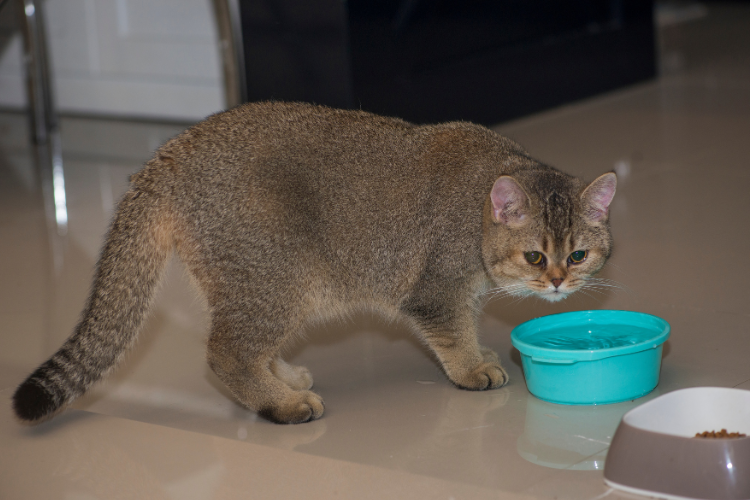
Cats require a sense of calm to drink comfortably. Appliances, foot traffic, HVAC systems, or nearby electronics create low level vibrations and sounds that humans tune out but cats register clearly. While drinking, cats are stationary and vulnerable, which heightens sensitivity to these disturbances.
A bowl near a refrigerator or hallway may feel unsafe. The cat approaches, then withdraws repeatedly. Over time, the location itself becomes associated with discomfort. Cats often choose alternative water sources in quieter rooms, reinforcing that environmental stability matters as much as water quality.
8. Negative experiences create long lasting avoidance memory.

Cats form strong contextual memories. A single unpleasant event involving a water bowl can shape future behavior. A bowl that slid unexpectedly, a sudden noise, or a startling reflection can mark that location or object as unsafe.
Once avoidance forms, it persists. The cat does not reassess each time. Memory overrides logic. Simply refilling or cleaning the bowl rarely helps. Changing the environment or introducing a new water source elsewhere is often necessary to rebuild trust and allow drinking to resume naturally.
9. Flowing water matches instinctive hydration cues.
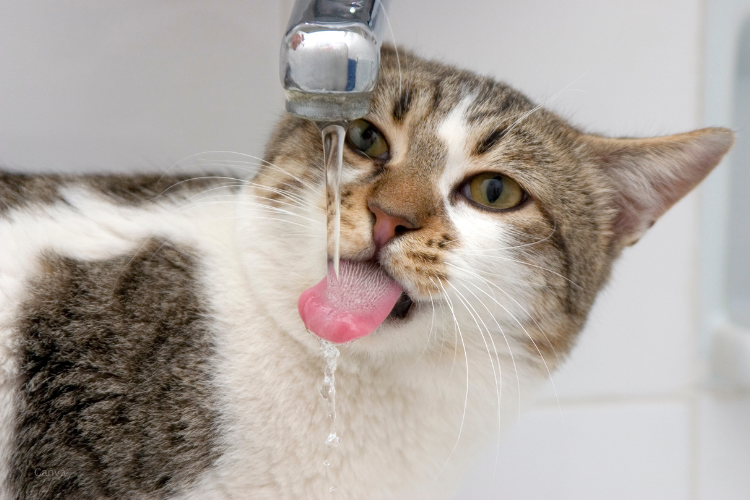
Moving water signals freshness, oxygenation, and safety to a cat’s brain. Fountains, dripping taps, and running sinks activate hydration instincts shaped over thousands of years. The sound and motion reassure rather than alarm.
Cats drawn to faucets are not being playful. They are responding to biological cues. Flow removes uncertainty around water quality and depth. This explains why many cats drink more consistently from fountains even when bowl water is changed frequently and kept clean.
10. Bowl refusal reflects risk assessment, not defiance.
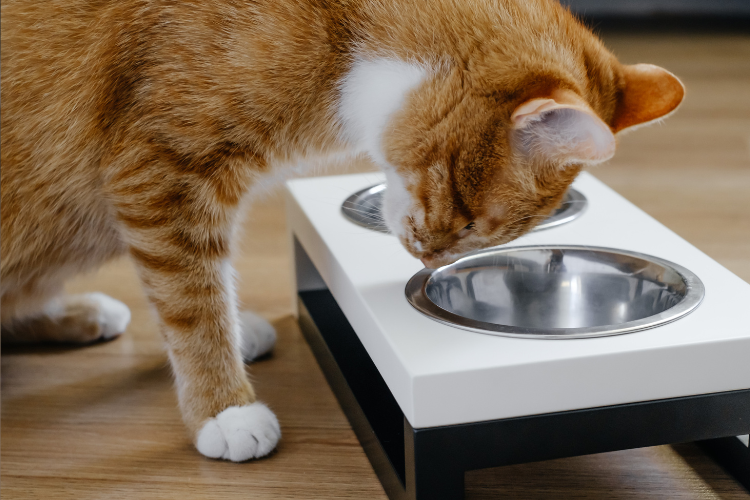
Cats evolved to conserve water and avoid dangerous sources. Refusing a bowl is often a calculated decision rather than stubbornness. When hydration feels unsafe, cats wait, choosing caution over immediate relief.
This behavior protected survival in the wild. Indoors, it can create concern but still reflects sound judgment. Adjusting placement, bowl shape, material, and location works because it aligns with feline instincts. When hydration feels secure, cats drink willingly without encouragement or training.