
Everyday sounds shape behavior more than owners realize.
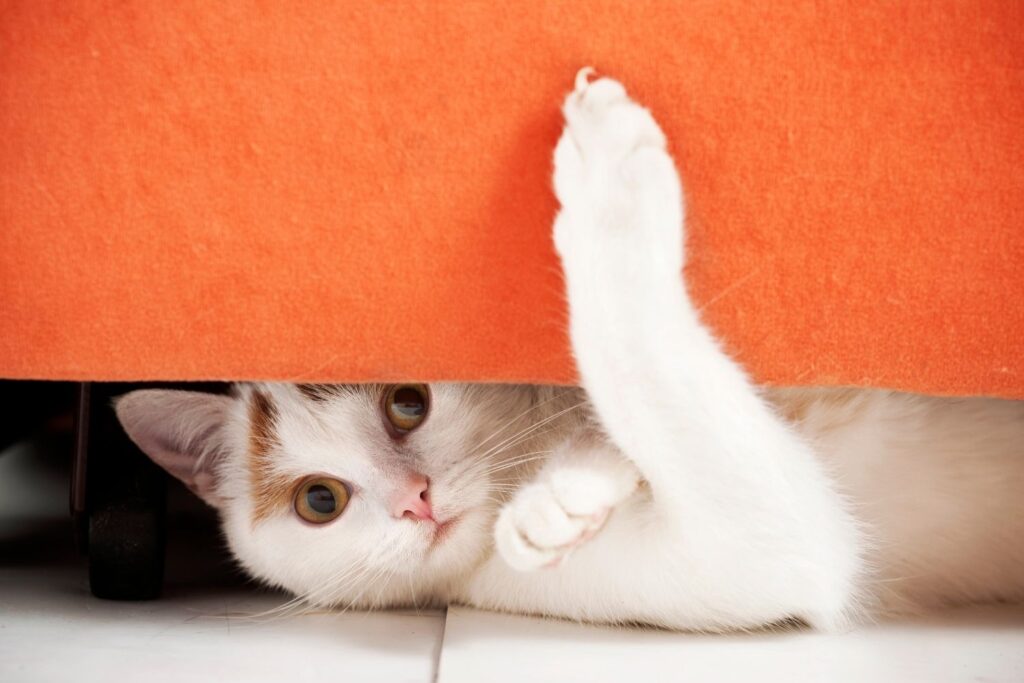
Inside modern homes, sound rarely stops. Televisions hum, appliances cycle, phones buzz, and traffic leaks through windows day and night. Cats experience this soundscape very differently than humans do. Their hearing is far more sensitive, and their stress systems are designed for environments where silence is common and noise signals danger. When sound becomes constant, cats adapt in subtle ways that unfold over months or years. These changes often look like personality shifts, but they are learned responses to living in spaces that never fully quiet down.
1. Constant background noise elevates baseline stress permanently.
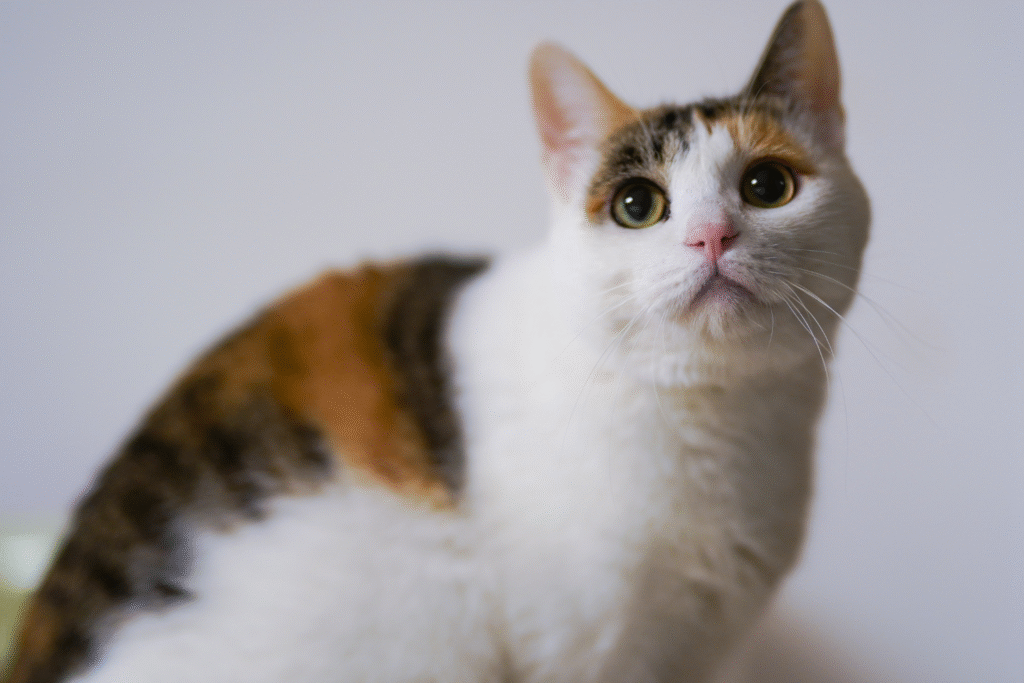
Cats evolved to respond to sound as an early warning system. In nature, noise usually meant movement, predators, or conflict. When background noise never fades, the feline nervous system stays partially activated even during rest. This low level stress does not cause obvious panic, but it raises cortisol levels slowly and persistently.
Over time, this alters behavior. Cats may appear less playful, more withdrawn, or quicker to retreat from interaction. According to the American Association of Feline Practitioners, chronic environmental stressors such as ongoing noise exposure can contribute to long term behavioral changes by keeping cats in a state of heightened physiological alert rather than allowing full relaxation.
2. Repeated loud sounds reduce social confidence gradually.
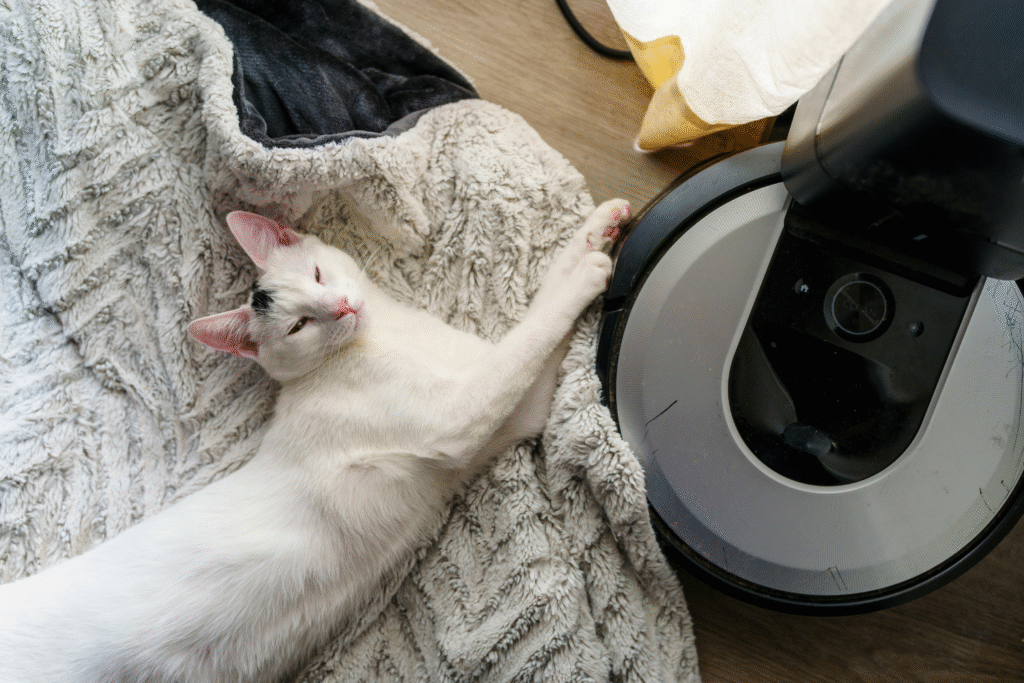
Sudden or loud household noises teach cats that their environment is unpredictable. Vacuum cleaners, dropped objects, slamming doors, and raised voices arrive without warning and overwhelm a cat’s sense of control. With repetition, cats begin limiting social exposure as a protective strategy.
This often looks like a change in personality. Cats may stop greeting visitors, avoid common rooms, or hesitate before approaching people. As stated by the Cornell Feline Health Center, environmental stress can suppress social behaviors in cats, leading them to withdraw emotionally as a coping mechanism rather than because their temperament has changed.
3. Noise patterns reshape how cats move through homes.

Cats track sound locations carefully. When noise concentrates in kitchens, hallways, or living rooms, cats begin avoiding those spaces to reduce exposure. Their movement becomes more restricted, and their sense of territory shrinks.
This spatial withdrawal affects confidence. Cats that once explored freely may spend most of their time in one quiet room. According to findings reported by the Journal of Feline Medicine and Surgery, cats exposed to persistent noise alter activity patterns and space use, which contributes to long term shifts in engagement, curiosity, and perceived personality.
4. Sleep disruption alters emotional regulation over months.
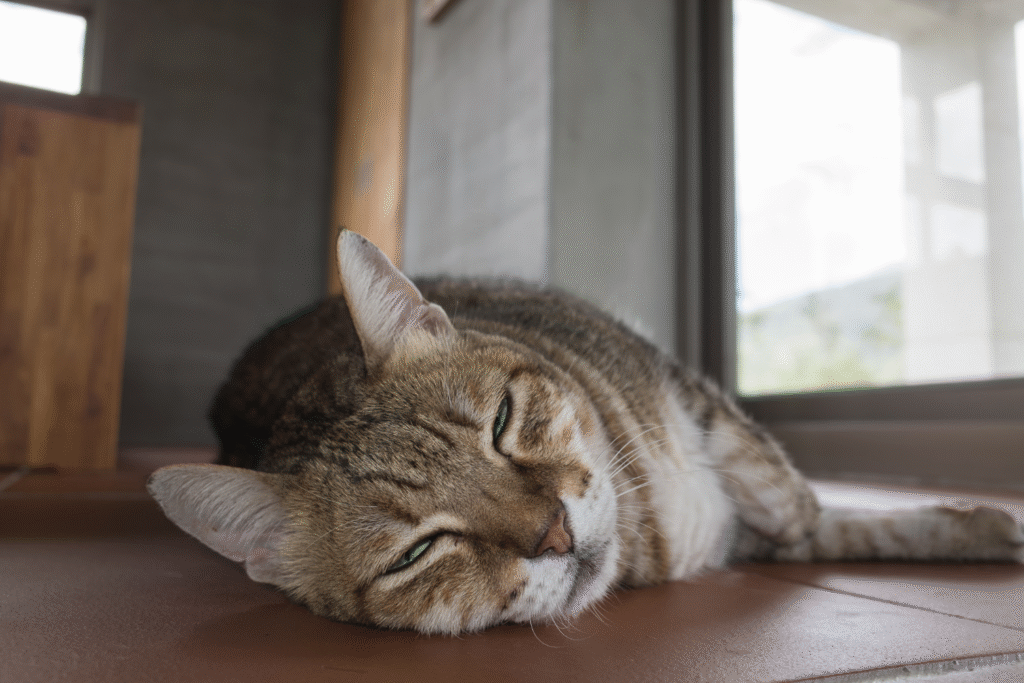
Cats rely on long periods of uninterrupted sleep to regulate mood and stress. Household noise fragments rest repeatedly, especially during daytime hours when cats sleep most deeply. Each interruption prevents full recovery even if the cat appears to sleep often.
Over months, emotional tolerance drops. Cats may become irritable, less patient with handling, or quicker to react defensively. This change feels subtle but cumulative. Chronic sleep disruption weakens emotional regulation, making cats appear moodier or less affectionate without any single triggering event.
5. Unpredictable sound trains hypervigilance behaviors.

Random noise is harder for cats to adapt to than predictable sound. When noises arrive without pattern, the brain stays alert to anticipate the next disruption. Cats learn to scan constantly rather than relax fully.
This hypervigilance reshapes behavior. Cats startle easily, freeze more often, or monitor rooms instead of resting openly. What appears to be anxiety driven temperament is often learned caution reinforced by months of unpredictable sound exposure that never allows the nervous system to fully stand down.
6. Human voices reshape emotional bonding and trust slowly.
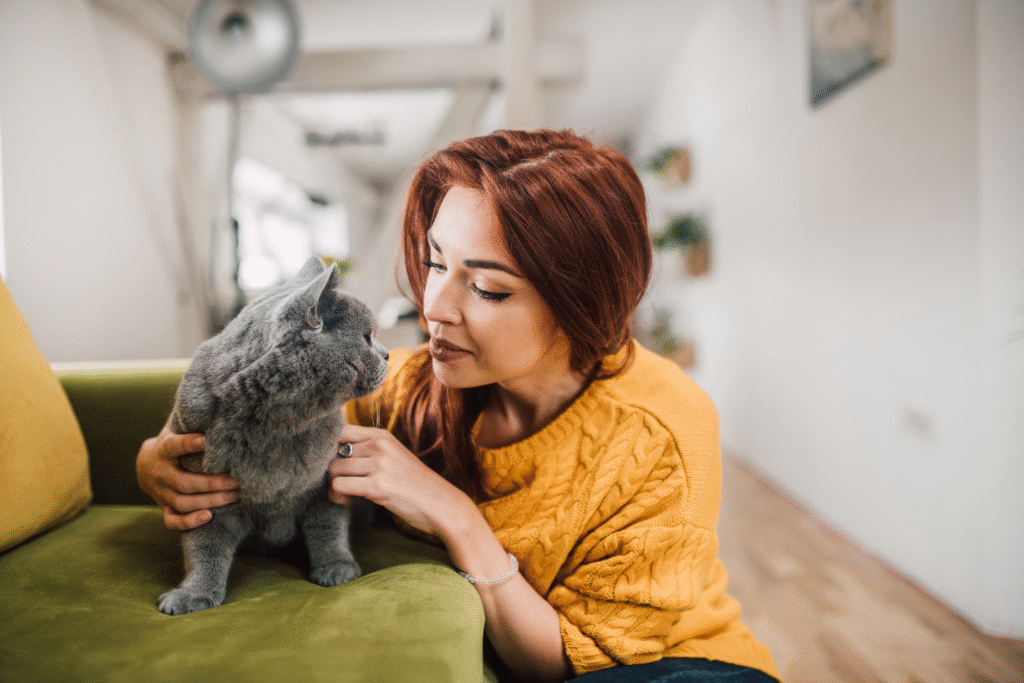
Cats are highly attuned to vocal tone, cadence, and volume. They may not understand words, but they read emotional information embedded in sound with precision. Raised voices, arguments, loud phone calls, or tense conversations can gradually associate human presence with stress rather than safety. Even when voices are not directed at the cat, the emotional charge carries weight.
Over time, this alters bonding. Cats may keep physical distance, approach cautiously, or limit affection to quieter moments. The shift is not rejection. It is self protection. Sound becomes part of the emotional environment, and cats adjust relationships to minimize exposure to stress carrying vocal cues.
7. Persistent noise dampens curiosity and exploratory drive.
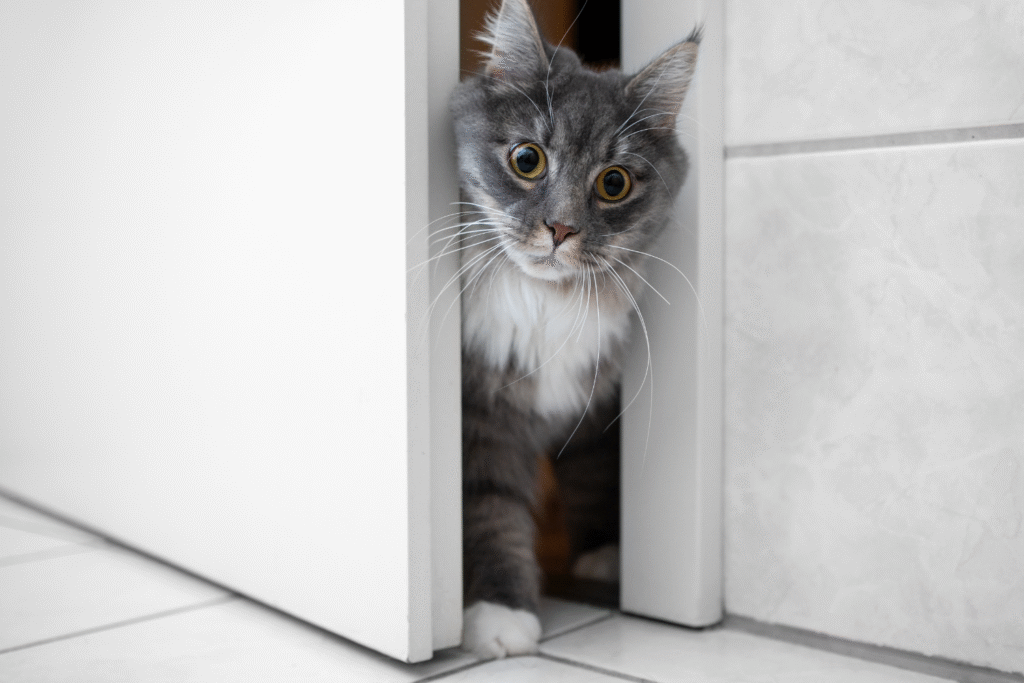
Curiosity requires a sense of safety. When noise levels remain high, cats conserve emotional energy by limiting exploration. Investigating new objects or spaces feels risky rather than rewarding. Over time, this caution becomes routine behavior.
Owners may assume the cat has matured or slowed down. In reality, the environment discourages curiosity. Reduced exploration leads to fewer novel experiences, reinforcing passivity. The personality appears calmer or less interested, but it reflects adaptation to an environment where engagement carries too much sensory cost.
8. Repeated sound exposure strengthens avoidance learning pathways.

Cats form strong associative memories around sensory discomfort. When certain rooms, objects, or routines consistently involve unpleasant noise, avoidance becomes automatic. The brain no longer evaluates each situation individually. It defaults to withdrawal.
This learning solidifies over months. A cat may stop entering specific areas altogether. Personality seems altered because behavior narrows. The cat is not becoming antisocial. It is responding efficiently to a pattern that taught avoidance as the safest option.
9. Multi pet homes amplify auditory stress effects.
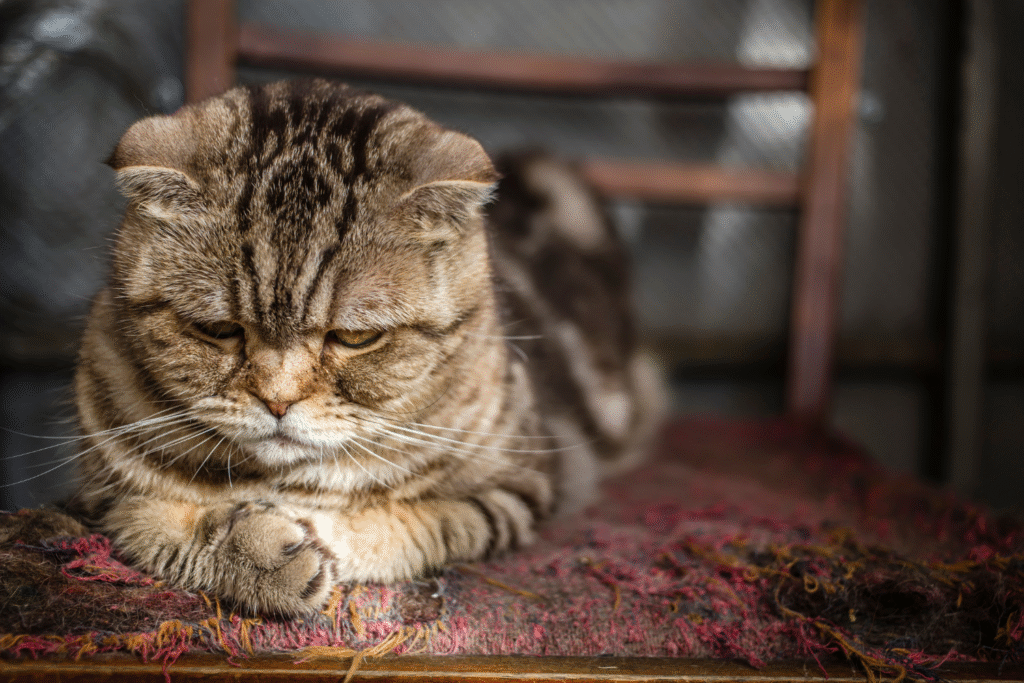
Additional animals increase noise through play, movement, vocalization, and competition. For noise sensitive cats, this constant auditory activity compounds stress even when social relationships are stable. Quiet refuge becomes scarce.
Subtle changes emerge. Sensitive cats may withdraw socially, sleep more, or stop initiating interaction. These shifts are often mistaken for dominance dynamics. In reality, sound overload pushes cats to minimize exposure by altering behavior, reducing engagement, and reshaping how personality is expressed within the group.
10. Long term sound exposure reshapes temperament expression.

Personality does not change overnight. It shifts through adaptation. Cats respond to sound by modifying behavior in ways that protect emotional balance. Over time, these adaptations become the visible personality owners recognize.
Cautious cats become more reserved. Social cats become selective. Playful cats become subdued. These traits are not fixed losses. When sound environments improve, behavior often rebounds. Understanding noise as a shaping force allows owners to restore balance rather than mislabeling temperament as permanently changed.