
Forgotten bloodlines resurface through genetics and overlooked history.
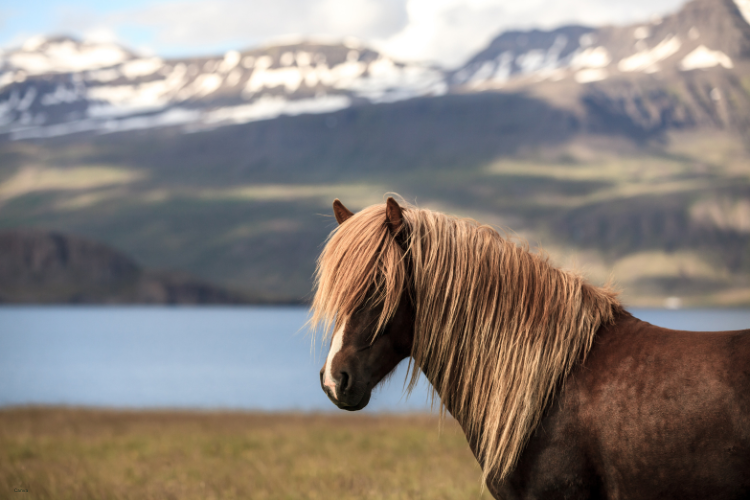
For centuries, historians assumed America’s earliest colonial horses vanished as newer European breeds replaced them. Spanish, English, and Caribbean horses arrived between the 1500s and 1700s, shaping exploration, agriculture, and early warfare. Then the records thinned, and the animals seemed to fade from the story. Recent advances in genetic analysis, paired with archaeological evidence and rural breeding histories, now reveal a different outcome. Many colonial horse lines did not disappear. They persisted quietly, surviving in isolated regions, feral herds, and working stock that escaped formal documentation.
1. Early Spanish horses arrived with unique genetic foundations.
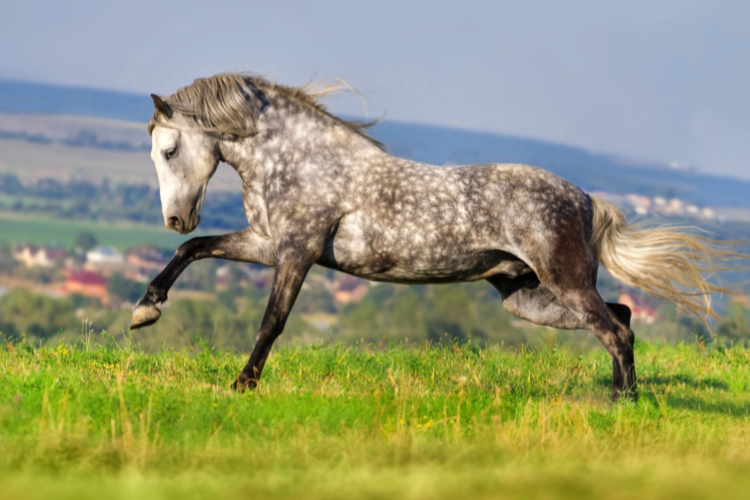
The first horses brought to the Americas by Spanish expeditions descended from Iberian stock shaped by Moorish, North African, and Mediterranean breeding traditions. These animals were compact, heat tolerant, and capable of surviving long distances on limited forage. Their genetics differed sharply from later Northern European horses introduced during British colonization.
Those differences mattered biologically. According to the Smithsonian National Museum of Natural History, genetic markers found in early Spanish colonial horse remains form distinct lineages that do not align with later European imports. These markers created foundational bloodlines that persisted independently rather than blending away immediately, contradicting long held assumptions of complete replacement.
2. Colonial isolation fragmented horse populations across regions.
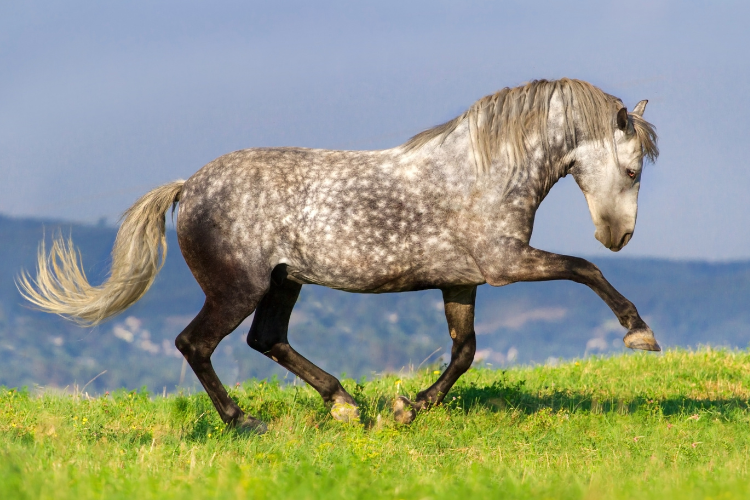
Colonial America was not a single connected breeding landscape. Settlements were separated by forests, mountains, rivers, and political boundaries. Horses were bred locally, traded infrequently, and rarely replaced with fresh imports. Over time, this isolation caused regional horse populations to diverge genetically from one another.
This fragmentation confused later historians. As stated by the University of Florida Institute of Food and Agricultural Sciences, livestock populations in early colonial environments often evolved independently due to geographic and social isolation. Without centralized records, continuity appeared like disappearance, even though bloodlines persisted regionally for generations.
3. Later European imports obscured earlier colonial genetics.
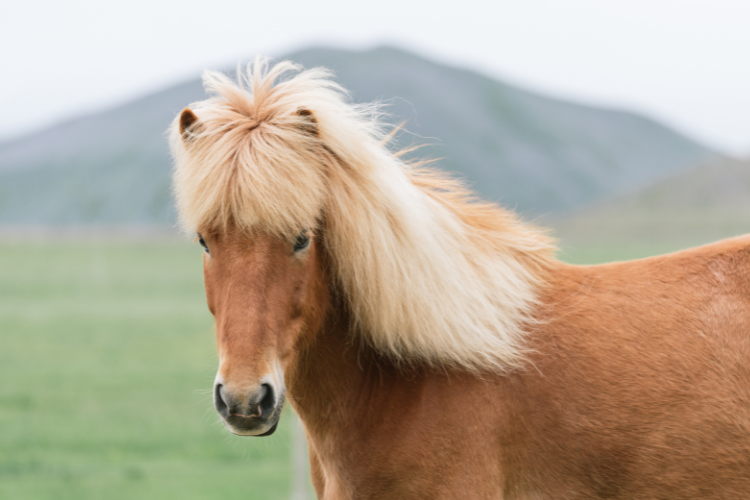
During the eighteenth century, larger English and Northern European horses arrived in greater numbers. These animals suited plantation agriculture, carriage transport, and emerging elite breeding preferences. Their size and appearance became dominant, while smaller colonial horses were crossbred, displaced, or pushed into marginal lands.
This masking effect buried genetic evidence. According to findings reported by the Texas A&M University Department of Animal Science, dominant later imports often dilute or visually obscure earlier livestock genetics without eliminating them. Colonial horse DNA persisted quietly within mixed populations, remaining undetectable until modern genetic tools made deep lineage analysis possible.
4. Feral herds preserved colonial traits by accident.
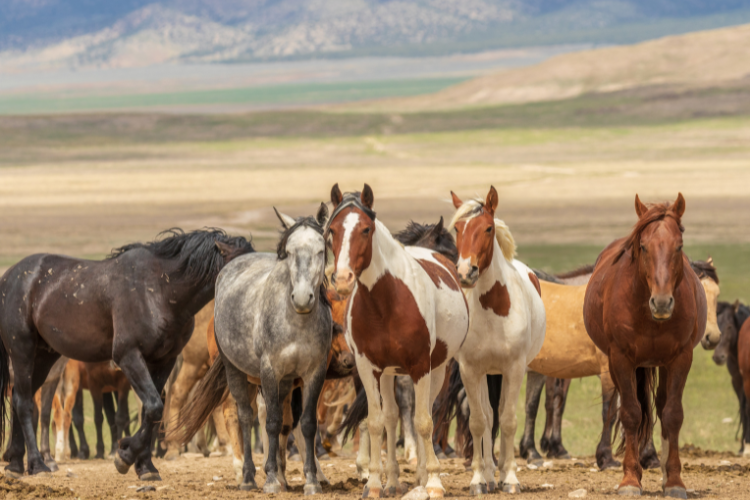
Some colonial horses escaped captivity or were released intentionally, forming feral populations in remote areas such as barrier islands, deserts, and mountain regions. These environments protected them from intensive breeding programs and aesthetic selection pressures that reshaped domestic horses elsewhere.
Natural selection took over. Horses that survived were those best suited to harsh conditions, closely matching early colonial descriptions. Over centuries, these feral herds became living genetic archives, preserving body structure, metabolism, and behavioral traits that reflected colonial era horses rather than modern breeds.
5. Isolated communities bred horses outside official registries.
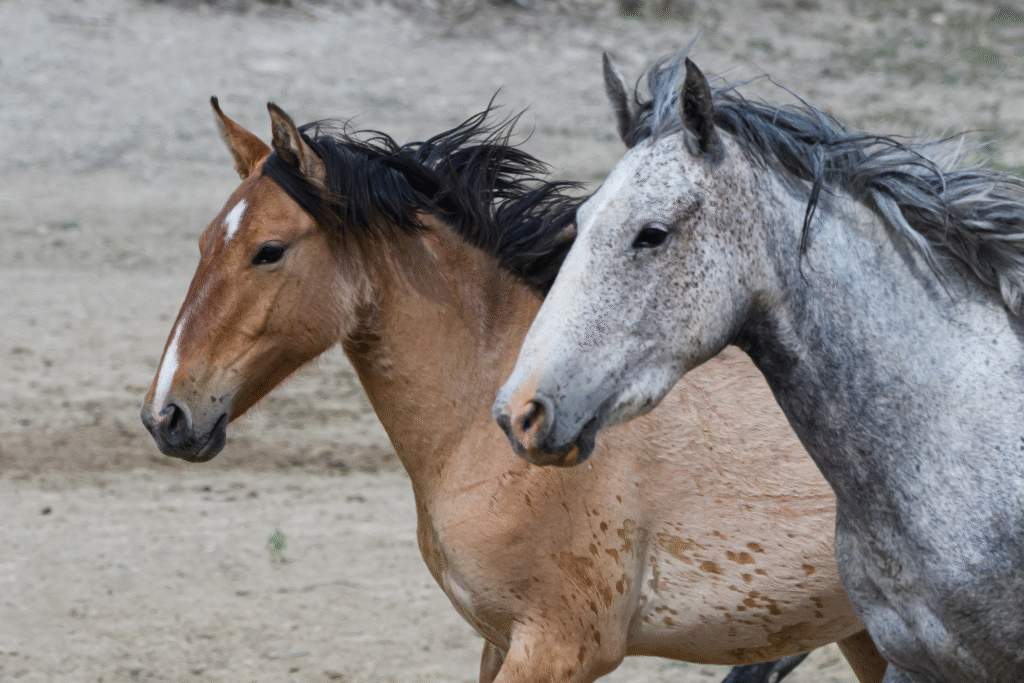
Many rural settlers, Indigenous communities, and frontier ranchers bred horses purely for function. Strength, endurance, temperament, and adaptability mattered far more than documented pedigree. As a result, these horses never entered formal breed registries that later historians relied on.
This absence erased them from written history, not biology. Colonial bloodlines survived because they worked well, not because they were recorded. Only now, through genetic comparison and historical reevaluation, are these overlooked breeding practices recognized as the reason America’s colonial horses were never truly lost.
6. Archaeological remains finally matched living horse genetics.
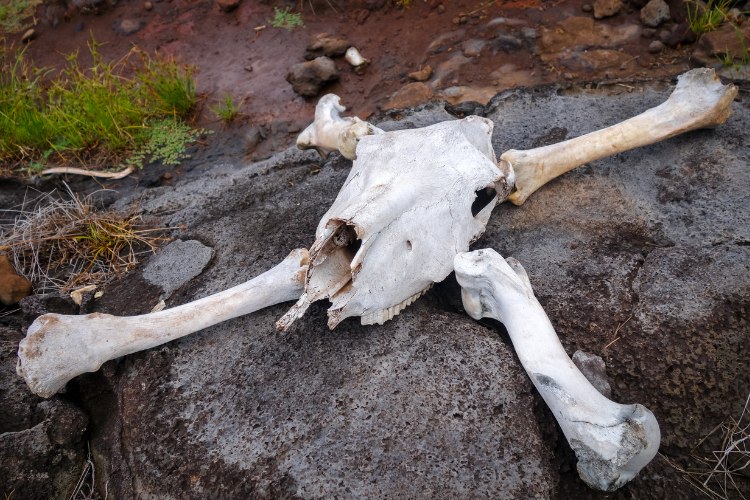
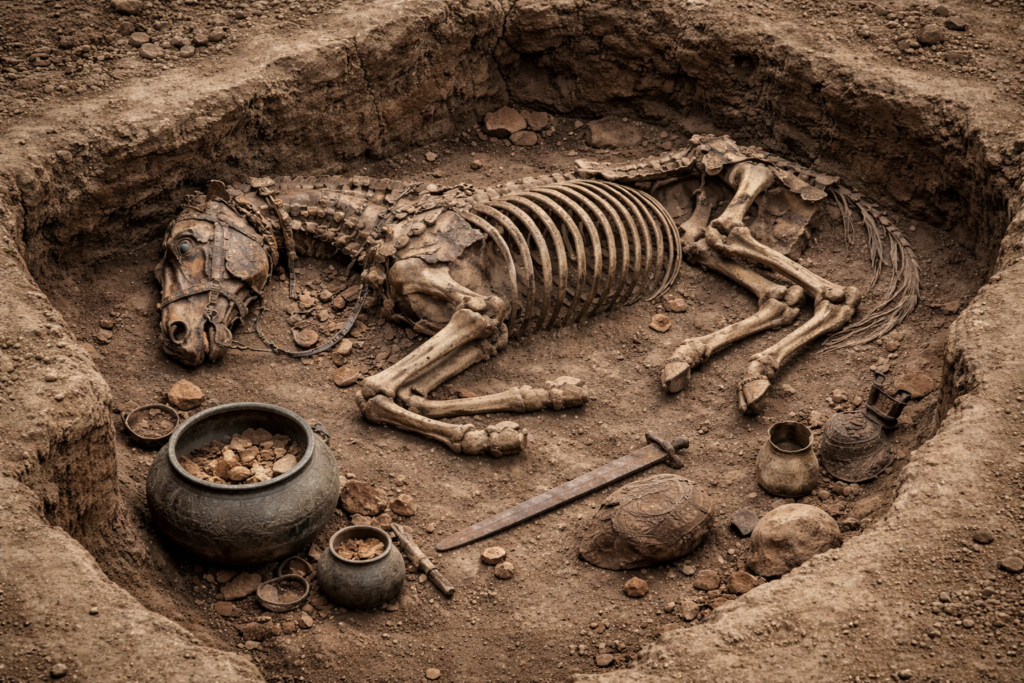
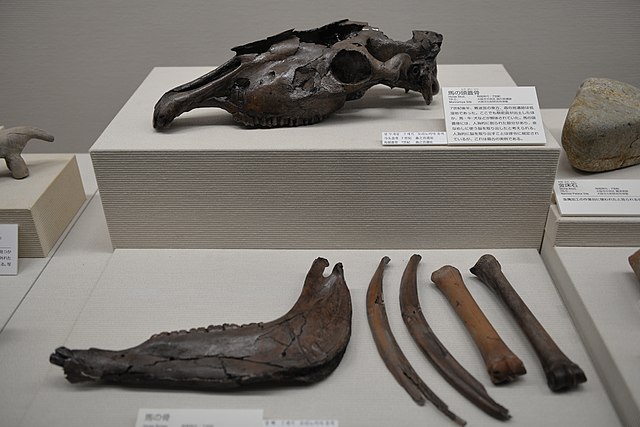
For decades, colonial era horse bones sat in museum collections labeled broadly as early domestic stock. Advances in ancient DNA extraction allowed scientists to pull usable genetic material from these remains and compare it directly to living horses across North America. The results showed continuity rather than disappearance.
Bones from seventeenth century sites in Florida, the Carolinas, and the Southwest shared markers with modern horses living in isolated regions today. This match closed a historical gap. The horses people still ride and breed in certain pockets are not recreations. They are biological descendants, separated by time but connected through unbroken genetic inheritance.
7. Barrier islands acted as living genetic vaults.
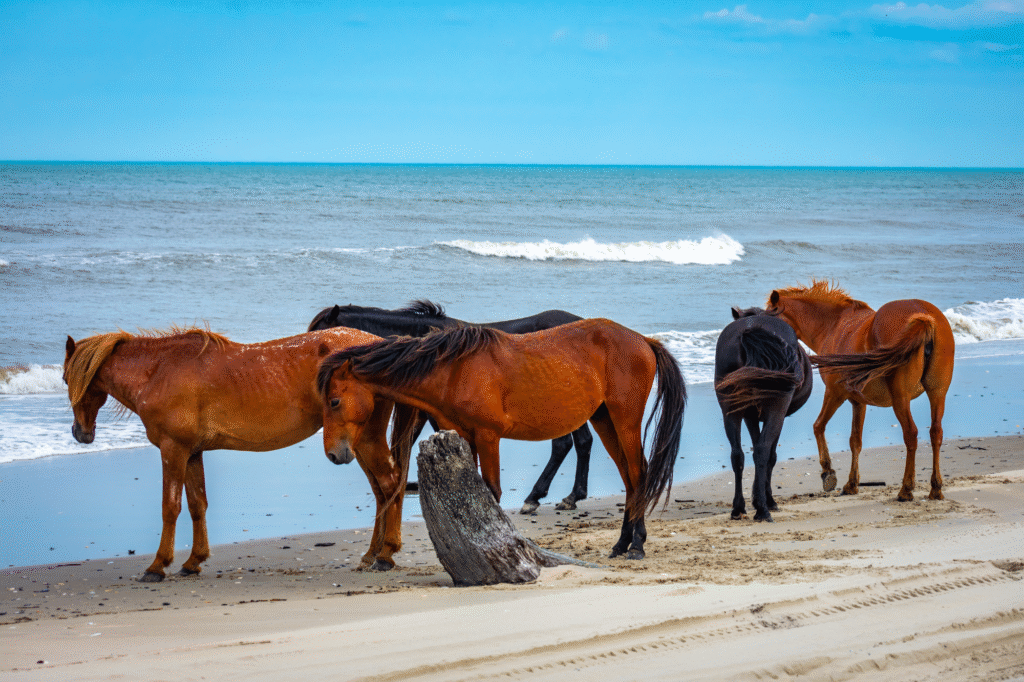
Along the Atlantic and Gulf coasts, barrier islands unintentionally protected colonial horse lines. Horses left on islands such as Assateague, Cumberland, and others lived without constant human interference. Limited space prevented large scale crossbreeding, while harsh conditions filtered out unsuitable traits.
Over generations, these horses retained colonial era characteristics like compact builds, efficient metabolism, and resilience. While often labeled feral or wild, they functioned as preservation systems. Isolation slowed genetic drift, allowing early bloodlines to persist with remarkable integrity despite centuries of environmental pressure.
8. Ranching traditions preserved function over pedigree.

In parts of the Southeast, Southwest, and Appalachian regions, ranchers bred horses for work rather than appearance. Endurance, calm temperament, and adaptability mattered far more than lineage paperwork. Colonial traits remained valuable, so they were preserved intentionally through use rather than documentation.
These working horses often carried Spanish and early colonial genetics without recognition. Over time, registry focused histories overlooked them entirely. Modern genetic testing now shows that practical breeding choices, repeated over generations, were one of the strongest forces keeping colonial horse lines alive in plain sight.
9. Historical records were misread through modern bias.
Many historians assumed that if a horse did not match modern breed standards, it represented mixed or inferior stock. This bias shaped interpretations of colonial records. Smaller horses described in early documents were dismissed as transitional or temporary rather than foundational.
Reexamining journals, shipping logs, and breeding accounts reveals continuity instead of replacement. When combined with genetics, these records show that colonial horses persisted alongside newer imports. The mistake was not extinction. It was interpretation filtered through later assumptions about size, refinement, and breed legitimacy.
10. Modern conservation reframed living descendants as heritage breeds.
Once genetic continuity became clear, conservationists began reevaluating certain horse populations as heritage breeds rather than feral animals. This shift carries major implications. Protecting genetic diversity now includes preserving these colonial descended horses as living history.
Recognition changes management priorities. Instead of removal or replacement, efforts focus on population health and genetic integrity. The horses themselves become historical documents, offering insight into early American life through muscle, bone, and behavior rather than written record alone.
11. America’s colonial horses were never truly lost.

The final revelation is simple but profound. These horses did not vanish. They adapted, moved, and survived outside official narratives. They lived in marginal spaces, worked quietly, and avoided the spotlight of elite breeding culture.
What was lost was attention, not lineage. Modern science restored that attention. By aligning genetics, archaeology, and overlooked history, researchers uncovered a living connection to America’s colonial past. The horses were always there, carrying history forward one generation at a time.