
A burial discovery reveals power ritual and hierarchy.
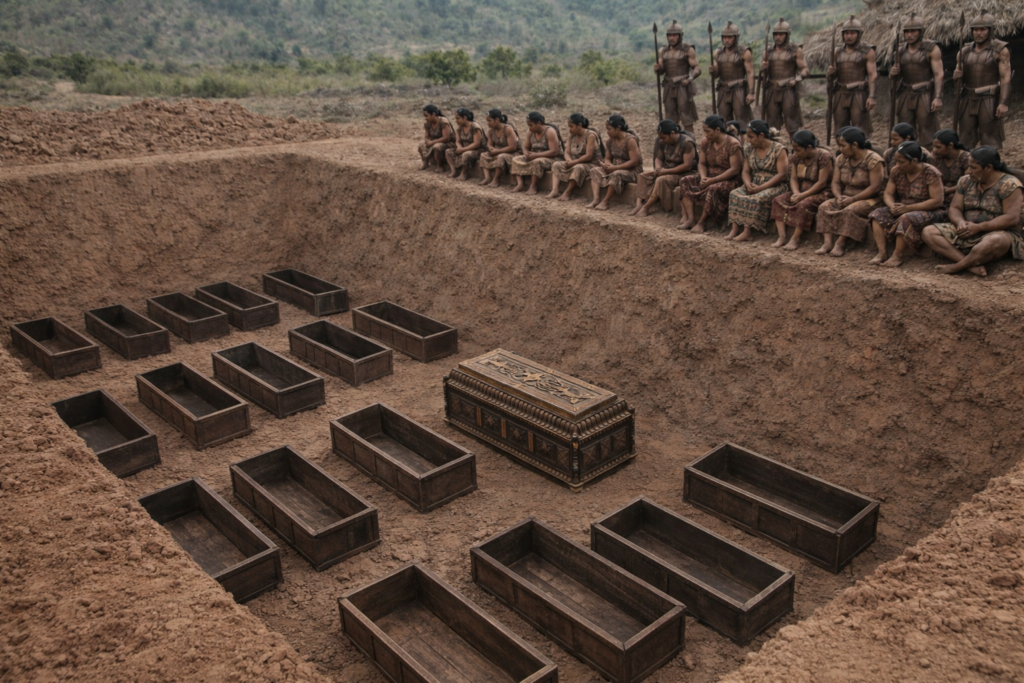
Deep within El Caño Archaeological Park in central Panama, archaeologists have uncovered a burial that is forcing a major rethink of how power operated in the region before European contact. Excavated during recent field seasons and dated roughly between 750 and 900 CE, the tomb contains an elite individual surrounded by dozens of sacrificial victims and an extraordinary array of gold objects. Every element of the burial appears intentional. Together, the evidence points to a society where political authority, ritual practice, and control over life and death were tightly intertwined.
1. The tomb belonged to a powerful regional leader.
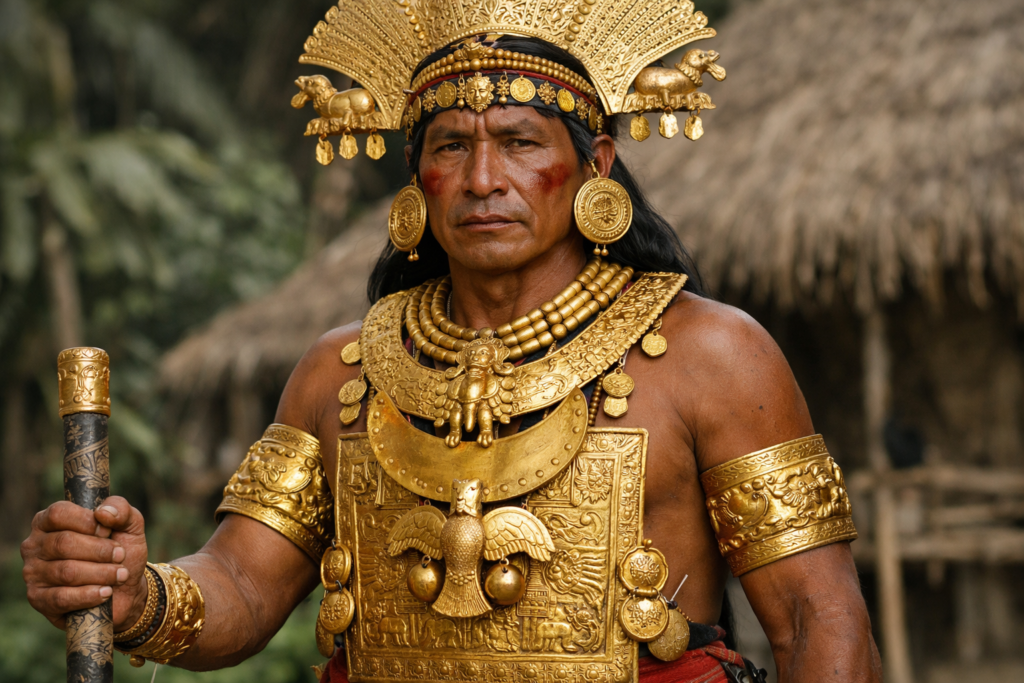
The central burial occupies the deepest and most protected position within the tomb, a placement that signals exceptional status rather than coincidence. The individual was adorned with elaborate gold regalia including chest plates, bracelets, and pendants that required advanced metallurgical knowledge and coordinated labor. These items were not merely decorative. They functioned as visible markers of authority that would have been recognized across multiple communities.
The concentration of wealth in one grave indicates a highly stratified society. This individual likely controlled access to resources, ritual knowledge, and political decision making. The burial suggests leadership that combined spiritual authority with material power. Comparable elite burials elsewhere in Central America support the interpretation of centralized leadership rather than loosely organized villages, according to the Smithsonian Tropical Research Institute.
2. Dozens of individuals were sacrificed intentionally.
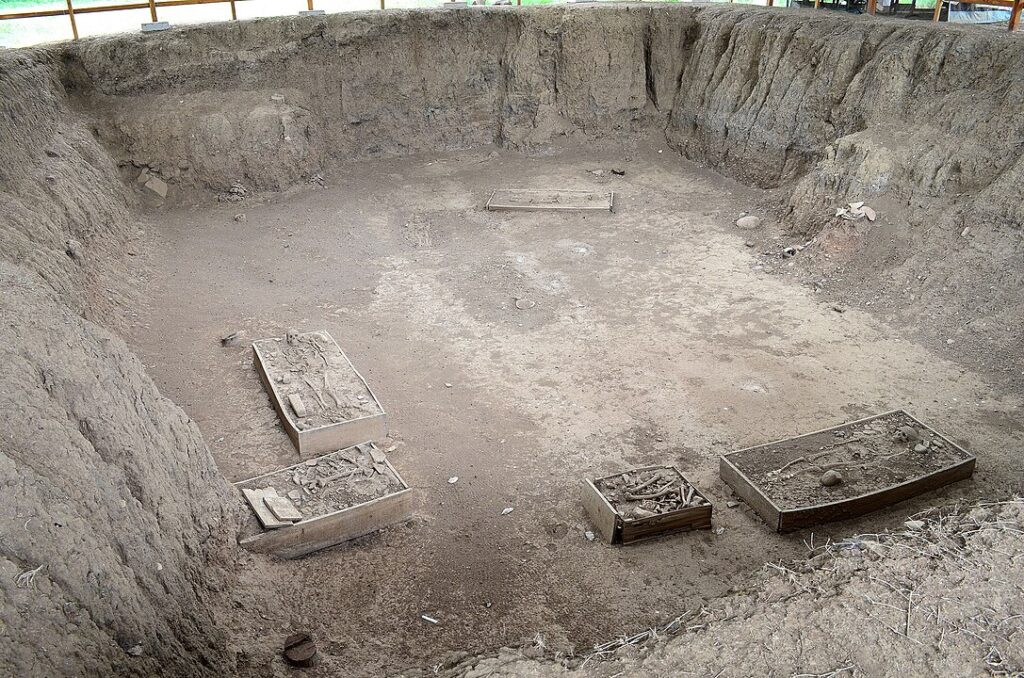
Surrounding the elite figure were the remains of more than two dozen people arranged carefully in layered sequences. Their placement shows planning and coordination rather than emergency burial from disease or conflict. Some individuals were positioned facing the central burial, reinforcing a symbolic relationship that extended into death.
The demographic range includes adults and adolescents, suggesting selection based on ritual criteria rather than random inclusion. This points to a belief system in which sacrifice accompanied leadership into the afterlife. The scale of the sacrifice demonstrates the leader’s power to command lives as part of ceremonial practice. Such ritualized killing reflects deeply embedded social norms tied to authority and cosmology, as reported by the National Geographic Society.
3. Gold artifacts reveal long distance connections.
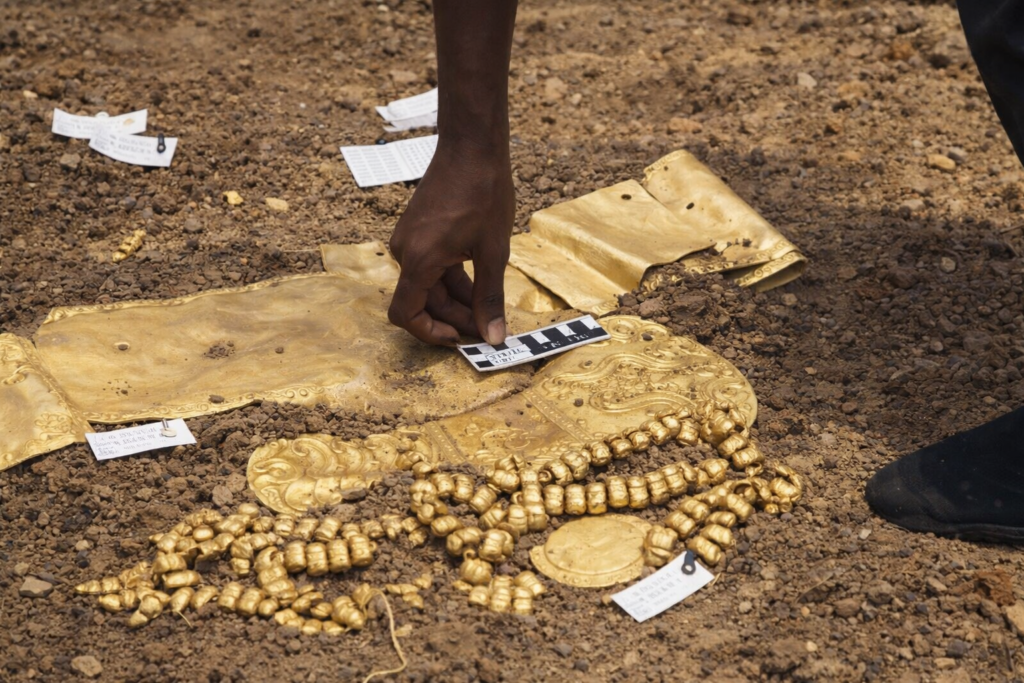
The tomb contained numerous gold objects crafted using sophisticated techniques that imply shared metallurgical knowledge across regions. Analysis of alloys and styles suggests these objects were not isolated local experiments but part of broader traditions circulating through Central America.
Gold held profound symbolic meaning, often associated with solar power, fertility, and divine legitimacy. Access to gold required control over trade routes, raw materials, and skilled artisans. The concentration of these objects within one burial highlights how elites monopolized both material wealth and symbolic capital. This reinforces the idea that political authority and long distance exchange were closely linked at El Caño, as stated by Panama’s Ministry of Culture.
4. Burial layers show ritual sequencing over time.
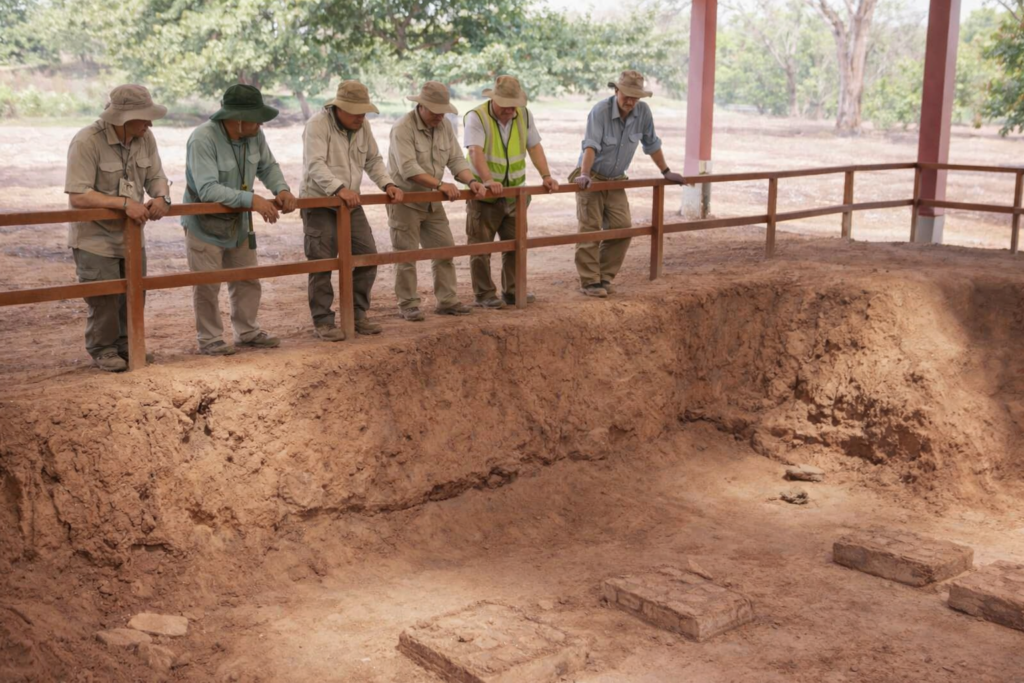
The structure of the tomb reveals that bodies were placed in deliberate layers rather than deposited all at once. This suggests the burial unfolded in stages, possibly over several days, following a prescribed ceremonial order. Such sequencing implies ritual timing rather than spontaneous violence.
Each layer may have represented a different symbolic role, phase of the ceremony, or cosmological concept. The precision indicates adherence to established funerary rules understood by the community. This level of ritual control reflects a society where ceremonial practice was central to maintaining social order and reinforcing shared belief systems across generations.
5. Sacrifice reinforced authority beyond death.
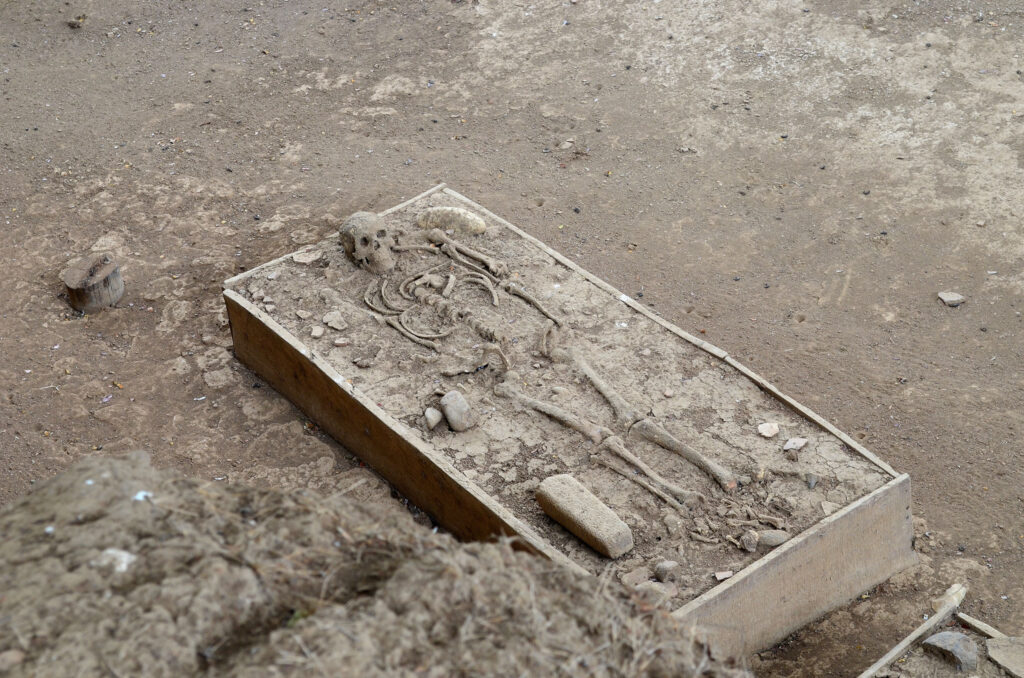
The sacrifices did not merely accompany the leader in death. They actively extended the leader’s authority into the afterlife. By surrounding the elite burial with human offerings, the community transformed the tomb into a lasting political statement.
This spectacle reinforced hierarchy among the living. It communicated that loyalty and obedience carried ultimate consequences. The memory of such ceremonies would persist long after burial, shaping how authority was understood and respected. Sacrifice thus functioned as both spiritual offering and social enforcement, binding communities to a worldview where power remained absolute even after death.
6. El Caño functioned as a ceremonial center.
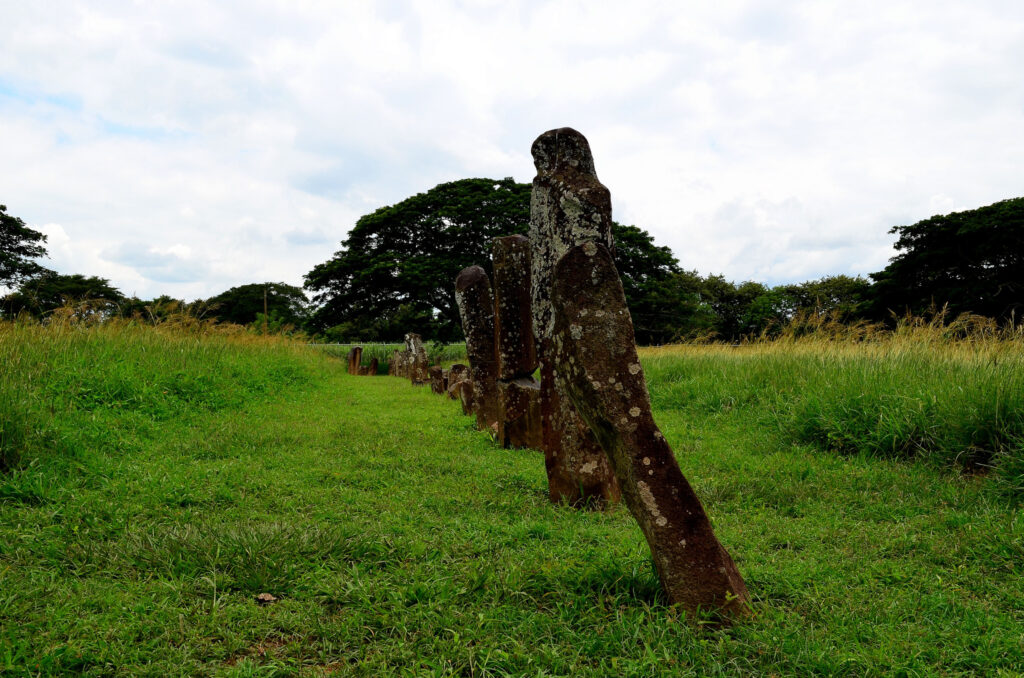
The tomb exists within a broader complex of stone columns, plazas, and burial mounds, indicating El Caño served as a major ceremonial hub. Constructing these features required coordinated labor, planning, and leadership over extended periods.
Ceremonial centers often hosted gatherings tied to leadership transitions, seasonal cycles, or ancestor veneration. El Caño likely functioned as a stage where authority was displayed publicly and reinforced through ritual. The scale of the site suggests it drew participants from surrounding regions, making it a focal point for political and spiritual life.
7. The victims’ placement suggests social roles.
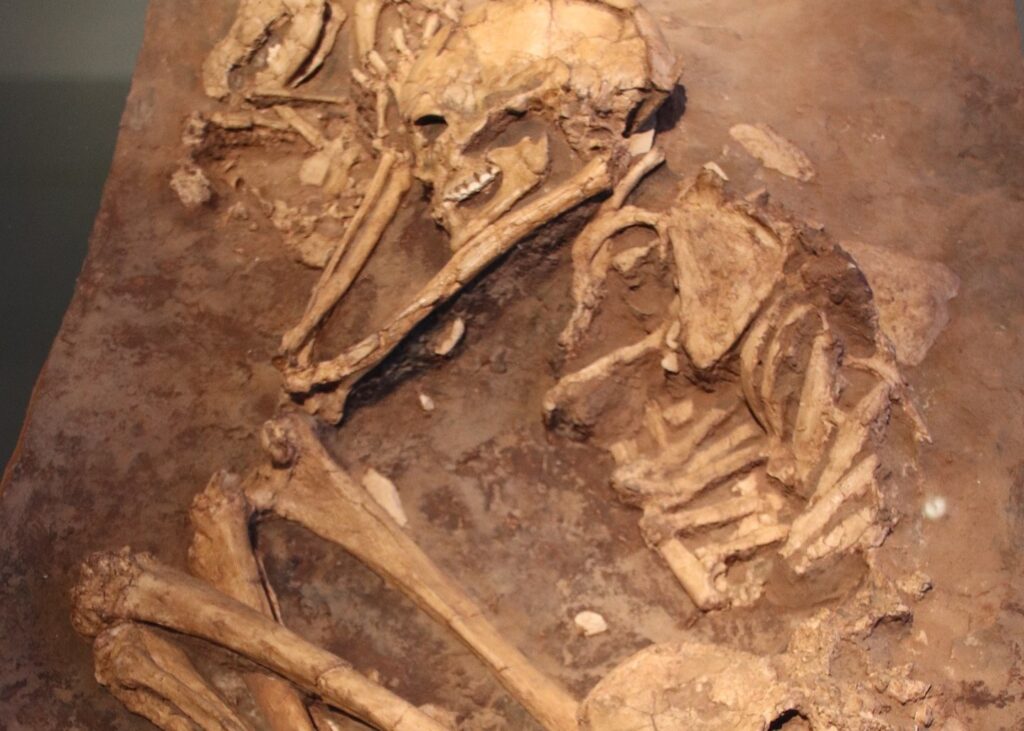
The sacrificed individuals were not arranged uniformly. Some were positioned closer to the elite burial, while others formed outer layers. This variation suggests distinctions among the victims themselves rather than a single undifferentiated group.
They may have included retainers, captives, or individuals selected for symbolic reasons tied to lineage or ritual function. Placement likely reflected status or role within the ceremony. This complexity challenges simplistic interpretations of sacrifice and reveals a structured social logic governing how individuals were incorporated into funerary rites.
8. The discovery challenges earlier views of Panamanian societies.
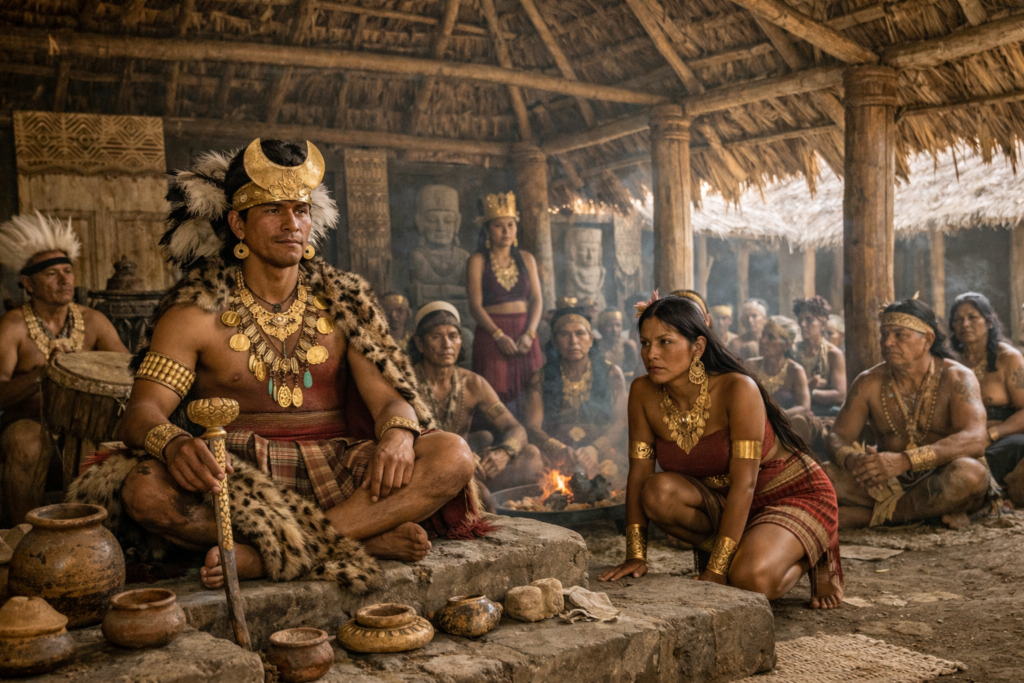
For decades, pre Columbian Panama was often described as less socially complex than neighboring regions. This tomb directly contradicts that assumption. The evidence demonstrates hierarchical leadership, ritualized violence, and extensive exchange networks.
These traits align Panama with other complex societies across the Americas. The find forces archaeologists to reconsider long held narratives and recognize that social complexity developed independently in many regions. Panama’s ancient societies were neither peripheral nor simplistic but deeply organized and symbolically rich.
9. The site reshapes understanding of ritual power.
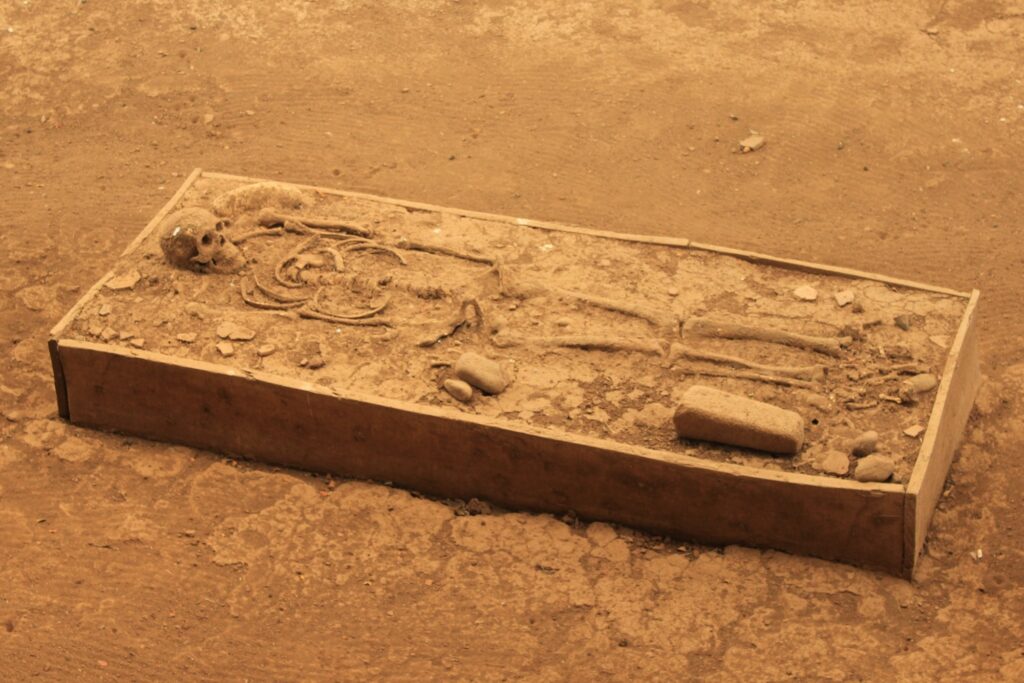
El Caño illustrates how ritual and authority were inseparable. Sacrifice was not random brutality but a structured form of communication linking leaders, followers, and the spiritual realm. It reinforced social order while expressing cosmological beliefs.
This discovery deepens understanding of how ancient societies legitimized power without written law. Authority was enacted through ceremony, memory, and controlled violence. The tomb stands as a powerful reminder that political systems in the ancient Americas often relied on ritual performance as much as material control.