
A buried industrial city emerges from the Eastern Desert.
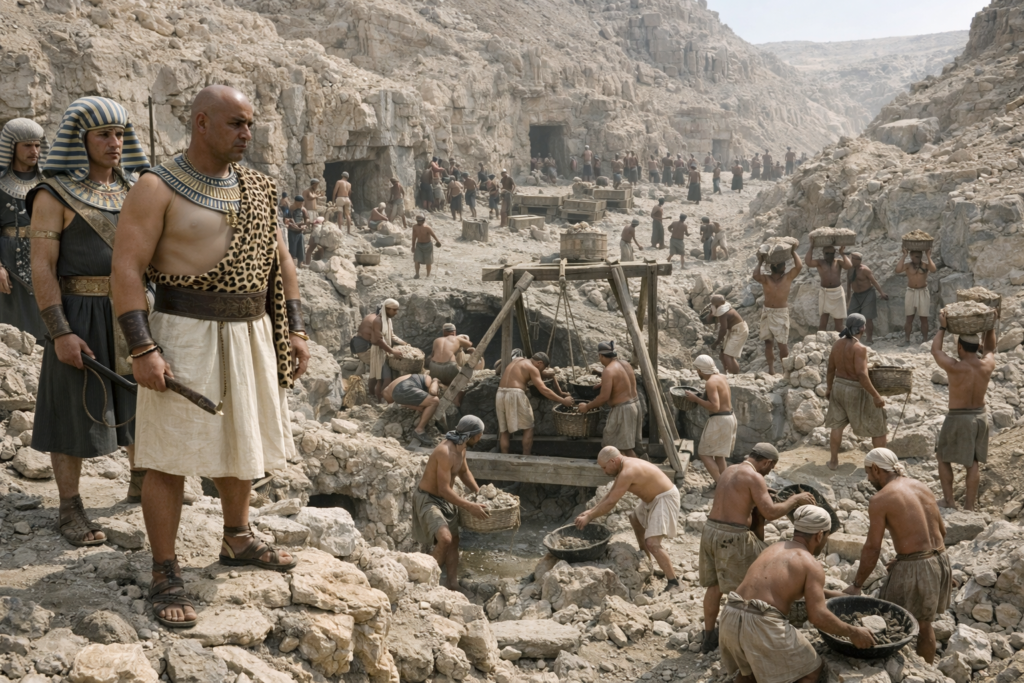
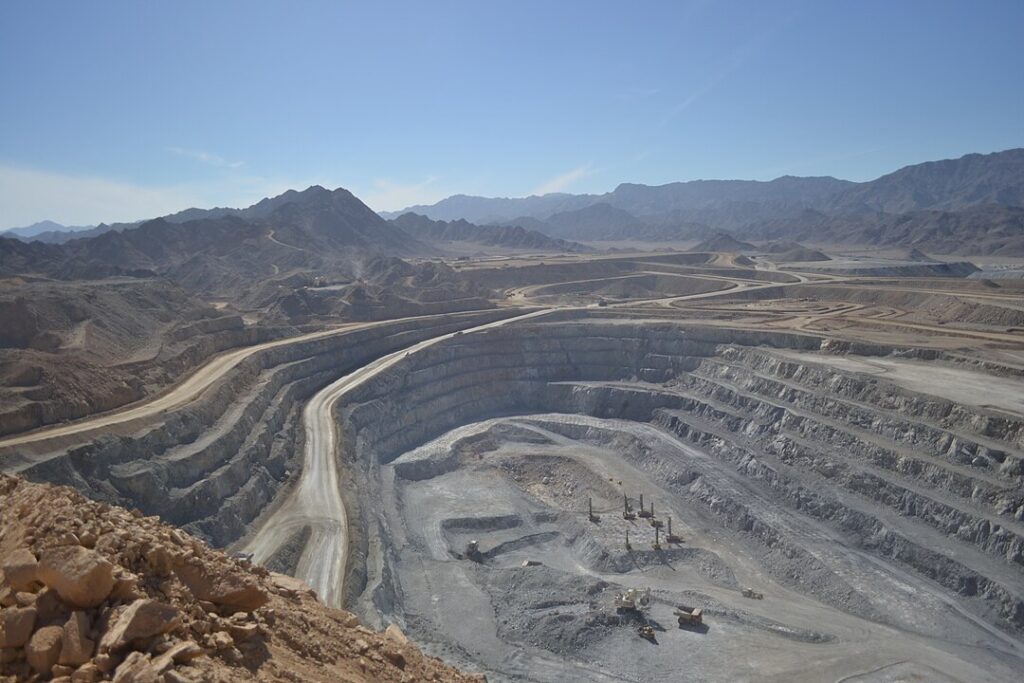
In early 2025, archaeologists announced something far bigger than a mine. At Jabal Sukari in Egypt’s Eastern Desert, teams uncovered a 3,000 year old gold mining city complete with housing, processing zones, administration areas, and supply infrastructure. Dating to the New Kingdom, this was not a remote outpost. It was a state run industrial complex operating far from the Nile, built to extract and process gold at scale. What the desert preserved was not just tunnels, but a fully functioning economic world.
1. The site functioned as a permanent mining city.
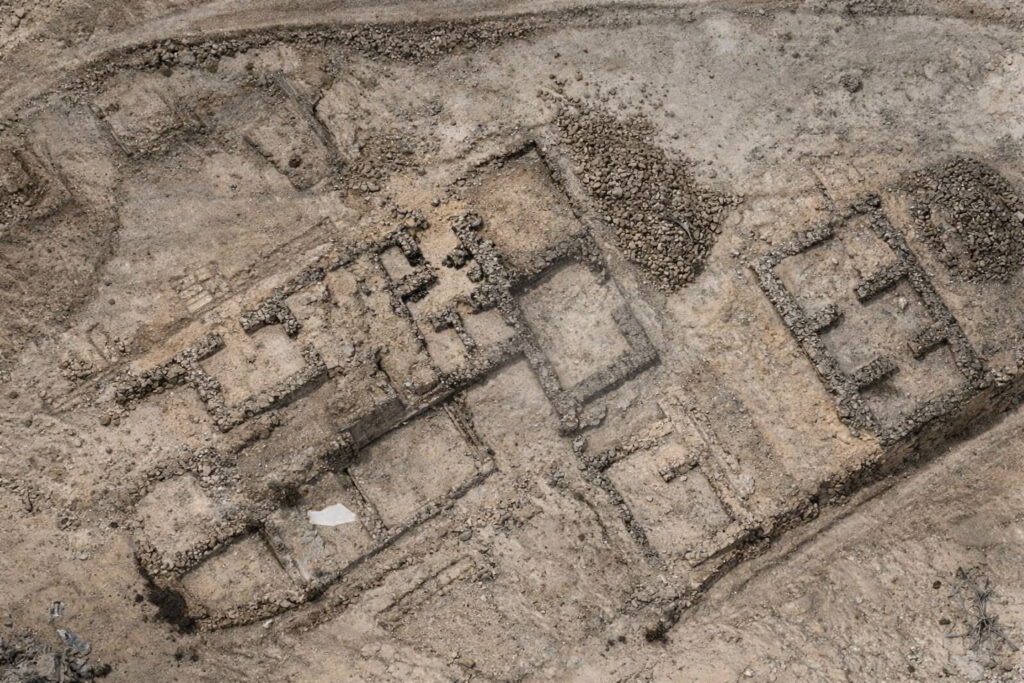
Excavations revealed dense clusters of stone built housing, storage rooms, workshops, and communal spaces laid out with clear planning. These structures were not temporary shelters. Walls were reinforced, floors leveled, and rooms organized for repeated daily use. Archaeologists identified living quarters capable of supporting hundreds of workers simultaneously.
The permanence of construction shows long term occupation rather than seasonal extraction. Food storage areas and standardized housing suggest sustained logistical support from the state. This was a city built for endurance in extreme conditions, not a camp that followed veins and vanished, according to statements released by Egypt’s Ministry of Tourism and Antiquities.
2. Gold processing occurred directly beside extraction zones.

Unlike many ancient mines where ore was transported elsewhere, Jabal Sukari contained extensive on site processing facilities. Archaeologists uncovered crushing stones, grinding installations, and areas where quartz was pulverized to extract gold particles. This reduced the need to move heavy raw material across the desert.
Processing ore at the mine increased efficiency and security. It also required specialized labor and coordination. The presence of multiple processing stages indicates industrial scale production rather than small batch extraction. Such integration of mining and processing suggests centralized oversight and advanced operational planning, as reported by Egypt’s Supreme Council of Antiquities.
3. The settlement relied on a controlled desert supply network.
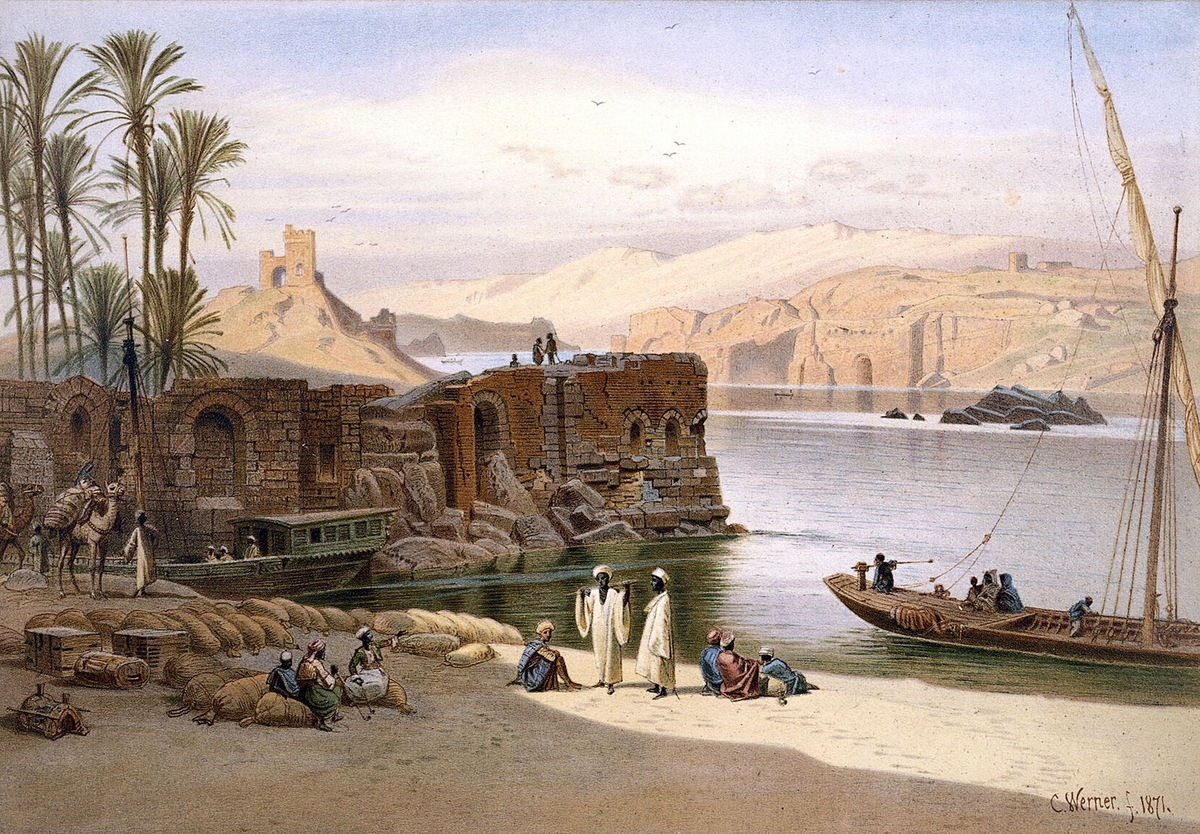
Jabal Sukari could not survive on local resources. Archaeologists traced desert roads linking the site to the Nile Valley and Red Sea routes. Storage facilities show large quantities of imported grain, dried foods, tools, and fuel were brought in regularly.
Supply chains had to be reliable and protected. Pack animals, staging points, and guards would have been required to maintain flow. This network reveals how deeply the mine was embedded in Egypt’s broader economy. Gold production here depended as much on logistics as geology, according to findings presented by the French Institute of Oriental Archaeology.
4. Underground tunnels reflect advanced geological understanding.
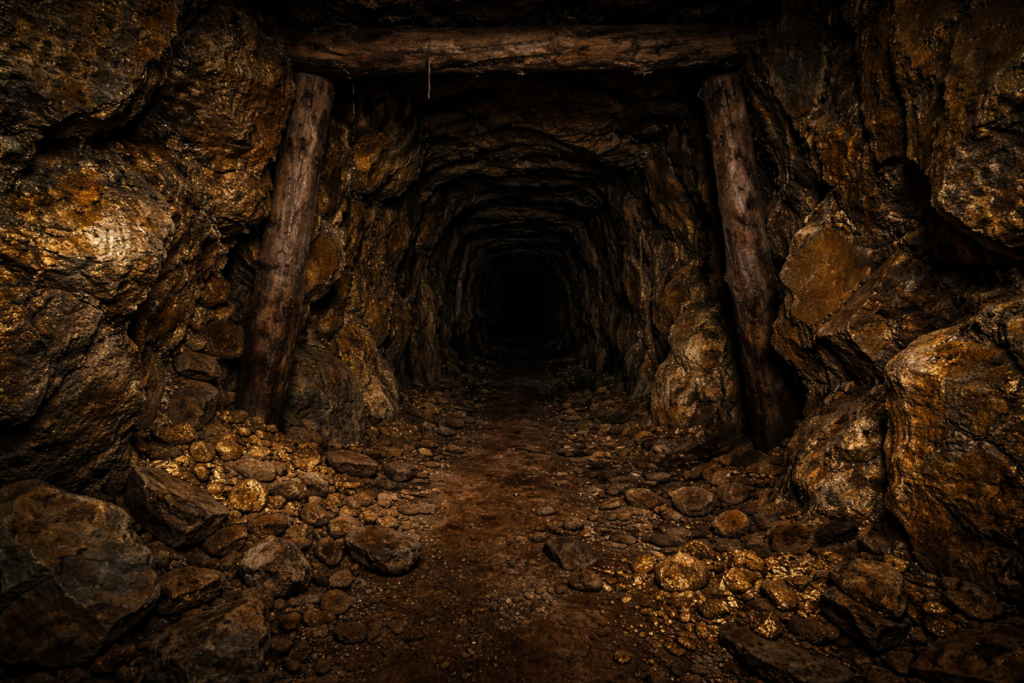
The mine shafts follow gold bearing quartz veins with remarkable precision. Rather than random digging, tunnels change direction based on rock composition, suggesting miners understood how gold formed within stone. Ventilation shafts and controlled tunnel widths reduced heat and collapse risk.
Tool marks and standardized footholds indicate trained workers using shared techniques. This level of consistency implies knowledge transmission across generations. The mine demonstrates that ancient Egyptian workers possessed applied geological and engineering knowledge often overlooked in traditional narratives.
5. Administrative oversight governed daily labor.
Written records on ostraca and carved markings reveal structured labor organization. Work teams were assigned specific zones, production was tracked, and supplies were distributed under supervision. Officials likely rotated in and out, maintaining accountability far from royal centers.
This bureaucracy ensured predictable output. Gold from Jabal Sukari fed royal treasuries, temple endowments, and military financing. The mine functioned as a monitored state asset rather than a private enterprise. Its documentation reflects how imperial control extended deep into inhospitable terrain.
6. Social hierarchy shaped life within the settlement.

Housing quality and tool variation suggest a stratified workforce. Skilled miners and supervisors occupied sturdier quarters and used better equipment, while others lived in more basic conditions and performed the most dangerous labor.
This social layering mirrors New Kingdom Egypt itself, transplanted into the desert. Specialists, administrators, and coerced laborers coexisted within a rigid structure. The mine exposes how inequality was not confined to cities and temples, but embedded even in remote industrial zones.
7. Water engineering determined survival more than gold.
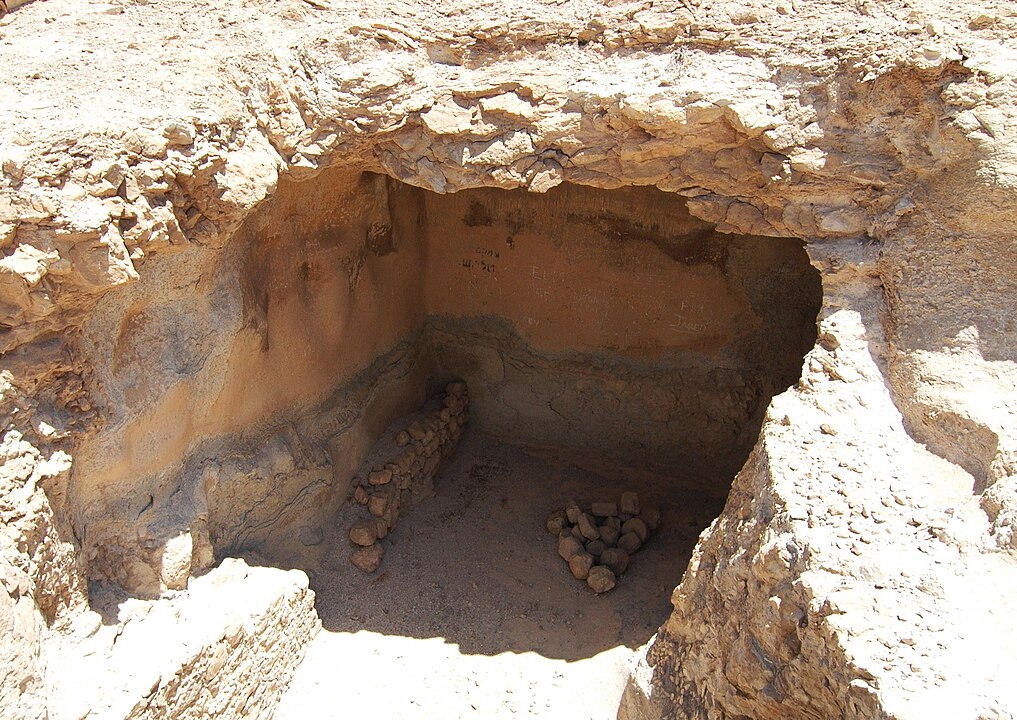
Water scarcity shaped every architectural and logistical decision. Archaeologists identified cisterns carved into bedrock, channels designed to capture rare rainfall, and standardized storage jars placed throughout the settlement.
Access to water was regulated and rationed. Without constant planning, mining would have ceased regardless of gold availability. This emphasis reveals that desert industry was fundamentally a hydraulic challenge. Survival depended on managing water more carefully than ore.
8. Religious practices accompanied dangerous labor.
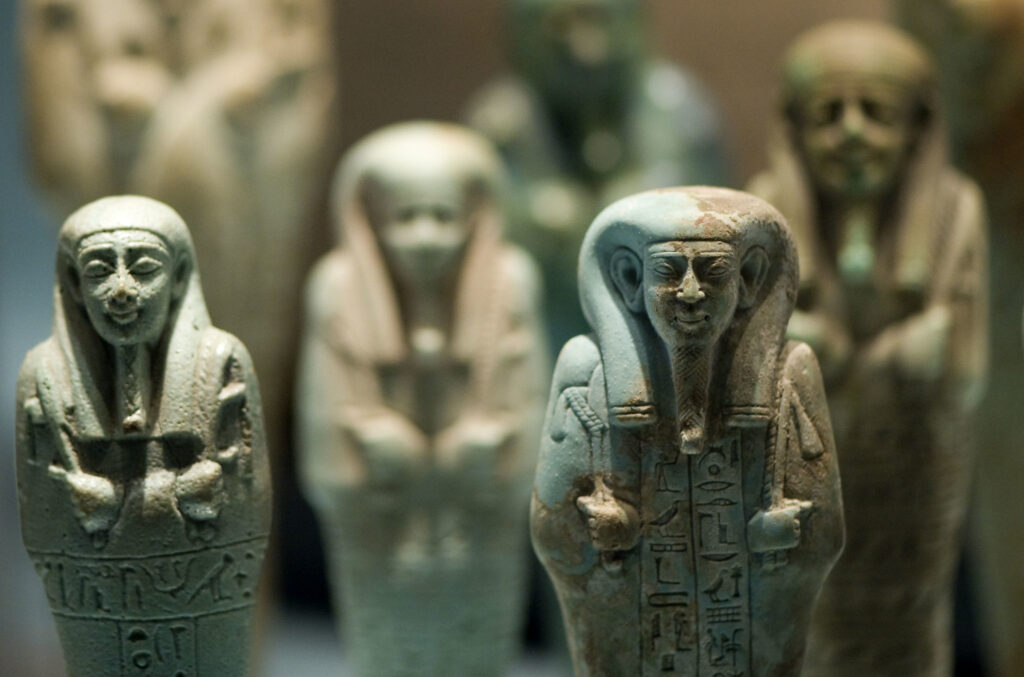
Small shrines, amulets, and carved symbols appear near shafts and living areas. These objects indicate ritual practices aimed at protection and endurance. Mining was perilous, and belief systems helped workers cope with constant risk.
Offerings near entrances suggest rituals performed before descent. Religion functioned as psychological infrastructure, reinforcing resilience where engineering could not eliminate danger. Spiritual life remained intertwined with labor even in a tightly controlled industrial environment.
9. Environmental damage accumulated over centuries.
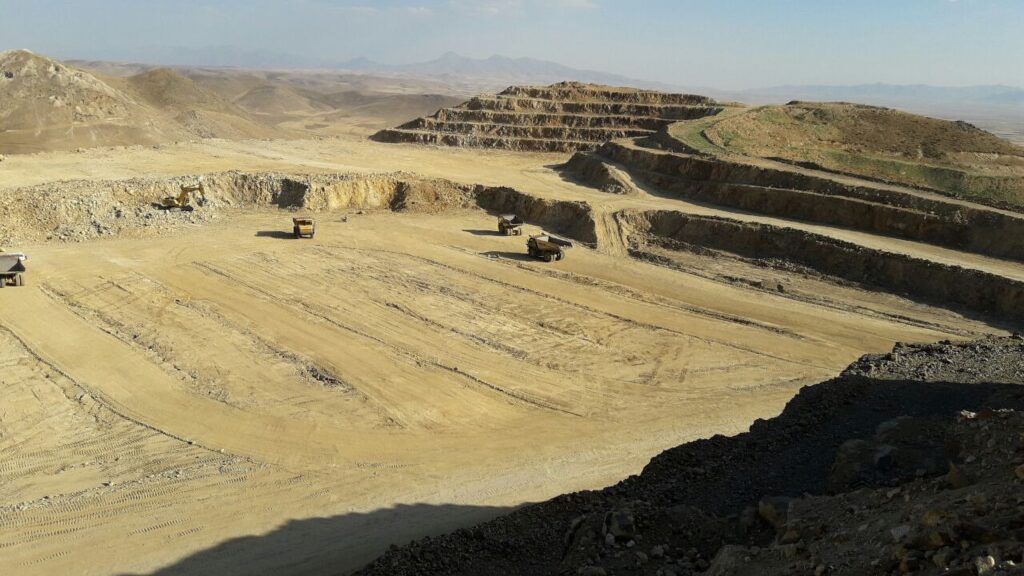
Waste rock piles, altered drainage, and deforested areas around the site show long term environmental transformation. Mining required fuel for processing and construction, likely accelerating local desertification.
The landscape bears scars still visible today. Jabal Sukari demonstrates that ancient industry reshaped ecosystems long before modern machinery. Understanding these impacts helps archaeologists reconstruct how imperial economies altered environments alongside societies.
10. The mine reveals forgotten technical intelligence.

Beyond labor and wealth, Jabal Sukari exposes a concentration of technical knowledge rarely credited to ancient workers. Geological assessment, structural engineering, hydrology, logistics, and risk management converged at one site.
These skills were developed and refined far from royal courts, yet they sustained Egypt’s imperial ambitions. The discovery shifts focus from monuments to the unseen expertise that powered them. Jabal Sukari was not just a source of gold. It was a center of applied intelligence operating beneath the desert surface.